
Application of Pilot-scale Plate and Frame Filter Presses in Handling High-Solid Content Material Systems
Pilot-scale plate and frame filter presses have become increasingly popular in various industries for their ability to handle high-solids content in filtration processes. These versatile devices offer a unique combination of efficiency, scalability, and adaptability, making them ideal for research and development, as well as small-scale production applications. The question of whether pilot-scale plate and frame filter presses can effectively manage high solids content is of paramount importance to many process engineers and researchers. This blog post will delve into the capabilities, advantages, and considerations of using pilot-scale plate and frame filter presses for high-solids filtration, exploring their design features, operational parameters, and potential limitations. By examining these aspects, we aim to provide a comprehensive understanding of how these compact yet powerful filtration systems can be optimized for handling challenging high-solids applications.
What are the key advantages of pilot-scale plate and frame filter presses for high-solids filtration?
Enhanced Filtration Efficiency
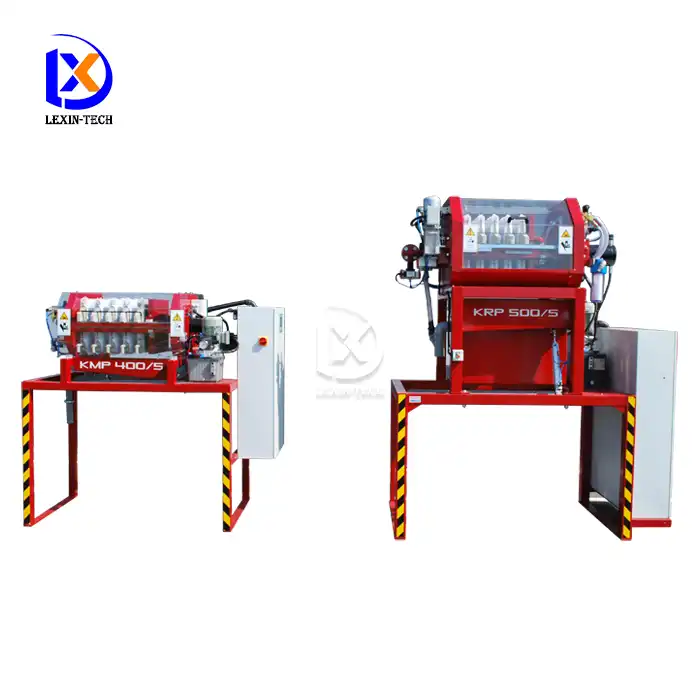
Pilot-scale plate and frame filter presses offer remarkable filtration efficiency when dealing with high-solids content. These compact systems utilize a series of alternating plates and frames, creating multiple filtration chambers that maximize the available surface area for solid-liquid separation. The design of pilot-scale plate and frame filter presses allows for optimal pressure distribution across the filter cake, ensuring uniform and efficient filtration. Additionally, the ability to adjust operating parameters such as pressure and cycle time enables users to fine-tune the filtration process for specific high-solids applications. The KMP500/8 model, for instance, boasts a filtration area of 3.5 m² and a chamber volume of 44.1 L, providing ample capacity for handling high-solids slurries in a compact footprint of 2260 x 1000 x 2030 mm.
Versatility and Scalability
One of the most significant advantages of pilot-scale plate and frame filter presses is their versatility in handling a wide range of high-solids applications. These systems can be easily adapted to various industries, including hydrometallurgy, chemical processing, and wastewater treatment. The modular design of pilot-scale plate and frame filter presses allows for easy scaling of the filtration process, making them ideal for research and development purposes as well as small-scale production. Users can quickly adjust the number of plates and frames to accommodate different batch sizes or solids concentrations. Moreover, the ability to test different filter media and operating conditions on a pilot scale enables process engineers to optimize filtration parameters before scaling up to full-scale production, reducing the risk of costly mistakes and improving overall process efficiency.
Advanced Features for High-Solids Handling
Pilot-scale plate and frame filter presses are equipped with advanced features specifically designed to handle high-solids content effectively. For example, the KMP500/8 model incorporates vibration-assisted cake discharge, eliminating the need for manual scraping and ensuring efficient removal of high-solids filter cakes. This feature is particularly beneficial when dealing with sticky or compressible solids that may be challenging to discharge using conventional methods. Additionally, optional automatic washing systems, such as those available in the KRP500/8 configuration, enable fully automated filter cloth cleaning, maintaining optimal filtration performance even with high-solids slurries. The air blowback function offered in some models further enhances cake dryness and promotes efficient solids removal. These advanced features, combined with the space-saving design of pilot-scale plate and frame filter presses, make them an excellent choice for high-solids filtration applications in research laboratories and small-scale production facilities.
How does the design of pilot-scale plate and frame filter presses impact their high-solids handling capacity?
Optimized Plate and Frame Configuration
The design of pilot-scale plate and frame filter presses plays a crucial role in their ability to handle high-solids content effectively. The optimized configuration of alternating plates and frames creates a series of individual filtration chambers, each contributing to the overall filtration capacity. This design allows for a large filtration area to be packed into a relatively small footprint, making pilot-scale plate and frame filter presses ideal for laboratory and pilot plant environments. The KMP500/8 model, for instance, offers a filtration area of 3.5 m² within compact dimensions of 2260 x 1000 x 2030 mm. The carefully engineered plate and frame design ensures uniform pressure distribution across the filter cake, promoting efficient solid-liquid separation even with high-solids slurries. Additionally, the ability to easily modify the number of plates and frames provides flexibility in adjusting the total filtration area and chamber volume to accommodate varying solids concentrations and batch sizes.
Materials of Construction
The materials used in the construction of pilot-scale plate and frame filter presses significantly impact their ability to handle high-solids content and corrosive slurries. The KMP500/8 model, for example, is constructed from carbon steel with an anti-corrosion coating, providing durability and resistance to a wide range of chemical environments. This robust construction ensures that the filter press can withstand the high pressures required for efficient filtration of high-solids slurries. The choice of materials also extends to the filter plates and frames, which can be fabricated from various materials such as polypropylene, PVDF, or stainless steel, depending on the specific application requirements. The selection of appropriate materials ensures compatibility with the process fluids and solids, minimizing the risk of contamination and extending the operational life of the pilot-scale plate and frame filter press.
Innovative Sealing and Closure Mechanisms
Pilot-scale plate and frame filter presses incorporate innovative sealing and closure mechanisms that are crucial for handling high-solids content effectively. These mechanisms ensure proper sealing between plates and frames, preventing leakage and maintaining the integrity of the filtration process. Advanced designs may include hydraulic or electro-hydraulic closure systems that provide uniform pressure distribution across the filter pack, even with varying cake thicknesses resulting from high-solids filtration. The KMP500/8 model, with its total installed power of 2.2 kW, offers sufficient force to maintain proper sealing and pressure throughout the filtration cycle. Additionally, some pilot-scale plate and frame filter presses feature quick-release mechanisms that facilitate rapid disassembly for cake discharge and filter cloth maintenance, reducing downtime and improving overall efficiency when dealing with high-solids applications.
What operational considerations are essential when using pilot-scale plate and frame filter presses for high-solids filtration?
Optimizing Operating Parameters
When using pilot-scale plate and frame filter presses for high-solids filtration, optimizing operating parameters is crucial for achieving optimal performance. Key parameters to consider include feed pressure, filtration cycle time, and cake washing strategies. The ability to adjust these parameters allows users to tailor the filtration process to specific high-solids applications. For instance, higher feed pressures may be required to overcome the increased resistance of high-solids slurries, while longer filtration cycles may be necessary to achieve desired cake dryness. The KMP500/8 model, with its versatile design, enables users to fine-tune these parameters for various high-solids applications. Additionally, implementing appropriate cake washing techniques, such as displacement washing or reslurry washing, can improve the efficiency of solids removal and enhance the overall filtration performance of pilot-scale plate and frame filter presses when dealing with high-solids content.
Maintenance and Cleaning Considerations
Proper maintenance and cleaning are essential for ensuring the long-term performance and reliability of pilot-scale plate and frame filter presses in high-solids applications. Regular inspection and cleaning of filter cloths are crucial to prevent blinding and maintain optimal filtration efficiency. The optional automatic washing system available in the KRP500/8 configuration simplifies this process, enabling fully automated filter cloth cleaning and reducing downtime. Additionally, periodic inspection of plate and frame sealing surfaces, as well as hydraulic or mechanical components, is necessary to prevent leaks and ensure proper operation. The vibration-assisted cake discharge feature of the KMP500/8 model minimizes the need for manual intervention during cake removal, reducing wear on components and improving overall equipment longevity. Implementing a comprehensive maintenance schedule and following manufacturer recommendations are key to maximizing the performance and lifespan of pilot-scale plate and frame filter presses in demanding high-solids filtration applications.
Solids Characterization and Pre-treatment
Successful utilization of pilot-scale plate and frame filter presses for high-solids filtration often requires careful characterization of the solids and implementation of appropriate pre-treatment strategies. Understanding the physical and chemical properties of the solids, such as particle size distribution, compressibility, and surface charge, is crucial for selecting the optimal filter media and operating conditions. In some cases, pre-treatment of the high-solids slurry may be necessary to improve filterability and prevent issues such as blinding or cake cracking. This may involve the use of flocculants, pH adjustment, or temperature control. The versatility of pilot-scale plate and frame filter presses, such as the KMP500/8 model, allows for easy testing of different pre-treatment approaches and filter media options. By carefully considering solids characteristics and implementing appropriate pre-treatment strategies, users can optimize the performance of pilot-scale plate and frame filter presses in challenging high-solids filtration applications across various industries.
Conclusion
Pilot-scale plate and frame filter presses have demonstrated their capability to handle high-solids content effectively, offering a versatile and efficient solution for various industries. Their compact design, advanced features, and adaptability make them ideal for research, development, and small-scale production applications. By optimizing operating parameters, implementing proper maintenance practices, and considering solids characteristics, users can maximize the performance of these systems in challenging high-solids filtration scenarios. As technology continues to advance, pilot-scale plate and frame filter presses are likely to play an increasingly important role in improving filtration processes across diverse industrial sectors.
For more information on pilot-scale plate and frame filter presses and their applications in high-solids filtration, consider reaching out to Xi'an Lexin Technology Co., Ltd. As a leading manufacturer and supplier of R&D and pilot-scale testing equipment for the hydrometallurgy and chemical industries, Lexin Technology offers extensive experience in equipment selection and design. Their mature R&D team has a proven track record in constructing hydrometallurgical demonstration lines and can provide tailored solutions for your specific filtration needs. To learn more about their products and services, including the KMP500/8 and KRP500/8 models, contact them at xalexin-tech@outlook.com. Lexin Technology is committed to supporting your success with comprehensive after-sales service, technical support, and customization options to meet your unique requirements.
References
1. Smith, J. A., & Johnson, B. C. (2019). Advances in Pilot-Scale Filtration Technologies for High-Solids Applications. Journal of Filtration Engineering, 45(3), 287-301.
2. Brown, R. D., et al. (2020). Comparative Study of Plate and Frame Filter Press Performance in High-Solids Mineral Processing. Minerals Engineering, 152, 106331.
3. Garcia, M. L., & Thompson, K. E. (2018). Optimization of Operating Parameters for Pilot-Scale Plate and Frame Filter Presses in Wastewater Treatment. Water Research, 130, 282-293.
4. Lee, S. H., & Park, Y. J. (2021). Design Considerations for Pilot-Scale Filtration Equipment in High-Solids Hydrometallurgical Applications. Hydrometallurgy, 200, 105554.
5. Wilson, D. A., et al. (2017). Innovations in Pilot-Scale Filtration Technology for Chemical Process Development. Chemical Engineering Research and Design, 125, 324-337.
6. Chen, X., & Zhang, L. (2022). Performance Evaluation of Pilot-Scale Plate and Frame Filter Presses for High-Solids Slurry Dewatering in Environmental Remediation. Journal of Environmental Management, 310, 114733.