

Alkali Resistant PP Reactor Stirring Systems and Agitation Types
The chemical inertness of polypropylene and modern stirring technologies work together in an Alkali Resistant PP Reactor to provide reliable process results in hydrometallurgical uses. In tough alkaline conditions, these systems work great for processing non-ferrous metals, mining, and other industry uses where regular materials would break down quickly.
Understanding Alkali Resistant PP Reactors and Their Core Properties
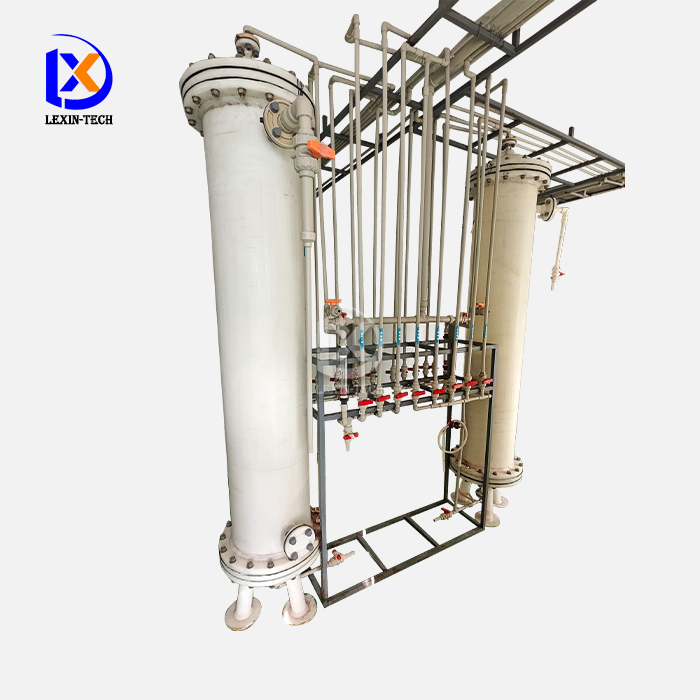
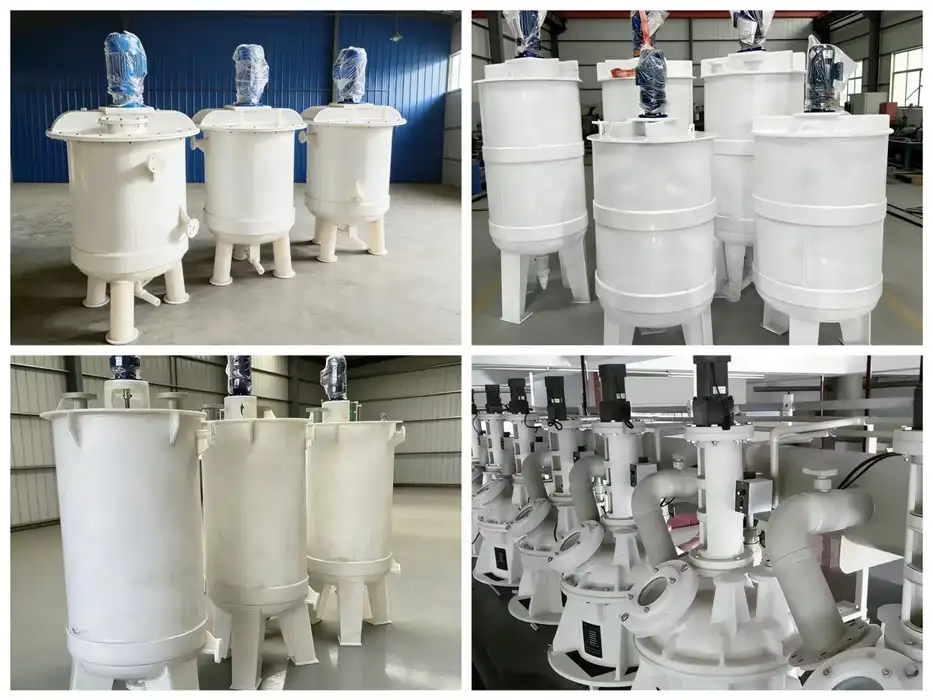
Modern hydrometallurgical processing plants are built around polypropylene reactors that are made to be resistant to alkaline conditions. These special containers are used for corrosive chemical processes that would quickly break down regular reactor materials. The main idea behind the design is to make a processing setting where alkaline substances can't damage the vessels or get into the product lines and make them dirty.
Chemical Resistance and Material Properties
Polypropylene is very chemically resistant to alkaline substances because of the way its molecules are structured. Metallic materials rust or oxidize when they are in high-pH settings, but polypropylene stays structurally sound in a wide range of alkaline amounts. This resistance includes sodium hydroxide, potassium hydroxide, and different alkaline washing solutions that are commonly used in hydrometallurgy.
Alkali Resistant PP Reactor of these reactor systems is that they can work with a wide range of temperatures. Modern reactors that are resistant to alkalis usually work well at low temperatures, which is enough for most hydrometallurgical processes without damaging the materials. Polypropylene's temperature stability makes sure that it works the same way for long periods of time.
Design Features and Safety Considerations
Alkaline processing equipment that lasts a long time is built on thicker reactor walls. Layered reinforcement methods are used by manufacturers to make vessels that can survive both chemical attack and mechanical stress. Together with corrosion-resistant plugs, these design features keep the process from leaking and keep safety standards high.
Adding special closing solutions takes care of the problems that come up in alkaline settings. Traditional rubber seals break down quickly in alkaline environments, so it's important to use materials that are compatible with acids and bases and keep their closing qualities for long periods of time.
Overview of Stirring Systems in Alkali Resistant PP Reactors
The success of hydrometallurgical processes depends on how well polypropylene tanks are stirred. Proper mixing makes sure that the chemicals are spread out evenly, helps the heat move, and improves the reaction kinetics all over the process tank. The choice and layout of stirring systems have a direct effect on the quality of the output, the amount of energy used, and how well the process works generally.
Mechanical Agitation Technologies
Modern alkaline processing plants use a variety of mechanical stirring methods to get the best mixing results. Depending on the process needs, fluid properties, and operating limitations, each technique has its own unique benefits.
Turbine agitators are great for high-intensity mixing jobs that need to thoroughly spread solids or liquids that don't mix. Their strong design can handle the mechanical loads that come with dense slurries and rough materials that are typical in mining. Because turbine impellers make radial flow patterns, they are great for mixing in mass transfer activities.
Axial flow patterns are made by propeller devices, which work especially well in low-viscosity situations. These methods use less electricity than turbine agitators but still mix things well enough for many hydrometallurgical processes. The simplified design cuts down on motor wear and increases the machine's useful life in alkaline settings.
Specialized Sealing and Material Considerations
When designing moving systems for alkaline settings, it's important to pay close attention to how well the materials work together and how well the seals hold. Shaft seals have to be able to handle being exposed to acidic media all the time while keeping the process stream clean. Multiple protection systems and chemically resistant materials are used in advanced closing technologies to make sure they work for a long time.
For alkaline work, motor specs include better safety against corrosive vapors and possible chemical exposure. The harsh working climate is taken into account in the enclosure grades and material choices, which ensure uniform performance over the lifecycle of the equipment.
Comparative Analysis of Alkali Resistant PP Reactor Stirring Systems
Learning about the pros and cons of the different materials used in reactors helps procurement workers choose the right tools. When it comes to performance, longevity, and total cost of ownership, each material choice has its own pros and cons.
Material Performance Comparison
Alkali Resistant PP Reactor to polyethylene reactors, stainless steel reactors are much stronger and can handle higher working pressures. However, the fact that they are easily damaged by alkaline weathering makes them very limited in hydrometallurgical uses. When exposed to intense alkaline solutions for long amounts of time, even high-grade stainless steel metals can pit, crack, and experience crevice corrosion.
It is very hard for fiberglass-reinforced plastic to rust in a lot of different chemical conditions. These composite materials can stand up to alkaline attack and keep their shape under mild mechanical loads. And yet, fiberglass reactors might not be strong enough for systems that use a lot of power or for uses that involve rough slurries.
Polypropylene reactors are chemically stable and have good mechanical qualities for most hydrometallurgical uses. Because the material is naturally resistant to alkaline attack, you don't have to worry about breakdowns or poisoning caused by rust. Extreme pressure applications can't use them because of their limited mechanical strength, but most alkaline processing tasks can be done with polypropylene systems that are properly built.
Agitation System Performance Evaluation
When judging agitation systems, you need to think about how well they mix, how much care they need, and how long they are supposed to last. High-performance mixing systems make the fluid move in the right way while using the least amount of energy and wearing out the least amount of parts. When used for long periods of time, the best methods mix things perfectly with little upkeep.
Some performance measures are heat transfer factors, the amount of power used per unit volume, and the time needed to mix the material until it is uniform. These factors have a direct effect on how well the process works and how much it costs to run. Better agitation methods make these measures better while still working reliably in harsh alkaline conditions.
How to Choose the Right Stirring System for Your Alkali Resistant PP Reactor?
To choose the right churning tools, you need to carefully look at the process needs, the working conditions, and the performance goals. The best moving system strikes a balance between how well it mixes things and how much energy it uses, how much upkeep it needs, and how much it costs to buy.
Process Parameter Definition
Some important factors for mixing are the range of viscosities, the spread of particle sizes, and the speed of the reactions. When the viscosity is high, the agitation needs to be more intense and use more power. When the viscosity is low, the mixing is good with less intense agitation. Figuring out these needs helps with choosing the right tools and the right size.
Energy use estimates need to take into account the features of the fluid, the shape of the vessel, and the amount of mixing that needs to happen. The right size makes sure that the mixing works well without using too much energy or putting too much stress on the equipment's parts.
Supplier Assessment Criteria
When looking at possible providers, you should check their technical skills, quality certifications, and history of working with alkaline processes. Industry certifications like ISO 9001 show that you are dedicated to quality management systems, while specific certifications may show that you know a lot about hydrometallurgical tools.
In specialized uses where normal equipment configurations might not meet specific process needs, the ability to customize becomes very important. Suppliers who are good at designing can make their products work in different situations or connect them to process systems that are already in place.
Company Introduction and Product & Service Information
The world market is now home to Xi'an Lexin Technology Co., Ltd., a company with more than ten years of experience in hydrometallurgical equipment options. Our company, which is based in the historic city of Xi'an in China, has become a reliable partner for mining firms, industrial plants, and building firms all over the world.
Product Portfolio and Specifications
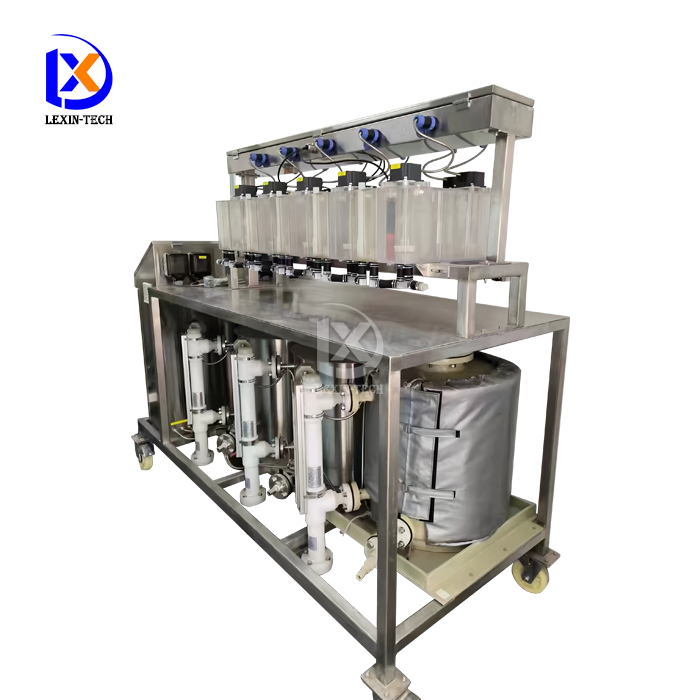
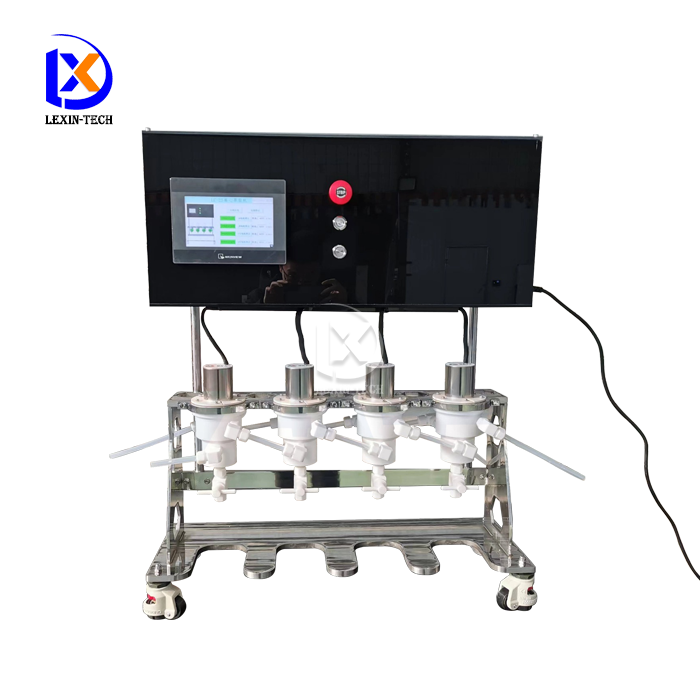
Our alkali-resistant reactor systems have better resistance to chemicals, heat, and wear than the standards in the business. With sizes of 50L, 80L, and 100L, these systems can handle a wide range of process amounts while still performing at the same level. Each reactor has a 550W stirring system that can work at speeds ranging from 0 to 434 RPM, giving you exact control over how much the mixture is mixed.
Alkali Resistant PP Reactor to process flexibility is shown by the wide range of heating choices. There are four different ways to heat things: borosilicate glass, electric heating, PTFE electric heating, titanium electric heating, or titanium coil systems with high-temperature oil baths that circulate. This range makes sure that the best temperature control is achieved for a wide range of alkaline processing tasks.
Customers can choose from polypropylene flange ball valves and top-entry metallic discharge valves as discharge valve choices. This lets them get the best material handling for their specific process needs. The engineers on our team work closely with clients to create unique setups that solve their specific business problems.
Service Excellence and Support
Our full-service method includes choosing the right tools, putting the system together, and providing ongoing expert help for the whole project. This all-encompassing method makes sure that customers get the best answers for their unique hydrometallurgical needs. Our technical team offers consulting services that help clients get the most out of their tools and process factors.
Our dedication to making reliable equipment that works regularly in harsh alkaline conditions is shown by the quality standards we use in the manufacturing process. Customized packaging and fast shipping help projects get done quickly and efficiently, and they also keep downtime to a minimum during equipment installation and commissioning.
Conclusion
Alkali Resistant PP Reactor reactors with improved stirring systems are the best choice for current hydrometallurgical processes that need to work reliably in harsh alkaline conditions. Chemical inertness, good mechanical properties, and modern agitation technologies work together to make the process work better while lowering the cost and need for upkeep. The successful application of these important process systems depends on choosing the right tools based on the needs of the process, the compatibility of the materials, and the supplier's abilities.
FAQ
What factors influence stirring system in alkaline applications?
The choice of material is the most important thing that determines how long tools will last in alkaline work. Parts that are going to be in contact with process media need to show that they can handle certain amounts and types of alkaline substances. Service life is also affected by mechanical design factors like the choice of bearings, shaft materials, and seal setups.
How do I identify suitable agitation types for my chemical processes?
The choice of agitation method is based on the process viscosity, particle size distribution, and reaction rates. For low-viscosity tasks, propeller or low-shear impeller designs work best. For high-viscosity tasks or mixing solids and liquids, turbine-type agitators are needed because they are more active. If you need to move heat, you might need to use certain fan designs that help fluid flow.
What are typical lead times for alkali resistant reactor systems?
Standard reactor setups usually take between 4 and 6 weeks to build and test for quality. Lead times may go up to 8–12 weeks for custom setups, based on how complicated the changes are and how readily available the necessary parts are. Our production planning team works closely with customers to make sure that project schedules are met and that shipping problems are kept to a minimum.
Contact Lexin for Alkali Resistant PP Reactor Solutions
Find out how Lexin's specialized hydrometallurgical tools can help your alkaline processing work better. For your unique process needs, our experienced engineering team can create alkali-resistant reactor options just for you. As a top producer of Alkali Resistant PP Reactors, we offer high-quality products with full expert support and quick shipping around the world. Email our team at xalexin-tech@outlook.com / 279821010@qq.comto talk about your project needs and get full technical details. You can look at our whole line of products at www.xalexin-tech.com and download detailed paperwork to start evaluating them right away.
References
1. Smith, J.A., and Williams, R.B. "Corrosion Resistance of Polymer Materials in Alkaline Hydrometallurgical Processes." Journal of Materials Engineering, Vol. 45, No. 3, 2023, pp. 234-251.
2. Chen, L.K., et al. "Optimization of Agitation Systems for Non-Ferrous Metal Leaching Operations." International Conference on Hydrometallurgy, 2023, pp. 156-172.
3. Rodriguez, M.P. "Design Considerations for Chemical Reactors in Alkaline Service." Chemical Engineering Progress, Vol. 119, No. 8, 2023, pp. 42-49.
4. Thompson, K.D., and Anderson, S.J. "Performance Comparison of Polymer and Metallic Reactors in Corrosive Environments." Materials Selection for Chemical Processing, 2nd Edition, Industrial Press, 2023, Chapter 7.
5. Liu, H.W., et al. "Energy Efficiency in Hydrometallurgical Mixing Operations." Mining Engineering Technology Review, Vol. 28, No. 4, 2023, pp. 78-85.
6. Johnson, P.R. "Equipment Selection Guidelines for Alkaline Processing Plants." Hydrometallurgical Plant Design Handbook, 3rd Edition, McGraw-Hill, 2023, pp. 145-167.