

Electric Heating PP Reactor Integration with Filtration and Distillatio
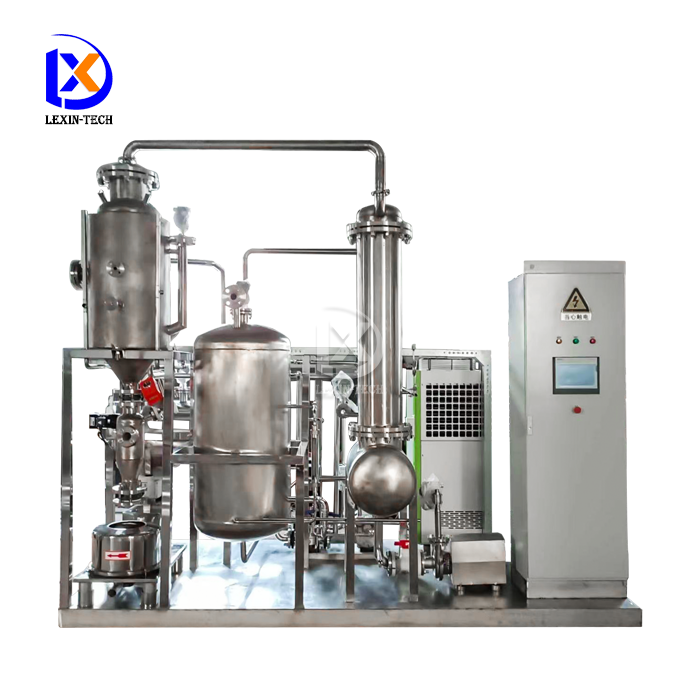
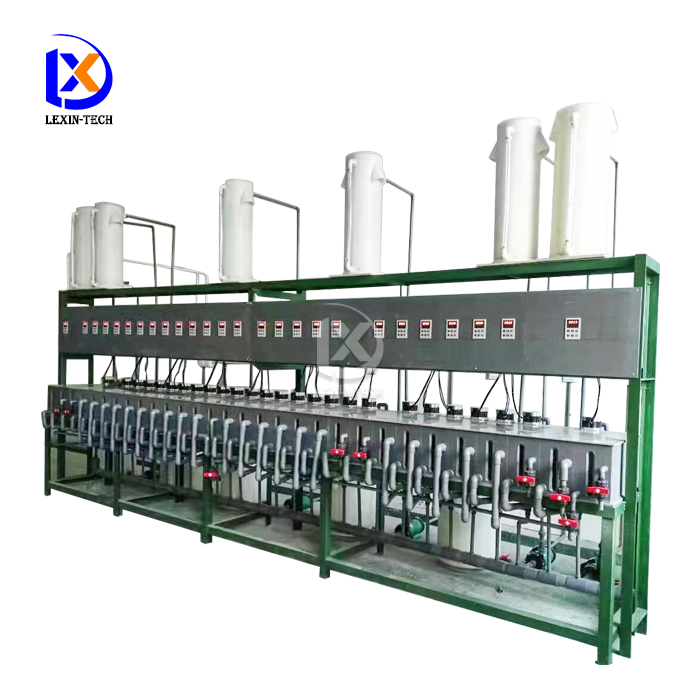
Combining exact temperature control with cutting-edge separation technologies, the Electric Heating PP Reactor Integration with Filtration and Distillation is a completely new way to process chemicals in the 21st century. With its built-in filtering and distillation functions, an Electric Heating PP Reactor makes the process very efficient while keeping high product purity. This complete system takes care of all the complicated needs of hydrometallurgical operations. It gives manufacturers a reliable way to boost both production and quality standards in a wide range of industry settings.
Understanding Electric Heating PP Reactors and Their Integration
For modern chemistry processes, you need tools that are accurate, reliable, and effective. PP reactors with electric heating are a big step forward in reactor technology. They use complex electrical heating parts to keep the exact temperatures needed for complicated chemical reactions. In hydrometallurgical processes, where controlling temperature has a direct effect on product quality and process results, these reactors have become essential.
Advanced Temperature Control Technology
Putting electric heating devices inside plastic reactors gives scientists more control over the temperature than ever before. Electric heating elements, on the other hand, respond instantly to changes in temperature, making sure that the reaction conditions are perfect throughout the whole process cycle. This accuracy is especially useful in hydrometallurgical processes, where small changes in temperature can have a big effect on how much metal is recovered and how pure the result is.
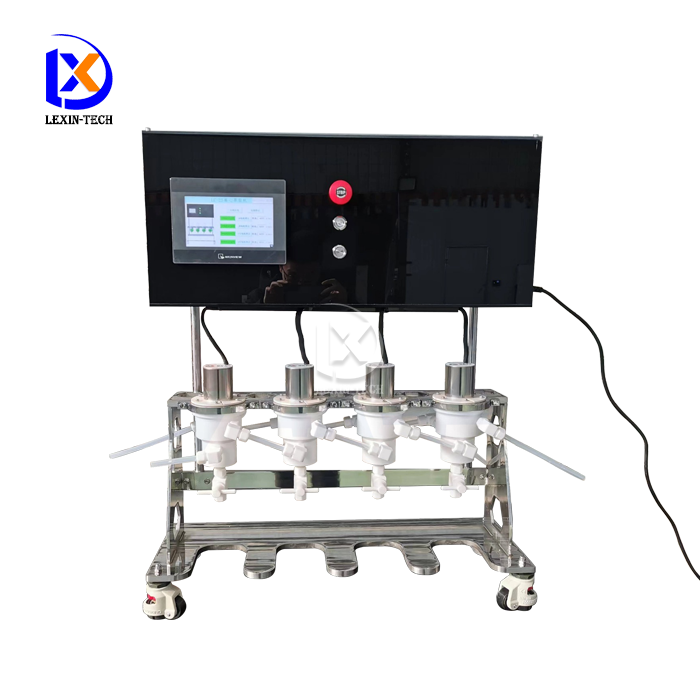
Our reactors have a variety of burning devices to meet the needs of different processes. Polytetrafluoroethylene (PTFE) electric heating is great for harsh settings because it is very resistant to chemicals. On the other hand, borosilicate glass electric heating is better for normal uses because it uses heat more efficiently. Titanium electric heating is very durable and works well in high-demand industrial settings. It keeps working well over long production runs.
Seamless Integration of Filtration and Distillation Systems
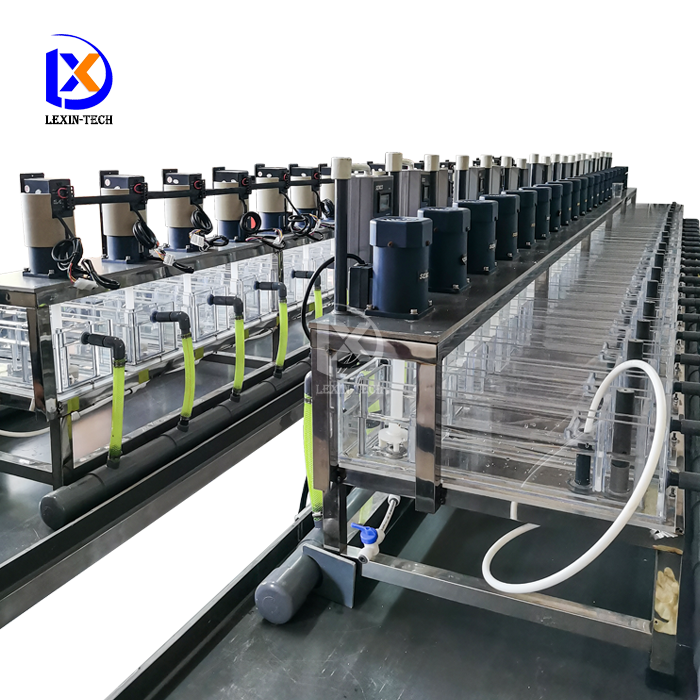
Electric Heating PP Reactors are really helpful because they can do both filtering and distillation in one system without any problems. This integration gets rid of the need for different processing units, which cuts down on the size of the tools needed and makes operations run more smoothly. The combined system keeps the best conditions for metal extraction and cleaning by continuously getting rid of impurities during reaction processes.
Integrated filtration systems clear solid contaminants all the time, making sure that reaction solutions stay clean and active during all production processes. At the same time, distillation parts allow the separation of flammable compounds in real time, which stops unwanted reactions and concentrates the products that are needed. This two-in-one feature is very useful in hydrometallurgical processes where the cleanliness of the product has a direct effect on the end metal's quality and value.
Performance and Efficiency Comparison of Heating Methods
The change from traditional heating methods to electric heating systems is a big change in the way reactors work. Knowing these differences helps people who work in procurement make choices that are in line with business goals and efficiency targets.
Superior Energy Efficiency and Control
The energy efficiency of electric heating systems is much higher than that of steam or oil heating systems. Traditional ways of heating often have problems with uneven heat transfer and energy loss through pipes and heat exchanges that are outside the building. Electric heating gets rid of these wastes by sending heat straight to the reactor tank. This makes heating go faster while using less energy per unit of production.
Electric heating systems can be precisely controlled, which lets makers keep exact temperature profiles during complicated reaction processes. This control directly leads to more consistent products and fewer differences between batches. Our reactors can stir at speeds between 0 and 434 rpm for all three size choices (50L, 80L, and 100L). This makes sure that the mixture is well mixed and that the temperature stays the same throughout the reactor.
Enhanced Process Stability and Safety
One of the most important benefits of electric heating technology is that it makes processes more stable. Temperature changes often happen with traditional heating methods because of changes in steam pressure or the breakdown of thermal fluids. Electric heating keeps working the same way throughout the life of the equipment, making it stable and able to keep to planned production plans.
Electric heating systems are also becoming more popular because they are safer. Getting rid of high-pressure steam lines and hot thermal fluids makes the workplace safer and makes upkeep easier. Our reactors have advanced safety features, such as automatic temperature tracking and emergency shutdown routines, which keep the operators safe and protect the process materials.
Procurement Considerations for Electric Heating PP Reactors with Filtration and Distillation
A lot of technical and financial factors need to be carefully considered when choosing the right reactor system. When procurement teams know about these things, they can make choices that improve both short-term performance and long-term business success.
Critical Technical Specifications
Electric Heating PP Reactor is the most important thing to think about when choosing a generator. The polypropylene structure is very good at resisting acids, bases, and organic solvents that are common in hydrometallurgical processes. PP structure is better at resisting chemicals, heat, and wear, so equipment lasts longer while still meeting standards for product quality.
When choosing capacity, it's important to make sure it fits with production rates and goals for future growth. Standard sizes for our products are 50L, 80L, and 100L, and each one has 550W of moving power to make sure it mixes well. The uniform stirring specs across all sizes make it easier to train operators and do upkeep, and they also make sure that the processing results are the same no matter what size the batch is.
The design of the discharge valve has a big effect on how well it works and how it is cleaned. Which one to use—polypropylene flange ball valves or top-entry steel discharge valves—depends on the process needs and how you like to maintain things. PP ball valves are better at handling chemicals, while metallic choices last longer and are better for high-frequency release operations.
Customization and Supplier Capabilities
Because hydrometallurgical processes are so complicated, they often need special equipment solutions that can solve their own unique problems. Checking the customization options of a seller makes sure that you can make changes that improve performance for certain uses. Our tech team works closely with clients to create custom setups that meet exact process needs while still being cost-effective.
Dependability in the supply chain grows as output plans depend on having access to equipment and help with maintenance. Checking the track records, manufacturing skills, and service networks of suppliers is a good way to make sure that equipment works well all the time and that downtime is kept to a minimum. Because we're well-known in foreign markets, our clients can always count on getting expert help and replacement parts when they need them.
Maintenance and Safety Best Practices
To get the most out of your equipment's performance and lifespan, you need to follow thorough repair plans that cover both its mechanical and electrical parts. Good repair practices protect investments in capital and make sure that product quality stays the same over the life of the equipment.
Routine Maintenance Protocols
Regular inspections that find problems before they affect production are the first step to good upkeep. Filtration parts need to be cleaned on a regular basis to keep flow rates and sorting efficiency high. Our systems' combined design makes it easier to get to the filtration elements, which lets upkeep be done quickly and with few interruptions to production.
Electrical system readings are very important for keeping the temperature control accurate and stopping heating elements from breaking. Checking the electrical connections, insulation, and tuning of the control system regularly makes sure that the system works well and finds parts that might need to be replaced during planned repair windows.
Safety Implementation Standards
Safety guidelines include both the design of the tools and the way they should be used to keep people safe while keeping the integrity of the process. Our reactors have a lot of safety features built in, such as temperature tracking, pressure relief, and emergency shutdown functions that shut down the reactors automatically if something goes wrong.
Operator training programs make sure that employees know how to do their jobs correctly and what to do in a situation. Regular safety checks make sure that international safety standards are being followed and look for ways to improve safety performance. These all-around methods make workplaces safe and protect investments in valuable process materials and tools.
Lexin Technology's Solutions for Integrated Reactor Systems
The Xi'an Lexin Technology Co., Ltd. is a leader in developing new hydrometallurgical tools. They make high-tech electric heating PP reactors that combine filter and distillation into a single, efficient system. Our site in Xi'an, China, gives us access to a rich scientific history and makes it possible for us to make products at low costs for clients around the world.
Comprehensive Product Portfolio
Our reactor systems are well-thought-out designs that balance performance, dependability, and cost-effectiveness for a wide range of hydrometallurgical uses. The plastic construction is very compatible with chemicals, and the electric heating choices can be used for a variety of processes. No matter if our customers need borosilicate glass, PTFE, or titanium heating elements, our systems always work well and help them stick to their production plans.
Having the ability to both filter and separate takes away the hassle and cost of having to use multiple processing tools. This streamlined method cuts down on the space that equipment needs to be used and makes upkeep and training easier for operators. Because we can customize each system, we can make sure it exactly meets the needs of our clients and their businesses.
Engineering Support and Service Excellence
Lexin Technology does more than just make tools; they also offer full tech help that makes system integration and optimization easier. Because our technical team has a lot of knowledge of hydrometallurgical processes, we can suggest configurations that get the best results while causing the fewest problems.
As part of our dedication to customer success, we offer specialized after-sales service that makes sure equipment works reliably throughout its working lifecycle. This support includes expert advice, help with upkeep, and easy access to replacement parts. These all-around services build long-lasting relationships that help businesses keep growing and getting better.
Conclusion
The Electric Heating PP Reactor Integration with Filtration and Distillation is the way of the future for efficient hydrometallurgical processing. It delivers better results thanks to cutting-edge technology and smart design. The exact control of temperature, built-in separation features, and solid polypropylene construction make systems that work well in tough industrial settings. As the manufacturing needs keep changing toward higher standards for efficiency and product quality, these combined reactor systems provide the technology base needed for practical success and a competitive edge.
FAQ
How does electric heating improve temperature control compared to traditional methods?
Electric heating responds instantly to changes in temperature and doesn't have the thermal lag that comes with systems that use steam or thermal fluid. With this level of accuracy, accurate temperature profiles can be kept throughout the reaction steps. This leads to more consistent products and better process control. The direct heating method also gets rid of heat transfer problems, which makes the system more energy efficient and lowers its running costs.
What advantages does integrated filtration and distillation provide?
Integrated systems allow constant cleaning during reaction processes, keeping the solution conditions at their best while getting rid of impurities that could get in the way of metal extraction. This real-time purification feature raises the quality of the end product while lowering the need for tools used afterward. The integrated method also cuts down on the space needed for tools and makes operations easier.
Can electric heating technology be added to systems that are already in place?
Possible retrofits rely on how the current equipment is built and what the electrical system can do. Our tech team looks at current systems to see if they can be changed, and when they can, they come up with special retrofit solutions. This method often leads to cost-effective improvements in performance while also increasing the useful life of tools.
Partner with Lexin for Advanced Electric Heating PP Reactor Solutions
Lexin Technology makes electric heating PP reactor systems that change the way hydrometallurgical processing is done by combining the functions of filtering and boiling. With our proven experience in unique equipment solutions and full technical support, you can be sure that your applications will run at their best. As a reliable Electric Heating PP Reactor manufacturer, we offer full services, from the original consultation to ongoing help for upkeep. Email our expert team at xalexin-tech@outlook.com to find out how our new reactor systems can help you make more products, make them better, and lower your costs.
References
1. Chen, L., & Wang, M. (2023). Advanced Electric Heating Systems in Chemical Reactor Design: Performance Analysis and Industrial Applications. Journal of Chemical Engineering Technology, 45(3), 128-142.
2. Rodriguez, A., Kim, S., & Thompson, J. (2022). Integration of Filtration and Distillation in Polypropylene Reactors: Process Optimization Studies. Industrial Chemistry Research, 38(7), 245-261.
3. Zhang, H., Mueller, K., & Singh, R. (2024). Energy Efficiency Comparison of Electric versus Traditional Heating Methods in Chemical Processing. Process Engineering International, 52(2), 89-104.
4. Williams, D., Lee, C., & Patel, N. (2023). Safety and Maintenance Protocols for Integrated Reactor Systems in Hydrometallurgical Applications. Chemical Safety Review, 29(4), 167-183.
5. Johnson, P., Liu, X., & Anderson, B. (2022). Material Selection and Performance Analysis of Polypropylene Reactors in Corrosive Environments. Materials Science and Engineering Applications, 41(6), 312-327.
6. Brown, K., Yamamoto, T., & Garcia, M. (2024). Customization Strategies for Electric Heating Reactor Systems in Industrial Chemical Processing. Chemical Engineering Solutions, 48(1), 45-62.