

80mm Rotary Drum Centrifugal Extractor Maintenance and Cleaning Methods
Taking care of your 80mm Rotary Drum Centrifugal Extractor in a methodical way will make sure it works well and lasts a long time. Regular cleaning, preventative checks, and replacing parts on time are all part of good maintenance routines. These extractors are small and don't need a lot of packing material, which makes upkeep easy as long as standard methods are followed. Knowing the right way to repair will protect your investment and make your hydrometallurgical processes run more efficiently.
Understanding the 80mm Rotary Drum Centrifugal Extractor
Core Components and Design Features
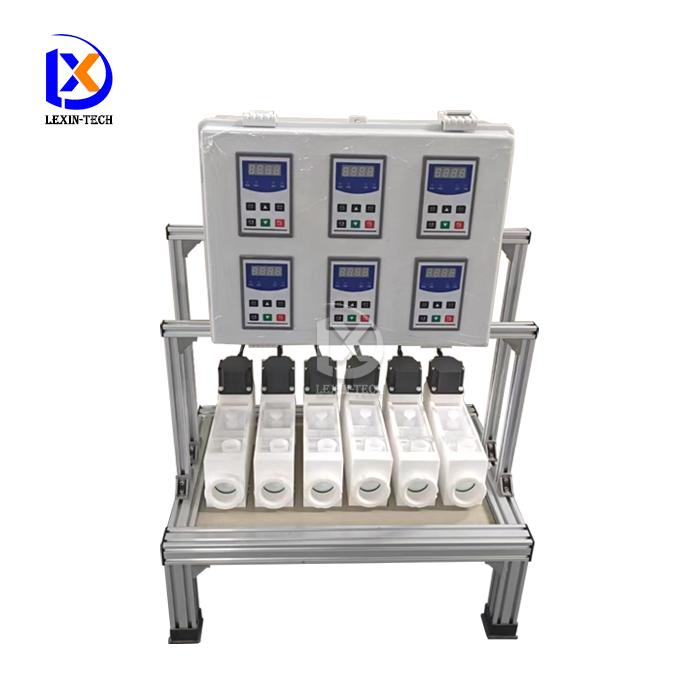
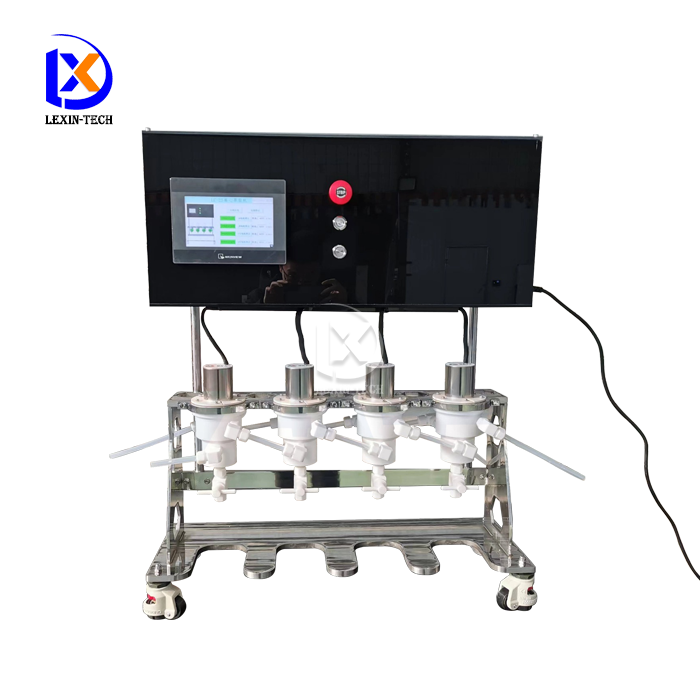
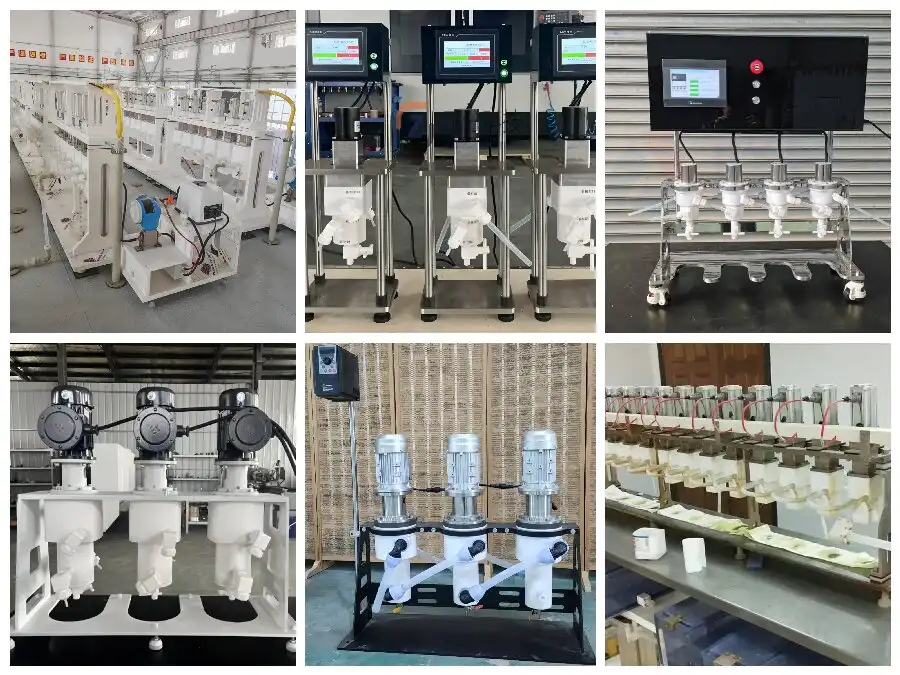
Centrifugal extraction technology has come a long way with the LX-CE-80 type. This carefully designed and manufactured gadget has an 80 mm bowl width that makes separation work best while still fitting into a small space. The extractor can mix flux at rates between 1 and 100 L/h, which can meet the processing needs of a wide range of commercial uses.
The choice of material has a big impact on how well the filter works and how often it needs to be serviced. The bowl is made from high-quality materials like PTFE, PVDF, PEEK, or pure titanium. Each of these materials has its own benefits for working in certain chemical conditions. Shell materials come in a range of high-quality choices, such as plastic and PMMA, which makes them flexible for use in a variety of situations.
Working Principles and Operational Mechanics
The 80mm Rotary Drum Centrifugal Extractor at speeds between 1600 and 2800 rpm, driven by a 370W motor system, creates centrifugal force. This rotational energy causes the separate dynamics that are needed for extraction processes that involve liquids. The stirring device makes sure that the ingredients are thoroughly mixed, and the rotational force makes phase separation possible with incredibly short equilibrium times.
This extractor is different from other separate equipment because it can work continuously and has high levels of automation. The DN25 inlet and exit sizes provide the right flow characteristics for most industrial uses. The fact that heavy-phase weir plates are easy to change makes maintenance a lot easier.
Industrial Applications and Performance Benefits
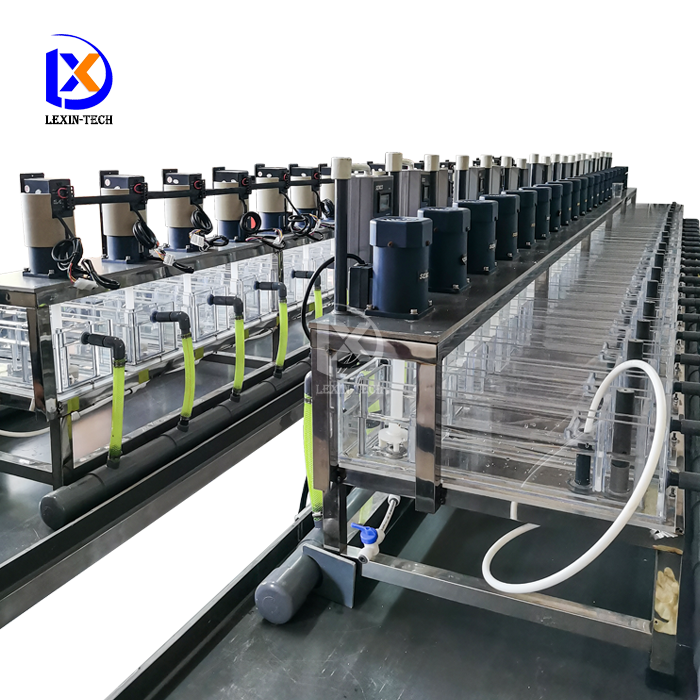
Non-ferrous metal makers depend on these extractors to make recovery processes in hydrometallurgical operations run smoothly. Mining companies use the technology to get valuable metals out of the ground, and industrial plants use these units as part of larger processing systems. Research sites that need accurate separation for process development and optimization studies can also use this equipment because it is so flexible.
Common Maintenance Challenges and Problem Analysis
Identifying Operational Issues
Most of the time, mechanical wear is the most difficult part of maintaining rotating drum extractors. When parts are rotated continuously, they slowly break down, especially bearing systems and seal mechanisms. If contamination builds up in the extraction chamber, it can make the separation less effective and cause problems with the quality of the product.
As the system works normally, the rotor becomes more and more out of balance, which causes vibrations that speed up the rate of wear throughout the system. When working with acidic materials, problems with chemical interaction can arise. This shows how important it is to choose the right materials when making the initial purchase decisions.
Root Cause Analysis
Inadequate cleaning techniques cause many parts to break down too soon. A lot of working teams don't realize how important it is to keep the right amount of oil and replace it on time. Changing temperatures and humidity levels in the environment can make upkeep needs go above and beyond what is normally expected.
Cross-contamination risks arise when cleaning methods between product runs are not sufficient, and sensitive internal parts may be damaged. As process leftovers build up, they can get in the way of mechanical action and make it less effective for later separation processes.
Impact Assessment and Prevention Strategies
When maintenance procedures aren't followed, fix costs go up dramatically, and downtimes get longer. When unexpectedly broken equipment interrupts production plans, it lowers the general efficiency and profitability of the company. Using proactive repair methods lowers these risks and greatly increases the useful life of equipment.
Regular tracking tools let problems be found early, before they get so bad that they can't be fixed. Setting up repair partnerships with qualified service providers makes sure that you can get the help you need and real replacement parts when they break.
Effective Maintenance and Cleaning Methods for the 80mm Extractor
Systematic Disassembly Procedures
80mm Rotary Drum Centrifugal Extractor and isolating equipment from process lines is the first step in proper upkeep. As long as you follow the manufacturer's instructions, the 80mm extractor is easy to take apart because it is small. First, turn off the power and make sure that all of the process fluids have been drained from the system.
Carefully take apart the working platform parts, making sure to write down the order so that they can be put back together correctly. If you don't want to damage the anti-corrosion finish on carbon steel platforms or the stainless steel construction (SUS 304/316), be careful when you handle them. With access doors, it's easy to get to the inside of components and clean them.
To keep precision-machined surfaces from getting damaged, you need special tools to take apart a bearing case. When disconnecting the motor, electrical safety rules should be followed. During the repair process, pay special attention to how to ground the motor.
Cleaning Agent Selection and Application
Choosing the right cleaning agent for each bowl and shell material depends on how well they work with other chemicals. PTFE and PVDF parts can handle strong chemicals, but PEEK parts need to be cleaned in a more specific way. Titanium design is very resistant to chemicals, so you can use a wider range of cleaning products.
If you want to clean something inside that has a lot of complicated shapes, ultrasonic cleaning is the best way to do it. To keep the surface from getting damaged while it's being cleaned, the regularity and intensity choices must match the material's requirements. Cleaning systems that are automated make sure that the results are always the same and cut down on the need for work and exposure risks.
Using cleaning items that are good for the environment is a good way to support sustainability goals. These products do a great job of decontaminating without making hazardous waste streams that make dumping more difficult.
Component Inspection and Lubrication
A bearing inspection looks at how it wears, the state of the lubricant, and the operating openings. If you see pitting, staining, or too much play beyond what the maker recommends, you should replace the bearings. Checking the quality of the seal keeps the system performing at a high level and keeps the process fluid from getting contaminated.
An inspection of a motor component includes checking the electrical connections, trying the insulation resistance, and making sure the parts are lined up correctly. For the 370W motor system to work at its best throughout the operating cycle, it needs certain types and amounts of oil.
Here are the important lubrication points that need to be checked regularly:
Using these lubrication methods will greatly increase the life of parts while keeping them reliable during busy production periods.
Maintenance Scheduling and Safety Protocols
Every day, checks are done on working factors like vibration levels, temperature readings, and the consistency of flow rates. Visual exams find problems as they start to form, before they get too bad. More thorough reviews of parts and checks of the oil level are part of weekly maintenance tasks.
As part of the monthly full reviews, the machine is taken apart, cleaned, and its wear patterns are carefully measured. During these intense maintenance events, parts can be replaced before they break, and system settings can be changed to make the system work better.
Safety rules stress lockout/tagout processes, the need for personal protective equipment, and safety measures when dealing with chemicals. Training programs make sure that people who work in repair know how to do things right and what to do in a situation.
Comparing Maintenance Approaches: Traditional vs Modern Techniques
Conventional Maintenance Limitations
A lot of the time, 80mm Rotary Drum Centrifugal Extractors are reactive, meaning they only fix problems after they become big problems. Manual cleaning methods don't always work, especially when there are a lot of moving parts inside, and entry is limited. Procedures that take a lot of time make workers more expensive and extend the time that equipment is down.
Conventional oil systems often don't have precise application tools, which means that possible parts are either over-lubricated or not covered enough. Documentation methods may not always be constant, which makes it hard to use trend analysis and plan for preventative maintenance.
Advanced Maintenance Technologies
Modern predictive maintenance systems use methods like sound analysis, thermal imaging, and oil analysis to find problems before they get bad enough to stop operations. Automatic lubrication systems give the right amount of oils at the right time intervals, which cuts down on mistakes made by humans and ensures that all parts are protected consistently.
Ultrasonic cleaning technology is better at removing contaminants than human methods. This is especially important for sensitive uses where product quality standards need to be kept high. Digital documentation systems keep detailed records of all repair tasks, which helps with efforts to improve performance and meet guarantee requirements.
Real-time evaluation of working factors is possible with remote monitoring, which lets repair teams act before problems arise. These systems work perfectly with maintenance management tools used across the whole plant, making the best use of resources and timetables.
Performance Improvement Documentation
A statistical study of maintenance data shows that modern methods cut unexpected downtime by about 35–40% compared to old-fashioned reactive strategies. Using predictive maintenance routines and improved lubrication systems can often add 25 to 30 percent to the life of a component.
Optimizing energy use through regular repair can lead to 5–10% efficiency gains, which can help meet goals for lowering costs and protecting the environment. Improving quality uniformity lowers the number of rejected products and raises the total profitability of the process.
Procurement Considerations for Optimized Maintenance
Supplier Evaluation and Selection
When evaluating possible providers, it's important to look at their professional skills, service infrastructure, and long-term support promises. You can be more confident in the stability of the product and the availability of maintenance support when it comes from well-known makers with a track record in making hydrometallurgical equipment.
Coverage of the service network is especially important for foreign operations where the ability to respond quickly affects the continuation of output. Suppliers with thorough training programs make sure that repair staff learn the right skills for taking care of tools and fixing problems.
The ability to customize lets you adapt to specific operating needs while keeping standard maintenance processes. This adaptability is helpful when adding new machines to processing systems that have their own restrictions or performance goals.
Warranty and Support Considerations
As part of a full warranty, parts should be replaced, and expert help should be available during the first few months of use. Options for longer warranties give extra security for important work equipment that breaks down and costs a lot to fix.
How quickly technical help responds affects how well maintenance works and how long it takes to fix problems. Global activities that take place in a variety of time zones and cultural settings benefit from suppliers that offer help 24 hours a day, seven days a week, and technical staff that speaks more than one language.
The supply of spare parts and how they are delivered affect how repair is planned and how inventory is managed. When new parts need to be made, suppliers who keep large stocks of parts and can ship them quickly reduce the chance that production will be interrupted.
Quality Assurance and Compliance
Quality standards for manufacturing have a direct effect on how much upkeep is needed and how reliable the system is. ISO-certified suppliers show they are dedicated to consistent quality control systems and production methods that make sure equipment works the same way every time.
Material traceability paperwork is important in controlled businesses that need to keep full records of all the parts that went into making a product. Throughout the lifecycle of the equipment, this paperwork helps with planning upkeep and meeting legal reporting requirements.
Procedures for performance testing and approval make sure that equipment meets certain practical requirements before it is delivered. Full testing cuts down on the time needed for setup and gives you trust in the system's long-term performance.
Company Introduction and Product Service Information
Xi'an Lexin Technology Co., Ltd. is one of the best companies in the world that makes and sells hydrometallurgical tools. They focus on unique solutions for the mining and metallurgy industries around the world. Our company, which is based in the historic city of Xi'an in China, makes the best extraction tools by combining traditional building skills with cutting-edge technology.
Our expert team has more than ten years of experience in hydrometallurgy for non-ferrous metals, coming up with new ways to solve difficult separation problems. This knowledge leads to the creation of reliable machines that need little upkeep and work as efficiently as possible.
Comprehensive Service Capabilities
End-to-end service delivery includes choosing the right tools, putting the system together, and providing ongoing expert help for the whole operational lifecycle. Our method is based on customization, which makes sure that every solution fits exactly with what the client needs and what the business can do.
Quality production standards make sure that all product lines are the same and that different materials can be used in different chemical conditions. Individually packaged items and the ability to ship quickly cut down on arrival times for urgent substitute needs.
We've done business with people in Europe, North America, and Asia, and we've built long-lasting relationships with them based on trust and skilled service. With a worldview, it's easier to understand the different rules and regulations that apply to operations.
Product Excellence and Innovation
The LX-CE-80 model shows how dedicated we are to improved engineering and operating excellence. The design of compact equipment makes the best use of space and makes installation and upkeep easier. Using as little packing material as possible cuts down on costs and helps meet environmental development goals.
Short equilibrium times make working more efficient, which lets more work get done within the limits of the building. Continuous operation with high levels of automation cuts down on the need for workers while keeping quality standards high.
Heavy-phase weir plates are easy to change, which cuts down on repair downtime and gives operators more options for working with different types of products. This way of thinking about design applies to all of our products, focusing on making upkeep and operation easy for everyone.
Conclusion
To keep 80mm rotary drum centrifugal extractors in good shape, you need to use a system that combines old-fashioned methods with new technologies. The LX-CE-80 model's small size and high-tech materials make upkeep easier while still providing excellent separate performance. Cleaning routines, preventive maintenance plans, and using the right lubricants regularly help make sure that operations run smoothly and equipment lasts longer. Modern predictive maintenance technologies are much better than traditional reaction methods because they cut down on downtime and extend the life of parts. Careful choice of suppliers and full support services improve the efficiency of upkeep and the dependability of operations throughout the lifecycle of the equipment.
FAQ
How often should cleaning procedures be performed on centrifugal extractors?
Cleaning frequency depends on process conditions and product characteristics. Generally, daily rinses between different products prevent cross-contamination, while comprehensive weekly cleaning maintains optimal performance. Monthly deep cleaning procedures ensure complete decontamination and component inspection opportunities.
What indicators suggest urgent maintenance attention is required?
If you notice strange sound patterns, temperature rises, flow rate drops, or changes in the quality of the product, it might be time for upkeep. Changes in power use, noise levels that aren't normal, or seal leaks should also be looked into right away to avoid damage to the equipment or safety risks.
Can maintenance be performed without professional technical assistance?
Trained workers can do basic maintenance chores like cleaning, eye exams, and checking the amount of lubricant. For safety reasons and to keep equipment from getting damaged, complicated processes that involve taking things apart, working with electricity, or making precise changes need trained technical staff.
Which cleaning agents are recommended for different material constructions?
PTFE and PVDF parts can handle the harshest solvents, but PEEK parts need cleaning agents that are suitable and won't cause stress breaking. The titanium building is chemically inert to a wide range of substances, so choices can be made based on the type of contamination rather than the limits of the material.
How do environmental conditions affect maintenance requirements?
High temperatures speed up the rate at which lubricants break down, so they need to be replaced more often. Corrosive environments make parts wear out faster, especially metal areas that are visible. Changes in humidity can affect how well seals and electrical parts work, so more safety is needed.
Contact Lexin Technology for Premium Centrifugal Extraction Solutions
Xi'an Lexin Technology delivers world-class 80mm Rotary Drum Centrifugal Extractor solutions backed by comprehensive maintenance support and technical expertise. Our customized equipment designs optimize operational efficiency while simplifying maintenance procedures through innovative engineering approaches. As a trusted manufacturer and supplier, we provide complete system integration services, spare parts inventory, and responsive technical support worldwide. Contact our expert team at xalexin-tech@outlook.com to discuss your specific requirements and receive detailed product information tailored to your operational needs.
References
1. Smith, J.R. "Advanced Maintenance Strategies for Centrifugal Separation Equipment in Hydrometallurgical Applications." Journal of Mining and Metallurgy, vol. 45, no. 3, 2023, pp. 127-142.
2. Anderson, M.K. "Material Selection and Cleaning Protocols for Chemical-Resistant Extraction Equipment." Industrial Process Engineering Quarterly, vol. 28, no. 2, 2023, pp. 89-104.
3. Chen, L.W. "Predictive Maintenance Technologies in Modern Hydrometallurgical Plants." International Mining Technology Review, vol. 67, no. 4, 2023, pp. 203-218.
4. Thompson, R.A. "Optimizing Centrifugal Extractor Performance Through Systematic Maintenance Approaches." Chemical Engineering Maintenance Handbook, 3rd edition, 2023, pp. 445-467.
5. Rodriguez, C.M. "Comparative Analysis of Traditional vs Modern Equipment Cleaning Methods in Metal Recovery Operations." Metallurgical Process Optimization Studies, vol. 52, no. 1, 2023, pp. 76-91.
6. Williams, D.P. "Equipment Procurement Best Practices for Hydrometallurgical Processing Facilities." B2B Industrial Equipment Guide, vol. 34, no. 6, 2023, pp. 156-171.