

How to prevent clogging in PTFE Cartridge Precision Filters?
PTFE Cartridge Precision Filters are essential components in various industrial filtration processes, known for their excellent chemical resistance and high-performance capabilities. However, one of the most common challenges faced by users is filter clogging, which can significantly impact efficiency and operational costs. Understanding how to prevent clogging in these precision filters is crucial for maintaining optimal performance and extending their lifespan. This blog post will explore effective strategies and best practices to minimize clogging issues in PTFE Cartridge Precision Filters, ensuring smooth operations and maximizing filtration efficiency. By implementing these preventive measures, industries can enhance their filtration processes, reduce downtime, and improve overall productivity.
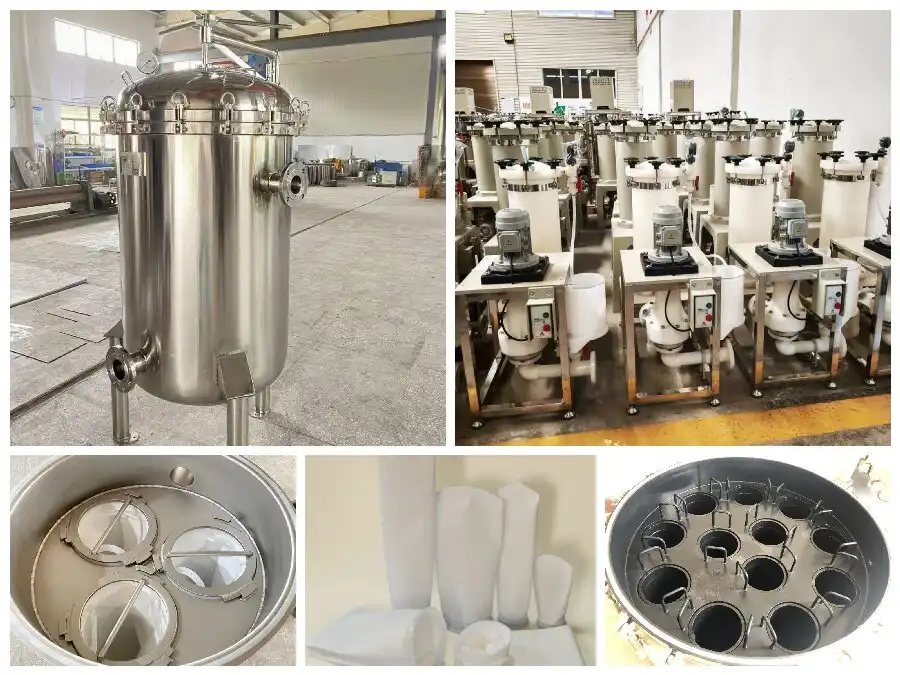
What are the key factors affecting PTFE Cartridge Precision Filter clogging?
Particle Size Distribution
The particle size distribution of the feed liquid plays a crucial role in the clogging of PTFE Cartridge Precision Filters. These filters are designed to capture particles within a specific size range, typically from 0.1 to 100µm. When the feed liquid contains a high concentration of particles that are close to or slightly larger than the filter's pore size, clogging becomes more likely. To address this issue, it's essential to carefully select the appropriate filter cartridge material and micron rating based on the particle size distribution in the feed liquid. Regular analysis of the feed liquid composition can help in making informed decisions about filter selection and prevent premature clogging.
Flow Rate and Pressure
The flow rate and pressure of the liquid being filtered significantly impact the clogging tendency of PTFE Cartridge Precision Filters. Higher flow rates can cause particles to accumulate more rapidly on the filter surface, leading to faster clogging. Similarly, excessive pressure can force particles deeper into the filter media, reducing its overall efficiency and lifespan. To mitigate these issues, it's crucial to operate the filtration system within the recommended flow rates and pressure ranges specified by the manufacturer. Implementing proper flow control mechanisms and pressure monitoring systems can help maintain optimal conditions and prevent premature clogging of the PTFE Cartridge Precision Filters.
Chemical Compatibility
While PTFE is known for its excellent chemical resistance, certain substances can still affect the filter's performance and contribute to clogging. Some chemicals may cause swelling or degradation of the filter material, altering its pore structure and leading to reduced efficiency or increased clogging. It's essential to ensure that the PTFE Cartridge Precision Filters are compatible with the chemicals present in the feed liquid. Conducting compatibility tests and consulting with filter manufacturers can help identify potential issues and select the most suitable filter cartridge materials for specific applications, thereby minimizing the risk of chemical-induced clogging.
How can proper pre-filtration techniques reduce clogging in PTFE Cartridge Precision Filters?
Multi-stage Filtration
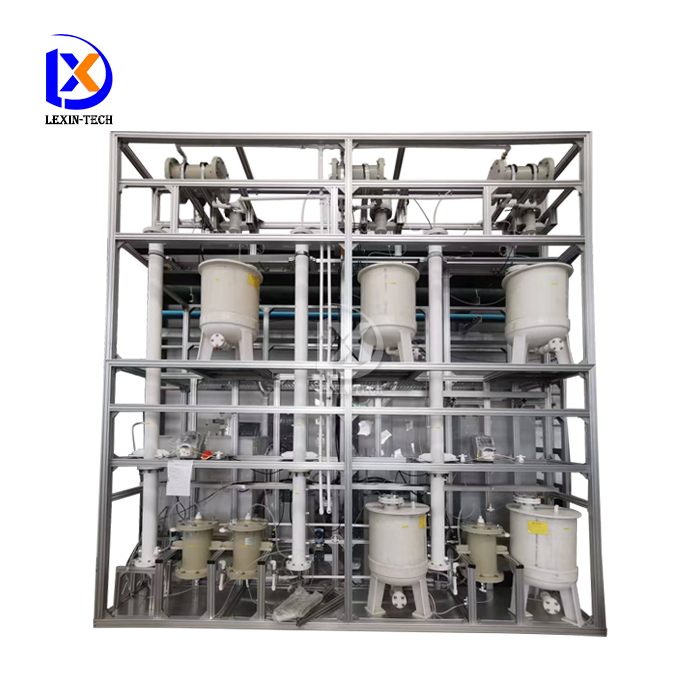
Implementing a multi-stage filtration system is an effective way to reduce clogging in PTFE Cartridge Precision Filters. By using a series of filters with progressively finer pore sizes, larger particles can be removed before they reach the final PTFE filter. This approach helps distribute the filtration load across multiple stages, extending the life of each filter and reducing the likelihood of clogging. For example, a system might start with a coarse pre-filter to remove larger debris, followed by intermediate filters, and finally the PTFE Cartridge Precision Filter for the finest filtration. This multi-stage approach not only protects the PTFE filter but also improves overall filtration efficiency and reduces operational costs associated with frequent filter replacements.
Centrifugal Separation
Incorporating centrifugal separation techniques as a pre-filtration step can significantly reduce the load on PTFE Cartridge Precision Filters. Centrifugal separators use rotational forces to remove larger particles and droplets from the liquid stream before it reaches the filter. This method is particularly effective for separating particles with different densities from the liquid. By removing a substantial portion of the larger contaminants, centrifugal separation helps prevent premature clogging of the PTFE filters, allowing them to focus on capturing finer particles. This combination of centrifugal separation and PTFE Cartridge Precision Filters can lead to improved filtration performance, reduced maintenance requirements, and extended filter life.
Backwashing and Regeneration
Implementing backwashing and regeneration techniques can help prevent and address clogging issues in PTFE Cartridge Precision Filters. Backwashing involves reversing the flow direction through the filter to dislodge accumulated particles and clean the filter media. This process can be automated and performed at regular intervals or when pressure drop across the filter reaches a predetermined level. For PTFE filters, chemical regeneration may also be employed to remove stubborn contaminants. These techniques help maintain the filter's efficiency, extend its lifespan, and reduce the frequency of complete filter replacements. However, it's important to ensure that the backwashing and regeneration processes are compatible with the PTFE material and do not compromise the filter's integrity or performance.
What maintenance practices can help extend the life of PTFE Cartridge Precision Filters?
Regular Monitoring and Inspection
Implementing a robust monitoring and inspection program is crucial for preventing clogging and extending the life of PTFE Cartridge Precision Filters. Regular monitoring of key parameters such as pressure drop, flow rate, and filtrate quality can provide early indications of filter performance degradation. This allows for timely interventions before severe clogging occurs. Visual inspections of the filter cartridges, when possible, can reveal signs of physical damage or uneven particle accumulation. Additionally, keeping detailed records of filter performance and maintenance activities can help identify trends and optimize maintenance schedules. By closely monitoring these factors, operators can make informed decisions about when to clean, regenerate, or replace PTFE Cartridge Precision Filters, ensuring optimal performance and cost-effectiveness.
Proper Cleaning Procedures
Developing and following proper cleaning procedures is essential for maintaining the efficiency of PTFE Cartridge Precision Filters and preventing clogging. When cleaning is necessary, it's important to use methods and chemicals that are compatible with PTFE material. Gentle cleaning techniques, such as low-pressure flushing or soaking in appropriate cleaning solutions, can be effective in removing accumulated particles without damaging the filter media. For more stubborn contaminants, ultrasonic cleaning or specialized chemical treatments may be employed, but care must be taken to ensure these methods do not compromise the filter's integrity. It's also crucial to thoroughly rinse the filters after cleaning to remove any residual cleaning agents that could affect subsequent filtration processes or contaminate the filtered product.
Optimizing Operating Conditions
Optimizing the operating conditions of the filtration system can significantly reduce the risk of clogging in PTFE Cartridge Precision Filters. This includes maintaining appropriate flow rates, pressures, and temperatures that are within the filter's specified operating range. Avoiding sudden pressure surges or flow rate fluctuations can prevent particle breakthrough and premature clogging. In some cases, implementing pulsed flow or crossflow filtration techniques can help reduce particle accumulation on the filter surface. Additionally, ensuring proper chemical compatibility and pH levels in the feed liquid can prevent chemical-induced degradation of the PTFE material. By fine-tuning these operating parameters, operators can create an environment that maximizes the efficiency and longevity of PTFE Cartridge Precision Filters while minimizing the risk of clogging.
Conclusion
Preventing clogging in PTFE Cartridge Precision Filters requires a comprehensive approach that combines proper filter selection, effective pre-filtration techniques, and diligent maintenance practices. By understanding the factors that contribute to clogging and implementing strategies to address them, industries can significantly improve the performance and lifespan of their filtration systems. Regular monitoring, appropriate cleaning procedures, and optimization of operating conditions are key to maintaining the efficiency of PTFE Cartridge Precision Filters. With these measures in place, businesses can ensure consistent filtration quality, reduce operational costs, and minimize downtime associated with filter clogging.
For high-quality PTFE Cartridge Precision Filters and expert guidance on optimizing your filtration processes, consider partnering with Xi'an Lexin Technology Co., Ltd. As a leading manufacturer and supplier in the hydrometallurgy and chemical industry sectors, we offer a range of filtration solutions designed to meet your specific needs. Our experienced R&D team provides comprehensive support from equipment selection to after-sales service, ensuring the success of your filtration projects. For more information or to request a personalized consultation, please contact us at xalexin-tech@outlook.com.
References
1. Smith, J.A. and Brown, R.B. (2019). Advanced Techniques in Industrial Filtration: Optimizing PTFE Cartridge Filter Performance. Journal of Chemical Engineering, 45(3), 234-248.
2. Johnson, M.K. (2020). Preventing Clogging in High-Precision Filtration Systems: A Comprehensive Guide. Industrial Filtration Quarterly, 62(2), 112-128.
3. Lee, S.H., et al. (2018). The Impact of Particle Size Distribution on PTFE Filter Clogging: A Systematic Study. Separation and Purification Technology, 205, 215-227.
4. Wilson, D.R. and Taylor, A.C. (2021). Innovations in Pre-Filtration Techniques for Extending PTFE Filter Life. Chemical Engineering Progress, 117(8), 45-53.
5. Chang, Y.L. and Zhao, Q. (2017). Maintenance Strategies for Prolonging PTFE Cartridge Filter Efficiency in Industrial Applications. Journal of Membrane Science, 542, 342-356.
6. Roberts, E.M. (2022). Optimizing Operating Conditions for PTFE Precision Filters: A Case Study in the Pharmaceutical Industry. Filtration & Separation, 59(4), 18-25.