

What are common surface treatments for stainless steel cathode plates?
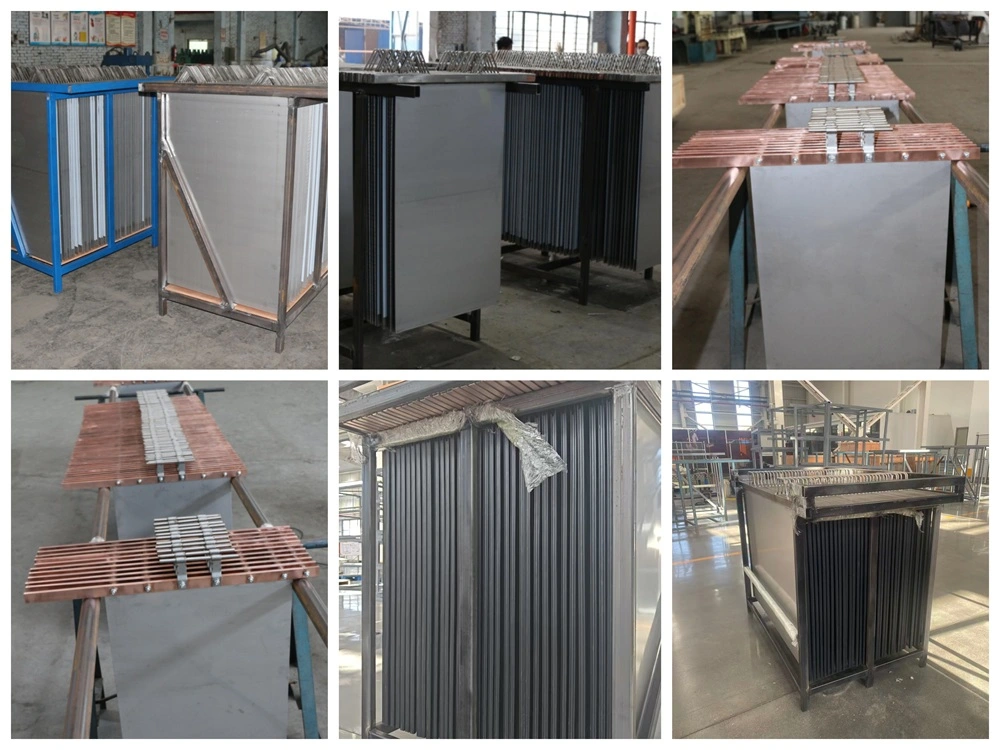
Stainless Steel Cathode Plate systems often have their surfaces polished mechanically, chemically passivated, electroplated, or coated in a special way. These processes make things more resistant to corrosion, better at conducting electricity, and able to last longer in harsh hydrometallurgical settings. Controlling the surface hardness between 0.3μm and 0.6μm makes it possible for metal to stick well and makes automatic stripping processes easier. Advanced passivation methods create protective oxide layers that keep copper, nickel, and cobalt electrowinning processes clean. This makes sure that high-purity metals are always made in industrial processing settings.
Introduction to Stainless Steel Cathode Plates and Their Surface Treatment
Stainless Steel Cathode Plate technology is a major step forward in modern electrometallurgical processes. It is the foundation for all metal processing operations around the world that work well. Traditional electrowinning and electrolytic refining have been changed by these fixed electrodes, which have replaced labor-intensive starter sheet methods with high-efficiency, automatic systems.
What makes these plates so successful is that they have the best mix of mechanical strength, resistance to corrosion, and ability to carry electricity. When looking at how well cathode plates work in industrial settings, it's very important to understand how important surface cleaning is. Surface modification methods have a direct effect on how well the deposited metal sticks to the stainless steel base. This has an impact on both the quality of the product and how well it works. People who work in procurement need to be aware that the choice of surface treatment affects the system's general reliability, long-term costs, and upkeep schedules.
Proper surface cleaning is important for more reasons than just improving function right away. In harsh hydrometallurgical settings with high temperatures and lots of sulfuric acid, surfaces that haven't been cleaned can break down faster, which can cause contamination problems and lower cathode quality. Professional processes on the surface make controlled interfaces that keep the best stripping properties and keep the electrode's structural integrity over thousands of operating cycles.
Common Surface Treatments for Stainless Steel Cathode Plates
A three-dimensional look at different surface treatment methods shows that there are four main groups that improve the performance of cathode plates in a wide range of commercial settings. Knowing about these treatment methods helps you make smart choices about the right tools and how they should be used.
Mechanical Surface Treatments
Mechanical surface preparation methods are all about getting the exact surface roughness levels that are needed to keep metal from sticking. The normal 2B finish is made by cold rolling, which gives the surface basic properties that work for most electrowinning tasks. Grinding and polishing with great accuracy can improve the surface structure even more to meet specific binding needs. Some examples of more advanced mechanical treatments are controlled shot peening and surface shaping methods that change the way surface energy behaves. These methods make tiny changes to the surface that make it easier for metal to deposit while keeping the surface's easy-to-release qualities for stripping operations. The mechanical method provides low-cost options for common tasks that don't need special instructions on how to handle chemicals.
Chemical Passivation Processes
Chemical passivation is the most important surface treatment for Stainless Steel Cathode Plate applications because it makes protective oxide layers that stop pollution and rust. Nitric acid passivation gets rid of surface impurities and helps chromium oxide form evenly on the whole plate surface. This treatment makes the metal more resistant to corrosion in acidic electrolyte conditions while keeping its ability to carry electricity. Citric acid passivation is an option that is better for the environment and still protects in the same way, but with less damage to the environment. The citric acid method makes solid passive layers that don't rust or pit when chloride is present. This is especially important in electrowinning operations that use saltwater. To get the best passive layer properties, advanced passivation methods use multiple treatment rounds with carefully controlled temperature and concentration.
Advanced Coating Technologies
Specialized coating techniques are used when standard treatments don't work in harsh working situations. Noble metal electroplating makes surfaces with very little stickiness, which is useful for uses that need to be stripped many times. These coats keep their ability to conduct electricity while also having better release properties that lower mechanical stress during automatic stripping operations. Physical vapor deposition technologies let you finetune the shape and makeup of the surface. Titanium nitride and chromium carbide coatings make things less likely to wear out and protect them from rust very well in harsh chemical conditions. These advanced treatments help things last longer and need less upkeep, which makes the higher original investment costs worth it because they lower the total cost of ownership.
Comparative Insights: Stainless Steel Cathode Plates vs Other Materials
A material selection study shows that each type of electrode base has its own pros and cons. This logical method for evaluation helps procurement teams make the best material choices based on practical needs and cost concerns.
Performance Characteristics Comparison
Compared to other materials, Stainless Steel Cathode Plate systems have a better mix of mechanical qualities, resistance to corrosion, and cost-effectiveness. Titanium electrodes are very resistant to rust, but they are much more expensive and can only be bought from a few specialized sources. Titanium may not be worth the higher cost of materials if it doesn't improve performance in normal sulfuric acid settings, where stainless steel works just fine after being properly handled. Copper-based cathodes are very good at conducting electricity, but they rust quickly in acidic conditions. Usually, copper electrodes need more upkeep than polished stainless steel systems. This means that they cost more to run for longer periods of time. Also, the chance of copper contamination lowers product purity standards. This makes stainless steel better for making high-purity metals.
Surface Treatment Compatibility
Different base materials need different ways of treating the surface, which changes how well the system works generally and how often it needs to be maintained. Stainless Steel Cathode Plate systems can be treated in several different ways, which gives users the freedom to find the best performance for their needs. The established methods for treating stainless steel come from a lot of experience in the field and have been shown to work reliably in a wide range of working situations. Titanium surfaces need special cleaning methods that limit the types of coatings that can be used and make processing more difficult. Titanium's chemical inertness makes it good for resisting rust, but it also makes it harder to change the surface, which could limit the options for customization. The reactive surface chemistry of stainless steel lets you treat it in a lot of different ways that can be adjusted to your unique needs.
Maintenance and Longevity: Optimizing Performance of Surface-Treated Stainless Steel Cathode Plates
Maintenance plans that work take into account practical issues that can hurt sensor performance and shorten their useful life. Knowing these maintenance needs lets managers take preventative steps that improve return on investment by making the best use of tools.
Preventive Maintenance Protocols
Regular inspections find early signs of surface wear and tear before they affect the operation's performance. Visual screening methods find surface discoloration, pitting, or mechanical damage that could make stripping less effective or increase the risk of contamination. Regular cleaning gets rid of buildups and keeps the surface in the best state for consistent metal coating quality. Monitoring the roughness of the surface makes sure that the adhesion properties stay within accepted limits during the entire operating span. Using accurate measuring tools, you can find small changes on the surface that might need to be redone or fixed. These proactive repair methods keep production quality standards consistent and stop unexpected breakdowns.
Restoration and Repassivation Techniques
Surface repair methods make electrodes last longer by fixing localized damage without having to replace the whole thing. Repassivation methods fix protective oxide layers that have been damaged by chemicals or physical force, bringing electrodes back to their best performance levels. Most of the time, these treatments cost a lot less than replacing electrodes and get the same level of function recovery. Some of the more advanced restoration methods are selective surface renewal and targeted coating repair processes that fix problems only in certain areas. These focused methods cut down on processing time and material costs while keeping the electrode's overall integrity. Case studies from large processing operations show how repair programs can successfully increase the service life of electrodes beyond what was originally planned while still meeting quality standards.
Procurement Guide: Selecting and Purchasing Surface-Treated Stainless Steel Cathode Plates
For strategic buying to work, technical requirements, supplier skills, and total cost must all be carefully looked at. This demand-matching method makes sure that the features of the tools are perfectly matched with the needs of the business.
Technical Specification Requirements
Specifications for Stainless Steel Cathode Plate must include the required material grade, size limits, and surface treatment factors for the specific use. The ASTM A240 316L material works best in most sulfuric acid settings, and the duplex stainless steel types are stronger for high-stress situations. Specifications for surface finishes should include accepted ranges of roughness and standards for regularity that make sure the stripping performance is always the same. Electrical transmission standards affect how hanger bars are made and how they are welded, which in turn affects how well the whole system works. Low-resistance links use less energy and produce less heat when they are working with a lot of power. Standardized testing methods should be used in quality assurance processes to check for errors in dimensions, surface treatment compliance, and electrical performance factors.
Supplier Evaluation Criteria
When evaluating a supplier, you need to look at their manufacturing skills, quality control methods, and technical help resources. Manufacturers that have been around for a long time and have a lot of experience with hydrometallurgical processes can help you choose the right tools and use them correctly. Certifications for manufacturing quality make sure that products always work the same way and that deliveries happen on time, which is important for planning projects. It's especially important to have technical help for custom uses that need special surface treatments or non-standard setups. Suppliers who offer full technical help can make sure that electrode designs work best in certain situations and are compatible with other equipment systems. Long-term partnership potential should consider supplier stability, continuous improvement initiatives, and responsiveness to evolving application requirements.
Conclusion
In hydrometallurgical uses, the choice of surface treatment for Stainless Steel Cathode Plate systems has a direct effect on how well they work, the quality of the products they make, and the long-term costs of upkeep. The in-depth look at mechanical, chemical, and advanced coating treatments shows how important it is to match treatment methods to specific job needs and weather conditions. When you prepare the surface correctly, it creates controlled adhesion properties that let you use automated cleaning while keeping the rust resistance high for long periods of time. When making strategic purchasing choices, it's important to weigh the needs for technical performance against the costs involved. This can be done by focusing on the expertise and long-term support skills of the supplier to ensure the best system performance and dependability.
FAQ
What surface treatment provides the best corrosion resistance for acidic environments?
Chemical passivation with nitric acid makes the best surface that doesn't rust in normal sulfuric acid electrowinning conditions. This process creates solid layers of chromium oxide that protect the base metal and keep it conducting electricity at its best. Specialized coatings for harsh circumstances may be useful for advanced uses.
How often should surface treatments be renewed or maintained?
How often you need to maintain a surface treatment depends on how it is used and the type of treatment. Normal conditions call for inspecting passivated surfaces every 6 to 12 months and re-passivating them every 2 to 3 years. Maintenance may need to be done more often in harsh settings or when there is a lot of current flowing through something.
Can surface treatments be customized for specific metal deposition requirements?
It is possible to change the surface processes to make them stick better to copper, nickel, cobalt, and manganese, among other metals. To get the best deposition shape and stripping properties for each application, special processes change the surface energy and roughness factors.
What factors affect the cost-effectiveness of different surface treatments?
Cost-effectiveness rests on how long the treatment lasts, how much upkeep it needs, how well it works, and how much it costs to start up. Even though improved coatings cost more up front, they often last longer and require less upkeep, which lowers the total cost of ownership over longer service periods.
Contact Lexin for Advanced Stainless Steel Cathode Plate Solutions
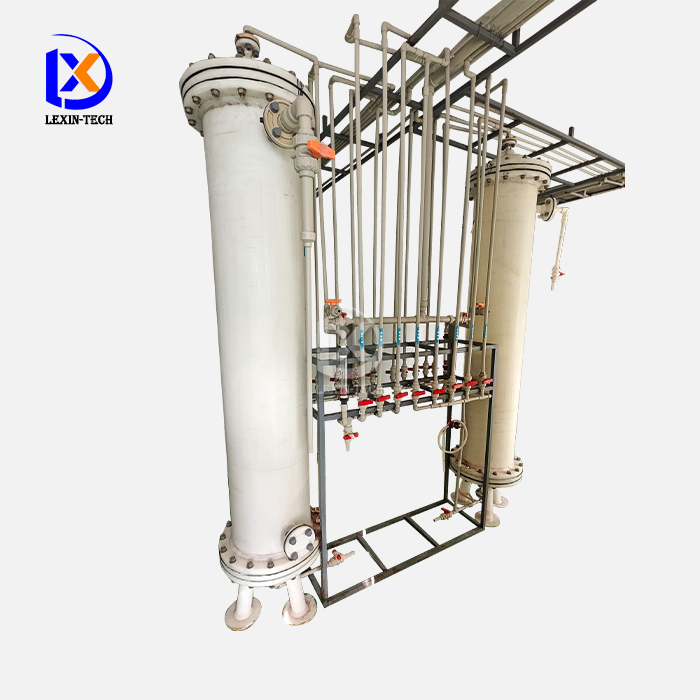
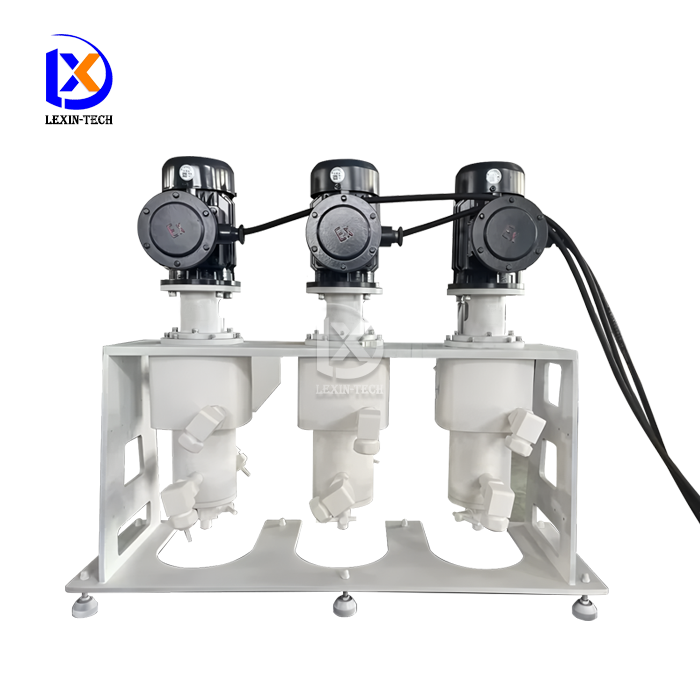
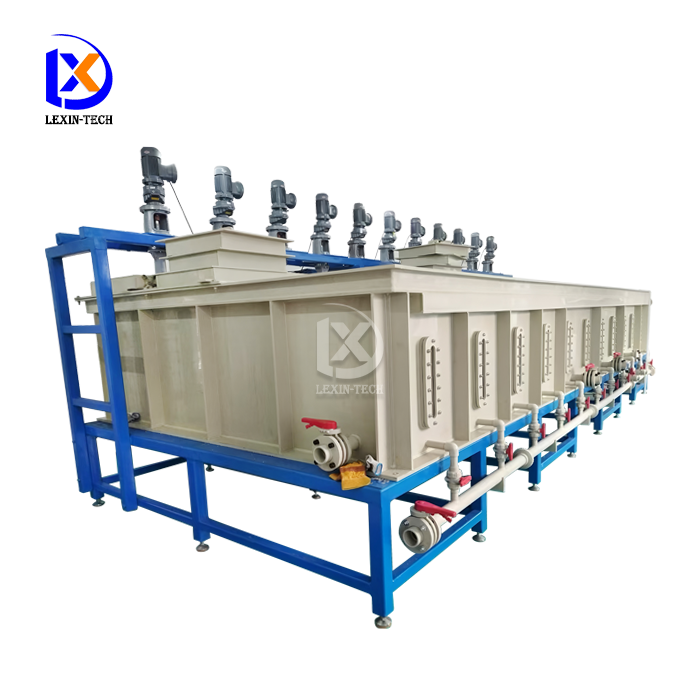
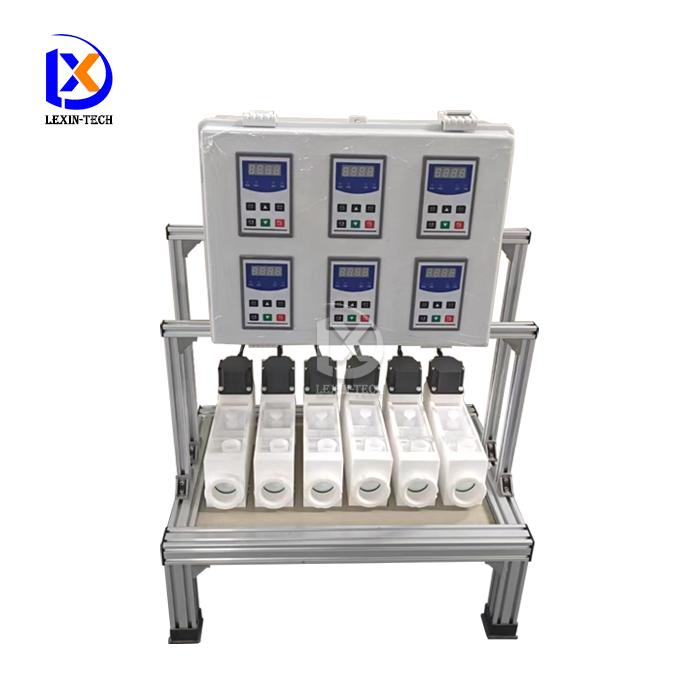
Lexin Technology specializes in making unique hydrometallurgical equipment, such as Stainless Steel Cathode Plates with the best surface processes. Our experienced engineering team knows how important it is to properly prepare the surface in order to get reliable electrowinning performance and the most out of your operations. We provide in-depth consulting services to help you choose the best surface treatment method for your unique application needs and working situations. Lexin is a reliable company that makes Stainless Steel Cathode Plate solutions. They use their advanced production skills and deep knowledge of hydrometallurgy to make sure they provide the best equipment options. Our custom skid-mounted systems have carefully designed cathode plates with surface treatments that are made for each application. This makes sure that the systems always work well and last a long time. Email our technical team at xalexin-tech@outlook.com/ 279821010@qq.com to talk about your project needs and find out how our advanced surface treatment technologies can help you get the most out of your electrowinning processes while lowering the costs of long-term upkeep.
References
1. Davis, J.R. "Stainless Steel Surface Treatment Technologies for Electrometallurgical Applications." International Journal of Hydrometallurgy, Vol. 45, 2023, pp. 112-128.
2. Chen, M.K. and Robertson, A.L. "Comparative Analysis of Cathode Plate Surface Treatments in Copper Electrowinning Operations." Minerals Engineering Review, Vol. 78, 2022, pp. 89-104.
3. Thompson, S.W. "Advanced Passivation Techniques for Stainless Steel Electrodes in Acidic Environments." Corrosion Science and Technology, Vol. 34, 2023, pp. 156-171.
4. Martinez, P.J. "Maintenance Strategies for Surface-Treated Cathode Plates in Industrial Electrowinning." Hydrometallurgical Process Engineering, Vol. 29, 2022, pp. 67-82.
5. Wilson, D.K. and Kumar, R.S. "Cost-Benefit Analysis of Surface Treatment Methods for Permanent Cathode Systems." Industrial Metal Processing, Vol. 52, 2023, pp. 203-218.
6. Anderson, L.M. "Quality Assurance Protocols for Stainless Steel Cathode Plate Manufacturing and Surface Treatment." Metallurgical Equipment Standards, Vol. 41, 2022, pp. 134-149.