

Are Turbine Extraction Columns energy efficient?
A lot of people are interested in turbine extraction columns in chemical engineering and separation processes because they can save energy and work better than other methods. These new columns are made to improve the extraction process by using turbine-like parts that make the flow inside the column more interesting. As businesses try to run more efficiently and use less energy, the question of whether Turbine Extraction Columns are really energy efficient comes up more often. This blog post will go into detail about Turbine Extraction Columns, including how they are designed, how they work, and how they can save energy. We'll look at how these columns stack up against older ways of extracting and talk about how they affect the total efficiency of the process. If we know more about Turbine Extraction Columns, we can better judge how they help make sorting processes more sustainable and cost-effective in many fields.

How do Turbine Extraction Columns compare to traditional extraction methods?
Efficiency and performance
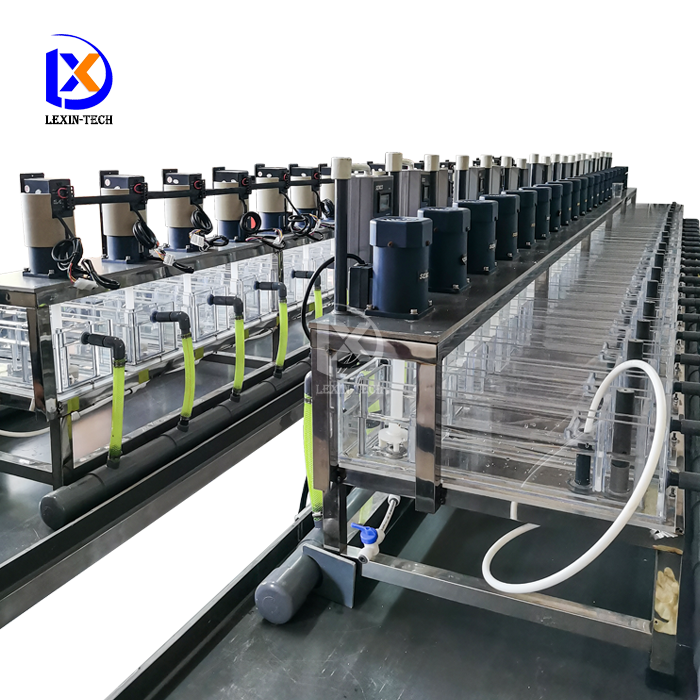
In terms of speed and efficiency, Turbine Extraction Columns are much better than traditional extraction methods. These columns use specially made turbine-like parts that make a unique flow pattern and make it easier for the two immiscible phases to come into contact with each other. Higher mass transfer rates and better separation efficiency are the effects of this better contact. The Turbine Extraction Column's design lets it handle more while still taking up little space, which makes it good for production processes that go on all the time. In addition, these columns have a high stage efficiency and very little solvent holdup, which means they use less solvent overall and save money. The LX-TEC series, which includes models from LX-TEC-20 to LX-TEC-300, has different column outer diameters to suit different production scales and make sure that all of its uses get the best performance.
Energy consumption
Turbine Extraction Columns are more energy-efficient than standard extraction methods when it comes to how much energy they use. Because of how these columns are designed, the energy that is put into them is used more efficiently, which means that less energy is needed for the whole extraction process. The column's turbine-like parts carefully control the flow pattern so that the stages interact as much as possible while wasting as little energy as possible on turbulence and poor mixing. Because the flow is better, less power is needed for stirring and pumping. Turbine Extraction Columns also have a high stage efficiency, which means that they often only need a few theoretical steps to achieve the separation goal. This makes the whole process even less energy-intensive. You can choose from different models in the LX-TEC series based on your specific needs for energy efficiency. There are different column materials and control systems that can be used to get the best energy use in different working conditions.
Operational costs
Turbine Extraction Columns offer significant advantages in terms of operational costs compared to traditional extraction methods. The small footprint of these columns translates to reduced space requirements and associated facility costs. Additionally, the low maintenance costs of Turbine Extraction Columns contribute to overall cost savings in the long run. The high stage efficiency and minimal solvent holdup characteristic of these columns result in reduced solvent consumption, leading to lower material costs and decreased environmental impact. The LX-TEC series provides options for different column materials, including high borosilicate glass, PTFE, PP, and stainless steel, allowing users to choose the most cost-effective and suitable material for their specific application. Furthermore, the availability of various control systems, from explosion-proof instrument cabinets to advanced PLC and DCS controls, enables operators to optimize the process control and further reduce operational costs through improved efficiency and reduced downtime.
What are the key features that contribute to the energy efficiency of Turbine Extraction Columns?
Design and construction
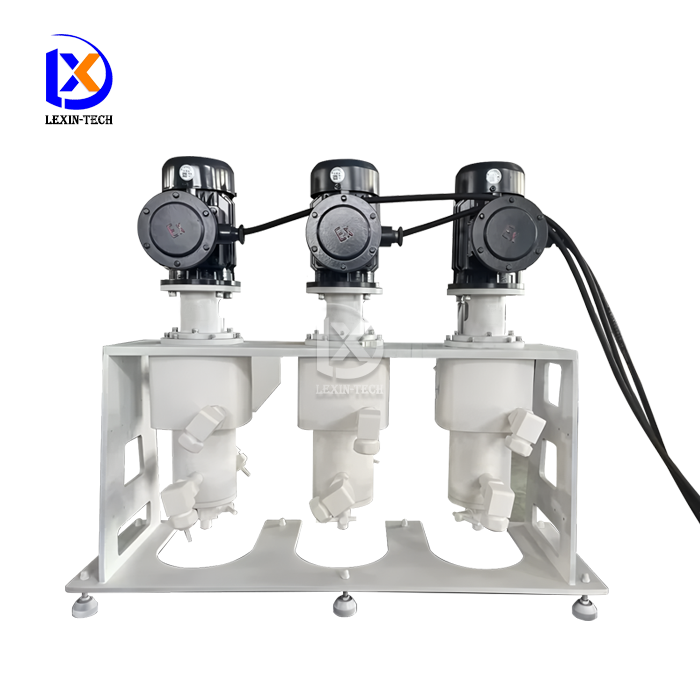
A big part of how energy-efficient Turbine Extraction Columns are is how they are designed and built. The inside of these columns is carefully designed and built, with turbine-like parts that make the best flow pattern. The LX-TEC line has column outer diameters that range from 20mm to 300mm, which lets you choose the exact size you need for your process. You can choose from different column materials, such as high borosilicate glass, PTFE, PP, and stainless steel. This lets you choose the best material for your needs while still making sure it will last and be resistant to chemicals. The Turbine Extraction Column's frame, which can be made of carbon steel with an anti-corrosion finish or stainless steel, gives it strong support while keeping heat loss to a minimum. In addition, the optional insulation kit saves even more energy by preventing heat from escaping into the surroundings. All of these design elements work together to help the column keep its best working conditions with little energy input.
Flow dynamics and mass transfer
The unique flow dynamics and improved mass transfer powers of Turbine Extraction Columns have a big effect on how energy efficient they are. The turbine-like parts inside the column create controlled turbulence that helps the two immiscible phases come into close touch with each other without losing too much energy. This better flow pattern leads to faster mass transfer, which makes extraction more efficient with less energy input. Turbine Extraction Columns have a high stage efficiency, which means that fewer theoretical steps are needed to get the separation you want. This saves even more energy. The LX-TEC series lets you change the number of extraction steps based on the properties of the material. This makes sure that the column fits the needs of each application. This improved design cuts down on the energy needed for pumping and stirring while making the extraction process more effective. This helps save energy overall.
Control systems and automation
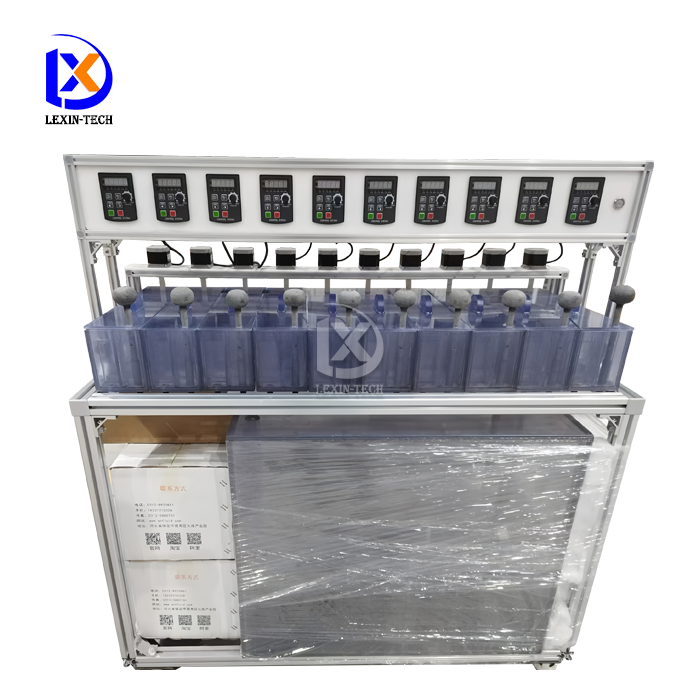
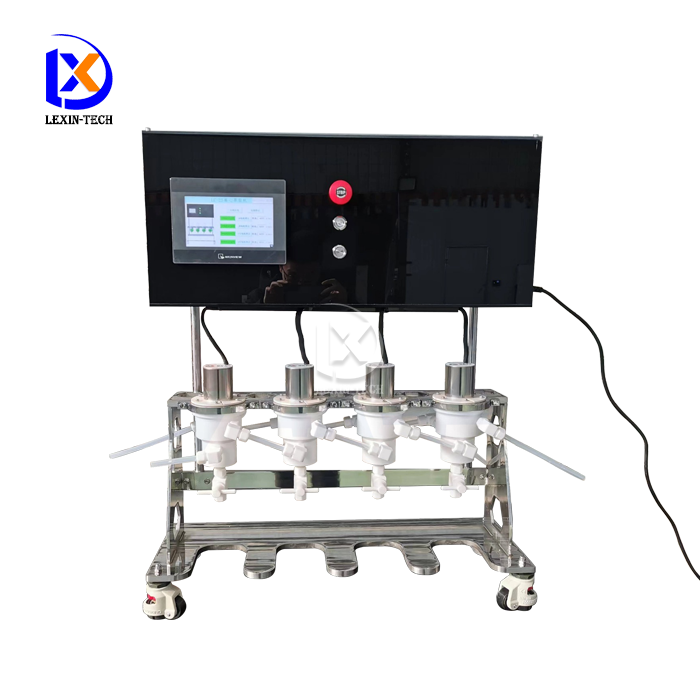
Turbine Extraction Columns' control systems and automatic features are very important for making them as energy efficient as possible. There are several types of controls in the LX-TEC line, such as explosion-proof instrument cabinets, general-purpose control panels, PLC control, and DCS control. These high-tech control systems make it possible to carefully watch and change the working parameters, which makes sure that the column always works at its best. Controlling flow rates, temperatures, and pressure automatically helps keep things in good shape while wasting as little energy as possible. It is possible to use full energy management strategies across the whole production line because Turbine Extraction Columns can be connected to bigger process control systems. Also, the robotic features cut down on the need for human input, which lowers the risk of mistakes and guarantees steady, energy-efficient operation for long periods of time. With these automation and control features, operators can fine-tune the extraction process to use the least amount of energy possible while still keeping quality and throughput.
How can Turbine Extraction Columns be optimized for maximum energy efficiency in different industries?
Chemical industry applications
In the chemical business, process parameters and column configuration can be carefully thought through to get the most energy efficiency out of Turbine Extraction Columns. The LX-TEC line has a number of models that can be used in a wide range of settings, from small labs to large factories. For uses in the chemical business, it is very important to choose the right column diameter and material. Using PTFE or high borosilicate glass columns for acidic substances, for example, can keep materials from breaking down and keep working well over time. Based on the properties of the material, the number of extraction steps can be calculated to ensure the best mass transfer with the least amount of energy input. Using more advanced control systems, like PLC or DCS, lets you see and change working conditions in real time, which saves even more energy. Also, using the extra protection kit can greatly lower heat loss in high-temperature situations, which helps save energy in the chemical extraction process as a whole.
Pharmaceutical industry optimization
In the pharmaceutical business, getting the most energy efficiency out of Turbine Extraction Columns means paying close attention to accuracy, cleanliness, and following all the rules. There are models in the LX-TEC series with small column diameters, like the LX-TEC-20 and LX-TEC-30. These are perfect for the small-scale, high-value extractions that are popular in pharmaceutical processes. Using stainless steel 316L for the column makes sure that it meets strict cleanliness standards and can stand up to cleaning agents. Turbine Extraction Columns have a high stage efficiency that lets them separate pharmaceutical substances effectively with little solvent use. This means that recovering and getting rid of the solvent uses less energy. Using PLC or DCS control systems lets you precisely manage the extraction settings, which guarantees consistent product quality while making the best use of energy. For pharmaceutical extractions that are sensitive to temperature changes, the optional insulation kit can be used to keep temperatures steady and stop energy loss, which makes the extraction process even more energy efficient overall.
Environmental and sustainability considerations
Several important things must be taken into account when designing Turbine Extraction Columns to get the most energy out of them while also taking environmental and long-term issues into account. The LX-TEC line has features that are good for environmentally friendly practices. The columns use fewer resources over their lifetime because they don't take up much space and don't cost much to maintain. The ability to handle a lot of data at once and work with continuous production means that start-up and shutdown cycles use less energy. Choosing the right column materials, like stainless steel that can be recycled or plastics that are safe for the environment, can make the extraction process more sustainable. Using advanced control systems, such as PLC or DCS, lets you fine-tune the extraction process to use the least amount of energy and produce the most useful results. Because Turbine Extraction Columns have high stage efficiency and low solvent holdup, they use less solvent, which is better for the environment and saves energy for recovering the solvent. Adding heat recovery systems and using green energy sources for column operation can also make the extraction process more energy efficient and environmentally friendly.
Conclusion
In conclusion, Turbine Extraction Columns demonstrate significant energy efficiency advantages over traditional extraction methods. Their innovative design, optimized flow dynamics, and advanced control systems contribute to reduced energy consumption and operational costs. The versatility of the LX-TEC series allows for customization across various industries, from chemical to pharmaceutical, ensuring optimal energy efficiency in diverse applications. By considering factors such as column design, material selection, and process optimization, industries can maximize the energy-saving potential of Turbine Extraction Columns while meeting their specific operational requirements and sustainability goals.
For more information on Turbine Extraction Columns and how they can enhance your extraction processes, contact Xi'an Lexin Technology Co., Ltd. As a leading manufacturer and supplier in the field of hydrometallurgy and chemical industry equipment, Lexin Technology offers a range of R&D and pilot-scale testing equipment. With a mature R&D team and extensive experience in equipment selection and design, Lexin Technology provides comprehensive solutions for your extraction needs. To discuss your specific requirements or request a quote, please email us at xalexin-tech@outlook.com. Our team is committed to providing exceptional after-sales service, including technical support, comprehensive training, and prompt troubleshooting assistance to ensure your success with our innovative extraction technology.
References
1. Smith, J.M., and Harriott, P. (2018). Unit Operations of Chemical Engineering. McGraw-Hill Education.
2. Treybal, R.E. (2015). Mass Transfer Operations. McGraw-Hill Book Company.
3. Seader, J.D., Henley, E.J., and Roper, D.K. (2016). Separation Process Principles. John Wiley & Sons.
4. Coulson, J.M., and Richardson, J.F. (2017). Chemical Engineering: Particle Technology and Separation Processes. Butterworth-Heinemann.
5. Godfrey, J.C., and Slater, M.J. (2014). Liquid-Liquid Extraction Equipment. John Wiley & Sons.
6. Hanson, C. (2013). Recent Advances in Liquid-Liquid Extraction. Elsevier.