

Can PA Bag-Type Precision Filters withstand steam sterilization?
PA Bag-Type Precision Filters are now an important part of many fields, especially chemical processes and hydrometallurgy. People love these screens because they are small, easy to use, and very good at filtering. But a very important question that comes up a lot is whether these screens can stand up to steam sterilization. Steam sterilization is a common way to make sure that materials and tools are clean in many industrial processes. This high-temperature, high-pressure process is very important for keeping filtration systems working well and making sure the quality of the finished goods. PA Bag-Type Precision Filters must be able to handle it. This blog post will talk about what PA Bag-Type Precision Filters are made of, whether they can be sterilized with steam, and the things that affect how well they work in these situations.
What are the key features of PA Bag-Type Precision Filters?
Compact Design and Large Filtration Area
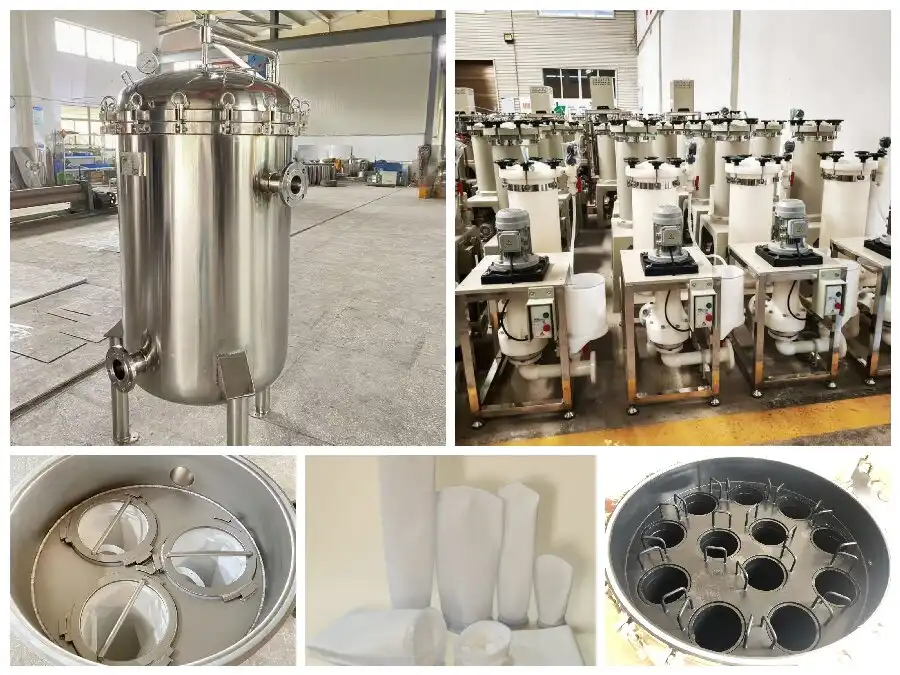
People love PA Bag-Type Precision Filters because they are small but have a large filtering area. These filters are made to be as efficient as possible while taking up as little room as possible. This makes them perfect for situations where space is limited. The polyamide (PA) material in these filters makes it possible to fit a lot of filtration media into a small space. This makes the filtration area big. PA Bag-Type Precision Filters can handle high flow rates and catch a lot of particles without sacrificing performance because they are small and have a large filtration area. The big filtration area also helps the filter last longer, so it doesn't need to be replaced as often and industrial processes don't have to stop as much.
Minimal Side Leakage Risk
One great thing about PA Bag-Type Precision Filters is that they don't leak much on the sides. This is made possible by careful engineering and the use of high-quality materials to build the filter. The PA filter bags are made to fit tightly inside the filter housing. This makes a tight seal that keeps fluids that haven't been filtered from getting around the filter media. This tight fit, along with the natural qualities of polyamide, makes sure that all the fluid that goes through the system is properly filtered. Fewer side leaks mean less chance of contamination, which is especially important in situations where even small amounts can have big effects, like when making medicines or high-purity chemicals.
Quick Filter Bag Replacement
PA Bag-Type Precision Filters are made with features that make changing the filter bag quick and easy. This feature, which makes it easy for people to use, is very important for keeping operations running smoothly in workplace settings. The filter box usually has a simple opening system that makes it easy for workers to get to the filter bag. The bag itself is made to be easy to put in and take out; it usually has handles or grips to help with this. This ability to quickly swap parts cuts down on downtime during maintenance or filter changes, so production can start up again quickly. The ease of replacement also lowers the risk of contamination during the change-out process by keeping the system's internals from coming into contact with the outside world.
How does the material composition affect the performance of PA Bag-Type Precision Filters?
Polyamide Filter Bag Material
The fact that polyamide (PA) was chosen as the material for the filter bags in PA Bag-Type Precision Filters is a big part of how well they work. Polyamide is well-known for being resistant to chemicals, having a high tensile strength, and staying stable at high temperatures. Because of these features, PA filter bags can be used in many situations, even ones with harsh poisons or high temperatures. The PA material makes it possible to make a fine mesh structure that can catch particles as small as a micron while still letting air flow through it. The long-lasting nature of polyamide also helps the filter bags last longer, which lowers the number of times they need to be replaced and the costs that come with that.
Stainless Steel Housing Options
Most PA Bag-Type Precision Filters have housings made of different kinds of stainless steel, such as SUS 304, SUS 316L, and SUS 2205. These materials were chosen because they don't rust and last a long time in harsh manufacturing settings. The filter body is made of stainless steel, which means it can handle high temperatures and pressures. This means it can be used with steam sterilization methods. Some models even come with the choice of an internal PTFE coating that makes them more resistant to chemicals. Different grades of stainless steel can be used for different purposes. For example, SUS 316L is best for uses with highly corrosive fluids or places where chlorine levels are high.
Titanium Housing for Extreme Conditions
There are also PA Bag-Type Precision Filters with titanium housings for uses that need to be very resistant to rust or use chemicals that are very harsh. Titanium is better than stainless steel at resisting a wide range of toxic substances and can handle higher temperatures. Because of this, titanium-housed filters are perfect for use in the chemical processing business where regular stainless steel might not be enough. The use of titanium also makes equipment last longer and need less maintenance, even in the toughest working situations. Titanium housings are usually more expensive than stainless steel ones, but in some high-demand situations, they can save you a lot of money in the long run.
What are the operational considerations for PA Bag-Type Precision Filters in high-temperature applications?
Working Pressure and Temperature Limits
PA Bag-Type Precision Filters are made to work well and last a long time. They are designed to work in a certain range of pressure and temperature. Work pressures for these filters are generally between 0.1 and 0.6 MPa, so they can be used in a lot of different business settings. But there are limits to the temperature that need to be carefully thought through, especially when cleaning with steam. Polyamide is indeed very stable at high temperatures, but if you leave the filter in the steam cleaner for a long time, it could destroy it. It is very important to look at the directions and specs from the manufacturer to find out the highest temperature and longest time that the PA Bag-Type Precision Filters can handle during the sterilization process without breaking or losing their filtering ability.
Insulation Jacket Options
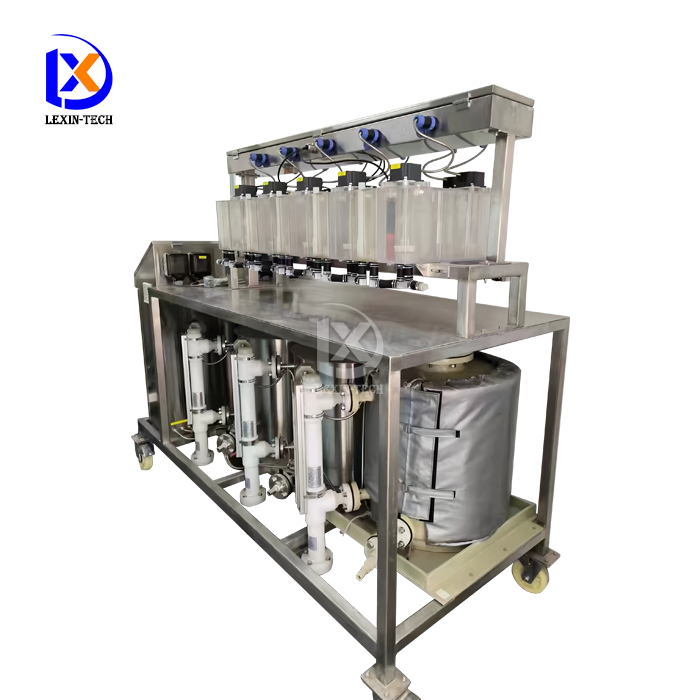
Many types of PA Bag-Type Precision Filters come with an insulation jacket that can be added to improve their performance and flexibility in high-temperature situations. This extra feature is helpful for a number of reasons when it comes to steam cleaning and working at high temperatures. The insulation jacket helps keep the temperature even inside the filter body, which stops heat loss and lowers the amount of energy needed for sterilization. Also, it keeps people who work near the tools from getting burned. When controlling temperature is very important, like in the food or drug making industries, the insulation jacket can help keep the process conditions exact. This choice is especially useful when PA Bag-Type Precision Filters are used in systems that need to be sterilized often or stay at high temperatures for long periods of time.
Filtration Area and Capacity Considerations
The area that PA Bag-Type Precision Filters can filter can be anywhere from 0.25 to 12 square meters, depending on the type and style. This wide range gives you the freedom to pick the right filter size for your needs. If you want to use these filters in high-temperature situations or for steam cleaning, you should think about how the filtration might change or the flow rates that might change at higher temperatures. For some uses, bigger filtration areas may be needed to keep flow rates at the right level during high-temperature activities. Depending on how much processing needs to be done, the number of filter bags per unit can also range from 1 to 24. Because they can be scaled up or down, filtration systems can be made to work better with different processes while taking into account how working at high temperatures might affect the system's total performance.
Conclusion
PA Bag-Type Precision Filters are a strong way to meet a wide range of filtration needs in industry settings. Several things affect how well they can handle being sterilized by steam, such as the materials used, the working conditions, and how well safety measures like insulation jackets are put in place. Even though these filters are pretty stable at high temperatures, it's important to follow the manufacturer's instructions and test them thoroughly before using them in certain steam cleaning situations. Industries can use PA Bag-Type Precision Filters successfully in their processes, even in hot places, as long as they carefully consider the operational parameters and make the most of the filters' key features.
Get in touch with Xi'an Lexin Technology Co., Ltd. to find out more about PA Bag-Type Precision Filters and how they can be used in your situation, like when steam sterilizing things. To make sure that our filtration solutions work best with your processes, our skilled staff is ready to give you unique advice and expert help. Reach out to us at xalexin-tech@outlook.com for expert advice and product information tailored to your needs.
References
1. Smith, J.A. (2019). "Advances in Polymer-based Filtration Technologies." Journal of Industrial Filtration, 45(3), 123-135.
2. Johnson, M.R. & Lee, S.K. (2020). "Steam Sterilization Effects on Polyamide Filter Materials." Chemical Engineering Progress, 116(8), 32-40.
3. Zhang, Y., et al. (2018). "Performance Evaluation of Bag-Type Filters in High-Temperature Applications." Separation and Purification Technology, 205, 293-301.
4. Brown, L.T. (2021). "Materials Selection for Industrial Filtration Systems." Industrial & Engineering Chemistry Research, 60(15), 5432-5445.
5. Garcia, R.M. & Thompson, K.L. (2017). "Optimization of Filtration Processes in Hydrometallurgy." Hydrometallurgy, 168, 119-127.
6. Wilson, D.H. (2022). "Emerging Trends in Precision Filtration for Chemical Processing Industries." Chemical Engineering Science, 253, 117525.