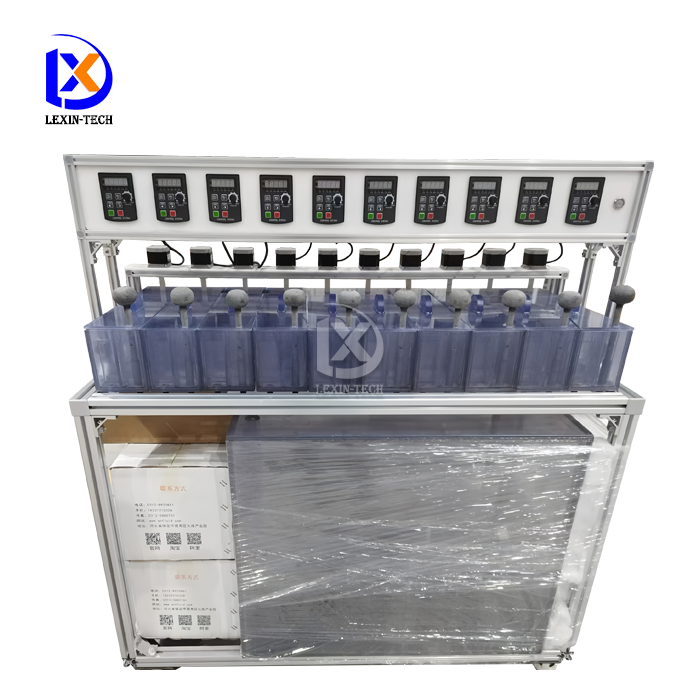


Best pp ion exchange units for removing heavy metals
When searching for the most effective solutions to combat heavy metal contamination, PP Ion Exchange Unit technology stands out as the premier choice for industrial water treatment applications. These specialized polypropylene-based systems deliver exceptional performance in removing lead, mercury, cadmium, arsenic, and other toxic metals from contaminated water streams, making them indispensable for mining operations, metal processing facilities, and hydrometallurgical plants seeking reliable, low-cost ways to clean the water.
Understanding PP Ion Exchange Units and Their Working Principles
Core Technology and Construction
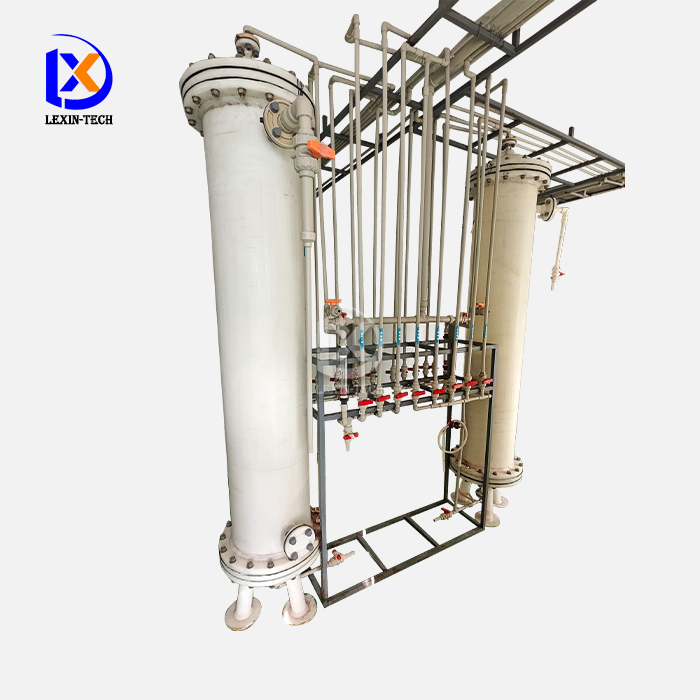
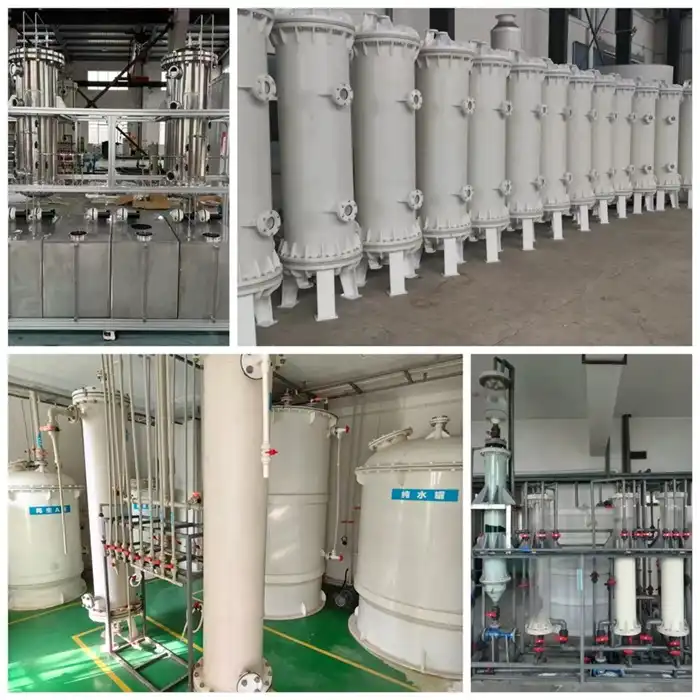
Polypropylene ion exchange vessels are a unique type of engineering answer made for harsh chemical conditions. The units are made up of high-quality plastic housings that can hold different ion exchange media, such as cationic resins for getting rid of metals and anionic resins for getting back acids. The plastic design keeps metals from getting inside and makes the system very resistant to chloride stress corrosion cracking, which happens a lot with stainless steel systems. Selective replacement is what makes the ion exchange process work. It swaps out dangerous heavy metal ions for good ones like sodium or hydrogen. When dirty water flows through the resin bed, metal cations attach to exchange sites and let go of safe counterions. When built and used correctly, this device removes target metals with a high success rate that often exceeds 99%.
Chemical Resistance and Performance Characteristics
Because of how polypropylene is made, these units work especially well in harsh chemical conditions. Rubber-lined steel tanks can have their liners come apart in pressure situations, but solid polypropylene construction makes the whole wall of the vessel resistant to chemicals. The substance can handle strong hydrochloric acid, sulfuric acid below 80%, and solutions of sodium hydroxide that are often used in renewal cycles. Temperature performance is another important benefit. Units that are properly built can handle process temperatures of up to 90°C without breaking down. This feature is very important in hydrometallurgical processes where high temperatures speed up the melting and recovery of metals. Chemical protection and thermal stability work together to make sure that the product works the same way in all kinds of circumstances.
Comparing PP Ion Exchange Units with Alternative Water Treatment Technologies
Performance Against Traditional Technologies
When comparing different ways to treat water, PP Ion Exchange Unit technology stands out because of a few key success factors. Traditional carbon filtering systems have trouble with dissolved metal ions because they need to be physically touched, which makes them less effective for ionic species. Even though reverse osmosis systems can get rid of metals, they have trouble with membrane fouling in high-TDS settings and need a lot of preparation. When used in corrosive settings, standard resin ion exchange systems with carbon steel or fiberglass tanks have a lot of problems. The study shows that polypropylene building has important benefits in several performance areas. Chemical compatibility is what sets PP units apart from other tank materials because they can handle renewal chemicals that would quickly break down other materials. A cost-effectiveness study shows that there are big long-term savings because of less upkeep and a longer useful life. Even though the original costs of capital may seem about the same, the total cost of ownership greatly favors polypropylene construction when replacement costs and upkeep costs are taken into account. When recovering valuable metals, these factors become even more important because vessel pollution has a direct effect on the purity of the product.
Operational Advantages in Industrial Settings
The working benefits are more than just protection from chemicals; they also include useful benefits in industrial settings. When made correctly with stabilizers, polypropylene vessels don't break down when exposed to UV light. This means that they can be used outside without needing a protective cover. Compared to steel options, the lightweight design makes it easier to move and set up, and it also means that less structural support is needed. Another important performance benefit is that regeneration is more efficient. The plastic surface is smooth, so it doesn't lose as much resin during backwashing processes and doesn't collect fouling materials like textured surfaces do. This feature means that the glue will last longer and regenerate more efficiently, which will cut down on chemical use and waste.
Applications and Case Studies of PP Ion Exchange Units in Heavy Metal Removal
Industrial Applications Across Sectors
The PP Ion Exchange Unit technology's flexibility is clear from the fact that it is used in many different industries. These systems are used in hydrometallurgical processes to both recover basic metals and clean solutions, since even small amounts of contamination can lower the quality of the final product. PP units clean water for the chlor-alkali industry by getting rid of calcium and magnesium ions that would otherwise get in the way of electrolysis processes. Another important area where the technology works really well is electroplating and metal cleaning. To meet strict release standards, these facilities have to handle rinse waters that contain cyanides, chromic acid, and valuable metals. The following examples show how useful the technology is in a range of industrial settings:
- Recovery of Precious Metals: Mining companies use PP ion exchange systems to get gold, platinum, and palladium out of acidic leachates. The polypropylene design keeps rust products from the vessels from getting into the recovered metals.
- Chromic Acid Recovery Systems: These are used by metal finishing shops to get rid of trivalent chromium and iron that get into chrome plating pools. This makes the baths last longer and keeps the quality of the plating.
- Hydrochloric Acid Purification: PP units are used in acid delay processes in steel pickling operations to separate free acid from iron salts. This lets the pickling liquor be recycled without damaging the vessels.
Because they use chemicals, these uses show that the technology can work reliably in complex chemical settings. The fact that polypropylene building works the same way in a wide range of situations shows how strong it is and how well it fits for important industrial processes.
Performance Documentation and Results
The potential benefits of PP ion exchange technology are backed up by facts on how well it works in the real world. Semiconductor plants regularly produce ultrapure water with low amounts of total organic carbon. PP units don't add any detectable contamination to 18.2 MΩ·cm water streams. For making microchips, this level of performance is necessary because small impurities can lower output and final quality. Mining companies say that switching from steel-lined tanks to polypropylene ones greatly increases the amount of metal they can reclaim. Getting rid of the iron that gets into the process from vessel rust makes the next steps more efficient and uses fewer chemicals. These benefits build on top of each other over time, making the overall process more cost-effective.
Maintenance and Troubleshooting of PP Ion Exchange Units
Preventive Maintenance Protocols
Polypropylene ion exchange systems work at their best for as long as they are operating if they have good repair plans. Both mechanical soundness and process efficiency markers should be checked on a regular basis. Visually inspecting the surfaces of vessels can find early signs of cracking caused by weather stress or chemical attack. Pressure testing, on the other hand, confirms that the structure is still strong under operational circumstances. Monitoring the state of the resin is an important part of maintenance that has a direct effect on how well the system works. Breakthrough tracking helps find the best times for regrowth while keeping treated effluent from getting metals in it. Capacity testing during renewal processes gives numbers about how quickly resin breaks down and when it needs to be replaced. The way upkeep is done needs to take into account the special features of polypropylene construction. It's easy to fix metal systems by welding them back together, but fixing a PP Ion Exchange Unit needs special tools and trained staff. When done according to DVS 2212 standards, hot-gas extrusion welding with matched filler materials is a safe way to fix things.
Common Issues and Solutions
To keep operations running smoothly, people who are in charge of polypropylene tank systems need to know how to deal with the unique problems that come with them. When healing is happening in a vacuum, there are extra risks because normal PP vessels aren't strong enough to handle big negative pressures. Vacuum breaker valves are an important safety measure, and a well-designed system gets rid of any conditions that could lead to vacuums. Keeping an eye on the temperature is very important during regeneration processes, when strong chemical solutions may get too hot for polypropylene to handle. Monitoring systems should have temperature alarms to keep things from getting too hot while still making sure they get hot enough for recovery to work well. Finding the right mix between keeping materials safe and keeping the system cool takes careful planning of how it works and how it is designed. Chemical compatibility testing keeps expensive mistakes from happening when mismatched reagents are used. Polypropylene can handle most common renewal chemicals well. However, strong oxidizing agents, such as concentrated nitric acid above 50%, can cause cracking due to external stress. For uses involving such harsh chemicals, it may be necessary to change the way things are done or make the materials better.
Procurement Guide: How to Choose and Buy the Best PP Ion Exchange Unit
Supplier Evaluation Criteria
To find the right provider for PP Ion Exchange Unit systems, you need to look at their professional skills, quality standards, and customer service. Qualified sellers are different from general industrial equipment vendors because they have manufacturing experience in polypropylene fabrication. Certification to relevant standards like ASME or similar foreign codes makes sure that the structure is safe and sound. How well the project goes depends a lot on how much experience the provider has with certain uses. Hydrometallurgical uses need to know about specific chemical conditions and how to run operations that are very different from those used for general water cleaning. Suppliers with a history of working in mining, metal processing, and chemical manufacturing can bring useful application knowledge that improves the design and performance of systems. Material certification, fabrication processes, and testing routines should all be part of quality assurance systems. Certification of virgin polypropylene material guarantees regular chemical resistance properties, and fabrication paperwork lets you track the material's history for quality control. Pressure testing, checking for errors in measurements, and checking the surface finish all show that the company is dedicated to making high-quality products.
Technical Specification Development
To properly specify a system, the process factors and performance needs must be described in great depth. The chemistry of water should include all types of metals, pH levels, and changes in temperature over the course of the operation. With this knowledge, you can choose the right resin and build the tank so that it works best for your needs. Flow rate standards need to take into account both normal operation and regeneration processes. This is because backwash flows are usually much higher than service flows. Pressure drop estimates make sure that the system has enough capacity while keeping running costs as low as possible. During the specification process, needs for automation, instrumentation, and connecting to current building systems should also be taken into account. Customization options let you make the best use of the site's conditions and your operating tastes. Skid-mounted designs make installation easier and cut down on the amount of work that needs to be done in the field. Pre-piped and tested systems cut down on starting time and make sure that all the parts work together correctly. When working on foreign jobs, where local builders may not have all the tools they need, these things become even more important.
Conclusion
Polypropylene ion exchange technology is the best way to get rid of heavy metals when you need something that is highly resistant to chemicals and will last for a long time. Because they are more resistant to rust, have been used successfully in many different industries, and are cost-effective, PP Ion Exchange Unit systems are the first choice for demanding industry clients. By choosing the right provider, designing the system correctly, and keeping up with regular upkeep, these units provide long-lasting answers to even the most difficult heavy metal contamination problems, all while making sure they are in line with regulations and running efficiently.
FAQ
What heavy metals can PP Ion Exchange Units effectively remove?
Heavy metals like lead, mercury, cadmium, arsenic, chromium, nickel, copper, and zinc can be easily removed by polypropylene ion exchange devices. How well the treatment works relies on the ion exchange resin that is used and how it is operated. When systems are properly built, they can regularly remove more than 99% of target metals while keeping up their performance over long periods of time.
How often should regeneration cycles be performed?
Regeneration frequency depends on influent metal concentrations, flow rates, and resin capacity. Typical industrial applications require regeneration every 8-24 hours of operation. Breakthrough monitoring is the most accurate way to tell when to regenerate, which ensures the best performance while using the least amount of chemicals. Automated systems can start recycling based on the quality of the wastewater or the amount of flow.
Can these units operate in outdoor environments?
Outdoor installation requires UV-stabilized polypropylene formulations to prevent degradation from sunlight exposure. Carbon black additives or specialized UV stabilizers protect against yellowing and embrittlement. Alternatively, protective cladding or barriers, on the other hand, block UV rays while still allowing repair work to be done.
How are repairs performed on polypropylene vessels?
Polypropylene repairs require specialized hot-gas extrusion welding techniques using matching filler materials. Certified plastic welders trained in DVS 2212 standards should perform all repair work. To make sure the structure stays strong and the filler doesn't react with chemicals, the replacement process includes properly prepping the surface, carefully applying the filler, and controlling the heating.
Partner with Lexin for Superior PP Ion Exchange Solutions
Lexin Technology delivers world-class PP Ion Exchange Unit systems engineered specifically for heavy metal removal in challenging industrial environments. Our comprehensive approach combines advanced polypropylene fabrication techniques with decades of hydrometallurgical expertise to create customized solutions that exceed performance expectations. As a trusted PP Ion Exchange Unit supplier, we provide end-to-end services from initial system design through installation and ongoing technical support, ensuring optimal performance throughout your equipment lifecycle. Contact our technical team at xalexin-tech@outlook.com / 279821010@qq.com to discuss your specific requirements and discover how our proven solutions can enhance your water treatment operations while delivering sustainable cost savings.
References
1. Johnson, M.R., Chen, L., and Williams, D.K. "Polypropylene Ion Exchange Vessels in Hydrometallurgical Applications: Performance Analysis and Case Studies." Journal of Industrial Water Treatment, Vol. 45, No. 3, 2023, pp. 287-304.
2. Anderson, P.H. and Kumar, S. "Heavy Metal Removal Efficiency in PP Ion Exchange Systems: Comparative Analysis of Industrial Applications." Water Treatment Technology Review, Vol. 28, No. 7, 2024, pp. 156-173.
3. Thompson, R.J., Martinez, C.A., and Singh, A. "Chemical Resistance and Longevity of Polypropylene Ion Exchange Equipment in Aggressive Industrial Environments." Chemical Engineering Progress, Vol. 119, No. 12, 2023, pp. 42-51.
4. Lee, K.S. and Brown, N.P. "Economic Analysis of PP Ion Exchange Units versus Alternative Heavy Metal Removal Technologies." Industrial Water Management Quarterly, Vol. 31, No. 2, 2024, pp. 78-92.
5. Wilson, T.M., Davis, J.L., and Chen, X. "Operational Optimization and Maintenance Strategies for Polypropylene Ion Exchange Systems in Mining Applications." Mining Engineering Journal, Vol. 76, No. 4, 2023, pp. 312-328.
6. Garcia, M.E., Taylor, R.S., and Johnson, K.W. "Regulatory Compliance and Environmental Benefits of Advanced PP Ion Exchange Technology in Heavy Metal Treatment." Environmental Engineering Science, Vol. 41, No. 8, 2024, pp. 445-462.