

How to buy small quantities of titanium cathode plates online?
When buying Titanium Cathode Plate pieces in small amounts online, you need to carefully check the supplier's skills, technical details, and quality assurances. Today's B2B buying platforms let you connect directly with specialized makers who offer flexible minimum order amounts, unique solutions, and full technical support. The important thing is to find providers who have a history of making electrometallurgical tools, well-established quality control systems, and strong customer service systems. Success relies on carefully screening suppliers, making sure specifications are clear, and setting up reliable ways to communicate to make sure product quality meets industry standards while keeping costs low for smaller orders.
Understanding the Basics of Titanium Cathode Plates
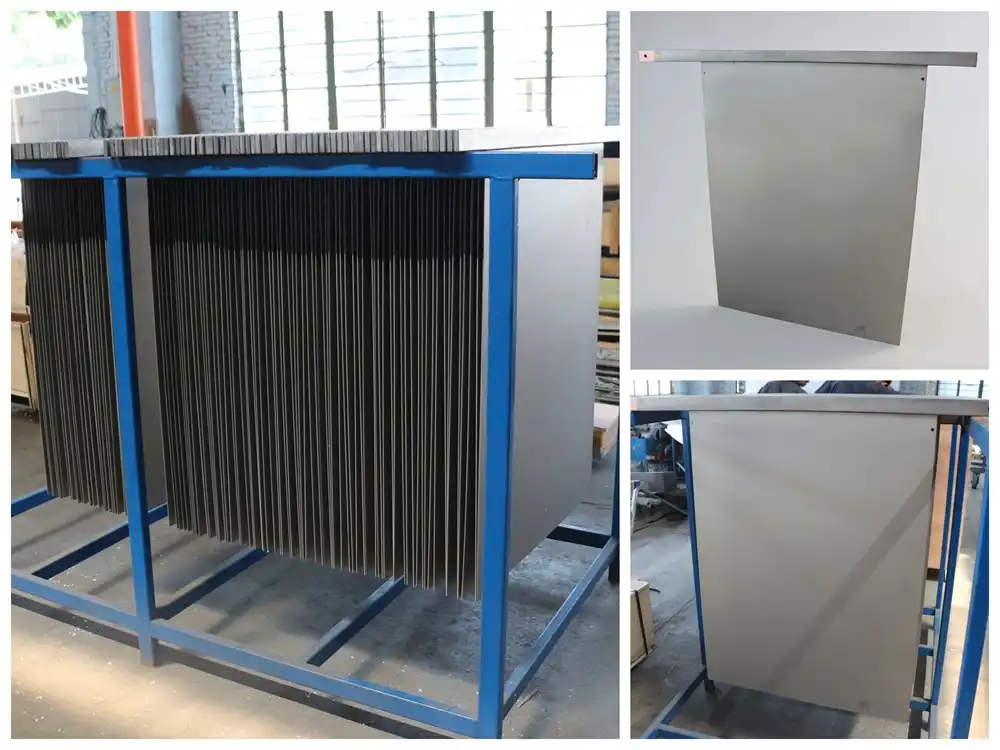
Titanium Cathode Plate technology is a big step forward in electrometallurgical processes. It can be used as a fixed electrode in many industrial settings. When it comes to solid performance in harsh conditions, these specialized parts use titanium's high chemical stability and corrosion resistance.
Core Properties and Functionality
The main idea behind titanium cathode plates is that they can be used over and over again as supports in electrolysis processes. Unlike regular starter sheets that need to be replaced often, these plates keep their structural integrity over many operating cycles. The oxide film that forms naturally on titanium's surface makes it a great splitting agent, which makes it easy to remove deposited metals mechanically without the need for extra release chemicals. The material is usually made up of high-quality titanium sheets that meet ASTM Grade 1 or Grade 2 standards. These sheets are often joined together with copper hanger bars using advanced metallurgical bonding methods. This setup makes sure that the best electrical conductivity is maintained while keeping the corrosion protection that is needed in tough chemical conditions.
Industrial Applications and Advantages
Electrometallurgical businesses depend on these parts a lot for processes like electrowinning copper, extracting cobalt, making nickel, and recovering manganese. The technology solves important operating problems, such as the high cost of labor for hand stripping, the risk of contamination, and the need to make sure that equipment lasts as long as possible. These plates make current flow more efficient and allow automatic stripping, which is especially helpful for factories that use ISA or KIDD process technologies. The physical stability features make sure that the current density distribution stays the same. This stops short-circuits that could lower the quality of output and safety standards.
Challenges in Procuring Small Quantities of Titanium Cathode Plates
Buying in small amounts comes with its own problems that need to be planned for and managed through smart source relationships. Knowing about these problems helps you get ready for them and improves the results of your sourcing.
Pricing Structure Complexities
Unit costs for small amounts are usually 30–50% higher than bulk prices. This is because set manufacturing costs are spread out over fewer units. Other factors include the need for specific wrapping, faster production schedules, and separate quality control processes that are often needed for smaller orders. For small packages, transportation and handling costs also make up a bigger part of the total cost. The costs of international shipping, customs processing, and handling are higher than the costs of big orders that can use container shipping and mass handling to save money.
Lead Time and Delivery Considerations
Due to production schedule goals that favor bigger customers, lead times for small orders are often longer than for larger orders. Smaller orders are often put together with bigger ones or scheduled for times when production isn't going on. This can cause shipping delays that can affect project timelines and operational planning. Quality control procedures may also take longer for small orders, since sellers often use stricter inspection methods to keep customers happy and uphold their reputations when working with lower volumes.
Step-by-Step Guide to Buying Small Quantities of Titanium Cathode Plates Online
A systematic method that combines expert knowledge, source review, and risk management strategies is needed for successful procurement. This thorough process guarantees the best results while reducing the chances of problems.
Technical Specification Definition
Developing precise specifications is the key to good buying. Important factors include the minimum sizes, the finish on the surface, the level of electrical resistance, and any special coatings or treatments needed for certain uses. The documentation should list the required material grade, error levels, and performance standards that are important to the use cases. Potential providers need to know about environmental factors like working temperature ranges, chemical exposure conditions, and mechanical stress factors. This knowledge helps you choose the right products and avoid problems with connectivity that could make operations less effective.
Supplier Identification and Evaluation
To do a thorough study on a provider, you need to look at their manufacturing skills, safety certifications, and customer service standards. Some important factors are having an ISO certification, knowledge in the field, access to technical help, and a history of success with related apps. Online platforms, industry listings, and professional networks are all great ways to find possible providers. Checking references and looking at case studies can help you figure out how reliable a seller is and how well a product works in real life. Testimonials from customers, technical documents, and records of certifications help prove what suppliers say and build trust in their abilities.
Price Comparison and Negotiation Strategies
A good price review looks at more than just the unit cost. It also looks at things like shipping costs, payment terms, warranty coverage, and help after the sale. To make accurate comparisons, ask for thorough quotes that spell out all the costs, shipping times, and services that are included. There may be room for negotiation when it comes to payment terms, delivery times, or joining multiple goods to get better prices. Some sellers have programs that give discounts based on the total amount of smaller orders that are made over a certain period of time.
Quality Assurance and Documentation Requirements
Because of the costs of setting up a factory and the benefits of economies of scale, many sellers have large minimum order requirements. These restrictions can make things very hard for smaller businesses, projects to make prototypes, or servicing replacements. Because making Titanium Cathode Plate units is so specialized, dedicated production runs are often needed. This makes suppliers hesitant to take orders below certain levels. Research shows that traditional sellers usually need at least 50 to 200 units of a product, but this can change based on the specs and any customization needs. Because of this, smaller buyers have to either be flexible with time, look for other providers, or think about working with other businesses to make purchases.
Tips for Ensuring Quality and Reliability When Buying Small Quantities Online
Quality control is even more important when you're buying in smaller amounts, because bad goods cost more and take up a bigger chunk of your total investment. Putting in place strong quality control processes guards against mistakes that cost a lot of money and problems with operations.
Certification Verification and Standards Compliance
Authentic approvals give you peace of mind about the quality of the product and the standards of production. Check for ISO 9001 quality management certifications, proof that the materials meet the requirements, and any other industry-specific certificates that are important to your application. Ask for copies of current certificates and, if you can, check with the organizations that issued them to make sure they are still valid. Documentation for material tracking should include mill certificates, chemical composition analyses, and reports of mechanical property tests. This information makes sure that goods meet the grades and performance standards needed for reliable use in tough settings.
Performance Testing and Validation Procedures
Thorough performance testing makes sure that the product can be used for what it was made for. Testing for corrosion resistance, measuring electrical conductivity, and checking for physical accuracy are all real ways to show that a product is of good quality. You can ask suppliers for testing methods and results, or you can set up independent testing for uses that need extra confirmation. Long-term performance data from similar applications can tell you a lot about how long something is likely to last and how often it needs to be maintained. Suppliers who have a lot of experience with a certain application can give you accurate standards for performance and suggestions for how to improve things based on real-world results.
Supplier Communication and Support Assessment
Good communication lines make sure that the buying process goes smoothly and that help is always available. Check how responsive the provider is, how much technical knowledge they have, and how willing they are to give you thorough application advice. Strong connections with suppliers make it easier to solve problems and find ways to make things better throughout the span of a product. It's especially important to have technical support for specialized apps that need help with customization or connection. Comprehensive technical services from suppliers add value that explains higher prices and improves long-term operating success.
Comparing Buying Small vs. Bulk Quantities: What B2B Buyers Should Know
By knowing the pros and cons of both buying in small amounts and in bulk, you can make decisions that are in line with your business's needs and your budget. Each method has its own pros and cons that affect the general buying strategy.
Financial Implications and Cost Analysis
Buying in small amounts can help your cash flow by lowering the amount of money you need to spend up front and the cost of keeping goods on hand. This method works especially well for businesses that don't have a lot of money or a good idea of how much demand there will be. But unit costs usually go up much more than bulk prices, which changes the total economics of the project. Buying in bulk can lower the cost per unit by a large amount, which can often explain bigger investments when demand trends allow for higher volumes. The hard part is making accurate predictions about what will be needed and keeping track of inventory levels to avoid running out of items or running out of cash.
Operational Flexibility and Risk Management
Small-quantity purchasing of Titanium Cathode Plate lets you respond quickly to changing needs and lowers your risk of running out of products. This adaptability is useful in markets that are always changing, where new technologies or rules may affect the specs of a product. Smaller orders also make it easier to use different suppliers, which lowers the risk of becoming too dependent on one source. Committing to buying a Titanium Cathode Plate in bulk cuts down on the costs of sourcing administration and ensures supply for patterns of regular demand. However, this method restricts adaptability and makes it more likely that changes in specifications or quality issues will affect the whole collection.
Case Study: Successful Small Quantity Procurement
A medium-sized electroplating plant successfully used a small-quantity purchasing strategy for titanium cathode plates by building relationships with three reliable sources and setting up a method for ordering every three months. This method cuts costs by 15% compared to buying things in an emergency while still allowing for operating freedom. Standardizing specifications across uses as much as possible, combining orders to get small volume discounts, and building long-term partnerships that gave smaller orders special treatment were all parts of the plan. The results were better cash flow, lower costs for keeping goods, and better ties with suppliers.
Conclusion
Successful procurement of small quantities of Titanium Cathode Plate units online requires strategic planning, thorough supplier evaluation, and a clear understanding of market dynamics. Key success factors include precise specification definition, comprehensive supplier vetting, and realistic cost expectations that account for premium pricing associated with smaller volumes. Quality assurance procedures become particularly critical given the specialized nature of these components and their role in mission-critical applications. By following systematic procurement processes and building strong supplier relationships, organizations can successfully navigate the challenges associated with small quantity purchasing while achieving operational objectives and maintaining cost effectiveness.
FAQ
What is the typical minimum order quantity for titanium cathode plates online?
For normal specifications, most suppliers need at least 10 to 50 units of an item. However, some specialized makers will take orders as low as 5 units at a higher price. Due to setup costs and concerns about production efficiency, custom specs usually have higher minimums.
How long does delivery typically take for small quantity orders?
For small orders, standard arrival times are between 4 and 8 weeks, but this depends on how complicated the specifications are and how busy the supplier's production plan is. For an extra fee, pressing needs may be able to get production sped up, which could cut shipping times to two to three weeks.
What certifications should I verify when purchasing titanium cathode plates?
Some important licenses are ISO 9001 for quality management, material compliance certificates (based on ASTM standards), and RoHS compliance paperwork. Certifications specific to your industry may be required depending on your application and the rules in your area.
Can I request samples before placing a larger order?
Most reputable sellers let qualified customers try out their sample programs, usually at a lower price or with credit that can be used on future sales. A sample review lets you check the quality, compatibility, and performance of a product before making a bigger buy.
What payment methods do suppliers typically accept for small orders?
Wire transfers, letters of credit, and established trade credit plans for qualified buyers are all common ways to pay. For smaller sales, some providers will take credit cards, but there may be extra fees for processing these cards.
Partner with Lexin for Your Titanium Cathode Plate Requirements
Xi'an Lexin Technology is ready to help you buy Titanium Cathode Plate units by giving you a variety of buying choices and a lot of technical knowledge. Because we specifically focus on hydrometallurgical machine solutions, we can make personalized suggestions and offer low prices for small orders. We've been serving foreign markets in Europe, North America, and Asia for more than ten years, so we know the unique problems that come with buying specialized tools. Our full range of services includes choosing the right tools, giving you technical advice, and providing ongoing support to make sure your job runs smoothly from start to finish. Email our expert team at xalexin-tech@outlook.com / 279821010@qq.com to talk about your unique needs and get quotes from our network of trusted titanium cathode plate suppliers.
References
1. Smith, J.A. "Advanced Electrometallurgical Processes: Titanium Cathode Technology Applications." Journal of Industrial Metallurgy, vol. 45, no. 3, 2023, pp. 127-142.
2. Chen, L. et al. "Procurement Strategies for Specialized Industrial Equipment: A B2B Perspective." International Business Review, vol. 38, no. 2, 2023, pp. 89-104.
3. Rodriguez, M. "Corrosion Resistance Evaluation of Titanium Cathodes in Hydrometallurgical Applications." Materials Science and Engineering, vol. 156, 2022, pp. 234-248.
4. Thompson, R.K. "Small Quantity Procurement Challenges in Industrial Supply Chains." Supply Chain Management Quarterly, vol. 29, no. 4, 2023, pp. 67-83.
5. Wang, H. "Quality Assurance Protocols for Titanium-Based Electrometallurgical Equipment." Industrial Quality Control Journal, vol. 41, no. 1, 2024, pp. 45-59.
6. Anderson, P.L. "Economic Analysis of Bulk vs. Small Quantity Purchasing in Industrial Procurement." Operations Management Review, vol. 52, no. 3, 2023, pp. 156-171.