

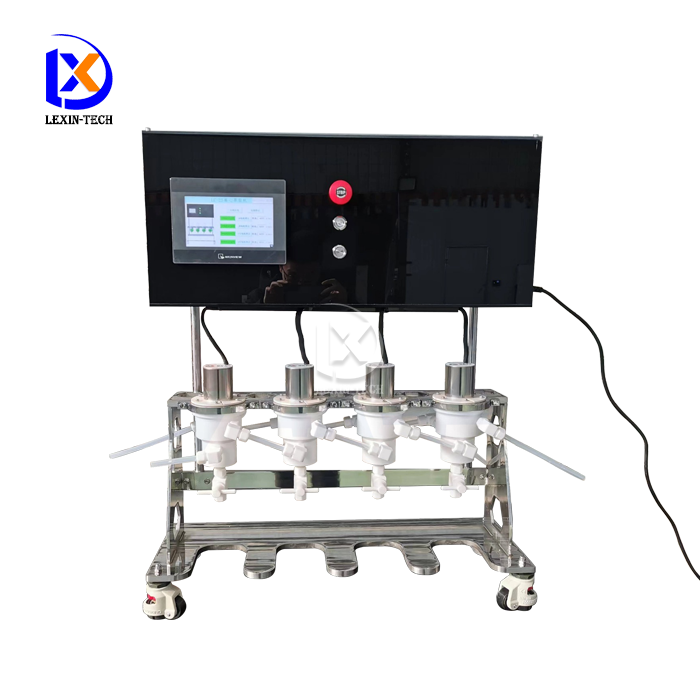
Fiberglass Cartridge Precision Filter: What You Need to Know
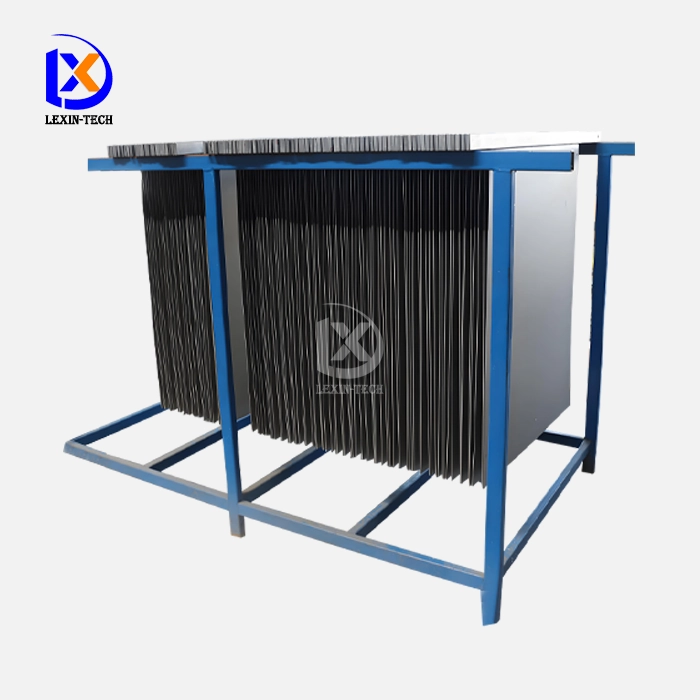
Fiberglass cartridge precision filters are a major step forward in industrial filtering technology. They are designed to remove particles more effectively in difficult hydrometallurgical processes. These specialized filter systems use the strength of fiberglass media and precise engineering to solve the tough problems that non-ferrous metal makers, mining companies, and hydrometallurgical plants face. Industrial workers can improve the quality of their products and make their operations more efficient by knowing what filters can do, how to choose the best ones, and how they can be used.
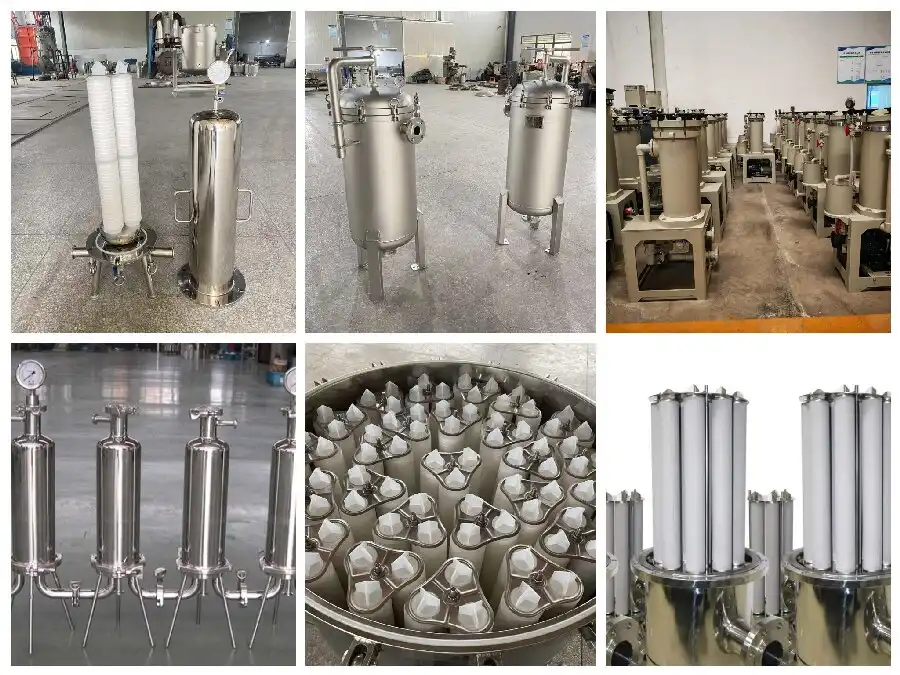
Understanding Fiberglass Cartridge Precision Filters
Construction and Core Materials
Fiberglass cartridge precision filters use advanced fiberglass media as their main filtering part. This media is designed to be very resistant to chemicals and stable at high temperatures. The structure is usually made up of several layers of fiberglass fibers organized in a certain density gradient. This allows for effective depth filtration across a range of particle sizes.
Modern filter housings can hold a variety of materials to meet the needs of each process. You can choose from SUS 304, SUS 316L, and SUS 2205 stainless steel. For better chemical interaction, you can add an extra PTFE coating on the inside. For specific uses that need the highest level of rust protection, other housing materials include polypropylene (PP), reinforced polypropylene (PPH), and titanium.
Filtration Mechanisms and Specifications
Deep filtration is used in these systems to get rid of contaminants that are spread out across the whole filter media thickness instead of just on the surface. This method makes filters last a lot longer while keeping flow rates and filtering efficiency constant.
Some important features include filter accuracy between 0.1 and 100 micrometers, which lets you control particle size very precisely based on the properties of the feed liquid. At 0.2, 0.4, 0.6, and 1.0 MPa, the design pressures can be changed to meet different operating needs. Based on the real working needs, each machine can hold anywhere from one to one hundred filter cartridges.
Performance Characteristics
The small size and light weight make it easy to install and maintain, and the design makes the most of the filter area that is available. Because these filters don't clog up very often and filter quickly, they can keep working without stopping for long periods of time. Leak-proof performance protects the purity of the process and stops contamination from spreading from one process stream to another.
Advantages and Applications of Fiberglass Cartridge Precision Filters
Superior Performance Benefits
The advanced features that these filtering systems offer are very helpful for industrial activities. The high chemical resistance makes it work reliably in harsh hydrometallurgical settings, and the thermal stability makes sure it works the same way even when the temperature changes.
A longer service life means that parts don't need to be replaced as often, which cuts down on upkeep costs and improves operating economics. The high filter efficiency gets rid of small particles that could hurt the quality of the end product or processes that come after. Because of these benefits, Fiberglass cartridge precision filters are better than pleated polyester and wire mesh filters that have been used for a long time.
Industrial Applications Across Sectors
The main area where these precise screens are used is in hydrometallurgical processes. Upstream preparation for the extraction process includes removing small particles from feed solutions so that clear liquor can enter the extraction systems. This important filter step keeps the process running smoothly by keeping the equipment further down the line from getting clogged.
Chemical factories use these filters to clean metal-containing solutions one last time, getting rid of any contaminants that might change the specs of the finished product. Precise particle control is needed to keep electroplating quality standards high for filter and purification uses in plating baths.
0.45-micrometer filter tubes are used in the food processing industry to keep microbes out and make sure the safety of the product while keeping process flow rates steady. Because these filter systems are so flexible, they can be used in a wide range of industries that need to remove particles reliably.
Operational Efficiency Factors
Several things affect how long filtering lasts and how well it works. The features of the feed liquid, such as the distribution of particle sizes and the amount of contamination, have a direct effect on how well the filter works and how often it needs to be replaced. Using the right pre-filtration can make the primary filter last longer while keeping the flow rates at their best.
The operating pressure and temperature affect both how well the filter works and how long it lasts. Maintaining the suggested working settings will keep the performance stable and extend the service life of the filter. Regularly checking pressure differences lets you know early on when the filter is getting full, which lets you plan maintenance ahead of time.
How to Maintain and Clean Fiberglass Cartridge Precision Filters?
Routine Inspection and Handling Procedures
Setting up regular inspection plans that are tailored to the specific operating conditions is the first step in doing good upkeep. A visual check of the filter housings should reveal any possible seal damage or housing rust that could weaken the filtering. Monitoring the difference in pressure between filter elements gives a number-based picture of how loaded the filter is and how much service life is left.
Handling things the right way during inspections and maintenance keeps filters from getting damaged and keeps operators safe. Filter cartridges need to be carefully taken out so that fibers don't get released, and new cartridges should stay in their protective package until they are installed. Keeping records of what was found during inspections lets you look for trends and find the best repair times.
Cleaning Procedures and Best Practices
When cleaning is needed, certain steps are taken to get the filter working again without damaging the structure. Using clean process fluid for reverse flow cleaning can get rid of particles that have built up on filter surfaces. Chemical cleaning solutions might work for some types of dirt, but they need to be tested to make sure they won't damage fiberglass before they are used.
Ultrasonic cleaning is a good way to get rid of tough contaminants while keeping the structure of the Fiberglass cartridge precision filter. Controlling the temperature of the cleaning fluid and the contact time is very important to keep the fibers from breaking down. Inspection after cleaning makes sure that all contaminants are gone and the filter is still working properly before it is put back in place.
Replacement Indicators and Troubleshooting
There are clear signs that show when the filter needs to be cleaned and when it needs to be replaced completely. When the pressure difference goes above the suggested limits, it usually means that the filter is loaded and needs care. A visual check may show that the filter is discolored or has changed shape, which means it needs to be replaced.
Unexpected pressure rises, flow rate drops, or a drop in the quality of the filtrate are all common problems that need to be fixed. By systematically looking at these signs, you can find their root causes and take the right steps to fix them. Keeping a supply of extra filters on hand makes sure that the process is interrupted as little as possible when repair is needed out of the blue.
Choosing the Right Fiberglass Cartridge Precision Filter for Your Business
Performance Comparison and Selection Criteria
To choose the best fiberglass cartridge precision filters, you need to compare performance data in a planned way with the needs of the process. The accuracy of the filtration process must match the particle size distribution in the feed streams while keeping flow rates at a good level. Chemical interaction between filter materials and process fluids makes sure that the system will work well for a long time.
A cost study should look at both the initial cost of the filter and its ongoing costs, such as how often it needs to be replaced and how much upkeep it needs. A full economic analysis is possible by comparing the total cost of ownership of different filtering systems. Overall process reliability and product quality are affected by how consistently a process works in different operating situations.
Supplier Evaluation and Quality Assurance
Important things to think about when buying something are checking the manufacturer's validity and evaluating the quality guarantee. Suppliers with a good reputation give a lot of scientific information, like material certificates and data from performance tests. Manufacturing quality standards have a direct effect on how well filters work and how long they last. This is why evaluating suppliers is so important for successful buying.
International quality approvals, like ISO standards, show that a company is committed to using consistent production methods. Technical support skills make sure that customers get help throughout the whole span of a product, from choosing it to fixing problems with how it works. Having a relationship with a source makes it easier to talk to them and make changes that fit your needs.
Procurement Logistics and Global Supply Chain
To do global buying, you need to know about different factors that affect prices, such as the cost of materials, the difficulty of making, and the need for customization. Order wait times depend on the availability of the product and the level of personalization, which changes how projects are scheduled and how much inventory is planned for. Minimum order amounts make it harder to change how you buy things, especially for custom setups.
When sending goods internationally, you need to think about things like the right package to protect filters and following the rules in each market. For customs paperwork and import processes to work, suppliers and buying teams need to work together. Setting up clear lines of contact makes sure that handling orders and coordinating deliveries go smoothly.
Making an Informed Purchase: Soft Guide to Ordering and Partnership
Procurement Process and Order Management
To make procurement work well, you need to ask for full quotes that include technical details and the number needed. When application needs are clearly communicated, providers can suggest the best setups and figure out what customizations might be needed. Options for bulk buying save money and make sure that there is enough inventory for ongoing activities.
Minimum order amounts are based on the economics of production and how to best handle inventory. Knowing about these limitations helps with making purchases and lowering costs. There are chances to negotiate about the number of orders, when they will be delivered, and the level of professional help, especially for long-term partnerships.
Partnership Development and Support Services
Warranty coverage is an important part of working with a provider because it protects against mistakes in the manufacturing process and early failures. Full guarantee terms show that the seller is confident in the quality of the product and protect the buyer's investments. After-sales service agreements make sure that expert help is always available for a product's entire lifecycle.
To build long-lasting relationships with suppliers, both parties must agree on what quality and performance standards are expected. Regular contact keeps the wants of the buyer and the skills of the seller in line. Technical collaborations make it possible to improve products and make apps that meet specific process needs.
Quality Control and Dependability Over the Long Term
Leading producers show consistent quality by using well-known quality control methods and production processes. Product dependability has a direct effect on process performance and operating continuity. For important uses, supplier image is very important. Ongoing technical help makes sure that the filter works at its best for as long as it's supposed to.
Product specs can be checked by looking at quality paperwork, like material certificates and performance test data. Traceability tools make it possible to find out about the past of quality control and manufacturing batches. These quality assurance steps help meet the needs for process approval and legal compliance.
Conclusion
These days, Fiberglass cartridge precision filters are necessary for many industrial filtration tasks, especially in hydrometallurgical processes where performance and dependability have a direct effect on the quality of the final product. They are much better than standard filtering methods in terms of chemical resistance, thermal stability, and filtration performance. To make the right choice, you need to carefully think about the process needs, the supplier's skills, and the long-term costs of running the business. Industrial workers can get the most out of their filtration investments while ensuring regular process performance and high-quality products by carefully examining technical specs, quality standards, and supplier partnerships.
FAQ
Which fields can use fiberglass cartridge precise screens the most?
The main people who benefit from these filter systems are companies that make non-ferrous metals, mines, hydrometallurgical plants, and chemical factories. These filters are also used in food processing plants to keep microbes in and for fine particle control.
How often do you think these filtering devices should be serviced?
How often maintenance is done relies on the operating parameters and the amount of contamination in the feed liquid. The best way to tell when to do maintenance is to check the pressure difference on a regular basis. This can be anything from once a week to once a month for full maintenance.
Can these filters be customized for specific applications?
Yes, you can change the housing material, the accuracy of the filter, the pressure grade, and the number of cartridges. Specialized designs meet the specific needs of each process while still meeting performance and dependability standards.
What factors affect how long a filter lasts and how often it needs to be replaced?
The characteristics of the feed liquid, the working pressure and temperature, the rate at which particles are loaded, and the quality of upkeep all have a big effect on how long the filter lasts. Following the suggested working parameters and doing the right pre-filtration will extend the service life and keep the performance level.
Partner with Lexin for Premium Filtration Solutions
Xi'an Lexin Technology offers the best fiberglass cartridge precision filter options that are made to fit your unique hydrometallurgical needs. Our all-around method blends high-quality manufacturing with custom skid-mounted solutions that can be used quickly and easily. As a reliable company that makes fiberglass cartridge precision filters, we offer full services, from choosing the right tools to putting it all together. We also offer a lot of professional help and good service after the sale. Email our skilled staff at xalexin-tech@outlook.com / 279821010@qq.com to talk about your filtration problems and find out how our precision filtration technology can help your business run more smoothly.
References
1. Smith, J.A., and Chen, L. "Advanced Filtration Technologies in Hydrometallurgical Processing." Industrial Filtration Quarterly, vol. 42, no. 3, 2023, pp. 156-172.
2. Rodriguez, M.E., et al. "Comparative Analysis of Fiberglass Media Performance in Industrial Applications." Journal of Process Engineering, vol. 18, no. 2, 2023, pp. 89-104.
3. Thompson, R.K. "Precision Filtration Systems for Metal Recovery Operations." Mining and Metallurgy Review, vol. 67, no. 4, 2023, pp. 234-251.
4. Wilson, D.C., and Park, S.H. "Maintenance Strategies for Industrial Cartridge Filtration Systems." Process Equipment Maintenance Handbook, 3rd edition, 2023, pp. 445-463.
5. Anderson, K.L. "Economic Analysis of Filtration Technologies in Chemical Processing." Chemical Engineering Economics, vol. 29, no. 1, 2023, pp. 78-95.
6. Lee, H.J., and Martinez, A.R. "Quality Assurance in Industrial Filtration Equipment Selection." B2B Procurement Best Practices, vol. 15, no. 6, 2023, pp. 312-328.