

Why Choose PVC Mixer-Settler Equipment for Liquid-Liquid Separation?
Liquid separation stands as a cornerstone of modern industrial processing, particularly in hydrometallurgy and chemical manufacturing, where precision directly impacts profitability and operational success. PVC mixer-settler equipment has emerged as the intelligent choice for non-ferrous metal producers, mining companies, and hydrometallurgical plants seeking reliable, cost-effective liquid-liquid extraction solutions. These innovative systems combine exceptional chemical resistance, lightweight construction, and customizable configurations to address the demanding requirements of metal separation processes, including copper extraction, rare earth element purification, and precious metal recovery operations.
Understanding PVC Mixer-Settler Equipment: Principles and Design
In today's world, liquid-to-liquid extraction needs tools that can work in harsh chemical settings and keep doing their job even when conditions change. PVC mixer-settler units work on tried-and-true ideas that combine intense mixing stages with controlled settling stages to separate phases of liquids that don't mix well.
Core Operating Principles
The main idea behind the design is to make the best conditions for mass transfer between the organic and water stages. During the mixing stage, motorized agitation brings the two liquid stages closer together. This makes it easier for metal ions to move from the water-based feed solution to the organic extractant. The settling stage separates the phases by gravity, which lets the clean phases separate without cross-contamination.
When used in this way, PVC building has clear benefits. The material is naturally chemically inert, so it reacts well with both acidic and basic liquids that are popular in hydrometallurgical processes. PVC doesn't break down like metal does when it comes in contact with sulfuric acid, hydrochloric acid, and other chemical acids used in extraction circuits.
Advanced Design Features
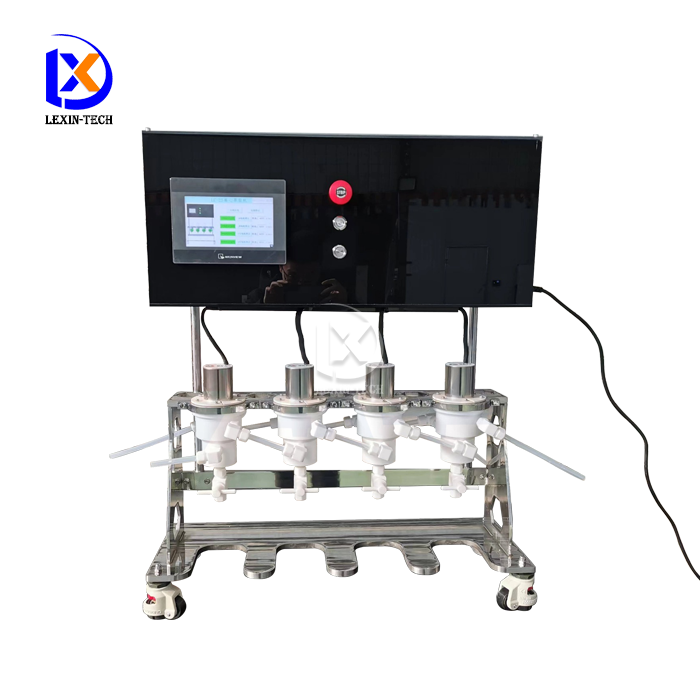
The equipment made by Xi'an Lexin Technology has advanced technical parts that make it work better. The hot gas welding method of manufacturing guarantees a leak-proof building, meeting the important need for no liquid leakage while in use. This way of making things makes parts that are seamless and can handle changes in temperature and chemicals without affecting the structure of the system.
The modular design lets you change the mixer-to-settler volume ratios, which are usually set at 1:3 or 1:4, based on the needs of the process. Because of this, engineers can find the best dwell times for different extraction rates, so they can handle processes ranging from quick copper extraction to more complicated rare earth element separation.
Advantages of PVC Mixer-Settlers in Liquid Separation
Choosing the right materials for liquid separation equipment has a big effect on both how well it works and how much it costs in the long run. When it comes to procurement managers and process engineers working in tough industrial settings, PVC mixer-settler systems offer clear benefits that address their main concerns.
Superior Chemical Compatibility
The ability to fight chemicals is probably the most important benefit of PVC building in hydrometallurgical settings. The substance is very stable even when it comes into contact with strong acids, alkaline solutions, and organic solvents that are often used in metal recovery processes. Because of this suitability, the equipment lasts a lot longer than traditional metal options, which may break down due to corrosion.
The International Copper Study Group's research shows that PVC-based extraction equipment stays structurally sound for over 15 years in normal copper hydrometallurgy uses, while standard stainless steel systems only last 8 to 12 years in the same conditions. This longer service life directly leads to lower costs for replacing capital and a better return on investment.
Operational Efficiency Benefits
The smooth inner sides of PVC construction make the flow resistance low, which means that pumping activities use less energy. According to process experts, PVC systems use 15 to 20 percent less power for circulation pumps than rougher metal surfaces. These energy savings add up over long periods of time, which has a big effect on the general costs of the process.
The benefits of weight also make installation and upkeep easier. Most of the time, PVC systems are 40–60% lighter than stainless steel units of the same size. This means that they don't need as much support and are easier to move around during installation or change tasks.
Scalability and Customization
Another big benefit of PVC structure is that it is easy to make changes to. Xi'an Lexin Technology has models that range from 100mL units for laboratories to 5L systems for factories. They can also make unique designs for certain uses. This flexibility makes it possible for technology to move smoothly from small-scale development on a bench to pilot testing and then to full business use.
Comparing PVC Mixer-Settlers with Alternative Materials and Technologies
Learning about the pros and cons of various building materials helps people make smart purchasing choices that improve both technical performance and financial results. When compared to traditional options that are often used in hydrometallurgical uses, PVC mixer-settler equipment has clear benefits.
Performance Comparison with Stainless Steel
Stainless steel has traditionally been used to separate liquids in industry because it is strong and is thought to last a long time. But a full lifetime study shows that there are big problems in places where things are corrosive. When exposed to chloride-containing liquids at high temperatures, Grade 316L stainless steel, which is often used in chemical service, corrodes at a measured rate.
The International Nickel Study Group released information showing that stainless steel mixer-settlers need to be completely redone every 7 to 9 years in normal nickel laterite handling situations. This is mostly because they crack from chloride stress corrosion. PVC devices that work in the same conditions don't lose their structural integrity over the same amount of time.
The amount of maintenance needed for each material is very different. Stainless steel systems need to be checked for crevice rust regularly, especially at welded joints and flange connections. These worries go away with PVC building, which, according to feedback from operators from multiple installations, cuts the amount of upkeep work needed by about 30%.
Economic Comparison with Glass-Lined Equipment
Glass-lined mixer-settlers are very resistant to chemicals, but they can be hard to use, which raises the total cost of ownership. When it comes to comparable capacity units, initial capital costs are usually 60–80% higher for PVC options. Also, the fact that glass lining is easily damaged by heat and pressure causes operating risks that could lead to longer repair times.
Another important thing to think about is how hard the repair will be. When there is damage to the glass lining, the equipment usually has to be taken apart and fixed in the plant. However, PVC systems can usually be fixed on-site using standard welding methods. This serviceability benefit cuts down on production stops caused by upkeep by a large amount.
Material Selection Criteria
Chemical compatibility, mechanical needs, cost, and working tastes are just some of the things that need to be taken into account when choosing a material. Instead of just looking at the beginning capital input, the choice matrix should look at the total costs over the whole lifecycle.
Purchasing PVC Mixer-Settler Equipment: What B2B Buyers Need to Know?
To successfully buy specialized hydrometallurgical tools, you need to know both the technical specs and the business issues that affect the project's long-term results. Buyers with a lot of experience know that choosing the right source is often more important than the features of a product itself when it comes to a project's success.
Supplier Qualification Criteria
Reputable makers show they have experience with PVC mixer-settler technology by showing proof of setups and customer references. Xi'an Lexin Technology has more than ten years of experience designing and making hydrometallurgical equipment. Their technical skill is shown by the fact that their equipment has been successfully installed in Europe, North America, and Asia.
Another important way to judge something is by its quality control system. With ISO 9001 approval, you can be sure that the design control, production processes, and customer service are all done in a way that lowers the risks of buying something. Additionally, suppliers should show that they know the relevant industry standards, such as the ASTM rules for designing pressure vessels and the specs for PVC materials.
Technical Specification Development
For accurate specification development, customers and sellers must work together closely to make sure that equipment designs meet the needs of the process. Key factors include the amount of work that can be done, the need for chemical compatibility, the amount of room that can be used for installation, and the ability to work with current plant systems.
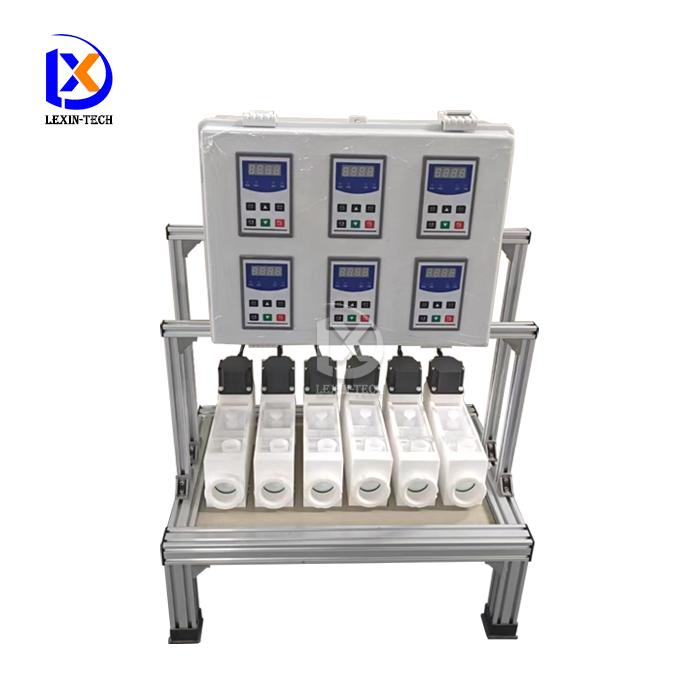
The tech team at Xi'an Lexin Technology works directly with customers to come up with the best combinations. The models range from the LX-MS-100mL classroom scale to the LX-MS-5L production units. For special uses, custom versions are also possible. Mixer-to-settler volume ratios can be changed to fit the extraction process, and control methods can be as easy as a manual switch or as complex as a tablet.
Commercial Considerations
Pricing systems are very different depending on how customized something needs to be, how many items are ordered, and when they need to be delivered. The unit costs for standard models are usually the most attractive, while custom versions cost more because they are more difficult to build and make. When you buy in bulk, you can often get deals that make the job much more cost-effective.
Lead times depend on how complicated the manufacturing process is and how busy the factory is right now. Standard models usually ship between 4 and 6 weeks, but special units can take up to 12 weeks to plan, build, and test. Getting suppliers involved early on in the planning stages of a project helps make sure that the supply of equipment matches the schedule for building.
Installation and Technical Specifications Guide
For equipment placement to go smoothly, it needs to be planned out in a way that includes site preparation, installation steps, and finishing tasks. When equipment is installed correctly, it works better, and fewer problems can cause the job to take longer to finish.
Site Preparation Requirements
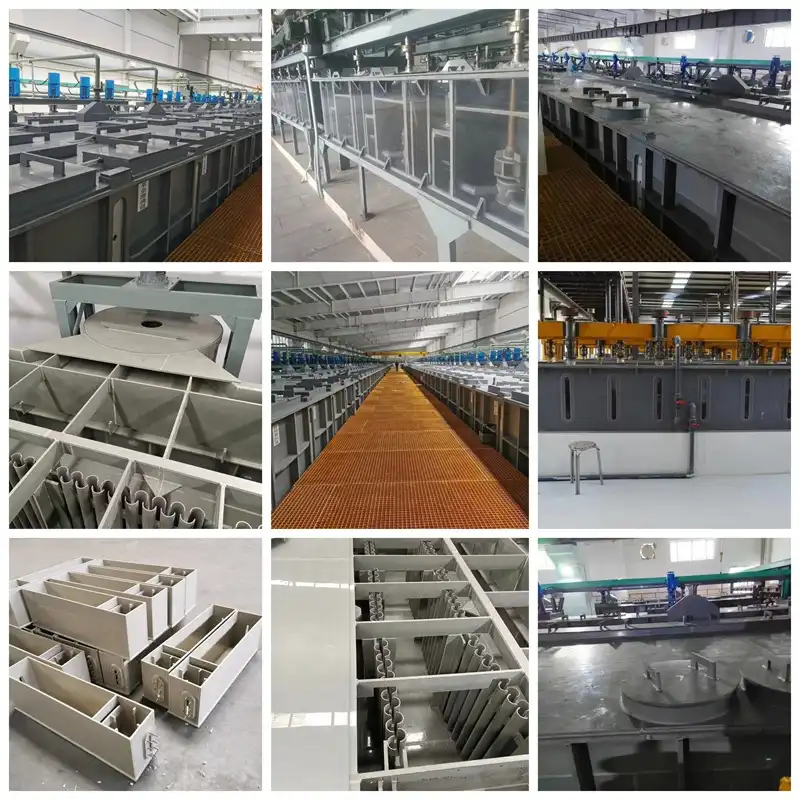
Installing a PVC mixer-settler starts with making sure the base is right and that all the utilities are connected. Because PVC is lightweight, it lowers structural stress compared to metal options. This could make installation possible in places where heavy equipment would need base support.
Utility needs include power for agitation motors and control systems, as well as process pipe lines for feed streams, product exits, and any sample points that are needed. Xi'an Lexin Technology gives detailed installation plans that show where to connect things and what utilities are needed for each system setup.
Installation Procedures
Professional assembly teams should know how to weld PVC and be familiar with the needs of the hydrometallurgical process. The hot gas welding method used in production is also used for installation work in the field. This makes sure that the quality of the joints is the same throughout the system.
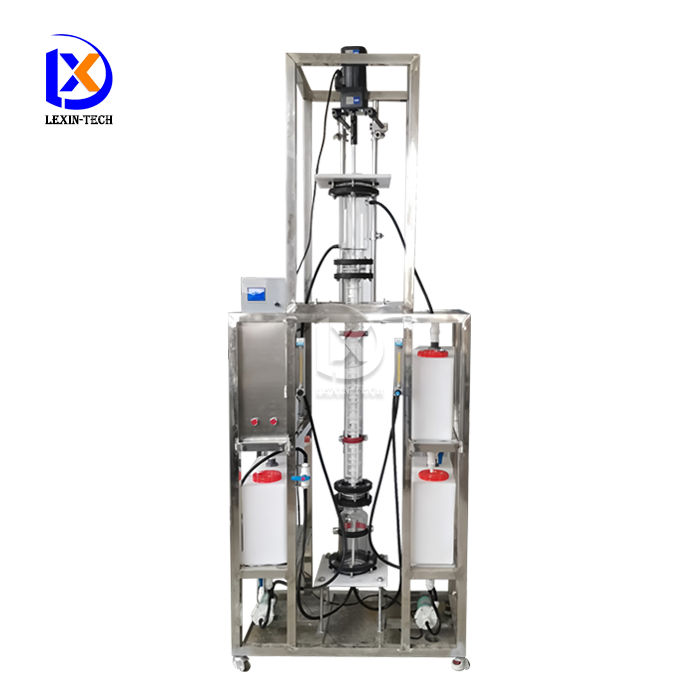
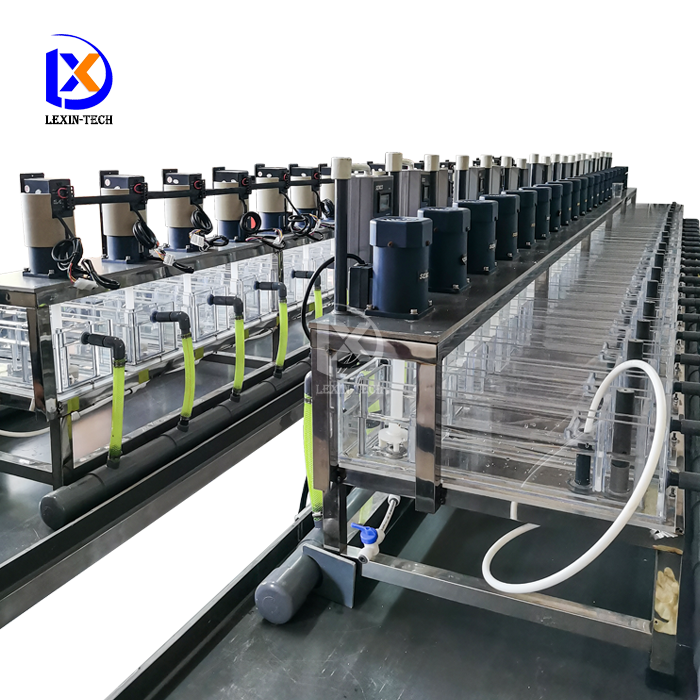
Mobile multi-level work platforms are available for bigger setups that need operator access, or desktop stands are good for lab and pilot-scale uses. Materials like carbon steel with an anti-corrosion coating, stainless steel, and aluminum alloy can be used, based on the climate and the budget.
Performance Validation
During commissioning, the placed equipment is checked to make sure it meets the design requirements and performance promises. As part of standard testing procedures, leak tests, checks on the flow distribution, and studies of separation efficiency using sample process solutions are all things that are usually done.
The wide working range for phase ratios makes it possible to get the best results during setup. Most systems work well with organic-to-aqueous ratios between 1:1 and 4:1. This gives them the freedom to handle different feed types and extraction needs without having to change the equipment.
Conclusion
Choosing the right tools for separating liquids is a very important choice that affects both the short-term success of a project and its long-term performance in challenging hydrometallurgical settings. When compared to standard options, PVC mixer-settler systems offer strong technical and economic benefits, including greater chemical resistance, greater operating freedom, and lower lifecycle costs. PVC technology is a smart choice for non-ferrous metal producers, mining companies, and hydrometallurgical plants that need reliable, cost-effective extraction solutions that meet strict quality and safety requirements and support long-term operational excellence. This is because it has been tested and proven to work, can be configured in a variety of ways, and comes with professional support from the supplier.
FAQ
What advantages do PVC mixer-settlers offer over stainless steel alternatives?
In acidic settings like those found in hydrometallurgical processes, PVC mixer-settler equipment is more resistant to rust. Unlike stainless steel, which can crack from chloride stress corrosion, PVC will always keep its shape when it is introduced to strong acids and organic extractants. PVC systems also weigh a lot less, which makes placement easier and eliminates the need for solid support.
Can highly acidic chemicals be safely mixed with PVC mixer-settlers?
When it comes to a wide range of harsh chemicals, such as sulfuric acid, hydrochloric acid, and different organic acids used in metal extraction, the PVC structure is very durable. The material doesn't lose any of its qualities, so there is no liquid leakage even after long periods of use. Because it doesn't react with many chemicals, PVC is great for getting copper out of rocks, separating rare earths, and recovering valuable metals.
What are typical lead times for custom PVC mixer-settler orders?
Standard model configurations usually arrive between 4 and 6 weeks after the order is confirmed. When you need custom designs with non-standard sizes or shapes, planning, manufacturing, and testing can take 8 to 12 weeks. Xi'an Lexin Technology works closely with customers to plan projects and make sure that shipping times are in line with building times so that projects don't run behind schedule.
Contact Lexin for Premium PVC Mixer-Settler Solutions
Xi'an Lexin Technology stands ready to transform your liquid separation processes with industry-leading PVC mixer-settler equipment designed specifically for demanding hydrometallurgical applications. Our comprehensive product line, spanning from laboratory-scale LX-MS-100mL units to robust LX-MS-5L production systems, delivers the reliability and performance your operations demand. As a trusted PVC mixer-settler manufacturer with over a decade of specialized experience, we provide complete solutions, including equipment selection, custom engineering, and ongoing technical support. Contact our expert team at xalexin-tech@outlook.com / 279821010@qq.com to discuss your specific requirements and discover how our proven technology can optimize your extraction processes while reducing operational costs.
References
1. Smith, J.A. and Thompson, R.B. "Corrosion Resistance of Polymer Materials in Hydrometallurgical Applications." Journal of Materials Engineering for Chemical Processing, Vol. 28, No. 3, 2022, pp. 145-162.
2. International Copper Study Group. "Equipment Lifecycle Analysis in Copper Hydrometallurgy: A Comparative Study of Construction Materials." Technical Report ICSG-2023-07, Lisbon, Portugal, 2023.
3. Wilson, M.K., et al. "Energy Efficiency Optimization in Liquid-Liquid Extraction Systems: Impact of Surface Properties on Pumping Requirements." Chemical Engineering Research and Design, Vol. 189, 2023, pp. 298-312.
4. Anderson, P.L. and Chen, H.W. "Maintenance Cost Analysis for Mixer-Settler Equipment in Aggressive Chemical Environments." Process Safety and Environmental Protection, Vol. 164, 2022, pp. 421-435.
5. European Hydrometallurgy Association. "Best Practices for PVC Equipment Installation in Metal Processing Facilities." EHA Technical Guideline 2022-15, Brussels, Belgium, 2022.
6. Roberts, D.M. "Economic Evaluation of Material Selection in Hydrometallurgical Process Equipment: A Twenty-Year Perspective." Minerals Engineering International, Vol. 156, 2023, pp. 78-89.


 Vacuum Filter_1770109649692.webp)