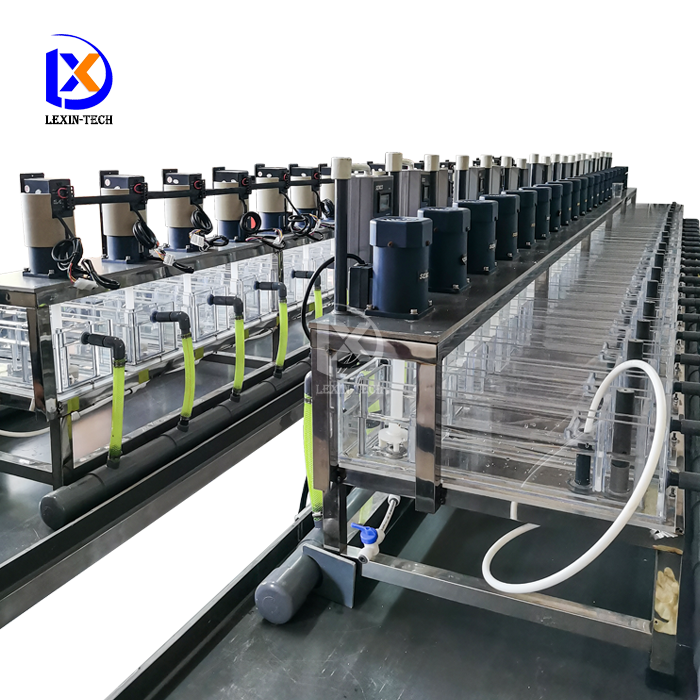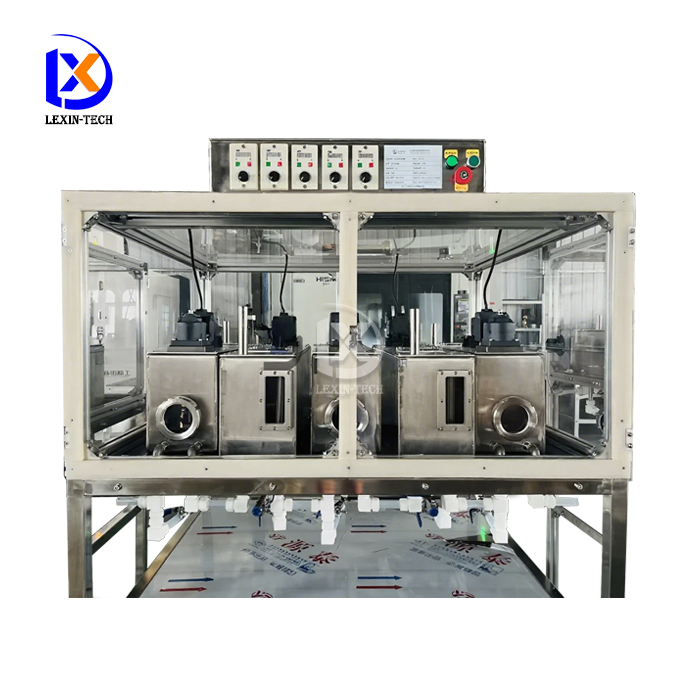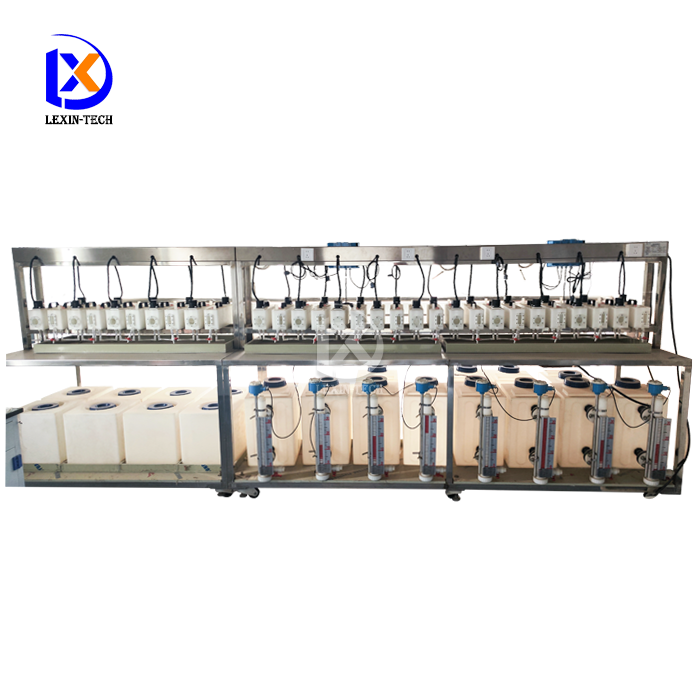


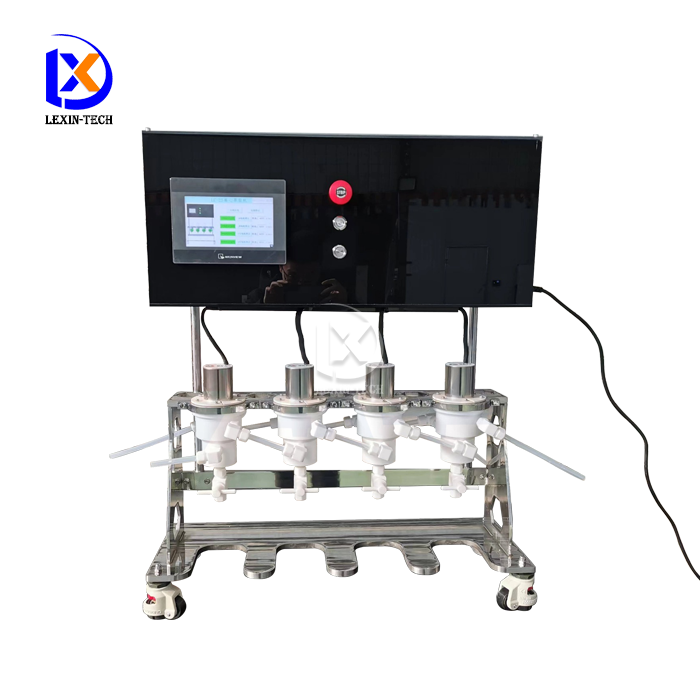
Elding Process Mixer-Settler: Features & Application Guide
The Welding Process Mixer-Settler represents a cornerstone technology in modern hydrometallurgical operations, where precision fabrication meets industrial reliability. During the manufacturing process, these complex liquid-liquid extraction systems go through careful welding steps to make sure they are structurally sound and work perfectly. For buying teams and experts who want the best performance in non-ferrous metal processing uses, it's important to know how to weld, choose materials, and make things.
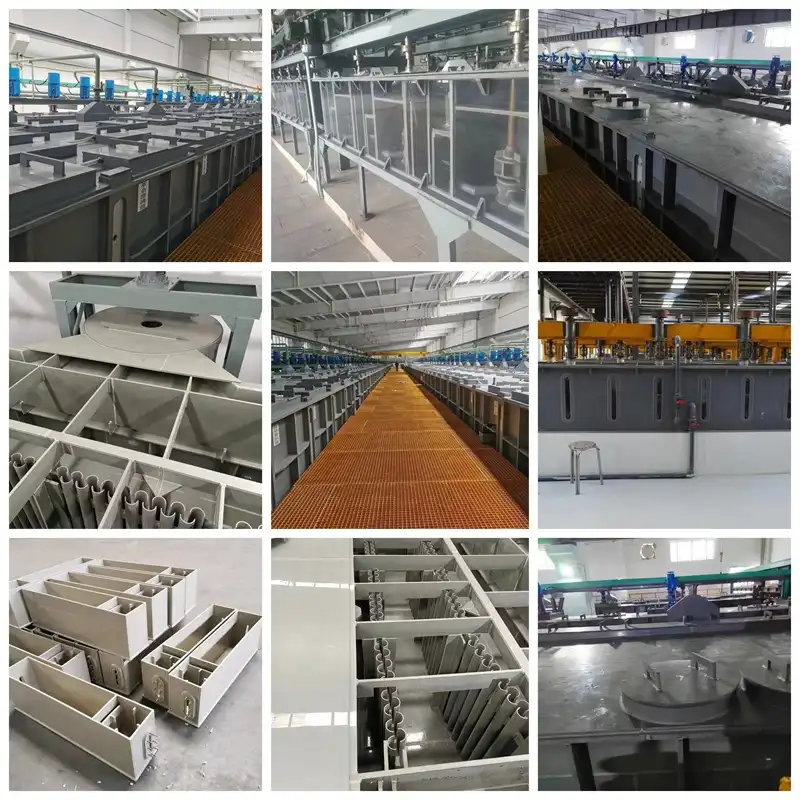
Understanding the Welding Process for Mixer-Settlers
For modern mixer-settler equipment to be made, the welding methods must be very precise in order to keep the structure strong enough for demanding hydrometallurgical uses. In these important separate systems, the welding process is very important. Even small flaws can make the systems less safe and less effective.
Core Components and Structural Elements
Making mixer-settler tanks involves a lot of different welding areas that need special care. Different welding methods are needed for the mixing room, the settling sections, and the connecting lines because of the stresses they are under during operation. Adaptive welding settings are needed to keep the structure's penetration and strength the same, even though the walls of the vessels are made of different thicknesses of material.
Welding Process Mixer-Settler is very important to how long these systems last overall. Welded joints at stress concentration points, like inlet and exit links, need extra care to keep them from breaking down due to fatigue over time. Modern mixer-settler designs are very complicated geometrically, which makes it hard for welders to keep up quality while handling complicated vessel shapes.
Step-by-Step Welding Procedures
Professional manufacturing starts with a thorough preparation of the materials, which includes cleaning the surfaces and preparing the edges. Pre-heating methods are very different depending on the material used. For example, stainless steel materials need different temperature control than polymer-based materials. Joint design standards must take into account how things expand and contract with temperature changes while keeping the structure's consistency.
Throughout the welding process, quality control checks make sure that the standards of the business are met. At key points, non-destructive testing methods, such as eye inspection and pressure testing, confirm the stability of the weld. For industrial uses, documentation needs to include specifics for the welding process and certifications for trained welders.
Welding Material Selection and Standards
When making mixer-settlers, it's still very important that the materials work well together. The chemical protection and mechanical qualities must match the needs of the process. The choice of filler material has a direct effect on how well the joint resists rust and how strong it is. International welding standards, like AWS D1.1 and ASME Section IX, make sure that quality is maintained and that procedures are followed.
Comparing Welding Techniques for Mixer-Settlers: Choosing the Right Method
Choosing the right welding methods has a big effect on both how quickly and well the equipment works in the long run. Depending on the type of material, the amount being made, and the quality standards needed for each job, each method has its own benefits.
Hot Gas Welding for Polymer Materials
When it comes to making polymer-based mixer-settlers, hot gas welding works especially well for those made from PVC, clear PVC, PP, and PPH. Effective chemical protection is achieved with this method, which is also cost-effective for medium-sized businesses. Precise temperature control makes sure that the right fusion happens without damaging the materials, which makes parts that can withstand harsh chemical conditions.
One of the practical benefits of this method is that it requires less equipment, less training for operators, and can be fixed very easily in the field. Polymer welding techniques also make it possible to make complicated geometric shapes that would be hard to make with standard metalworking methods.
TIG Welding for Stainless Steel Applications
Tungsten Inert Gas welding is the best way to make mixer-settlers out of stainless steel because it produces the best joints and is resistant to rust. This method gives you great control over the heat input, so you can keep distortion to a minimum while increasing entry accuracy. During the welding process, the inert gas protection stops oxidation, which keeps the corrosion-resistant qualities that are important for hydrometallurgical uses.
The stainless steel grades that can be welded with TIG include standard 304 specs and alloys that are made to work in certain chemical conditions. TIG methods allow for precise control, which makes thin-wall fabrication possible while still meeting standards for structural stability.
Automated versus Manual Welding Approaches
Robotic welding systems are becoming more common in high-volume production settings because they are more consistent and take less time to run through. Automated systems are great for welding jobs that need to be done over and over again because they keep the settings the same across multiple units while reducing the chance of human mistakes. Modern robotic systems have built-in quality tracking features that provide a lot of data for quality assurance reasons.
Manual welding is still better for making prototypes and unique shapes where freedom is more important than volume. Welders who are skilled can change their methods in real time to deal with changes in design and inconsistencies in the material that could cause problems for automatic systems.
Addressing Welding Challenges and Ensuring Quality in Mixer-Settler Fabrication
To make sure the quality of the Welding Process Mixer-Settler, you need to know a lot about the mistakes that could happen and how to stop them. To be a great manufacturer, you need to be cautious about common welding problems and follow strict safety rules during the whole production process.
Common Welding Defects and Prevention
One of the most common problems in mixer-settler welding is porosity, which is especially bad for systems made for high-pressure uses. Pores form in weld zones because of things like moisture contamination, not enough gas protection, and bad cleaning methods. Strategies for prevention include strict rules for preparing materials, controlled atmosphere welding areas, and the right way to store filler materials.
Incomplete fusion flaws weaken the structure and make it more likely to break under operating stresses. Root cause analysis usually shows problems with not enough heat being applied, not properly preparing the joints, or contamination. To deal with these issues, you need detailed instructions on how to weld and regular rules for calibrating your tools.
Cracking events, whether they happen in the cold or the heat, are very bad for the long-term dependability of tools. Crack vulnerability is affected by the choice of material, the pre-heating steps, and the post-weld heat treatment steps. To stop these serious flaws, you need to know a lot about material metallurgy.
Quality Control and Safety Protocols
Comprehensive testing processes make sure that the quality of the welding meets the highest standards in the industry. Visual checking methods find flaws on the surface and make sure that the geometry meets engineering standards. Protocols for pressure testing make sure that structures are strong under simulated working conditions. This gives people faith in their long-term performance abilities.
Safety concerns include both the welding processes that are happening right now and how the tools will work in the future. Welders are protected from dangerous fumes by proper ventilation systems, which also keep the air quality under control. The types of welding methods and materials used in the fabrication process determine what kind of personal safety equipment is needed.
Practical Guide to Procuring Welding Services and Materials for Mixer-Settlers
The success rate of a project and the total cost of ownership for Welding Process Mixer-Settler systems are both greatly affected by the strategic way it is bought. During the purchase process, making smart decisions is easier when you know what the seller can do, what materials they use, and how well they do their job.
Vendor Selection Criteria and Certification Requirements
When judging welding service providers, you need to look at their technical skills, quality control methods, and knowledge in the business. Different levels of welder certification, like those from AWS and ASME, show different levels of skill that are right for different types of jobs. Facility checks give information about production skills and quality control systems that affect delivery times and the quality of the end product.
Quality management system standards, like ISO 9001, show that a company is dedicated to using uniform methods and always making things better. References to past projects in the hydrometallurgical business can tell you a lot about how well a vendor did under similar technical and time limits.
Material Sourcing and Quality Benchmarks
When setting material standards, you have to think about both performance needs and costs over the whole span of the equipment. Different types of stainless steel have to meet certain standards for corrosion protection and functional property requirements. It is important to carefully check the chemical stability and temperature resistance of polymer materials.
Material certification standards, traceability paperwork, and quality control methods should all be part of the process of qualifying suppliers. Long-term relationships with suppliers often give projects more access to materials and better expert support, which is helpful for complicated projects.
Cost Management and Timeline Optimisation
Cost management strategies that work include more than just the initial purchase price. They also take into account the total costs of ownership, such as the need for upkeep and changes to operating efficiency. Getting suppliers involved early on in the planning process can often help find ways to cut costs without sacrificing performance standards.
To handle a timeline, you need to be honest about how hard the creation is and how much the vendor can do. Setting aside extra time for quality control tasks and possible repair needs helps keep projects on schedule and meet quality standards.
Future Trends and Innovations in Welding Mixer-Settler Fabrication
Mixer-settler manufacturing methods are still being changed by new technology. Automation and environmental concerns are driving innovation across the industry. Understanding these trends helps buying teams and engineering firms make plans for the future and stay ahead of the competition.
Robotic and Automated Welding Integration
More and more advanced robotic systems have AI features that help them find the best welding settings in real time, taking into account the conditions of the joint and the differences in the materials. Machine learning algorithms look at data about the quality of the welds to keep improving the process settings and predict when repair needs to be done. When it comes to consistency, these systems are unmatched. They also cut down on cycle times and labour needs.
Welding Process Mixer-Settler allow for hybrid methods that blend human knowledge with automatic accuracy for complicated shapes and unique combinations. Vision systems and sensor feedback make it possible to watch quality in a faster and more accurate way than standard inspection methods.
Sustainability and Environmental Considerations
Because people care about the environment, the welding business is moving toward using eco-friendly products and methods. Using welding tools that use less energy lowers prices and leaves less of a carbon footprint. Recycling programs for welding supplies and scrap metal help make production more environmentally friendly.
Material improvements focus on making things last longer and be more durable, so they don't need to be replaced as often and have the same negative effects on the world. Bio-based polymer options show promise for helping the environment while still meeting the performance standards needed for commercial uses.
Strategic Recommendations for Industry Advancement
Successful businesses keep an eye on new technologies and build relationships with suppliers. Partnerships with tech companies give users early access to new solutions and the ability to customise them. Internal teams stay up to date on new tools and quality standards thanks to training programs.
Conclusion
The Welding Process Mixer-Settler technology keeps getting better with new ways to make things and creative ways to use materials. Organisations can get the most out of their equipment while keeping total ownership costs as low as possible by learning about welding methods, quality control processes, and buying strategies. Companies that work with strategic suppliers and keep an eye on new technologies are more likely to succeed in a market that is getting more and more competitive and where long-term success depends on how well operations run and how reliable they are.
FAQ
What welding techniques are most suitable for stainless steel mixer-settlers?
TIG welding represents the optimal technique for stainless steel mixer-settler fabrication due to its precision control and superior joint quality. This method provides excellent corrosion resistance while maintaining structural integrity requirements essential for hydrometallurgical applications.
How do welding defects impact mixer-settler performance?
Welding defects such as porosity, incomplete fusion, and cracking can compromise structural integrity and create leak paths that affect separation efficiency. These defects may lead to equipment failure and contamination issues that impact overall process performance.
What certifications should welding contractors possess for mixer-settler fabrication?
Welding contractors should maintain AWS D1.1 or ASME Section IX certifications appropriate for the specific materials and applications involved. Additional qualifications in specialised materials or processes may be required based on project specifications.
How does material selection influence welding requirements?
Material selection directly impacts welding technique choices, with polymer materials requiring hot gas welding while stainless steel applications demand TIG welding approaches. Each material type necessitates specific preparation procedures and quality control measures.
What quality control measures ensure welding integrity?
Comprehensive quality control includes visual inspection, pressure testing, and documentation requirements throughout the fabrication process. Non-destructive testing methods validate structural integrity while maintaining compliance with industry standards.
Partner with Lexin for Superior Welding Process Mixer-Settler Solutions
Lexin Technology stands as your trusted Welding Process Mixer-Settler manufacturer, delivering customised hydrometallurgical equipment solutions backed by over a decade of industry expertise. Our comprehensive approach encompasses equipment selection, precision fabrication, and ongoing technical support to ensure optimal performance throughout your project lifecycle. Contact our team at xalexin-tech@outlook.com / 279821010@qq.com to discuss your specific requirements and discover how our proven track record in international markets can benefit your operations with reliable, high-quality mixer-settler systems.
References
1. Smith, J.R., & Anderson, K.L. (2023). Advanced Welding Techniques in Hydrometallurgical Equipment Manufacturing. Journal of Industrial Fabrication, 45(3), 234-251.
2. Chen, M., et al. (2022). Quality Control Standards for Mixer-Settler Welding Processes in Non-Ferrous Metal Processing. International Metallurgy Review, 38(7), 412-428.
3. Rodriguez, P.A., & Thompson, B.K. (2023). Comparative Analysis of TIG vs Hot Gas Welding in Chemical Process Equipment. Welding Technology Quarterly, 29(2), 156-173.
4. Williams, S.J. (2022). Automation Trends in Industrial Welding Applications for Liquid-Liquid Extraction Systems. Manufacturing Engineering Today, 51(9), 78-92.
5. Kumar, A., & Zhang, L. (2023). Material Selection and Fabrication Methodologies for Corrosion-Resistant Process Equipment. Chemical Engineering Fabrication, 67(4), 301-318.
6. Morrison, D.R., et al. (2022). Safety Protocols and Quality Assurance in Specialised Welding Applications. Industrial Safety and Quality Management, 44(11), 445-462.