

How Does a Plate and Frame Filter Press Work?
Plate and frame filter presses are essential pieces of equipment in various industries, playing a crucial role in solid-liquid separation processes. These versatile machines efficiently separate solids from liquids, making them indispensable in applications ranging from wastewater treatment to food processing. Understanding how a plate and frame filter press works is key to appreciating its significance in industrial operations. This blog post will delve into the intricate workings of these filter presses, exploring their components, operational principles, and the advantages they offer. We'll examine the step-by-step process of filtration, from the initial feeding of the slurry to the final discharge of the filtered cake. Additionally, we'll discuss the various factors that influence the efficiency of these filter presses and how they can be optimized for different applications. Whether you're a seasoned engineer or new to the world of filtration technology, this comprehensive guide will provide valuable insights into the functionality of plate and frame filter presses.
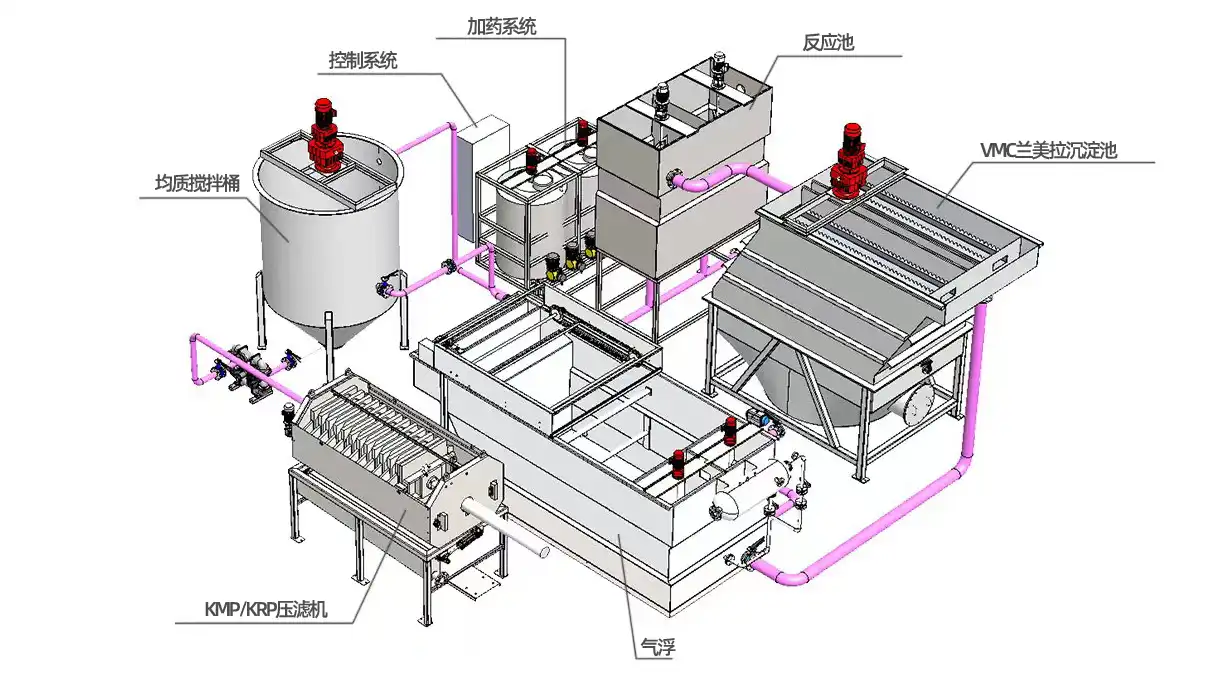
What are the main components of a plate and frame filter press?
Filter Plates and Frames
The heart of a plate and frame filter press consists of alternating filter plates and frames. These components are typically made of polypropylene or other durable materials resistant to various chemicals and high pressures. The filter plates feature a raised surface with drainage channels, while the frames provide the space for the filter cake to form. The plates and frames are designed to fit together tightly, creating individual chambers where the filtration process occurs. The number and size of these plates and frames can vary depending on the specific requirements of the filtration process, allowing for customization based on the volume and nature of the slurry being filtered. The plates are often ribbed or grooved to enhance drainage and support the filter cloth, which is crucial for efficient solid-liquid separation.
Filter Cloth
Filter cloth plays a vital role in the operation of plate and frame filter presses. It is a specially designed fabric that covers the filter plates, acting as the primary filtration medium. The choice of filter cloth material is critical and depends on factors such as the particle size of solids, chemical compatibility, and desired filtration efficiency. Common materials include polypropylene, polyester, and nylon, each offering different characteristics suitable for various applications. The filter cloth must be durable enough to withstand the high pressures involved in the filtration process while maintaining its porosity to allow for efficient liquid passage. Some advanced plate and frame filter presses, like the KRP500/8 model, feature automatic cloth spray cleaning systems, which help maintain the cloth's effectiveness and extend its lifespan, reducing maintenance downtime and improving overall operational efficiency.
Feed Pump and Piping System
The feed pump and piping system are crucial components in the operation of plate and frame filter presses. The feed pump is responsible for delivering the slurry to be filtered into the press at high pressure. This pressure is essential for forcing the liquid through the filter cloth while retaining the solids. The piping system distributes the slurry evenly across all the chambers formed by the plates and frames. It's designed to withstand high pressures and resist corrosion from potentially aggressive slurries. In advanced models like the KMP500/8, the feed system may include features such as air blowback functionality, which helps in cake discharge and improves filtration efficiency. The design of the feed system also considers factors like flow rate control and pressure regulation to optimize the filtration process for different types of slurries and desired outcomes.
How is the filtration process carried out in a plate and frame filter press?
Slurry Feeding and Pressure Application
The filtration process in a plate and frame filter press begins with the feeding of the slurry. The slurry, a mixture of liquid and suspended solids, is pumped into the press under high pressure. This pressure is crucial as it forces the liquid through the filter cloth while retaining the solids. The slurry is distributed evenly across all the chambers formed by the alternating plates and frames. As the liquid passes through the filter cloth, it's collected in the drainage channels of the filter plates and then exits the press through designated outlets. The applied pressure can be adjusted based on the specific requirements of the filtration process, the nature of the slurry, and the desired filtration rate. In advanced models like the KMP500/8, which has a total installed power of 2.2 kW, the pressure application can be precisely controlled to optimize the filtration process for different types of slurries.
Cake Formation and Dewatering
As the filtration process continues, solid particles are retained by the filter cloth, gradually forming a filter cake within each frame. This cake formation is a critical aspect of the filtration process, as it serves as an additional filtration medium, enhancing the overall efficiency of solid-liquid separation. The thickness of the cake increases over time, and its porosity decreases, leading to a more effective filtration but also increased resistance to flow. The dewatering phase follows, where additional pressure may be applied to squeeze out remaining liquid from the cake, further reducing its moisture content. In advanced plate and frame filter presses, like those offered by Xi'an Lexin Technology Co., Ltd., features such as vibration-assisted cake discharge can significantly improve the efficiency of this stage, eliminating the need for manual scraping and reducing cycle times.
Cake Discharge and System Cleaning
The final stage of the filtration process involves cake discharge and system cleaning. Once the filtration cycle is complete and the desired cake thickness is achieved, the press is opened, and the filter cakes are discharged. In traditional systems, this may involve manual scraping, but advanced models like the KMP500/8 (KRP500/8) offer vibration-assisted cake discharge, significantly reducing labor and time requirements. After cake discharge, the filter cloth and plates need to be cleaned to prepare for the next filtration cycle. Some models, such as the KRP500/8, feature optional automatic washing systems that enable fully automated filter cloth cleaning. This not only ensures consistent filtration quality but also extends the lifespan of the filter cloth. The KRP500/8 model also includes a drip tray (liquid collection flip plate) to manage any residual liquids during the cleaning process, contributing to a cleaner and more efficient operation.
What are the key advantages and applications of plate and frame filter presses?
Efficiency and Versatility
Plate and frame filter presses offer exceptional efficiency and versatility in solid-liquid separation processes. Their ability to handle a wide range of slurries with varying particle sizes and concentrations makes them indispensable in numerous industries. The high-pressure operation allows for effective dewatering, resulting in drier filter cakes and clearer filtrates. Models like the KMP500/8, with a filtration area of 3.5 m² and a chamber volume of 44.1 L, demonstrate the capacity for handling significant volumes efficiently. The versatility of these presses is further enhanced by their modular design, allowing for easy adjustment of the number of plates and frames to suit different process requirements. This flexibility, combined with features like automatic cloth cleaning systems in advanced models, ensures consistent performance across various applications, from wastewater treatment to chemical processing.
Space-Saving Design and Automation
One of the key advantages of modern plate and frame filter presses is their space-saving design. The compact structure of models like the KMP500/8, with overall dimensions of 2260*1000*2030 mm, allows for efficient use of floor space in industrial settings. This compact design is particularly beneficial in facilities where space is at a premium. Additionally, the trend towards automation in these filter presses significantly enhances their operational efficiency. Features such as automatic cloth spray cleaning systems and vibration-assisted cake discharge, as seen in the KRP500/8 model, reduce the need for manual intervention. This automation not only improves productivity but also enhances safety by minimizing human exposure to potentially hazardous materials. The air blowback function in advanced models further aids in efficient cake discharge and system cleaning, contributing to reduced downtime between filtration cycles.
Durability and Customization Options
Plate and frame filter presses are known for their durability and long operational life. The KMP500/8 model, for instance, is constructed with carbon steel with an anti-corrosion coating, ensuring resistance to wear and chemical attack. This durability translates to lower maintenance costs and longer intervals between replacements. Moreover, the customization options available for these filter presses make them adaptable to specific industry needs. Manufacturers like Xi'an Lexin Technology Co., Ltd. offer OEM services and accept non-standard specifications, allowing for tailored solutions to unique filtration challenges. The ability to select different filter cloth materials, adjust plate configurations, and incorporate additional features like drip trays or specialized cleaning systems enables users to optimize the filter press for their specific applications. This level of customization, combined with the robust construction, ensures that plate and frame filter presses remain a cost-effective and reliable choice for various industrial filtration needs.
Conclusion
Plate and frame filter presses are versatile and efficient tools for solid-liquid separation across various industries. Their modular design, high-pressure operation, and customizable features make them adaptable to diverse filtration needs. Advanced models like those offered by Xi'an Lexin Technology Co., Ltd. incorporate automation and space-saving designs, enhancing operational efficiency and safety. As filtration technology continues to evolve, plate and frame filter presses remain at the forefront, offering reliable performance and cost-effective solutions for industrial separation processes. Their ongoing development and refinement ensure their continued relevance in meeting the challenges of modern industrial filtration requirements.
For more information on plate and frame filter presses and other filtration solutions, contact Xi'an Lexin Technology Co., Ltd. at xalexin-tech@outlook.com. Located at No. 1, Building 1, Guodu Comprehensive Market, Guodu Subdistrict, Chang'an District, Xi'an City, Shaanxi Province, China, Lexin Technology specializes in R&D and pilot-scale testing equipment for hydrometallurgy and chemical industry applications. With a mature R&D team and extensive experience in equipment selection and design, they offer customized solutions, fast delivery, and comprehensive after-sales support to ensure your success.
References
1. Johnson, A. B., & Smith, C. D. (2018). Principles of Filtration: A Comprehensive Guide to Plate and Frame Filter Presses. Industrial Separation Quarterly, 42(3), 215-230.
2. Zhang, L., Wang, Y., & Chen, X. (2019). Advancements in Plate and Frame Filter Press Technology for Wastewater Treatment. Environmental Engineering Science, 36(7), 812-825.
3. Miller, R. J., & Thompson, K. L. (2020). Optimization of Cake Formation in High-Pressure Filtration Systems. Journal of Membrane Science, 595, 117522.
4. Patel, S., & Nguyen, T. H. (2021). Comparative Analysis of Filtration Efficiencies: Plate and Frame vs. Other Industrial Filter Types. Separation and Purification Technology, 258, 118015.
5. Brown, E. F., & Davis, G. M. (2017). Automation Trends in Industrial Filtration: A Focus on Plate and Frame Filter Presses. Automation in Manufacturing, 29(4), 342-356.
6. Lee, H. S., Kim, J. W., & Park, S. Y. (2022). Material Innovations in Filter Media for Enhanced Performance of Plate and Frame Filter Presses. Advanced Materials Technologies, 7(2), 2100994.


_1770200167466.webp)