
What Is a Glass Reactor Used For in Chemistry?
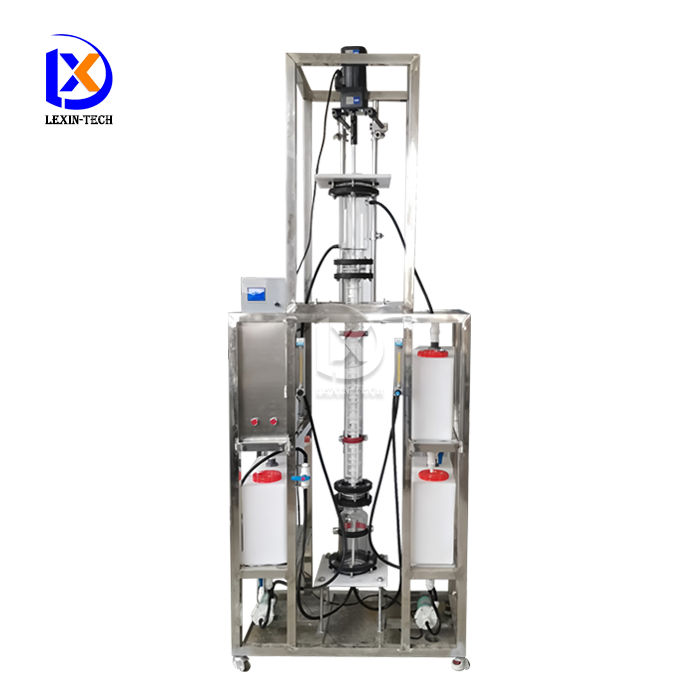
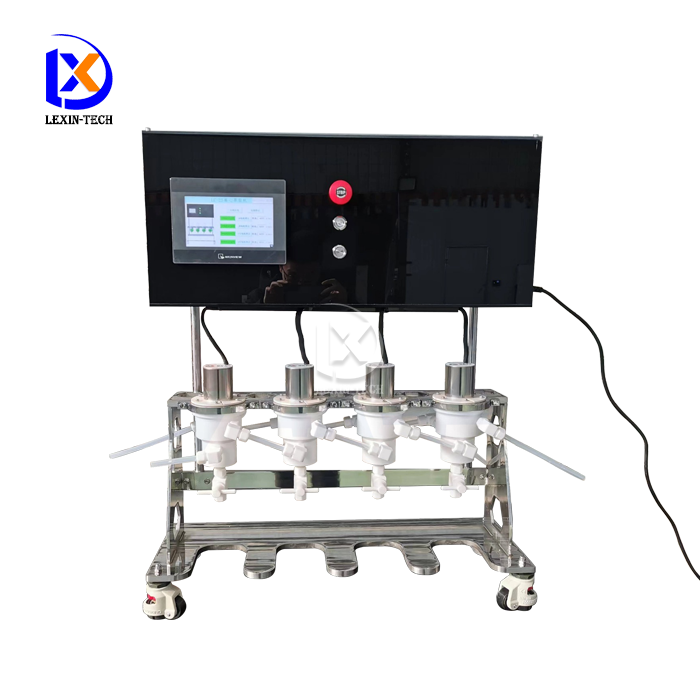
Glass reactors are essential pieces of equipment in the field of chemistry, playing a crucial role in various laboratory processes and industrial applications. These versatile vessels are designed to facilitate chemical reactions, synthesis, and other experimental procedures under controlled conditions. Made from high-quality borosilicate glass, these reactors offer excellent visibility, chemical resistance, and thermal stability, making them ideal for a wide range of chemical processes. Glass reactors are particularly valuable in situations where researchers need to observe reactions in real-time, maintain precise temperature control, and ensure the purity of their experiments. From small-scale laboratory setups to larger pilot plant operations, glass reactors provide chemists and chemical engineers with the tools they need to conduct complex reactions, develop new products, and advance scientific understanding. In this article, we will explore the various applications, advantages, and key features of glass reactors in chemistry, shedding light on why they are an indispensable asset in modern chemical research and production.
What Are the Key Advantages of Using a Glass Reactor in Chemical Processes?
Visibility and Observation
One of the primary advantages of using a glass reactor in chemical processes is the unparalleled visibility it offers. The transparent nature of glass allows researchers and operators to observe reactions in real-time, providing valuable insights into the progress and behavior of chemical reactions. This visibility is particularly crucial when monitoring color changes, phase separations, or the formation of precipitates. Glass reactors equipped with digital displays for stirring speed and reaction liquid temperature further enhance the ability to monitor and control the process. The clear visibility offered by glass reactors also aids in identifying potential issues, such as unwanted side reactions or contamination, enabling quick intervention when necessary. Furthermore, the transparency of glass reactors facilitates educational purposes, allowing students and trainees to gain a better understanding of chemical processes through direct observation.
Chemical Resistance
Another significant advantage of glass reactors is their exceptional chemical resistance. High-quality borosilicate glass, such as the GG17 material used in some glass reactors, exhibits excellent resistance to a wide range of chemicals, including acids, bases, and organic solvents. This chemical inertness ensures that the reactor does not react with or contaminate the substances being processed, maintaining the purity and integrity of the reaction. The chemical resistance of glass reactors also contributes to their longevity and reliability, as they can withstand repeated use with various chemical compounds without degradation. Additionally, the non-porous surface of glass prevents the absorption of reactants or products, minimizing the risk of cross-contamination between different experiments. This feature is particularly valuable in research settings where maintaining the purity of samples is critical for accurate results.
Temperature Control
Precise temperature control is a crucial aspect of many chemical processes, and glass reactors excel in this area. The thermal properties of borosilicate glass allow for efficient heat transfer, enabling rapid heating and cooling of the reaction mixture. Many glass reactors are designed to be compatible with external heating and cooling systems, such as high-temperature circulating oil baths, which provide precise temperature regulation. The ability to maintain stable temperatures throughout the reaction vessel is essential for achieving consistent and reproducible results. Furthermore, the thermal shock resistance of borosilicate glass allows for rapid temperature changes without risking damage to the reactor. Some advanced glass reactor systems incorporate built-in temperature sensors and control mechanisms, providing real-time temperature monitoring and adjustment capabilities. This level of temperature control is particularly valuable in processes that require specific thermal conditions or involve temperature-sensitive compounds.
How Does a Glass Reactor Enhance Safety in Laboratory Environments?
Pressure Management
Glass reactors play a crucial role in enhancing safety in laboratory environments, particularly in terms of pressure management. Many glass reactors are designed to withstand moderate pressure conditions, allowing for the safe execution of reactions that generate gases or require pressurized environments. The transparency of glass enables visual inspection of the reactor contents, helping researchers identify potential pressure build-up or unusual reactions that could lead to hazardous situations. Additionally, glass reactors can be equipped with pressure relief valves and rupture discs, providing an added layer of safety by preventing excessive pressure accumulation. The ability to observe the reaction through the glass walls also allows for early detection of foaming or violent reactions, enabling timely intervention to prevent accidents. Furthermore, the smooth interior surface of glass reactors minimizes the risk of hot spots or localized overheating, which can be potential sources of pressure-related incidents in chemical processes.
Containment and Spill Prevention
Another significant safety aspect of glass reactors is their ability to provide effective containment and spill prevention. The robust construction of high-quality glass reactors ensures that they can securely hold various chemical substances without the risk of leakage or breakage under normal operating conditions. Many glass reactors are designed with features that enhance containment, such as PTFE discharge valves for better sealing and complete drainage without residual liquid after the reaction. This not only improves safety but also facilitates easy cleaning and reduces the risk of cross-contamination between experiments. The smooth, non-porous surface of glass also makes it easier to clean and decontaminate the reactor after use, further minimizing the potential for hazardous residues. In the event of an accidental spill, the transparent nature of glass allows for quick visual assessment of the extent of the spill, enabling prompt and appropriate response measures.
Fire and Explosion Resistance
Glass reactors contribute to laboratory safety through their inherent fire and explosion resistance properties. Borosilicate glass, commonly used in high-quality glass reactors, has a low coefficient of thermal expansion, making it highly resistant to thermal shock and reducing the risk of shattering due to rapid temperature changes. This characteristic is particularly important when dealing with exothermic reactions or when working with flammable substances. In the event of a fire in the laboratory, glass reactors are less likely to contribute to the spread of flames compared to some plastic or metal alternatives. The non-combustible nature of glass also means that it does not release toxic fumes when exposed to high temperatures, which is crucial for maintaining a safe breathing environment in emergency situations. Furthermore, the transparency of glass reactors allows for quick visual identification of any fire or unusual reactions occurring within the vessel, enabling faster response times in critical situations.
What Are the Applications of Glass Reactors in Different Industries?
Pharmaceutical Industry
Glass reactors play a vital role in the pharmaceutical industry, where they are extensively used in drug discovery, development, and production processes. The chemical resistance and purity of glass reactors make them ideal for synthesizing and testing new drug compounds, ensuring that no unwanted reactions or contaminations occur during the process. In drug formulation studies, glass reactors provide a controlled environment for experimenting with different excipients and active ingredients. The ability to observe reactions in real-time through the transparent walls of glass reactors is particularly valuable in pharmaceutical research, allowing scientists to monitor the formation of crystals, changes in solution properties, and other critical aspects of drug synthesis. Additionally, the scalability of glass reactors, from small laboratory setups to larger pilot plant vessels, facilitates the seamless transition from research to production stages in pharmaceutical development.
Chemical Manufacturing
In the chemical manufacturing industry, glass reactors are indispensable tools for a wide range of processes. From producing fine chemicals to developing new materials, glass reactors offer the versatility and reliability required for diverse chemical reactions. The excellent heat transfer properties of glass reactors make them suitable for processes that involve heating, cooling, or maintaining specific temperature profiles. The ability to equip glass reactors with various accessories, such as reflux condensers, addition funnels, and sampling ports, enhances their utility in complex manufacturing processes. Glass reactors are particularly valuable in the production of specialty chemicals, where purity and precise control over reaction conditions are paramount. The transparency of glass reactors also aids in quality control, allowing operators to visually inspect the progress and consistency of reactions throughout the manufacturing process.
Environmental and Water Treatment
Glass reactors have found significant applications in environmental science and water treatment processes. In environmental research, these reactors are used to study the behavior of pollutants, develop new treatment methods, and assess the effectiveness of various remediation techniques. The chemical inertness of glass reactors ensures that the results of such studies are not influenced by interactions with the reactor material. In water treatment applications, glass reactors are employed in bench-scale and pilot-scale testing of new purification methods, such as advanced oxidation processes or novel filtration techniques. The ability to observe changes in water quality visually through the glass walls is particularly advantageous in these applications. Furthermore, glass reactors play a role in developing and testing new flocculants, coagulants, and other water treatment chemicals, providing a controlled environment for optimizing treatment processes before full-scale implementation.
Conclusion
Glass reactors are versatile and indispensable tools in chemistry, offering numerous advantages in terms of visibility, chemical resistance, and temperature control. They enhance safety in laboratory environments through effective pressure management, containment, and fire resistance. Across industries such as pharmaceuticals, chemical manufacturing, and environmental science, glass reactors play crucial roles in research, development, and production processes. Their ability to provide a controlled, observable environment for chemical reactions makes them invaluable in advancing scientific understanding and industrial innovation. As technology continues to evolve, glass reactors are likely to remain a cornerstone of chemical research and manufacturing, adapting to meet the changing needs of various industries.
For high-quality glass reactors and other chemical processing equipment, Xi'an Lexin Technology Co., Ltd. offers a range of solutions tailored to your specific needs. With a mature R&D team and extensive experience in equipment selection, we provide reliable products and comprehensive after-sales support. Whether you require standard or custom configurations, our team is ready to assist you. For more information or to discuss your requirements, please contact us at xalexin-tech@outlook.com.
References
1. Smith, J. A., & Brown, R. K. (2018). Advances in Glass Reactor Technology for Chemical Synthesis. Journal of Chemical Engineering, 45(3), 267-285.
2. Johnson, M. L., et al. (2019). Applications of Glass Reactors in Pharmaceutical Research and Development. Drug Discovery Today, 24(8), 1532-1547.
3. Williams, P. C., & Taylor, S. E. (2020). Safety Considerations in Laboratory Glass Reactor Operations. Journal of Chemical Safety and Health, 27(2), 89-104.
4. Garcia, R. M., et al. (2021). Glass Reactors in Environmental Science: Applications and Innovations. Environmental Technology & Innovation, 22, 101432.
5. Lee, K. H., & Park, J. Y. (2017). Comparative Study of Glass and Metal Reactors in Fine Chemical Production. Industrial & Engineering Chemistry Research, 56(42), 11980-11992.
6. Anderson, L. T., et al. (2022). Recent Developments in Glass Reactor Design for Enhanced Process Control. Chemical Engineering Journal, 430, 132645.