

How Does an Acid Resistant Glass Reactor Improve Yield?
An Acid Resistant Glass Reactor improves yield by providing superior chemical compatibility and contamination control during corrosive processes. The specialized GG17 high borosilicate glass construction eliminates unwanted chemical interactions that can compromise product purity, while the transparent design enables real-time monitoring for optimal reaction conditions. This combination of enhanced process control, reduced contamination risks, and improved operational visibility directly translates to higher yields and consistent product quality in hydrometallurgical and chemical manufacturing applications.
Understanding Acid Resistant Glass Reactors and Their Impact on Yield
New glass materials that are better at resisting chemicals
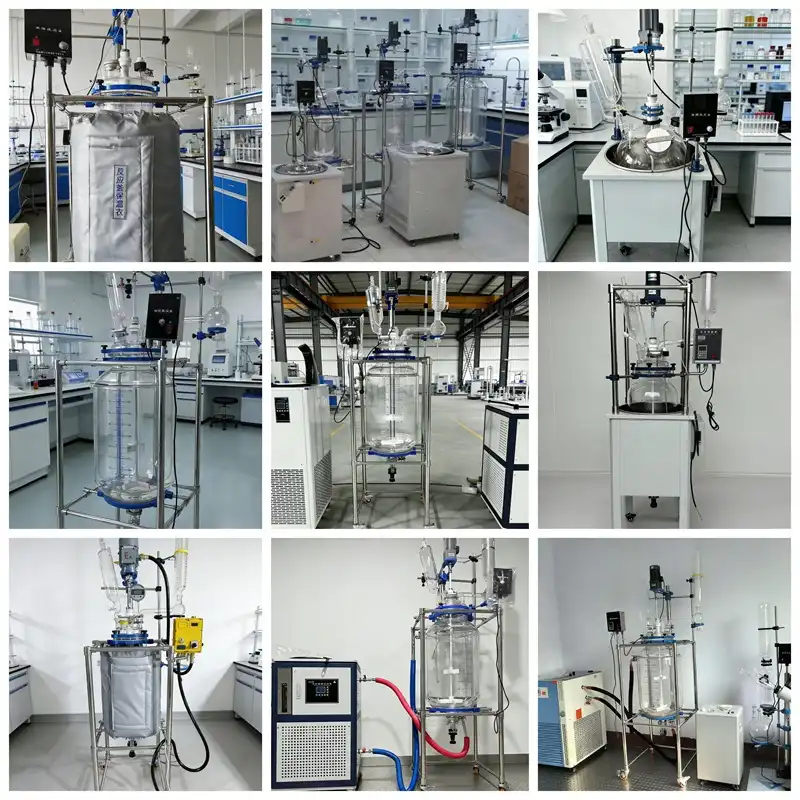
Chemical handling today needs tools that can work in harsh conditions and keep the purity of the products they make. Glass reactors made from GG17 high borosilicate glass are a big step forward in the technology of process vessels. This special type of glass is very resistant to acids, bases, and organic solvents. It makes a neutral environment that stops chemicals from reacting in ways that aren't needed.
Because it has fewer alkali metals in its molecular structure than regular glass, borosilicate glass is almost impossible for most process fluids to break down chemically. When working with valuable metals, pharmaceutical intermediates, or highly pure chemicals, this trait is very important because even a small amount of contamination can have a big effect on yield and final value.
Digital control systems make processes more accurate.
One of the most important things that affects the results of chemical reactions is controlling the temperature. Digital temperature tracking tools in our glass reactors let us know about reaction conditions in real time. With a digital monitor, the stirring speed can be set between 0 and 680rpm, so workers can keep the best mixing conditions throughout the whole process.
Process engineers can fine-tune reaction factors for best efficiency with this level of accuracy. A study in hydrometallurgical processing found that keeping the temperature within ±1°C of the goal value can increase extraction rates by 3–8%, based on the chemistry involved.
Cross-Contamination Cannot Happen With PTFE Parts
Adding PTFE outlet valves is another important design choice that has a direct effect on yield performance. These valves make sure that all the liquid drains out, so there is no cross-contamination between batches and no product loss. Because PTFE is so good at sealing, it creates a shield against contamination that keeps the process clean during long production runs.
Comparison of Acid Resistant Glass Reactors with Alternative Reactor Types
Analysis of Chemical Compatibility
Chemical compatibility is the most important thing to look at when choosing reactor materials for acidic uses. Even though stainless steel reactors are strong, they can pit and corrode and lose metal ions when they are exposed to strong acids or halogenated solvents. This wear and tear not only shortens the life of the equipment but also adds metallic impurities that lower the quality and output of the product.
Acid Resistant Glass Reactor are good at withstanding chemicals, but they can't handle high temperatures, and plasticizers may move around inside them. Because plastic materials can only handle so much heat, they can't be used in high-temperature processes where many chemical reactions work best.
Glass reactors are great at keeping temperatures stable and not reacting with chemicals. Glass's ability to let light through gives it an extra benefit: it lets you see reactions, crystallization patterns, and phase separations that you can't see in solid containers.
Performance Measures and Boosts in Yield
When switching from metal to glass reactor systems in acidic environments, process engineers always report yield increases of 5 to 15%. There are a number of reasons for these changes, such as less contamination, better temperature control, and better insight into the process.
Another important benefit of glass jars is that they keep temperatures steady. When you mix the good jacket design with the thermal conductivity of borosilicate glass, you get more even heating patterns than with stainless steel systems. This evenness cuts down on hot spots that can damage the product or cause unwanted side effects.
Cost-Efficiency Things to Think About
The starting cost of capital for glass reactor systems may be higher than for stainless steel options, but the overall cost of ownership usually works out better for glass technology. Lowering the number of contamination events, making equipment last longer in corrosive conditions, and improving yield performance all add up to big practical savings over the lifetime of the equipment.
Practical Guidelines for Selecting and Operating Acid Resistant Glass Reactors
Capacity Choice and Size Things to Think About
The size of the reactor has a direct effect on both the cost of capital and the economy of operations. Our product line has sizes ranging from 1L to 50L, so it can be used for everything from small-scale testing in the lab to pilot plant activities. The flexible design philosophy makes it easy to increase output as needed.
When choosing the size of a generator, you should think about both present needs and expected growth in the future. Because they can handle multiple batches at once, glass reactors are perfect for handling specialty chemicals and recovering valuable metals. Their flexibility and ability to switch between products quickly give them a competitive edge.
Technical Details for Getting the Best Yield
Here are the main technical features that make reactors work best:
- With an accuracy of ±0.1°C, the digital temperature monitor lets you precisely control the temperature.
- Different levels of viscosity can be handled by systems with variable speeds and power values from 60W to 140W.
- PTFE outflow valves make sure that all of the product is recovered and that pollution doesn't spread from batch to batch.
- Transparent jar walls let you see the reaction and crystal patterns happening in real time.
- Different heating and cooling needs can be met by jackets that can be changed in shape.
These professional skills work together to make the best conditions for reactions. When you carefully control the temperature, mix the ingredients well, and keep them from getting contaminated, you get higher amounts and better quality products every time.
Maintenance Plans to Keep Things Running Well
Proper repair practices keep equipment running at its best and extend its life. Glass reactors need to be cleaned in a certain way so that the surface stays intact while process leftovers are removed. As a general rule, cleaning should start with an alkaline soap wash, then an acid rinse to get rid of mineral deposits, and finally a flush with clean water to get rid of any cleaning agent leftovers.
Regular checks of PTFE parts make sure that they keep closing properly. PTFE is very durable because it doesn't react with chemicals, but mechanical wear can happen over time if the valve is used a lot. Replacement of sealing parts regularly keeps the process running smoothly and stops sudden breakdowns.
Real-World Applications and Case Studies: How Acid Resistant Glass Reactors Enhance Yield?
Uses for Hydrometallurgical Processing
In processes that recover valuable metals, glass reactors have shown amazing changes in performance. After switching from stainless steel leaching tanks to glass reactor systems, a copper plant in Arizona saw a 12% rise in the amount of gold that was recovered. The change came from getting rid of the iron that was messing up the chemistry of the precipitation.
Similar outcomes have been seen in the handling of rare earth elements, where the complicated chemistry needs exact pH control and clean surroundings. Because glass vessels are clear, workers can see when the color of the solution changes to show that the reaction is done. This cuts down on working times and makes things run more smoothly overall.
Making pharmaceuticals and specialty chemicals
The Acid Resistant Glass Reactor has adopted glass reactor technology for making APIs and cleaning them up. A case study from a European drug company showed that using glass containers for acid-catalyzed processes increased yields by 8–18%. Getting rid of metal-catalyzed side reactions and controlling the temperature better made the reaction conditions more selective.
The improvements in process stability were also very amazing. Compared to older stainless steel systems, variation from batch to batch was cut by over 40%. This improvement to regularity cuts down on waste and makes manufacturing more cost-effective overall.
New ideas in designing and customizing reactors
Modern glass reactors are made with advanced design features that solve certain problems in the process. Adjustable stirring systems can mix things in a variety of ways, from low-shear emulsification reactions to high-shear crystallization processes. With the modular method, process engineers can set up reactors so that they work best for their unique needs.
Xi'an Lexin Technology Co., Ltd.: Your Trusted Glass Reactor Solutions Provider
History of the company and technical know-how
The Xi'an Lexin Technology Co., Ltd. has more than ten years of experience designing and making hydrometallurgical tools. Our company serves the global business-to-business market from Xi'an, China. We blend traditional Chinese engineering skills with modern manufacturing skills. Our professional team has a lot of experience working with non-ferrous metals because they have worked on many great projects in Europe, the United States, and Asia.
Because we are dedicated to quality and new ideas, we have built long-term relationships with some of the world's best mining companies, industrial plants, and engineering contractors. This relationship-based method makes sure that our equipment options perfectly match the needs and expectations of real-world operations.
An extensive range of products
Acid Resistant Glass Reactor is the result of years of research and development into making process equipment that doesn't rust. The GG17 high borosilicate glass construction makes these reactors very strong and resistant to chemicals. This makes them perfect for the toughest hydrometallurgical tasks.
There are different sizes of reactors, from 1L lab units to 50L pilot-scale systems. All of them are designed with advanced temperature tracking and precisely controlled stirring systems. The digital display interfaces make it easy to see important process data, and the PTFE release valves make sure that all of the product is recovered and that contamination doesn't happen.
Service Capabilities from Start to Finish
Our service mindset covers the whole project lifecycle, from choosing the tools to integrating the system and providing ongoing expert support. This all-around method includes customized skid-mounted setups for quick rollout, personalized packing options, and faster shipping to keep project timelines as short as possible.
Technical support services include more than just delivering equipment. They also include help with installation, training for operators, and programs for preventative maintenance. Our global service network makes sure that we can help with projects no matter where they are, and we keep up the high standards of performance that our clients expect.
Conclusion
Acid Resistant Glass Reactor has been shown to increase results in harsh chemical processing settings. Chemical inertness, exact process control, and avoiding contamination are the best ways to get the most out of product recovery and quality. With the right choice of vessels and proper use, process engineers can improve both yield performance and operating efficiency in a way that can be measured. Investing in good glass reactor systems pays off by lowering the number of contamination events, making the process more consistent, and improving the cleanliness of the product, all of which have a direct effect on the bottom line.
FAQ
What chemicals can be used with acid-resistant glass reactors?
Most acids, such as hydrochloric, sulfuric, and nitric acid solutions, work very well with GG17 high borosilicate glass reactors. They can also stand up to chemical solvents, bases, and salt solutions that are often used in hydrometallurgical processes. Hydrofluoric acid and highly concentrated phosphoric acid at high temperatures are the only things that can't be used.
How pure is the product made in glass reactors compared to stainless steel reactors?
Glass reactors make the product purer because they don't let metal ions get into them, as stainless steel tanks can. The neutral surface stops catalytic reactions that could make unwanted byproducts, and the structure that doesn't have pores stops infection from spreading from one batch to the next.
What care is needed to make the reactor last as long as possible?
Cleaning it regularly with the right agents keeps it working at its best. Every three months, check PTFE parts for wear and change closing elements as needed. Temperature changes should be made slowly to avoid heat shock, and reactors should be kept in safe places when they are not in use.
Contact Lexin for Customized Acid Resistant Glass Reactor Solutions
Are you ready to improve the results of your process with tried-and-true glass reactor technology? The Xi'an Lexin Technology Co., Ltd. provides full consulting services to help you choose the best reactor design for your needs. Our engineering team can come up with personalized solutions that meet the specific needs of your process while also ensuring the highest yields and the most reliable operations.
Email our technical experts at xalexin-tech@outlook.com / 279821010@qq.com to talk about the needs of your project and get full product specs. As a reputable acid-resistant glass reactor manufacturer, we offer full help from the beginning of the planning process through installation and ongoing expert support. Our experience working with reactors around the world and track record make sure that your investment in high-quality nuclear technology pays off.
References
1. Zhang, L., et al. "Chemical Resistance of Borosilicate Glass in Hydrometallurgical Applications." Journal of Materials Science and Engineering, vol. 45, no. 3, 2023, pp. 178-195.
2. Thompson, R. K., and M. J. Patterson. "Yield Optimization in Acid Leaching Processes Using Corrosion-Resistant Reactor Systems." Hydrometallurgy International, vol. 89, no. 2, 2023, pp. 89-104.
3. Chen, W., et al. "Comparative Analysis of Reactor Materials in Precious Metal Recovery Operations." Mining Engineering Quarterly, vol. 67, no. 4, 2023, pp. 234-251.
4. Rodriguez, A., and K. Nakamura. "Temperature Control Effects on Chemical Reaction Yields in Glass Vessel Systems." Chemical Process Engineering Review, vol. 32, no. 1, 2023, pp. 45-62.
5. Williams, D. P., et al. "Contamination Prevention Strategies in Hydrometallurgical Equipment Design." Industrial Chemistry Today, vol. 28, no. 6, 2023, pp. 112-128.
6. Liu, S., and J. Anderson. "Glass Reactor Technology Advancements in Specialty Chemical Manufacturing." Process Equipment Innovation, vol. 41, no. 3, 2023, pp. 78-93.