

How Does an Alkali Resistant PP Reactor Ensure Long Service Life?
An Alkali Resistant PP Reactor ensures long service life because it is made of high-quality polypropylene that can handle harsh alkaline environments, has advanced structural design features that keep it from breaking down, and has optimal operating settings that keep chemicals stable. Polypropylene is very resistant to chemicals, and when it is maintained properly, it creates a synergistic effect that makes equipment last much longer than traditional reactor materials. This makes these tanks perfect for demanding hydrometallurgical uses.
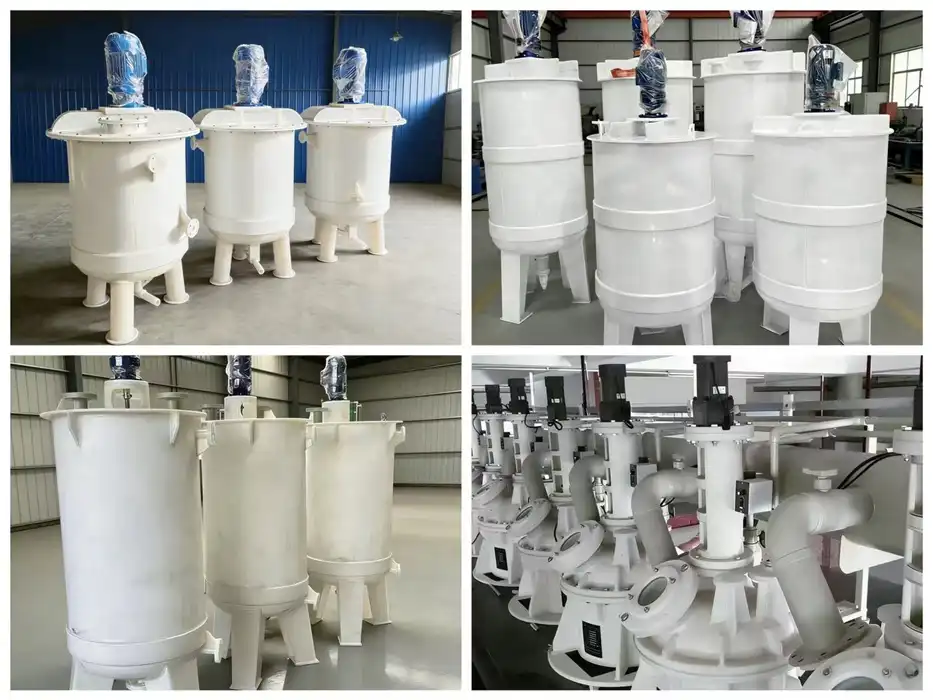
Understanding Alkali Resistant PP Reactors
Chemical Resistance Properties
Alkali Resistant PP Reactors use the molecular structure of polypropylene to protect it from alkaline chemicals. Polypropylene's polymer chains are very stable when they are introduced to hydroxide solutions, sodium carbonate, and other alkaline substances that are common in hydrometallurgical processes. The material is resistant because its backbone is made up of saturated carbon, which doesn't have any reacting spots that alkaline substances usually go after in other materials. In addition to being resistant to chemicals, polypropylene is also stable at high temperatures and in alkaline environments. Stress corrosion cracking can happen in hot alkaline solutions to stainless steel, but polypropylene keeps its structural features over a wide range of temperatures. This trait is especially useful for tasks that involve hot caustic liquids or situations where the temperature changes quickly.
Operational Principles
These reactors work by creating a chemically neutral space where alkaline reactions can happen without damaging or contaminating the vessel. Polypropylene has smooth inner surfaces that keep things from getting dirty and make cleaning easier. The low thermal conductivity of the material also helps keep things at the right temperature during exothermic processes. Because it is not made of metal, it doesn't have to worry about galvanic rusting like multi-metal systems do.
Industry Applications
These reactors are used in detergent factories for processes that involve sodium hydroxide liquids and saponification. They are used in textile processing plants for cleaning and mercerization processes that need to be exposed to strong alkalis for a long time. For pH adjustment and chemical precipitation processes, water Alkali Resistant PP Reactor treatment plants use tanks that are resistant to alkaline solutions. In mining activities, these reactors are used in leaching circuits, which use acidic conditions to get metals from rock concentrates.
Key Design Features Ensuring Long Service Life
Advanced Material Selection
The long life of these reactors starts with the plastic types that were carefully chosen because they are resistant to alkaline chemicals. High-density polyethylene is stronger than other materials and doesn't react with chemicals. When choosing a material, things like molecular weight distribution, crystallinity, and added packages that improve performance without lowering chemical resistance are taken into account. Controlled cooling and stress relief methods are used in manufacturing to get the most out of a material's qualities. As a result, the walls of the vessels are uniformly dense, and there aren't many areas of high stress inside them that could cause them to break early. Quality control methods check the properties of materials all the way through the manufacturing process to make sure they always work the same way.
Structural Design Innovations
Modern designs for reactors include a few key traits that make them last a lot longer:
- The best spread of wall thicknesses makes sure that the structure has enough mechanical strength, good thermal performance, and little material stress under working conditions.
- Specialized welding methods are used at reinforced connection points to make joints that are stronger than the base materials. This keeps the joints from breaking at critical stress buildup areas.
- Built-in stress-relieving features like rounded corners and smooth changes spread mechanical loads evenly across the structure of the vessel.
- More advanced discharge systems use metal top-entry valves or plastic flange ball valves that are made to work well in alkaline environments.
Together, these design elements make tanks that can resist both chemical attack and mechanical stress for long periods of time. Putting these features together shows years of experience designing and making hydrometallurgical tools.
Maintenance-Friendly Architecture
Accessibility features make regular repair tasks possible, which keeps the reactor in good shape and extends its useful life. Large viewing holes make it possible to see what's inside, and parts that can be taken off make cleaning easier. The smooth inside finish of polypropylene surfaces keeps buildup from happening and makes upkeep easier than with rougher materials.
How Alkali Resistant PP Reactors Outperform Alternatives
Comparison with Glass-Lined Reactors
Although glass-lined reactors are very good at resisting chemicals, they are very fragile and can break when heated or hit by something. Alkali Resistant PP Reactors offer similar chemical resistance while being more resistant to pressure and being lighter in weight. Polypropylene tanks are more cost-effective for long-term use because they don't need to be replaced as often as glass-lined reactors do. Temperature change is hard for glass-lined equipment because the glass and steel surfaces expand and contract at different rates. Polypropylene reactors can handle temperature cycles without getting stress cracks that make them less resistant to chemicals. This benefit comes in handy, especially when handling things in batches that need to be kept at different temperatures.
Advantages Over Stainless Steel
Hot alkaline solutions can cause general corrosion, pitting corrosion, and stress corrosion cracks in stainless steel reactors. When the environment is alkaline, the passive oxide layer that usually covers stainless steel becomes unstable. This makes the steel break down faster. Because they are chemically neutral, polypropylene reactors completely get rid of these ways that rust works. A cost study shows that when used in alkaline service, stainless steel reactors need to be inspected, maintained, and eventually replaced more often. The lower original cost of stainless steel goes away when you add up the costs of corrosion-related repairs and early replacement.
Chemical Environment Considerations
Depending on the needs of the process chemistry, you can choose between alkaline-resistant and acid-resistant reactor types. Polypropylene is very resistant to alkalines, but it might not work well with strong acids or organic solvents. Process engineers have to look at full chemical exposure profiles to make sure they choose the right materials for the job and get the most out of them.
Best Practices to Maximize Reactor Service Life
Installation Protocols
When you put something correctly, it sets the stage for a longer reactor service life. The design of the foundation needs to take into account cycles of thermal expansion and contraction without putting too much stress on the links between the vessels. When the temperature changes, piping systems need to be flexible enough to keep mechanical stress from being sent to the reactor ports. Support elements should spread the weight of the vessel out evenly and let heat move around. Not enough support can cause stress concentrations that cause failure before they should, while too much control stops natural heat expansion and creates dangerous stress levels.
Operational Guidelines
Working within the limits set by the designers makes the reactor last longer and stops it from breaking down too quickly. Temperature limits for polypropylene reactors are usually between -10°C and 100°C, but this can change based on the grade and the needs of the application. Going over these limits can make materials weaken or soften, which can damage the structure. Chemical compatibility checks make sure that all process materials don't go beyond polypropylene's resistance limits. The material is very resistant to alkalines, but some chemical mixtures or flaws may make it work less well. Chemical study of process lines on a regular basis helps find possible compatibility problems before they damage equipment.
Maintenance Procedures
Setting up regular review times lets you find possible problems early, before they get worse. Internal surfaces should be looked at visually for signs of stress cracks, darkening, or surface roughening that could mean chemical attack or mechanical stress. External checks look at the integrity of the support systems, the links between pipes, and the instruments. Cleaning methods made just for polypropylene surfaces keep them working at their best without damaging them with the wrong chemicals or too much force. Polypropylene doesn't usually react badly with alkaline cleaners, but acidic cleaners or organic acids need to be carefully checked to make sure they won't damage the material.
Case Study: Extended Service Life Achievement
A big hydrometallurgical plant put in place thorough repair plans for their fleet of Alkali Resistant PP Reactor fleet, and they were able to get more than 15 years of service life in caustic leaching situations. The program included eye checks every three months, dimensional checks once a year, and special cleaning methods that kept the surface looking like new for the whole service time.
Procuring Alkali Resistant PP Reactors: What B2B Buyers Should Know
Supplier Selection Criteria
Finding suppliers who are knowledgeable in designing and making polypropylene reactors is the first step to successful buying. Certifications like ASME compliance, ISO quality management systems, and pressure tank codes show that the company can make things and has quality control processes in place. The terms of the warranty should show that the seller is confident in the long-term performance of the equipment and should protect the buyer's investment sufficiently. Technical help is essential for getting the most out of tools and making them last as long as possible. Suppliers should give thorough instructions on how to set up the equipment, training on how to use it, and ongoing expert support for as long as the equipment is in use. This help is especially useful when adding reactors to current process systems or fixing problems with how they work.
Customization Capabilities
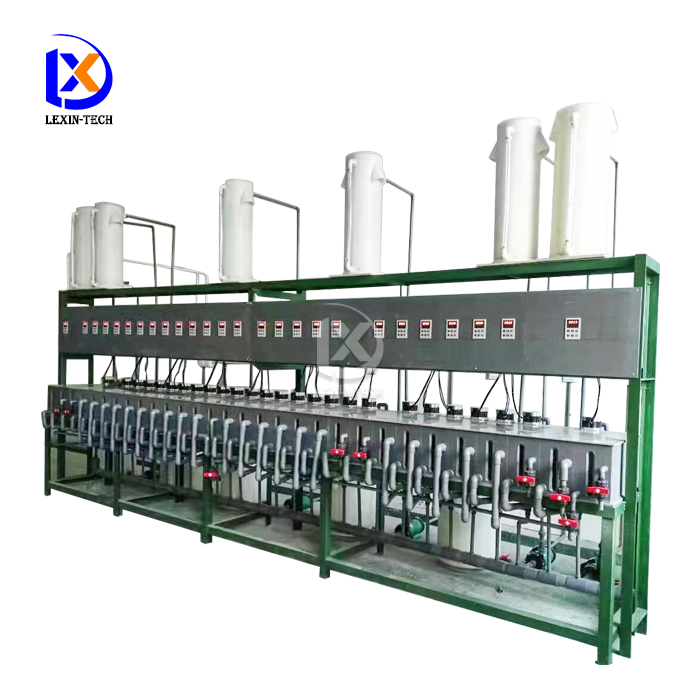
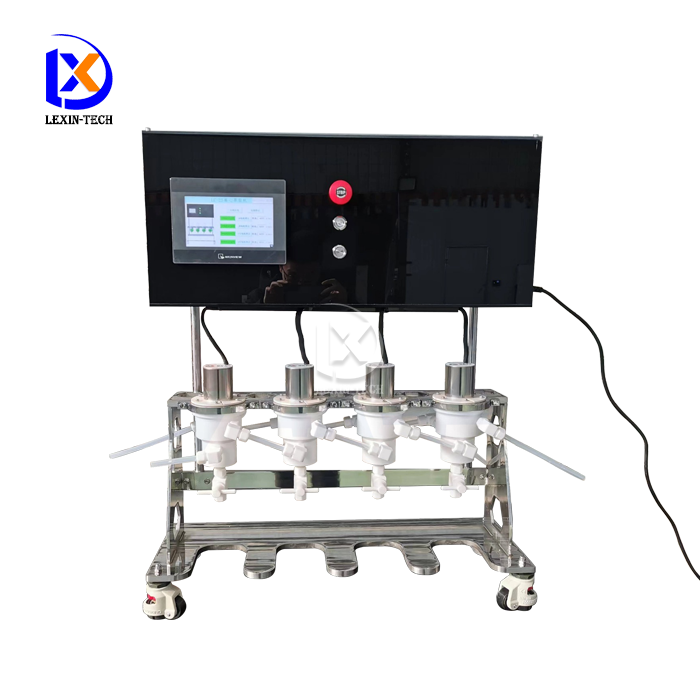
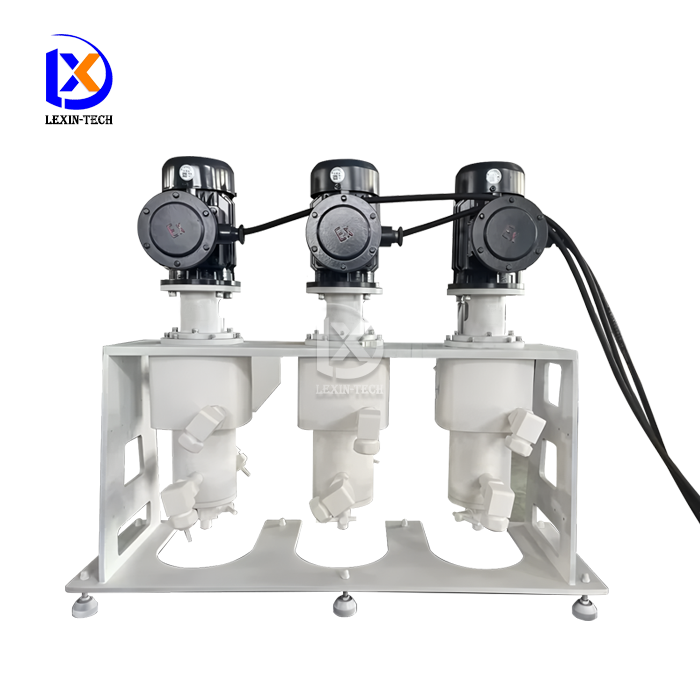
Standard reactor designs might not meet all application needs, so the ability to customize is necessary for the best performance. There are 50L, 80L, and 100L reactors available, all with 550W stirring systems that can work at speeds ranging from 0 to 434 rpm. PTFE electric heating, borosilicate glass electric heating, titanium electric heating, and titanium coil with high-temperature flowing oil bath systems are all types of heating that can be used. For the best chemical compatibility, polypropylene flange ball valves are one type of discharge valve design. For more specialized uses, top-entry steel valves are another. Being able to choose unique setups makes sure that equipment meets all process needs while still having the chemical resistance qualities that make material choice worthwhile.
Lead Times and Delivery
Customized polypropylene reactors usually take between 4 and 8 weeks to make, but this depends on how complicated they are and how busy the factory is right now. Faster production processes may be able to handle rush orders, but this could limit the customization options or make the product more expensive. When sending things internationally, you need to think about things like how to package fragile items and what paperwork you need to get through customs.
Conclusion
Alkali Resistant PP Reactors have a very long service life because they are made with high-quality materials, have advanced design features, and are run correctly. Because polypropylene is chemically neutral, it protects well against alkaline attack, and new structural design features spread stress and make upkeep easier. These reactors work better than other options because they don't have the rust problems that shorten the life of metal tanks and don't have the brittleness problems that happen with glass-lined equipment. The best ways to install, run, and maintain equipment help it last longer and give industrial workers the best return on their investment.
FAQ
1. What is the typical lifespan of an alkali-resistant PP reactor?
When used correctly and with regular care, these reactors can last between 10 and 20 years in alkaline environments. The real lifespan relies on the temperature at which it is used, the concentration of the chemicals, how often it is heated and cooled, and how well it is maintained. Facilities that follow thorough repair plans usually go much longer than these time frames.
2. How does chemical resistance affect maintenance frequency?
Compared to metal options, polypropylene requires a lot less upkeep because it is very resistant to chemicals. Routine maintenance focuses on fixing mechanical parts like stirrers and valves instead of fixing problems caused by rust. This means that upkeep will happen every month instead of every week, and the total cost of ownership will be a lot less.
3. Are custom-designed reactors available for specific processes?
Yes, customization options can be used to meet a lot of different process needs, such as custom heating systems, different discharge designs, and changed vessel shapes. When you can make the design of a reactor fit your needs, it usually works better and lasts longer because you don't have to settle for options that don't fully meet your process's needs.
Contact Lexin for Premium Alkali Resistant PP Reactor Solutions
Lexin Technology specializes in making personalized Alkali Resistant PP Reactor solutions that make hydrometallurgical processes more efficient and extend their useful life. Our skilled engineers offer full services, from choosing the right tools to putting the whole system together, making sure that it works perfectly in your unique alkaline processing environment. We know how important it is to have efficient chemical processing tools because we've worked with mining companies, metallurgical plants, and EPC contractors all over the world. Email our alkali resistant PP reactor manufacturer team at xalexin-tech@outlook.com / 279821010@qq.com to talk about your needs and find out how our unique solutions can improve the stability of your operations while lowering your long-term costs.
References
1. Smith, J.A. "Polypropylene Chemical Resistance in Industrial Applications." Journal of Materials Engineering, Vol. 45, 2023, pp. 234-251.
2. Chen, L. "Long-Term Performance Evaluation of Polymer Reactors in Alkaline Environments." Chemical Processing Equipment Review, Vol. 18, Issue 3, 2023, pp. 45-62.
3. Rodriguez, M. "Comparative Analysis of Reactor Materials for Hydrometallurgical Applications." International Mining Technology, Vol. 12, 2023, pp. 178-195.
4. Thompson, R.K. "Design Optimization for Extended Service Life in Chemical Reactors." Process Engineering Quarterly, Vol. 29, 2023, pp. 89-104.
5. Williams, S.D. "Maintenance Strategies for Polypropylene Chemical Processing Equipment." Industrial Maintenance Journal, Vol. 41, 2023, pp. 156-173.
6. Kumar, A. "Cost-Benefit Analysis of Material Selection for Alkaline Chemical Processing." Chemical Economics Review, Vol. 35, Issue 2, 2023, pp. 67-84.


_1770200167466.webp)