

How to Choose the Best Double-Layer Glass Reactor?
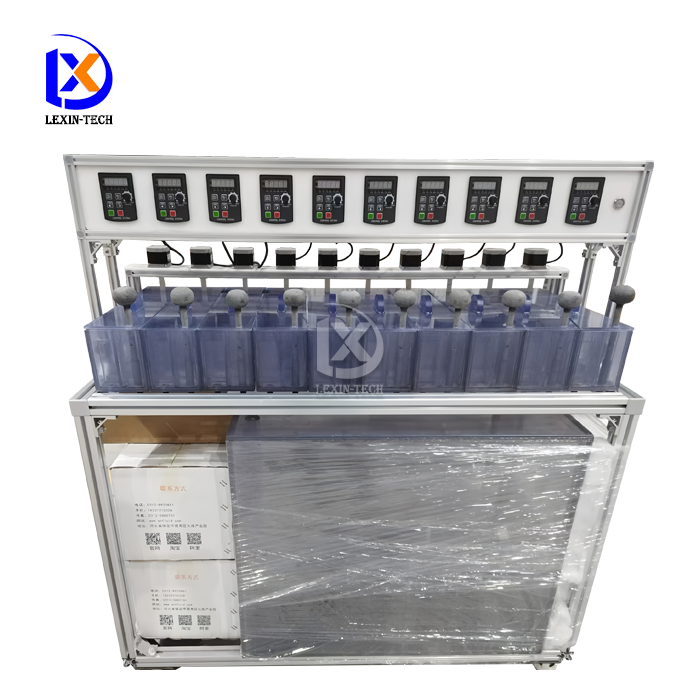
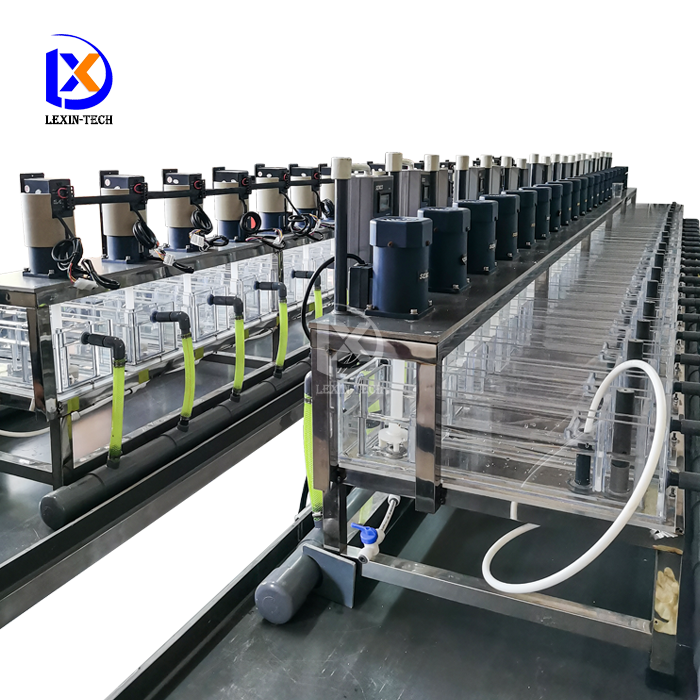
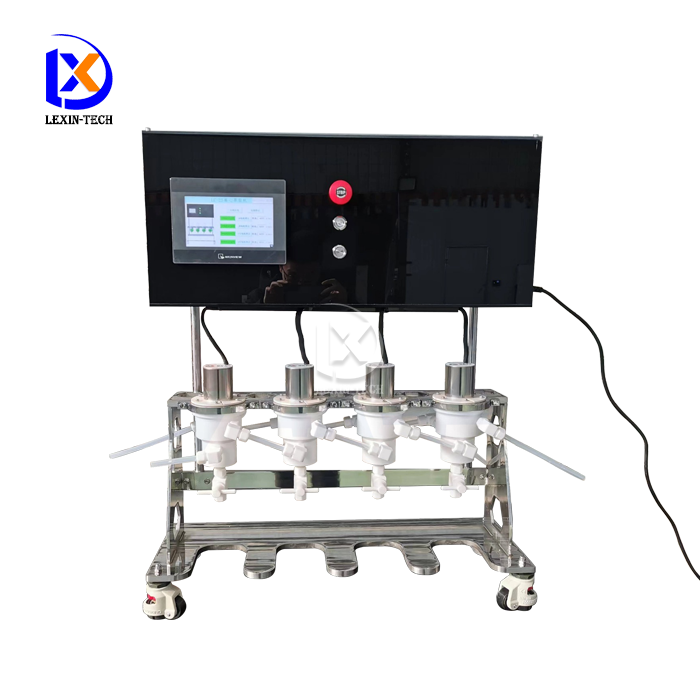
The quality and speed of your process will depend on several scientific and operating factors that you need to carefully think through to choose the best Double-Layer Glass Reactor. A double-layer glass reactor's unique double-wall design makes it easier to control the temperature, safer, and easier to see what's happening in the processes. Unlike single-layer reactors, these have a space in the middle of the glass walls that lets media that heat or cool move around and exactly control the temperature. You can make the right choice if you know exactly what you need, look at the technical specs, and work with skilled makers who can make solutions that meet your needs. PTFE discharge valves allow full drainage, and modern double-layer reactors come in a range of capacities, from 1L units for the lab to bigger 50L systems for commercial use. They also have digital displays for temperature and stirring speed. Because of this, they can be used in the production of chemicals, the research and development of new medicines, and the working of metals.
Understanding Double-Layer Glass Reactors: Core Concepts and Features
Fundamental Design Principles and Construction
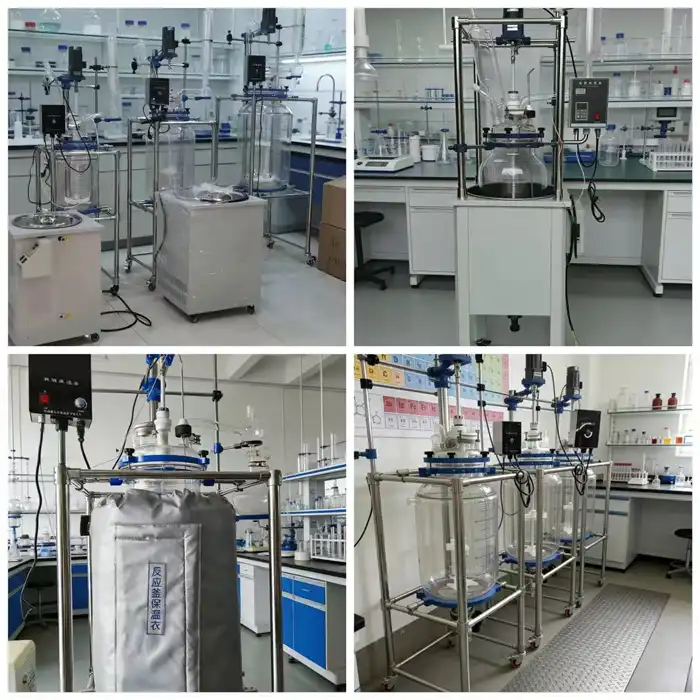
Process equipment has come a long way, and double-layer glass reactors are a big step forward. Because they have a complicated double-wall structure, they are not the same as single-layer devices. The reaction mixture is in the inner tank, and the temperature can be precisely managed by the outer jacket. The design is made with high-quality GG17 borosilicate glass, which is resistant to chemicals and sudden changes in temperature. This is important for commercial uses that need to be tough. As little energy as possible is used, vacuum-insulated areas are put between layers to help heat move around more effectively. The temperature stays the same all the way through the reaction tank with this engineering method. There are no longer any hot spots that could harm the goods or put people in danger. Because borosilicate glass is clear, workers can see the process going on without any problems. In real time, they can see changes in color, precipitation, and phase separations.
Advanced Temperature Control and Monitoring Systems
There are high-tech digital monitor systems in modern double-layer reactors that always show both how fast the reaction is being stirred and how hot it is. There is no need to guess with these digital tools because they allow precise process control. This is especially important for reactions that are sensitive to temperature, which happen a lot in the specialty chemical and pharmaceutical industries. The temperature control device generally works with moving oil baths outside the device, providing a full solution for temperature control. It is the heat and cold systems that work through the jacket area. The fluids that move heat around keep the response conditions just right. With this method of indirect heating, places don't get too hot, and changes in temperature happen slowly and smoothly. This keeps heat from breaking down chemicals that are sensitive to it. Most of the time, the temperature accuracy is within ±1°C, which is fine for analytical and preparative chemistry.
Enhanced Safety Features and Operational Benefits
Safety features such as pressure release systems, emergency cooling choices, and fail-safe tracking gear are considered when a double-layer reactor is being built. Another way to keep it from breaking by accident is the double-wall design. The PTFE release valve also makes sure that all the product is recovered without mixing batches. There are no leaks with this type of valve because it closes well and is easy to clean between uses.
Key Criteria for Choosing the Best Double-Layer Glass Reactor
Capacity Selection and Scale Considerations
To choose the Double-Layer Glass Reactor size, you should think about how much you need to make, how big your batches are, and how much space you will need in the future. Most of the time, the sizes run from 1L for lab studies to 50L for pilot projects and small-scale production. When making the choice, working numbers need to be taken into account. In most cases, these are between 60 and 80% of the stated capacity. This is done to leave enough room for mixing and to stop overflowing during strong responses. Labs use smaller reactors (1L–5L) to create new methods and study how to make them better. Pilot plants, on the other hand, use medium-sized units (10L–20L) to test processes and make small batches. Bigger reactors (30L–50L) are used in semi-commercial settings where it's important to get the same quality product every time and have consistent results.
Stirring Power and Speed Requirements
The system for stirring must be able to mix things well enough for your needs without being too rough on delicate items. Small reactors (1L–5L) work best with 60W motors. Medium reactors (10L–20L) work best with 120W motors, and large systems (30L–50L) work best with 140W motors. Most speed settings are between 0 and 680 rpm, so you can mix things in a lot of different ways. How fast the mass moves, how quickly heat spreads, and how fast responses happen depend on how the moving mechanism is made. If you can change the speed, you can get the best results with solutions and liquids that don't have a high viscosity. Moving the jar in the right way keeps solid reactants from setting and makes sure that the conditions of the reaction are the same all the way through.
These are the most important things to look at when picking a reactor system:
- Temperature Range Compatibility: Make sure the reactor can handle the temperatures you need it to, taking into account both the reaction heat and the maximum temperature outside.
- Pressure Ratings: Make sure the system can safely work in the situations of your process, like when there is no pressure and when there is a small amount of pressure.
- Chemical Compatibility: Make sure that all materials that get wet, like valves and seals, can handle chemical attacks from the process media.
- Ease of Maintenance: Make sure it's not too hard to clean, change parts, and do normal maintenance so that there is little downtime.
In workplace settings, these things have a direct impact on how well technology works, where safety gaps are, and how reliable it is over time.
Material Quality and Chemical Resistance
How well and how long the reactor works depend a lot on the parts that were used to build it. Most chemical solvents, acids, and bases can't damage good borosilicate glass, and it stays clear so you can see what's going on. Parts made of PTFE are better at fighting chemicals and staying stable at high temperatures. This makes them great for use in harsh chemical environments. You should think about how the material will handle changes in temperature, how strong it is, and whether it will work with the cleaning tools your business uses. To keep things safe and clean, the glass, seals, and parts should be checked regularly to make sure they are in good shape and free of damage.
Comparing Popular Reactor Types and Brands on the Market
Performance Analysis of Different Reactor Configurations
They work in different ways when you look at Double-Layer Glass Reactor options next to single-layer and jacketed options. Single-layer reactors are simple to set up and don't cost much to use, but they don't have the thermal control features needed to keep the temperature just right. Jacketed reactors are good at keeping the temperature in check, but their complicated heating lines make them harder to see and need more maintenance. Double-layer designs are great when you need to precisely control the temperature, keep an eye on things, or protect yourself from chemicals. The space in the middle of the glass layers lets heat move quickly through the tank without changing its shape or safety. This set-up works great for processes that need to be seen, like distillation, crystallization, and chemical reactions that are affected by temperature.
Leading Manufacturer Evaluation and Market Positioning
A lot of the market is now owned by Chinese companies because they can better control quality, get foreign approvals, and charge low prices. There are a lot of ways to make many of them unique, like heating systems, moving mechanisms, and control screens that can be changed to fit a certain task. What matters is the total cost of ownership, which includes how much it costs to buy the product in the first place, how much it costs to keep up, and how much help is available in the long run. Simple setups and unique setups have very different price changes. Customized changes may cost more, but ordering in bulk generally saves you a lot of money. Procurement teams should compare providers based on guarantee terms, the number of spare parts that are available, and how fast they can get help from experts. People who have worked together for a long time can often get better deals and help with big projects faster.
Maintenance, Safety, and Operational Best Practices
Routine Maintenance Protocols and Equipment Care
A good way to keep something in good shape is to set up regular repair plans that check both the motor parts and the glass. You should check the seal, the moving device, and the temperature control every day to make sure they are all in good shape. It is checked once a week for stress cracks in the glass, that the heater element is working properly, and that the safety system is working. Solutions used for cleaning must be safe for glass and PTFE parts and not damage them while getting rid of waste from the cleaning process. If you handle something the right way, you can keep it from breaking early from heat shock and mechanical stress. Once you start writing down repair jobs, you can see how long parts last and guess when they will need to be changed.
Safety Protocols and Risk Management
There should be steps in the operating manual for turning off in an emergency, removing pressure, and keeping people safe. People need to learn how to handle things properly, spot dangers, and know what to do in different situations. Depending on the chemicals being used and the conditions of the job, the PPE that is needed may change, but it generally includes safety glasses, gloves that can handle chemicals, and enough air flow. Risk assessment should look for possible ways something could go wrong, rate how bad the effects would be, and set up the right safety measures. Safety checks are done on a regular basis to make sure that rules are being followed and to find ways to make things better. Fire extinguishers, safety baths, and other emergency tools must always be easy to get to and work right.
Warranty Terms and Manufacturer Support Expectations
The guarantee should cover all of the following: electrical controls, mechanical systems, and glass parts. The promise should last between 12 and 24 months, depending on the brand and the use. Service deals can include regular upkeep, fix services in case of an emergency, and advice from experts that helps tech last longer and work better. Manufacturers help their customers in a number of ways, such as by having expert hotlines, field service, and supply chains for extra parts. When rating a service, you should look at how fast they respond, how much of the area they cover, and how skilled their technicians are. Having close ties with makers helps fix issues, boost performance, and plan for future growth.
Procurement and Ordering Guide for Double-Layer Glass Reactors
Supplier Verification and Due Diligence
When you buy something, it's a good idea to do a lot of research on the company that's selling it. Check for things like quality certifications, manufacturing skills, and customer references. Getting ISO labels, CE marks, or other standards on your products shows that you care about quality and following the rules. To learn about how things are made and how quality control works, you can take a site visit or watch a video tour of the building. A lot can be learned about how well a product works, how steady the delivery is, and how good the customer service is from what other people have said. The people who are buying things should talk to a number of suppliers who work on similar projects and need the same amount of stuff. There are checks on providers' finances to make sure they can keep their claims of guarantees and long-term help.
Customization Options and Bulk Order Considerations
Normal setups don't work for many tasks. For instance, some uses need specific heating systems, different amounts of space, or different ways to run the machine. A lot of the time, the company that makes Double-Layer Glass Reactor units will let you make changes. You can make small changes or completely rethink the system. It is important to have a clear plan for development so that quotes are correct and equipment is provided that meets all needs. Many times, ordering in bulk will save you a lot of money because of economies of scale and faster production. When bargaining, you should think about the total value of the order, when it will arrive, and how you will pay for it. Deals that last a long time might get you better prices and faster service when demand is high. To make customization projects work well, they need clear technology specs, performance standards, and ways to test for acceptance. Contacting each other often during production makes sure that standards are met and that any issues are fixed quickly. Before the product is shipped, it is put through factory acceptance testing to make sure it works well. This cuts down on problems with fitting and starting.
International Shipping and Installation Support
A lot of difficult things need to be taken care of when you buy things from other countries, like export papers, shipping insurance, and going through customs. Providers with a lot of experience can help you with every step of the foreign shipping process. They make sure that all the rules are followed and that there are as few delays as possible. The right box keeps fragile glass parts safe while they're being shipped and also ships for less money. Installation support can range from easy things like helping you move to setting up the whole system and teaching workers how to use it. There should be clear instructions in the technical documents on how to set up, use, and take care of the tools. On-site setup makes sure that the equipment is set up correctly and that users are trained on how to use it. This also makes the equipment last longer and work better.
Conclusion
To pick the best Double-Layer Glass Reactor, you need to think about how much it costs, how it works, and what research needs it meets. The double-layer form is better at controlling temperature, making you safer, and giving you a better view than the single-layer form. When picking out a machine, it's important to think about its size, how well it mixes materials, how powerful it is, and how easy it is to clean. There are many options from top manufacturers, ranging from simple lab units to specialized industrial systems. Prices depend on the features, quality, and amount of customer service. To buy things correctly, you need to carefully consider providers, make clear lists of what you want, and plan for all the help you can get. In the chemical, pharmaceutical, and metals industries, modern reactors with digital screens, PTFE outlet valves, and strong construction always do their job, even when things get tough.
FAQ
What capacity should I choose for my application?
How well the reactor works depends on how big your batches are and how much you need to make. For lab work, 1L to 5L units are generally enough. For pilot-scale operations, you'll need 10L to 20L reactors. To keep things safe and mix well, the working amount should be between 60% and 80% of the stated capacity.
How does a double-layer design improve efficiency?
Because it is made of two layers, you can exactly control the temperature inside the jacket and still see clearly. This layout helps keep the heat level, stops hot spots, and lets you see responses as they happen, which makes it easier to control the process and make better products.
What maintenance is required for optimal performance?
Every day, you should check the seals, and every week, you should clean the glass the right way and use cleaners that are safe for the seals. It is important to follow the maker's instructions when setting the temperature, greasing the moving device, and checking the safety system to make sure the system works well.
Are customization options available for specific applications?
A lot of changes can be made by most manufacturers. For example, you can change the heating systems, the control panels, and the amount of room you need. Custom setups are made to fit the needs of a certain process while still passing standards for safety and performance.
Expert Double-Layer Glass Reactor Solutions from Lexin Technology
Lexin Technology creates top-notch Double-Layer Glass Reactor solutions that are made to work in tough chemical and hydrometallurgical processes. There are models in our big range that can hold anywhere from 1L to 50L. These types have PTFE release valves, digital temperature readings, and are made of strong GG17 borosilicate glass. As a professional company that makes double-layer glass reactors, we offer full technical support, help picking out the right tools, and one-of-a-kind setups that are placed on a skid. Because we know a lot about international trade, we can promise you reliable shipping and installation help in all the world's major markets. You can email our technical team at xalexin-tech@outlook.com / 279821010@qq.com to get cheap reactor ideas that are made to fit your needs.
References
1. Chen, H., & Wang, L. (2023). "Advanced Glass Reactor Technologies for Chemical Process Industries." Chemical Engineering & Technology, 46(3), 234-241.
2. Thompson, R.J., et al. (2022). "Comparative Analysis of Jacketed vs. Double-Layer Glass Reactors in Pharmaceutical Manufacturing." Process Safety and Environmental Protection, 158, 445-453.
3. Martinez, A.K., & Singh, P. (2023). "Temperature Control Optimization in Double-Layer Glass Reactor Systems." Industrial & Engineering Chemistry Research, 62(8), 3421-3430.
4. Liu, X., et al. (2022). "Material Selection and Chemical Compatibility in Glass Reactor Design." Materials & Design, 215, 110487.
5. Anderson, M.E., & Brown, K.L. (2023). "Maintenance Strategies for Laboratory Glass Reactor Systems." Journal of Chemical Technology & Biotechnology, 98(4), 892-899.
6. Wilson, D.F., et al. (2022). "Procurement Guidelines for Industrial Glass Reactor Equipment: A Comprehensive Review." Chemical Engineering Journal, 431, 133742.