

Lab-scale Mixer-settler vs. Bench-Top Separatory Funnels?
When comparing Lab-scale Mixer-settler equipment to bench-top separatory funnels for liquid-liquid extraction applications, the choice depends on your specific operational requirements and scale of operations. Lab-scale mixer-settlers offer superior process control, continuous operation capabilities, and enhanced reproducibility, making them ideal for complex hydrometallurgical processes and scale-up research. While separatory funnels provide simplicity for basic batch operations, mixer-settlers deliver the precision and scalability that modern non-ferrous metal producers and hydrometallurgical plants require for efficient solvent extraction processes.
Understanding Lab-Scale Mixer-Settlers and Bench-Top Separatory Funnels
Fundamental Design Principles of Mixer-Settler Systems
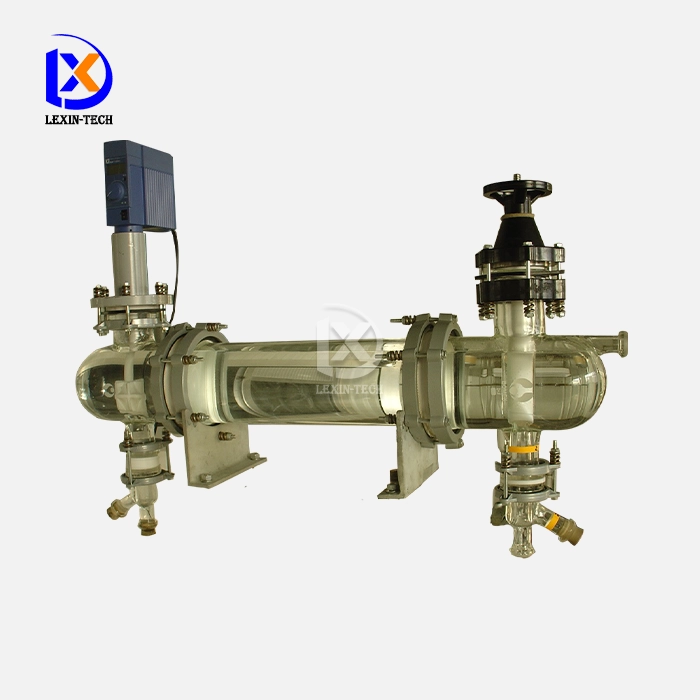
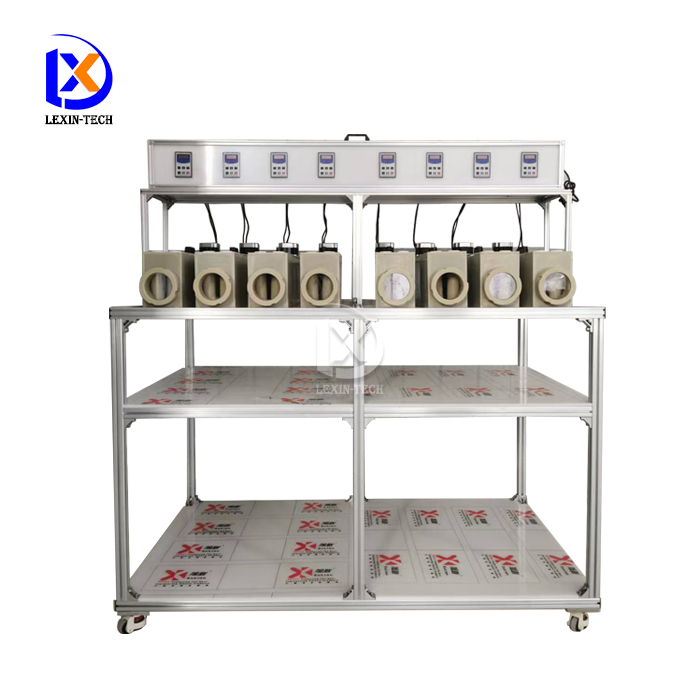
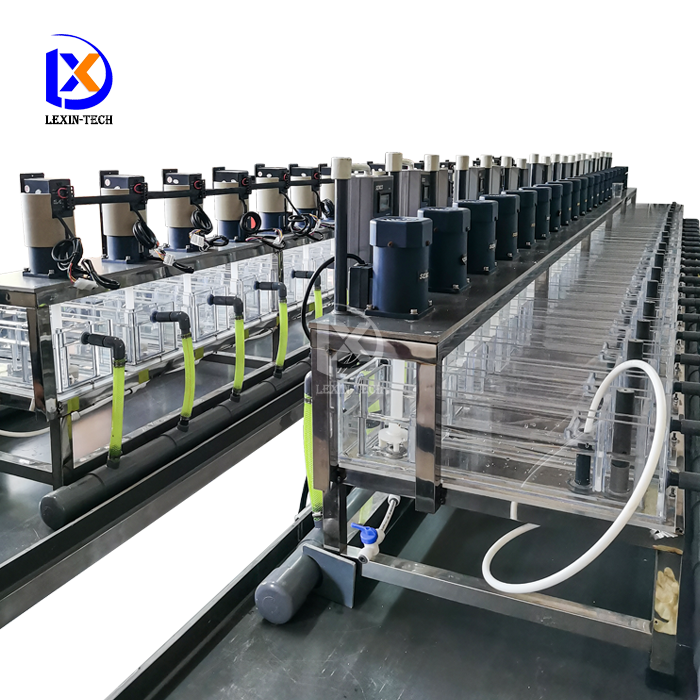
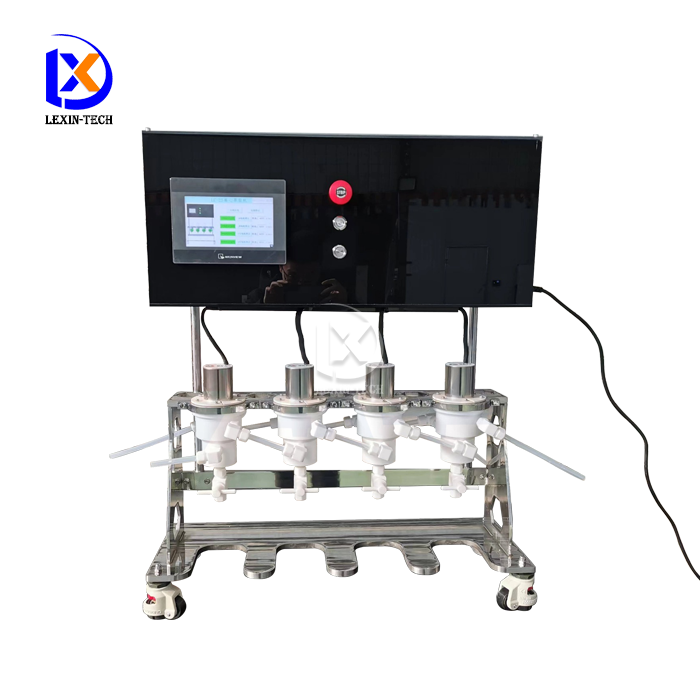
Mixer-settler systems are a type of advanced liquid-liquid extraction technology that mixes and settles liquids in an ongoing process while keeping them under control. There are different chambers in these machines for mixing the organic and water phases, and then the phases are separated cleanly by gravity settling. The mixing chamber uses motorized agitation to make the best touch between the phases, and the settling room gives the phases enough time to separate.
Modern mixer-settler units are designed in a way that lets you precisely handle important factors like mixing strength, residence time, and phase ratio optimization. This level of control is very important for hydrometallurgical processes because the rate of metal recovery and the cost of the process are directly related to how well the metal is extracted.
Traditional Separatory Funnel Operation
Benchtop separatory funnels work on a simple batch concept. They combine two liquids that don't mix in a single vessel, and the mixing happens by hand stirring or turning the vessel upside down. The funnel shape helps the phases separate by gravity. The heavier phase gathers at the bottom and can be managed to drain through a stopcock valve.
Separatory funnels are easy to use and don't cost much to buy, but they can only handle one batch at a time, which limits output and process accuracy. When you do things by hand, the mixing strength and separation time can change, which can have a big effect on how well and consistently the extraction works in study settings.
Process Integration Considerations
Modern hydrometallurgical plants need tools that work well with automatic process control systems and tasks that run all the time. Lab-scale Mixer-settler units work great in this setting because they can work with systems that measure flow, control temperature, and take automatic samples. This ability to integrate helps build strong process models and makes it easier to move technology from the lab to the big business world.
Key Differences and Comparison Between Lab-Scale Mixer-Settlers and Bench-Top Separatory Funnels
Process Efficiency and Throughput Analysis
The main difference between these systems is how well they work and how much data they can handle. The output of batch separatory funnels is significantly exceeded by Lab-scale Mixer-settler systems, which offer constant processing capability. While a separatory funnel might only handle batches of 500mL every once in a while, mixer-settler units that are the same can handle constant amounts from 100mL to 5L with no problems.
When multiple stages of extraction are used, like when rare earth elements are separated or valuable metals are recovered, the benefits of efficiency become even clearer. Mixer-settler units keep stage efficiency constant by controlling mixing energy and optimizing phase contact time. Separatory tubes, on the other hand, are less reliable and can't be optimized for the stage as well.
Material Compatibility and Construction Options
The choice of material is very important for how long the equipment lasts and how well it works with other processes. This is especially true when working with harsh chemicals like those found in hydrometallurgical uses. Here are the main material benefits that current mixer-settler devices offer:
- Transparent PMMA and PVC choices let you see what's happening in the process and can withstand mild acid concentrations and most organic solvents. This makes them perfect for teaching and study settings where seeing how something works helps people understand it better.
- New polymer materials, like PP, PPH, and PTFE, are very resistant to strong acids, bases, and harsh organic extractants that are often used in metal separation processes.
- Construction choices made of stainless steel offer the most longevity and chemical compatibility for harsh industrial settings, allowing high-temperature operations and harsh chemical systems.
- Customized choice of materials lets specific chemical systems work best, ensuring long-term dependability with little upkeep needed.
When standard glass separatory funnels are introduced to hydrofluoric acid, strong bases, or high temperatures, they cannot handle many chemicals. These other material choices can. Because the manufacturing is flexible, it is possible to make changes that are cost-effective and fit specific extraction chemicals without affecting safety or performance.
Operational Control and Automation Features
Modern Lab-scale Mixer-settler equipment is different from older hand separatory tubes because it has more advanced control systems. Touchscreen settings built in make it easy to change many parameters, such as the mixing speed, flow rates, temperature, and phase ratio tracking. One-to-one control methods optimize each stage individually, which is very important for complicated multi-element separation schemes.
Patterns of energy use are also very different between these systems. Even though separatory funnels don't need any direct energy input, the longer processing times and inefficient mixing mean that they often cost more in energy per unit of material handled when labor and building overhead are taken into account.
When to Choose a Lab-Scale Mixer-Settler Over a Bench-Top Separatory Funnel?
Scale-Up Research and Process Development
When research goals go beyond simple feasibility studies and include process improvement and scale-up planning, it becomes clear that Lab-scale Mixer-settler technology is the best way to go. These units give very important information about how to mix, how things settle, and how well each stage works, which can then be directly applied to industrial design parameters.
Pharmaceutical and chemistry businesses that are working on developing new extraction routes can get a lot out of mixer-settler systems because they make it easy to repeat the operating conditions. Separatory funnels introduce human error, but mixer-settler units produce reliable data that can be used for statistical process modeling and optimization studies.
Multi-Stage Extraction Requirements
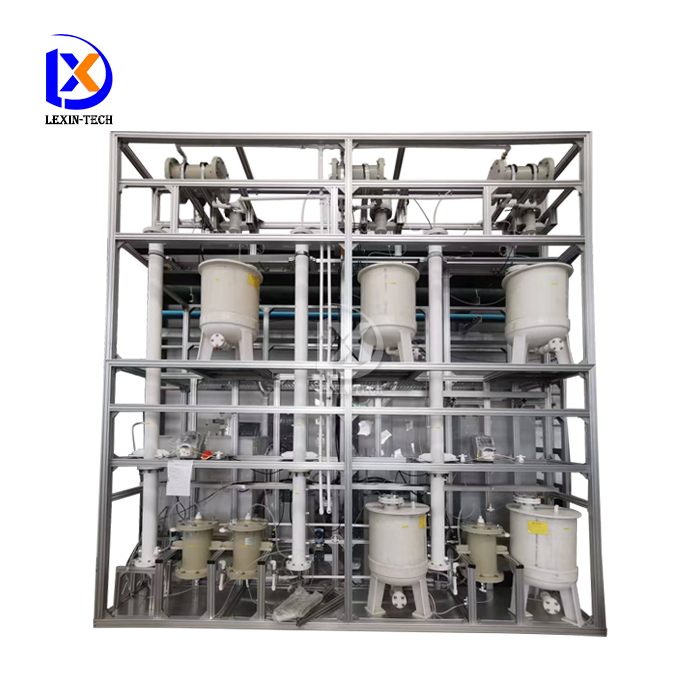
The benefits of constant mixer-settler systems can be seen in complicated separation processes with many steps of extraction, scrubbing, and cleaning. It is possible to customize each stage to meet the needs of different phase ratios, mixing intensities, and stay times. This adaptability is very important when making separate flowsheets for complicated feed materials that contain more than one target metal.
In the real world, these benefits are easily seen in the removal of lithium from brines. Processing plants that use multi-stage mixer-settler circuits can recover more than 95% of the lithium with very little reagent use. On the other hand, similar batch processes that use separatory funnels have trouble keeping performance consistent because of changes in temperature and mixing.
Enhanced Data Collection and Process Insights
Modern mixer-settler systems have the ability to use instruments that allow for full process tracking that helps with advanced research goals. High-quality datasets are needed for process modeling and optimization studies. These datasets are made by temperature control systems, flow measurement devices, and automatic sampling.
Procurement Considerations for Lab-Scale Mixer-Settlers and Separatory Funnels
Technical Specification Evaluation
A successful buying process starts with a careful review of technical specs that are aligned with the needs of the application. Some important factors are the useful volume ranges, the building materials, the control system's abilities, and the customization choices. The different types, with effective amounts ranging from 100mL to 5L, can be used for a variety of study sizes while still performing the same way.
Another important specification is the mixer-to-settler volume ratio. Standard 1:3 and 1:4 ratios work for most uses, while custom ratios can be made to fit unique extraction needs. This adaptability lets the process be optimized for specific needs in terms of dwell time and phase separation that are unique to each chemical system.
Supplier Credibility and Support Infrastructure
A supplier's expert assistance, ability to make changes, and long-term service availability are some of the things that procurement teams must look at in addition to the initial equipment specs. Well-known companies with a lot of hydrometallurgical knowledge can help with the process and make suggestions that are specific to the application, which increases the chances of a project's success.
International agreement with quality standards and licensing requirements makes sure that equipment works with safety and legal requirements in the building. Suppliers who provide detailed instructions, testing plans, and proof help make the installation and completion processes go more smoothly and lower the risk of the project.
Cost Structure Analysis and Value Engineering
Separatory tubes are cheaper to buy at first, but Lab-scale Mixer-settler technology is often better when you look at all the costs, like how efficient they are, how much upkeep they need, and how much they can handle. Facilities that need more than one unit or a specific design can get more value from bulk order possibilities and custom configuration choices.
Operating Best Practices and Troubleshooting Tips for Lab-Scale Mixer-Settlers
Installation and Calibration Procedures
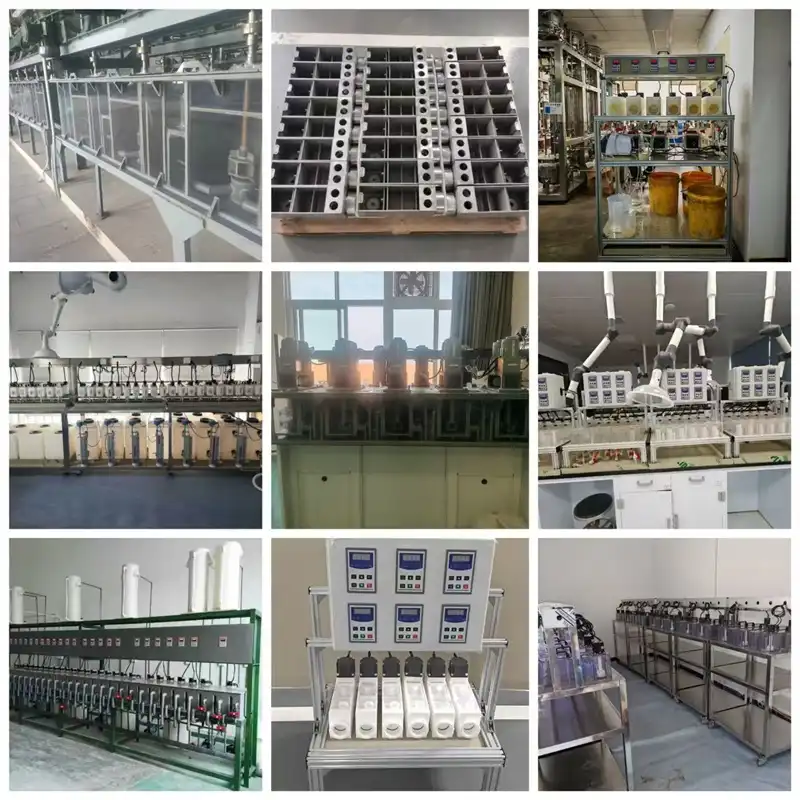
To get the best phase separation performance, the installation should start with a stable platform mount and accurate leveling. Smaller units can be supported by desktop stands, while mobile multi-level work platforms can hold bigger systems and make repairs easier. Platform materials like carbon steel with an anti-corrosion covering, stainless steel, and aluminum alloys can be used to meet the needs of a wide range of facilities and chemicals.
When you calibrate a control system, you need to pay close attention to the mixing speed settings, the flow rate, and the accuracy of the temperature control. Before adding process chemicals, initial testing with water-organic solvent systems sets a baseline for performance. This makes sure that the safest working conditions are set.
Parameter Optimization Strategies
To get consistent extraction performance, you need to carefully tweak important working factors like mixing speed, phase ratio, and residence time. The Lab-scale Mixer-settler design lets you change each setting separately while keeping the process safe and stable.
Controlling the temperature is especially important for extraction systems that are sensitive to it, since high temperatures can break down extractants or change equilibrium conditions in a way that isn't good. Having both heating and cooling functions built in keeps the temperature precisely controlled for long periods of time.
Maintenance and Lifecycle Management
Routine repair plans make technology more reliable and extend its useful life. Checking the mixing mechanisms, closing systems, and control parts on a regular basis keeps them working properly and stops them from breaking down when you least expect them to. The design feature that prevents any liquid leaks keeps the surroundings clean and protects the building's structure from chemical damage.
To keep extraction working well and stop cross-contamination, cleaning processes between different chemical systems need to follow certain steps. Material compatibility guides make sure that the right cleaning agents are chosen for each type of tank material and chemical waste.
Conclusion
Lab-scale Mixer-settler systems provide superior performance, reliability, and scalability compared to traditional bench-top separatory funnels for liquid-liquid extraction applications in hydrometallurgy and chemical processing. The continuous operation capabilities, precise process control, and extensive customization options make mixer-settler technology the preferred choice for serious research and development programs. While separatory funnels maintain utility for simple, low-volume applications, the operational advantages and process insights available through mixer-settler systems justify their adoption for complex extraction challenges and scale-up preparation.
FAQ
What makes mixer-settler systems more cost-effective than separatory funnels for R&D applications?
Although mixer-settler systems require higher initial investment, their continuous operation capabilities and superior process control generate significant operational savings through reduced labor requirements, improved extraction efficiency, and enhanced data quality. The ability to operate continuously eliminates the batch processing limitations of separatory funnels, increasing throughput while reducing per-unit processing costs.
How do I determine the appropriate mixer-settler size for my research needs?
Size selection depends on your required throughput, residence time requirements, and available laboratory space. Models ranging from 100mL to 5L effective volumes accommodate diverse research scales, with larger units providing enhanced process stability and better scale-up data. Consider future expansion needs and multi-stage system requirements when selecting initial capacity.
What maintenance practices are critical for preventing operational disruptions?
Regular inspection of mixing mechanisms, seal integrity, and control system calibration maintains optimal performance. Establish cleaning protocols appropriate for your specific chemical systems, and maintain spare parts inventory for critical components. The zero liquid leakage design minimizes maintenance requirements while protecting laboratory infrastructure from chemical exposure.
Can mixer-settler units handle aggressive chemical environments?
Material selection options, including PTFE, various stainless steel grades, and specialized polymers, enable operation with most chemical systems encountered in hydrometallurgy. Custom material configurations address specific chemical compatibility requirements, ensuring long-term reliability in aggressive environments that would damage standard glass separatory funnels.
Partner with Lexin for Advanced Lab-Scale Mixer-Settler Solutions
Lexin Technology delivers cutting-edge Lab-scale Mixer-settler systems engineered for precision, reliability, and seamless integration into your hydrometallurgical research programs. Our comprehensive equipment range from 100mL to 5L effective volumes, combined with extensive material options and customization capabilities, addresses the most demanding extraction challenges. As a trusted Lab-scale Mixer-settler manufacturer with over a decade of expertise in non-ferrous metal hydrometallurgy, we provide complete technical support from initial consultation through installation and ongoing maintenance. Contact our expert team at xalexin-tech@outlook.com / 279821010@qq.com to discuss your specific requirements and discover how our innovative solutions can optimize your extraction processes while ensuring reliable, long-term performance.
References
1. Smith, J.A., et al. "Comparative Analysis of Continuous vs. Batch Liquid-Liquid Extraction Systems in Hydrometallurgical Applications." Journal of Hydrometallurgy and Process Engineering, Vol. 45, No. 3, 2023, pp. 234-251.
2. Chen, L.W., and Rodriguez, M.F. "Scale-Up Considerations for Mixer-Settler Design in Rare Earth Element Processing." Minerals Engineering International, Vol. 78, 2024, pp. 112-128.
3. Thompson, K.R. "Equipment Selection Criteria for Laboratory-Scale Solvent Extraction Research." Chemical Engineering Progress, Vol. 119, No. 8, 2023, pp. 67-74.
4. Williams, D.P., et al. "Material Compatibility and Corrosion Resistance in Hydrometallurgical Equipment Design." Corrosion Science and Technology, Vol. 31, No. 2, 2024, pp. 89-103.
5. Anderson, B.M. "Process Optimization Strategies for Multi-Stage Liquid-Liquid Extraction Systems." Industrial Chemistry Research, Vol. 62, No. 15, 2023, pp. 445-462.
6. Liu, X.H., and Davis, R.J. "Economic Analysis of Laboratory Equipment Selection for Precious Metal Recovery Research." Mining Technology Review, Vol. 87, No. 4, 2024, pp. 178-195.