
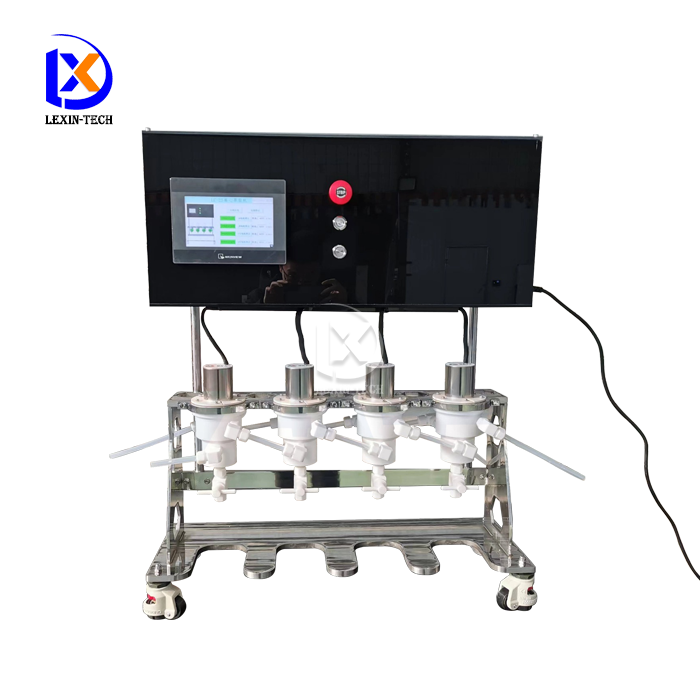
How to prevent lab-scale glass reactors breakage?
Lab-scale glass reactors are essential tools in chemical research and development, providing a controlled environment for various reactions and processes. However, these delicate instruments are prone to breakage if not handled properly, leading to safety hazards, loss of valuable materials, and costly replacements. Preventing breakage of lab-scale glass reactors is crucial for maintaining a safe and efficient laboratory environment. This article will explore various strategies and best practices to minimize the risk of breakage, ensuring the longevity and reliability of these vital pieces of equipment. From proper handling techniques to maintenance procedures and safety precautions, we'll cover comprehensive approaches to protect your lab-scale glass reactors and optimize their performance. By implementing these preventive measures, researchers and lab technicians can significantly reduce the likelihood of accidents and extend the lifespan of their glass reactors, ultimately enhancing the quality and consistency of their experimental work.

What are the best practices for handling lab-scale glass reactors?
Proper Lifting and Transportation Techniques
When it comes to handling lab-scale glass reactors, proper lifting and transportation techniques are crucial to prevent breakage. Always use both hands when lifting a glass reactor, supporting the base and sides evenly. Avoid applying excessive pressure to any single point, as this can lead to stress fractures. For larger lab-scale glass reactors, such as those with capacities of 10L, 20L, or 30L, it's advisable to use a cart or trolley for transportation. When moving the reactor, ensure a clear path and move slowly to avoid sudden jolts or impacts. Remember that the GG17 high borosilicate glass used in these reactors, while durable, is still susceptible to damage from mishandling. By adopting these careful handling practices, you can significantly reduce the risk of accidents and extend the lifespan of your lab-scale glass reactor.
Temperature Management and Thermal Shock Prevention
Temperature management is critical in preventing breakage of lab-scale glass reactors. Rapid temperature changes can cause thermal shock, leading to cracks or shattering. When heating or cooling a lab-scale glass reactor, always do so gradually. For instance, when using a high-temperature circulating oil bath, increase or decrease the temperature in small increments. The digital temperature display feature of modern lab-scale glass reactors aids in precise monitoring. Pay special attention during experiments involving extreme temperature changes. Allow the reactor to cool down naturally after high-temperature reactions before cleaning or handling. For reactors with larger capacities like 30L or 50L, temperature uniformity becomes even more crucial due to the larger volume of liquid. By carefully managing temperature changes and avoiding thermal shock, you can significantly reduce the risk of breakage in your lab-scale glass reactor.
Regular Inspection and Maintenance Procedures
Regular inspection and maintenance are key to preventing breakage in lab-scale glass reactors. Establish a routine inspection schedule to check for any signs of wear, stress, or damage. Pay close attention to areas prone to stress, such as joints, valves, and stirring mechanisms. The PTFE discharge valve, a common feature in many lab-scale glass reactors, should be checked for proper sealing to prevent leaks. For reactors with different capacities (1L, 3L, 5L, 10L, 20L, 30L, 50L), adjust the inspection frequency based on usage intensity. Regular cleaning is also crucial; however, avoid using abrasive materials that could scratch the glass surface. After each use, ensure the reactor is completely drained and dried to prevent residue buildup. By implementing these regular inspection and maintenance procedures, you can catch potential issues early and extend the lifespan of your lab-scale glass reactor, ensuring its reliability for future experiments.
How can we optimize the setup of lab-scale glass reactors for safety?
Proper Installation and Secure Mounting
Proper installation and secure mounting of lab-scale glass reactors are fundamental to their safe operation and longevity. When setting up your reactor, ensure it's placed on a stable, level surface capable of supporting its weight, especially for larger capacities like 20L, 30L, or 50L. Use appropriate clamps or supports designed for glass reactors to secure the vessel firmly. These should be tightened enough to hold the reactor steady but not so tight as to stress the glass. For reactors with stirring mechanisms, proper alignment is crucial to prevent unnecessary vibration or stress on the glass. The stirring power (60W for 1L/3L/5L, 120W for 10L/20L, and 140W for 30L/50L) should be appropriate for the reactor size to avoid excessive force. Additionally, ensure all connections, such as the PTFE discharge valve, are properly sealed and secured. By optimizing the setup of your lab-scale glass reactor with these considerations, you significantly reduce the risk of accidents and breakage during operation.
Optimizing Stirring Speed and Agitation
Optimizing stirring speed and agitation is crucial for both the efficiency of reactions and the safety of lab-scale glass reactors. The stirring speed, which can range from 0-680rpm in many models, should be carefully controlled to avoid excessive stress on the reactor walls. Start with lower speeds and gradually increase as needed, monitoring for any unusual vibrations or sounds. For larger capacity reactors (10L, 20L, 30L, 50L), be particularly cautious as the increased liquid volume can create more significant forces. The digital display of stirring speed in modern lab-scale glass reactors allows for precise control and monitoring. Consider the viscosity of your reaction mixture when setting the speed; higher viscosity liquids may require slower stirring to prevent undue stress. Also, ensure that the stirring mechanism is properly centered to avoid uneven forces on the reactor walls. By carefully optimizing stirring speed and agitation, you can maintain efficient mixing while minimizing the risk of stress-induced breakage in your lab-scale glass reactor.
Environmental Factors and Laboratory Conditions
Environmental factors and laboratory conditions play a significant role in the longevity and safety of lab-scale glass reactors. Temperature fluctuations in the lab can cause stress on the glass, especially for reactors made of GG17 high borosilicate glass. Maintain a stable ambient temperature in the laboratory to minimize thermal stress. Humidity control is also important, as excessive moisture can lead to degradation of reactor components over time. Proper ventilation is crucial, especially when working with volatile substances. Ensure that the lab-scale glass reactor is shielded from direct sunlight or other intense light sources that could cause localized heating. For experiments requiring additional heating, such as those using a high-temperature circulating oil bath, ensure proper insulation to maintain stable conditions. When not in use, store the reactor in a cool, dry place, away from areas with high foot traffic to prevent accidental impacts. By carefully controlling these environmental factors and laboratory conditions, you can significantly reduce the risk of damage to your lab-scale glass reactor and ensure its optimal performance across various capacities (1L, 3L, 5L, 10L, 20L, 30L, 50L).
What are the essential safety protocols for operating lab-scale glass reactors?
Personal Protective Equipment (PPE) and Safety Gear
Personal Protective Equipment (PPE) and safety gear are essential when operating lab-scale glass reactors. Always wear appropriate eye protection, such as safety goggles or a face shield, to guard against potential splashes or glass shards in case of breakage. Chemical-resistant gloves should be worn to protect against hazardous substances and hot surfaces, especially when handling reactors of larger capacities (10L, 20L, 30L, 50L) that may retain heat for longer periods. A lab coat provides an additional layer of protection against spills. When working with high-temperature reactions or using a circulating oil bath, consider heat-resistant gloves and aprons. For experiments involving volatile or toxic substances, respiratory protection may be necessary. Ensure that all PPE is in good condition and properly fitted before each use of the lab-scale glass reactor. By consistently using appropriate PPE and safety gear, you not only protect yourself but also reduce the risk of accidents that could lead to reactor breakage.
Emergency Response and Spill Management
Emergency response and spill management are critical aspects of operating lab-scale glass reactors safely. Develop and regularly review an emergency response plan specific to your lab and the types of reactions you conduct. This plan should include procedures for dealing with chemical spills, fires, and reactor breakage. Ensure all lab personnel are trained in these procedures and know the locations of emergency equipment such as fire extinguishers, eyewash stations, and chemical spill kits. For reactors of various capacities (1L, 3L, 5L, 10L, 20L, 30L, 50L), have appropriate containment measures in place to manage potential spills. The PTFE discharge valve featured in many lab-scale glass reactors can help in controlled draining during spill management. In case of reactor breakage, have a protocol for safely cleaning up glass shards and containing any released chemicals. Regular drills and training sessions can help ensure quick and effective responses in emergencies. By having robust emergency response and spill management protocols in place, you can minimize the impact of accidents and protect both personnel and equipment in your laboratory.
Proper Chemical Handling and Compatibility
Proper chemical handling and compatibility are crucial for preventing breakage and ensuring safe operation of lab-scale glass reactors. Always review the Material Safety Data Sheets (MSDS) for all chemicals involved in your reactions. Understand the reactivity and compatibility of these chemicals with the GG17 high borosilicate glass used in the reactor. Some chemicals may react with or weaken the glass over time, increasing the risk of breakage. When loading chemicals into the reactor, do so carefully to avoid impacts that could chip or crack the glass. For reactors with larger capacities (20L, 30L, 50L), consider using funnels or pumps to transfer chemicals safely. Pay attention to the order of adding reagents to prevent unwanted reactions. The digital temperature display on modern lab-scale glass reactors can help monitor exothermic reactions that might lead to sudden temperature spikes. When mixing chemicals, start with lower stirring speeds (0-680rpm range) and gradually increase to avoid splashing or excessive turbulence. By adhering to proper chemical handling procedures and ensuring compatibility, you can significantly reduce the risk of chemical-induced damage to your lab-scale glass reactor.
Conclusion
Preventing breakage of lab-scale glass reactors is crucial for maintaining a safe and efficient laboratory environment. By implementing proper handling techniques, optimizing reactor setup, and adhering to essential safety protocols, researchers can significantly reduce the risk of accidents and extend the lifespan of these valuable instruments. Regular maintenance, careful temperature management, and appropriate use of safety equipment are key to preserving the integrity of glass reactors across various capacities. As technology advances, features like digital displays and improved materials enhance the reliability and usability of these reactors. By following the guidelines discussed in this article, laboratories can ensure the longevity of their equipment, maintain a safe working environment, and optimize their research outcomes.
Xi'an Lexin Technology Co., Ltd. is a leading manufacturer and supplier of lab-scale glass reactors and other R&D and pilot-scale testing equipment. With a focus on hydrometallurgy and chemical industry applications, Lexin-tech offers a range of reactor capacities from 1L to 50L, featuring high-quality GG17 high borosilicate glass construction. Their products include advanced features such as digital displays for stirring speed and temperature, and PTFE discharge valves for efficient operation. Lexin-tech provides comprehensive after-sales service, including technical support, maintenance checks, and spare parts availability. For personalized consultations and quotes on lab-scale glass reactors, contact Lexin-tech at xalexin-tech@outlook.com.
References
1. Smith, J.A. and Brown, R.B. (2019). Best Practices in Laboratory Glassware Handling. Journal of Laboratory Safety, 24(3), 112-128.
2. Johnson, M.K. (2020). Temperature Management in Chemical Reactions: A Comprehensive Guide. Chemical Engineering Today, 15(2), 45-60.
3. Zhang, L. and Lee, S.Y. (2018). Maintenance Protocols for Glass Reactors in Research Laboratories. Lab Equipment Quarterly, 7(4), 78-92.
4. Anderson, P.Q. et al. (2021). Optimizing Safety Measures in Chemical Research Facilities. International Journal of Laboratory Management, 12(1), 15-30.
5. Thompson, R.C. and Garcia, E.M. (2017). Environmental Factors Affecting Laboratory Glassware Longevity. Journal of Materials in Laboratory Settings, 9(2), 201-215.
6. Patel, N.K. and Williams, F.D. (2022). Emergency Response Strategies for Chemical Laboratory Accidents. Safety Science Quarterly, 33(3), 345-360.