
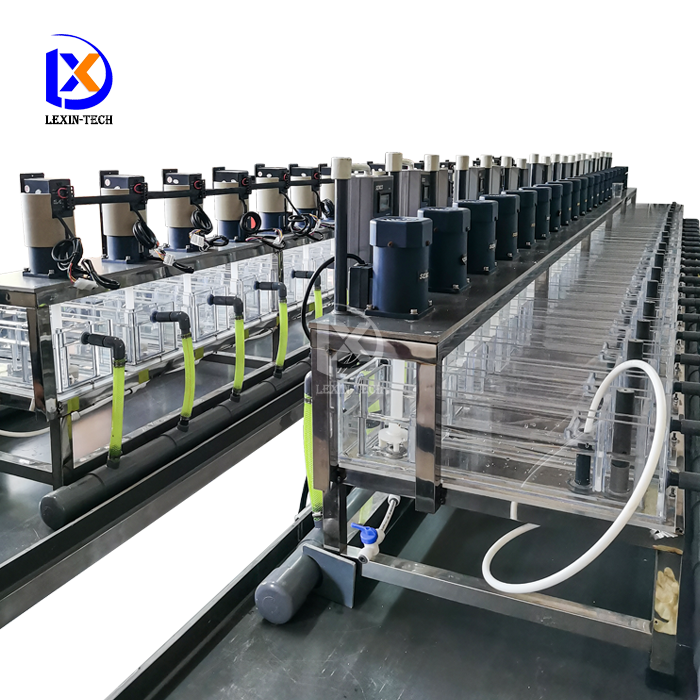
How to scale up from Pilot-Scale PP Reactors?
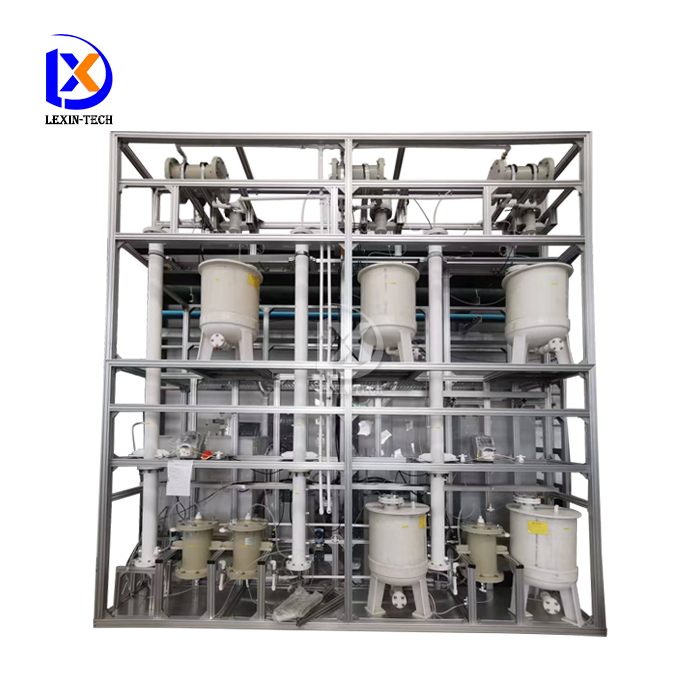
Scaling up from pilot-scale polypropylene (PP) reactors to industrial-scale production is a critical step in the development of chemical processes. This transition requires careful consideration of various factors to ensure successful implementation and optimal performance. Pilot-scale PP reactors, typically ranging from 50L to 100L in capacity, provide valuable insights into process parameters, reaction kinetics, and product quality. However, the challenge lies in maintaining these attributes while increasing production volumes. This blog post will explore key strategies and considerations for effectively scaling up from pilot-scale PP reactors, addressing crucial aspects such as reactor design, process optimization, and operational efficiency. By understanding the intricacies of this scaling process, manufacturers can minimize risks, reduce costs, and accelerate their journey towards full-scale production.
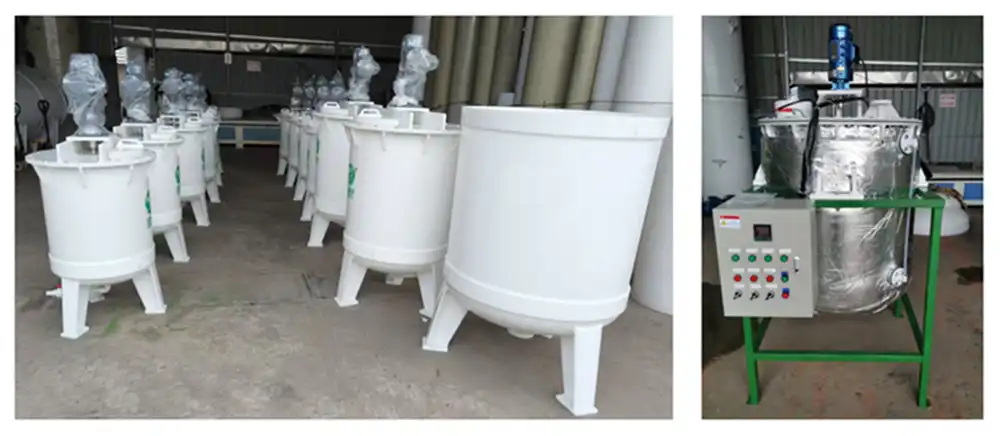
What are the key factors to consider when scaling up PP reactors?
Reactor design and material selection
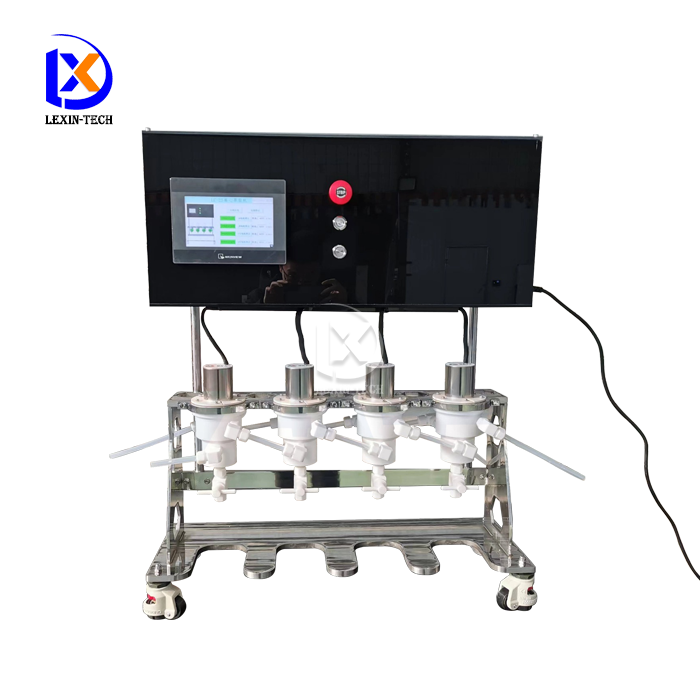
When scaling up from pilot-scale PP reactors, careful consideration must be given to reactor design and material selection. Pilot-scale PP reactors typically offer capacities of 50L, 80L, or 100L, with polypropylene as the primary kettle material. This material choice provides excellent chemical, thermal, and wear resistance, which are crucial factors to maintain during scale-up. The reactor design should account for increased volumes while preserving the advantageous properties of pilot-scale systems. Factors such as heat transfer efficiency, mixing dynamics, and pressure control become more critical at larger scales. Engineers must carefully evaluate the impact of increased reactor size on these parameters and make necessary adjustments to ensure optimal performance.
Heating and stirring mechanisms
Scaling up from pilot-scale PP reactors requires careful consideration of heating and stirring mechanisms. In pilot-scale reactors, heating options may include Polytetrafluoroethylene (PTFE) electric heating, borosilicate glass electric heating, titanium electric heating, or titanium coil with high-temperature circulating oil bath. Each of these options offers specific advantages that must be evaluated for larger-scale applications. Similarly, the stirring power of 550W and speed range of 0-434rpm in pilot-scale reactors must be scaled appropriately to maintain efficient mixing in larger volumes. The challenge lies in preserving the heat transfer efficiency and mixing uniformity achieved in pilot-scale PP reactors while accommodating increased production volumes.
Process control and automation
As production scales up from pilot-scale PP reactors, process control and automation become increasingly critical. Pilot-scale reactors often allow for more manual interventions and closer monitoring due to their smaller size. However, larger-scale operations require more sophisticated control systems to maintain consistency and efficiency. This includes implementing advanced sensors, control algorithms, and data management systems to monitor and regulate critical parameters such as temperature, pressure, and reaction progress. The bottom discharge valve, which may be a polypropylene material flange ball valve or a top-entry metallic discharge valve in pilot-scale reactors, must be scaled and automated appropriately to handle larger volumes and ensure smooth product transfer.
How can process parameters be optimized during scale-up?
Heat transfer and temperature control
Optimizing heat transfer and temperature control is crucial when scaling up from pilot-scale PP reactors. The increased volume in larger reactors can lead to challenges in maintaining uniform temperature distribution. Engineers must carefully evaluate the heating mechanisms used in pilot-scale reactors, such as PTFE electric heating or titanium coil with high-temperature circulating oil bath, and determine how to scale these systems effectively. This may involve redesigning heating elements, implementing advanced temperature control algorithms, or introducing additional heating zones. The goal is to maintain the precise temperature control achieved in pilot-scale PP reactors while accommodating the increased thermal mass and potential temperature gradients in larger systems.
Mixing and mass transfer
Effective mixing and mass transfer are critical aspects to optimize during the scale-up process from pilot-scale PP reactors. The stirring power of 550W and speed range of 0-434rpm used in pilot-scale reactors must be carefully scaled to ensure adequate mixing in larger volumes. This may involve redesigning impeller geometries, adjusting stirrer speeds, or implementing multiple mixing zones. The challenge lies in maintaining the mixing efficiency and uniformity achieved in pilot-scale PP reactors while dealing with increased fluid dynamics complexities in larger systems. Computational fluid dynamics (CFD) simulations and experimental studies can be valuable tools in optimizing mixing parameters during scale-up.
Reaction kinetics and residence time
Optimizing reaction kinetics and residence time is essential when scaling up from pilot-scale PP reactors. The increased volume in larger reactors can affect reaction rates and product quality if not carefully managed. Engineers must analyze the reaction kinetics observed in pilot-scale reactors and determine how to maintain or improve these parameters in larger systems. This may involve adjusting reactant concentrations, modifying catalyst loadings, or implementing staged addition of reagents. Additionally, the residence time distribution in larger reactors must be carefully controlled to ensure consistent product quality. Techniques such as tracer studies and reactor modeling can be valuable in optimizing these parameters during the scale-up process from pilot-scale PP reactors.
What challenges and solutions exist in maintaining product quality during scale-up?
Impurity control and product consistency
Maintaining product quality during scale-up from pilot-scale PP reactors presents significant challenges, particularly in impurity control and product consistency. The increased volume and potential variations in mixing and heat transfer can lead to inconsistencies in product composition and purity. To address this, manufacturers must implement robust quality control measures and process analytical technologies (PAT) to monitor and control critical quality attributes in real-time. This may involve adapting the sampling and analysis techniques used in pilot-scale PP reactors to larger production volumes. Additionally, the selection of appropriate materials for reactor construction, such as polypropylene for its chemical resistance, becomes even more critical in larger systems to prevent contamination and maintain product purity.
Yield optimization and waste reduction
Optimizing yield and reducing waste are crucial challenges when scaling up from pilot-scale PP reactors. The increased production volumes can amplify inefficiencies and lead to significant material losses if not carefully managed. To address this, manufacturers must conduct thorough mass balance analyses and implement strategies to maximize conversion rates and minimize by-product formation. This may involve fine-tuning reaction conditions, optimizing catalyst performance, or implementing advanced separation techniques. The bottom discharge valve systems used in pilot-scale PP reactors, whether polypropylene material flange ball valves or top-entry metallic discharge valves, must be scaled appropriately to ensure efficient product recovery and minimize product losses during transfer operations.
Process safety and environmental considerations
Ensuring process safety and addressing environmental considerations are critical challenges when scaling up from pilot-scale PP reactors. The increased volumes and energy requirements of larger systems can amplify potential safety risks and environmental impacts. To address these challenges, manufacturers must conduct comprehensive risk assessments and implement robust safety measures. This may involve redesigning pressure relief systems, implementing advanced process control strategies, and enhancing containment measures. Environmental considerations, such as energy efficiency and waste management, become more significant at larger scales. Manufacturers should explore opportunities for heat recovery, implement efficient cleaning and maintenance procedures, and consider the integration of green chemistry principles to minimize environmental impact while scaling up from pilot-scale PP reactors.
Conclusion
Scaling up from pilot-scale PP reactors to industrial-scale production is a complex process that requires careful consideration of various factors. By addressing key aspects such as reactor design, process optimization, and quality control, manufacturers can successfully navigate the challenges of scale-up. The strategies discussed in this blog post provide a foundation for effective scaling, emphasizing the importance of maintaining the advantageous properties of pilot-scale systems while adapting to larger production volumes. With proper planning and execution, the transition from pilot-scale PP reactors to full-scale production can lead to improved efficiency, product quality, and overall process performance.
For more information on pilot-scale PP reactors and scaling solutions, contact Xi'an Lexin Technology Co., Ltd. As a leading manufacturer and supplier in the hydrometallurgy and chemical industry, we offer a range of R&D and pilot-scale testing equipment. Our experienced team provides comprehensive support, from equipment selection to after-sales service. To discuss your specific requirements or request a quote, please email us at xalexin-tech@outlook.com. We're committed to supporting your research and production needs with our expertise in reactor design and process optimization.
References
1. Smith, J. M., & Smith, R. (2019). Chemical Engineering Kinetics and Reactor Design. Wiley.
2. Johnson, A. T., & Irani, C. A. (2020). Scale-up Methodologies for Chemical Processes. Elsevier.
3. Yang, L., & Chen, G. (2018). Polypropylene Reactor Design: Principles and Applications. Springer.
4. Davis, M. E., & Davis, R. J. (2021). Fundamentals of Chemical Reaction Engineering. McGraw-Hill Education.
5. Thompson, K. L., & Wilson, D. I. (2017). Scale-up in Chemical Engineering: Principles and Industrial Applications. Cambridge University Press.
6. Levenspiel, O. (2022). Chemical Reaction Engineering: Beyond the Fundamentals. CRC Press.