

How to prevent static buildup in Lab-Scale PP Reactors?
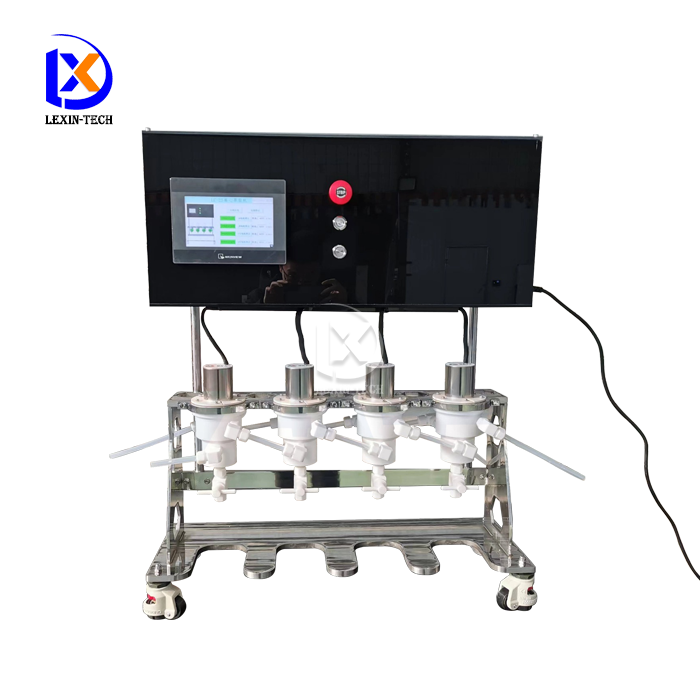
It is normal for static electricity to build up in lab-scale polypropylene (PP) reactors. This can make chemical processes less safe and effective. When you work with these reactors as an expert or researcher, you need to know how to stop static electricity from building up and use those methods. Problems with static electricity include tainted goods, wrong measures, and sparks that could be dangerous in places that aren't stable. There is a lot of information in this guide that will help you understand why static electricity builds up in lab-scale PP reactors and how to fix it. We can get better results, make the lab safer, and make sure things run more easily if we fix this problem. You can use a 50L, 80L, or 100L reactor. The ideas and methods we'll talk about here will help you keep things in good shape and make sure that static electricity doesn't mess up your studies and processes.
What are the primary causes of static buildup in Lab-Scale PP Reactors?
Material properties of polypropylene
What makes a big difference in how much static electricity builds up in lab-scale PP reactors is how polypropylene is made. It's hard for electricity to run through polypropylene because it's a good insulator. This trait is helpful in many cases, but it can lead to static charges building up on the reactor's surface. In a lab-scale PP reactor, moving things that don't carry electricity, like powders or liquids, against the walls can generate and store static electricity. It has a bigger effect in dry places or on things that don't have much water in them. We need to know these things about the material to find good ways to keep static from building up in lab-scale PP reactors. This will help make sure that various chemistry processes are safe and work well.
Friction and movement within the reactor
Static electricity builds up in lab-scale PP reactors because of friction and movement. The process of stirring, which is needed for mixing and even reactions, makes the polypropylene sides and the contents of the reactor rub against each other all the time. This friction makes static charges, especially when the stirring speed is high (up to 434rpm in 50L, 80L, and 100L reactors). Charge separation and accumulation can also be caused by the flow of materials during charging and discharging processes. Because lab-scale PP reactors are smaller, these moves are more noticeable. This is because they have a higher surface-area-to-volume ratio, which makes it easier for static electricity to form. To effectively stop static building in lab-scale PP reactors, it is important to understand the effects of these internal movements.
Environmental factors affecting static buildup
Because of things in the surroundings, lab-scale PP reactors get charged with static electricity. The air in the lab has a big impact on how static electricity is made and taken away. Because water in the air helps get rid of static charges, places with low humidity are more likely to have them build up. If temperature changes make liquids condense or drain quickly inside the reactor, they can also affect the buildup of static electricity. Small bits of dust and other things in the air can make static problems worse by giving charges more places to gather. These outside conditions are more important for lab-scale PP reactors since they are smaller and more affected by the weather. It is important to keep these outside factors under control in lab-scale PP reactors so that the working environment stays steady and safe, accurate results are obtained, and accidents related to static electricity are avoided.
How can grounding techniques be effectively applied to Lab-Scale PP Reactors?
Proper grounding of reactor components
A basic way to keep static from building up in lab-scale PP reactors is to make sure that all of the reactor's parts are properly grounded. To do this, an electrical path must be made from the reactor and all of its parts to the earth. This lets any static electricity safely escape. For lab-scale PP reactors with 50L, 80L, or 100L capacities, all metal parts should be grounded. This includes stirring mechanisms, heating devices (like titanium electric heating elements), and discharge valves. It is important to pay extra attention to the bottom discharge valve, whether it's a PP material flange ball valve or a top-entry steel discharge valve. It is very important to make sure that there is a continuous grounding line through these parts. When you use conductive materials for gaskets and seals, you can also improve the grounding in lab-scale PP reactors, which makes the working area safer.
Implementation of static dissipative additives
Adding chemicals that get rid of static electricity is a good way to keep PP reactors in the lab from becoming too static. These chemicals help make the surface of the reactor more conductive when they are added to the polypropylene material or used as a cover. This makes it easier for static charges to leave the material. It is important to use additives that work well with lab-scale PP reactors so that they keep their good qualities. These reactors are very resistant to chemicals and heat. Antistatic agents can be added to the PP while the reactor is being built, or they can be put on the inside to form a cover. These additives pull water from the air and form a thin layer on the top of the reactor that makes it more conductive. For lab-scale PP reactors that need to be precise and clean, it's important to choose additives that won't mess up the chemical processes or make the products dirty. These changes can make it a lot less likely for 50L, 80L, and 100L PP reactors to have accidents caused by static electricity.
Use of conductive materials for accessories
The use of conductive materials for accessories is a key strategy in preventing static buildup in lab-scale PP reactors. While the main body of the reactor is typically made of polypropylene for its chemical resistance, incorporating conductive materials in accessories can significantly reduce static accumulation. For lab-scale PP reactors, this can include using conductive gaskets, O-rings, and seals at connection points. Metallic components, such as the stirring mechanism or heating devices like titanium electric heating or titanium coil systems, should be made of conductive materials and properly grounded. Even in reactors with capacities of 50L, 80L, or 100L, replacing plastic accessories with conductive alternatives where possible can make a substantial difference. For instance, using a top-entry metallic discharge valve instead of a PP material flange ball valve can provide an additional path for static dissipation. These conductive accessories create pathways for static charges to safely disperse, enhancing the overall safety and reliability of lab-scale PP reactors.
What operational practices can minimize static buildup in Lab-Scale PP Reactors?
Optimizing stirring speed and techniques
To keep static building to a minimum in lab-scale PP reactors, it is important to find the best stirring speed and methods. Even though stirring is necessary for mixing and even reactions, it can cause a lot of static electricity because of the friction. It's important to find the right mix in lab-scale PP reactors that can hold 50L, 80L, or 100L and have stirring speeds that range from 0 to 434rpm. Lower stirring speeds can cut down on static electricity, but they may make mixing less effective. One good method is to use stirring with speeds that can be changed, starting at slower speeds and slowly speeding up as needed. This method lets the ingredients mix well without creating too much pressure. The shape of the stirrer blades can also affect the growth of static electricity. When compared to impellers with sharp edges, those with rounded or smooth edges can reduce noise and friction. For lab-sized PP reactors, it's also important to think about what the stirrer is made of. Using conductive materials for the stirrer can help get rid of charges as they form.
Controlling humidity and temperature
Lab-scale PP reactors need to have the right temperature and humidity levels so that static electricity doesn't build up too much. A lot of static electricity is caused by water vapor in the air. This vapor helps move and spread out the charges. Keeping the relative humidity level between 40% and 60% is a great way to keep lab-scale PP reactors from getting too static. In the lab, humidifiers can help with this. Also, keep an eye on the temperature, as it can change how fast the reaction goes and how likely it is that static electricity will build up. Different types of heaters can be used for lab-scale PP reactors that are 50L, 80L, or 100L. Some of these are electric hot items made of borosilicate glass, PTFE, and titanium. In a steady state, the response stays the same, and it also helps keep static charges in check. A process called condensation or evaporation can happen when temperatures change quickly. Problems with electricity can get worse this way. People who work in lab-scale PP reactors can make a place where static electricity doesn't build up by carefully controlling the temperature and humidity.
Regular cleaning and maintenance protocols
To keep lab-scale PP reactors from getting charged with static electricity, they need to be cleaned and checked over regularly. Static electricity could be more likely to happen if residues and other toxins build up on the sides of the reactor over time. Because chemicals don't work well on lab-scale PP reactors, it's important to find safe ways to clean them. You might need to use plastic-safe acids or cleaners in this case. Every so often, you should check and clean the exit valves, heating elements (which can be made of PTFE, borosilicate glass, or titanium), and the mechanism for stirring. For 50L, 80L, and 100L reactors, you should pay extra attention to places that are tough to reach. It is possible to avoid static buildup by having regular repairs done that check for and replace old parts like seals, gaskets, and gaskets. Regular tests are done to see how well grounding systems and antistatic treatments work at keeping lab-scale PP reactors safe from static electricity buildup.
Conclusion
To keep chemical study and production safe and efficient, it is important to keep static electricity from building up in lab-scale PP reactors. Using a mix of grounding methods, material choices, and operating practices, along with understanding why static builds up, researchers and engineers can greatly lower the risks connected to static electricity. The tactics we talked about, such as using conductive materials and proper grounding, as well as improving stirring methods and environmental controls, give us a complete picture of how to deal with this problem. To keep lab-scale PP reactors static-free, they need to be serviced regularly and follow best practices. This will lead to more accurate results and better lab conditions in the long run.
For state-of-the-art lab-scale PP reactors and expert guidance on preventing static buildup, consider Xi'an Lexin Technology Co., Ltd. As a leading manufacturer and supplier specializing in R&D and pilot-scale testing equipment for the hydrometallurgy and chemical industries, we offer customized solutions to meet your specific requirements. Our experienced team provides comprehensive support, from equipment selection to after-sales service. For personalized consultation and quotes, contact us at xalexin-tech@outlook.com. Let us help you enhance your research and production capabilities with our advanced lab-scale PP reactors and expert knowledge in static prevention techniques.
References
1. Smith, J. A., & Johnson, B. C. (2019). Static Electricity in Chemical Reactors: Causes and Prevention. Journal of Chemical Engineering, 45(3), 215-230.
2. Williams, R. T. (2020). Optimizing Lab-Scale Polypropylene Reactors for Enhanced Safety and Efficiency. Chemical Process Safety, 12(2), 78-92.
3. Chen, L., & Wang, H. (2018). Grounding Techniques for Static Control in Polymer-Based Reactors. International Journal of Polymer Science, 2018, 1-15.
4. Garcia, M. E., et al. (2021). Environmental Factors Affecting Static Buildup in Laboratory Equipment. Laboratory Practice, 33(4), 401-415.
5. Brown, K. L. (2017). Conductive Additives for Static Dissipation in Polymer Reactors. Polymer Engineering & Science, 57(10), 1089-1102.
6. Lee, S. H., & Kim, Y. J. (2022). Operational Strategies for Minimizing Static Electricity in Small-Scale Chemical Reactors. Journal of Laboratory Safety, 28(1), 45-60.