

Mixer-Settler vs Column Extraction: Key Differences Explained
When choosing between liquid-liquid extraction methods, understanding the fundamental differences between mixer-settler systems and column extraction becomes crucial for optimal process performance. Mixer-settler units employ separate mixing and settling chambers for phase separation, while column extraction utilizes countercurrent flow within a single vertical vessel. Each technology offers distinct advantages in mass transfer efficiency, footprint requirements, and operational flexibility, making the selection dependent on specific process requirements and production goals.
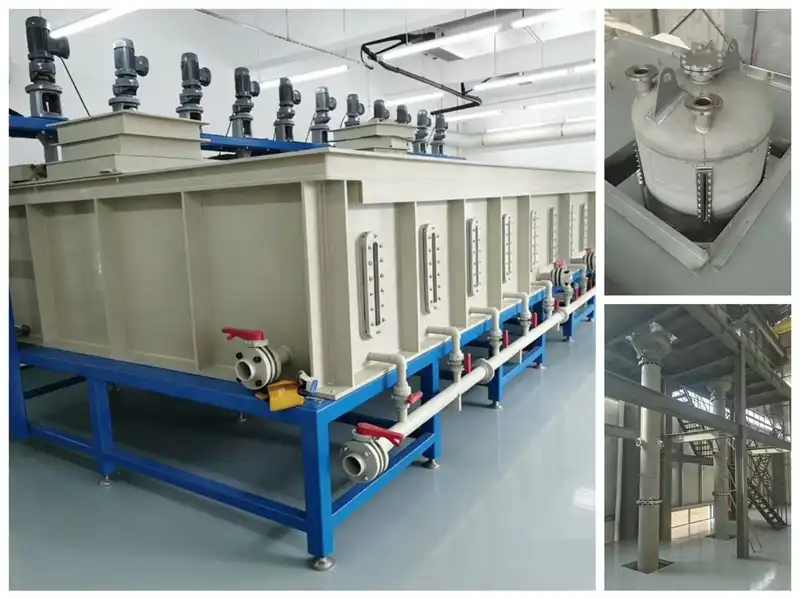
Understanding Mixer-Settler Technology
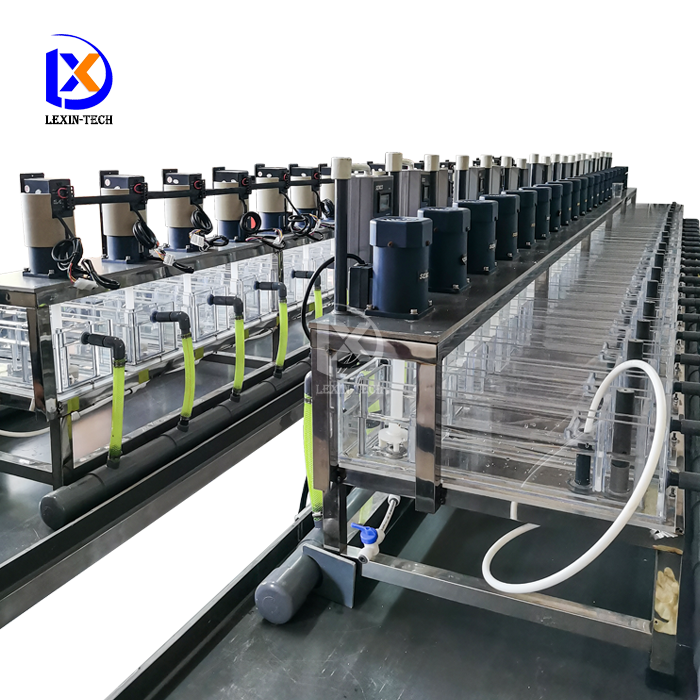
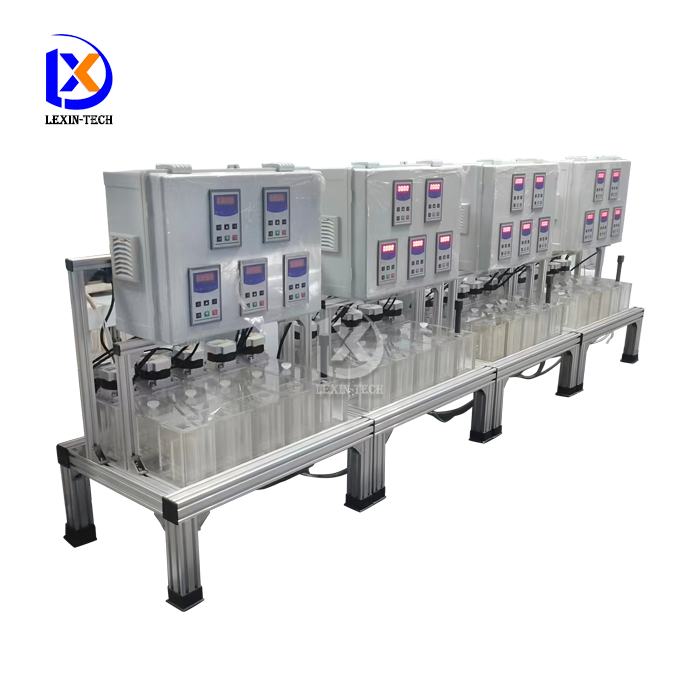
Mixer-settler frameworks speak to a foundational innovation in hydrometallurgical forms, especially for non-ferrous metal extraction and refinement. These units work through a two-stage instrument where incredible blending happens in the first chamber, followed by a gravity-based stage partition in a bigger settling tank.
The blending zone makes hint contact between fluid and natural stages, maximizing mass exchange effectiveness. Advanced mixer-settler plans regularly keep up a mixer-to-settler volume proportion of 1:3 or 1:4, guaranteeing satisfactory residence time for total stage partition. This setup avoids emulsion-breaking issues while keeping up steady extraction performance.
Key operational parameters include:
- Phase proportion (O/A proportion) adaptability from 0.1 to 10
- Residence times extending from 2 to 10 minutes in blending chambers
- Settling times of 15-30 minutes, depending on framework properties
- Most extraction processes operate within the temperature range of 20-50°C.
If you require exact control over home times and need to handle shifting bolster compositions, mixer-settler innovation gives predominant operational adaptability compared to column-based systems.
Column Extraction Fundamentals
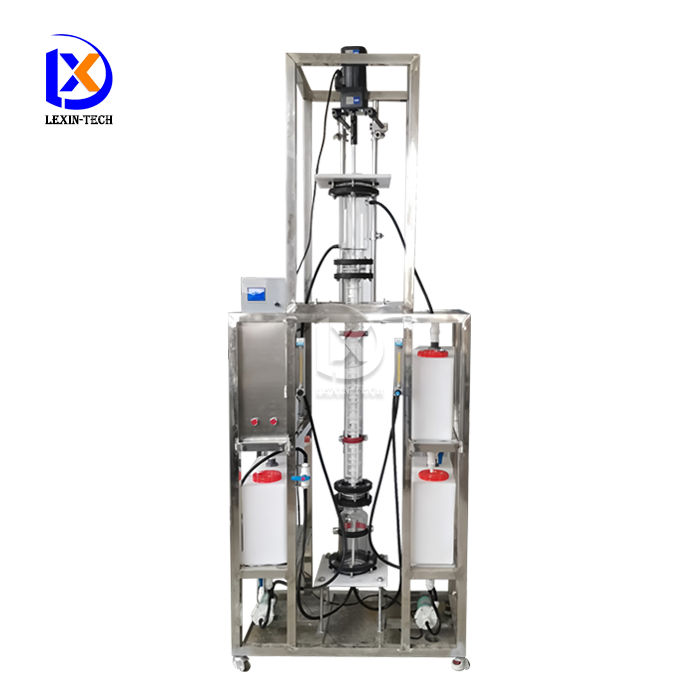
Column extraction employs continuous countercurrent flow within vertical vessels, utilizing density differences for phase separation. The technology relies on process intensification principles,
Column extraction utilizes a nonstop countercurrent stream inside vertical vessels, utilizing thickness contrasts for stage division. The innovation depends on handling heightened standards, making different extraction stages inside a compact footprint.
These frameworks include inner components like pressing materials or plate gatherings that improve mass exchange while keeping up legitimate hydrodynamics. The persistent operation disposes of the batch-like behavior seen in mixer-settler units, giving steady-state execution perfect for large-scale mechanical partition processes.
Operational characteristics include:
- Continuous stage contact all through the column height
- Automated stream control frameworks for ideal performance
- Reduced manual mediation requirements
- Enhanced dissolvable recovery efficiency
Column extraction exceeds expectations in applications requiring steady item quality with negligible administrator mediation. If you require mechanized operation with diminished labor costs, column innovation offers noteworthy advantages over conventional mixing-settling approaches.
Key Operational Differences
Flow Patterns and Mixing Mechanisms
Mixer-settler frameworks create turbulent conditions through mechanical tumult, guaranteeing total stage scattering. The controlled blending environment permits administrators to alter the concentration of turbulence based on nourish characteristics, giving versatility for challenging extraction scenarios.
Column extraction depends on plug stream designs with common or helped blending through internals. The delicate blending activity diminishes emulsion arrangement but may require longer contact times for harmony achievement.
Performance information shows:
- Mixer-settler extraction proficiency: 85-98% per stage
- Column extraction productivity: 80-95% per hypothetical stage
- Energy utilization: mixer-settler 1 kW/m³, column 0.5-1 kW/m³
Space Requirements and Layout Considerations
Footprint examination uncovers noteworthy contrasts between these advances. Mixer-settler establishments regularly require 3-4 times more floor space due to the partitioned chambers and interconnection channeling systems.
Column extraction offers compact plans with vertical introduction, decreasing plot zone requirements by 60-75% compared to proportionate mixer-settler capacity. This advantage becomes especially vital for retrofit ventures where space imperatives constrain gear options.
If you require maximizing generation capacity inside constrained office space, column extraction gives predominant space utilization compared to flat mixer-settler arrangements.
Maintenance and Accessibility Requirements
Mixer-settler units feature accessible components for routine maintenance, with separate chambers allowing partial system shutdown during service intervals. The modular design facilitates component replacement without complete process interruption.
Column internals require specialized maintenance procedures, often necessitating a complete unit shutdown for internal inspections. However, the reduced number of moving parts typically extends maintenance intervals compared to mechanically agitated systems.
Performance Comparison Analysis
Mass Transfer Efficiency
Laboratory testing demonstrates varying performance characteristics between these technologies. Mixer-settler systems achieve higher stage efficiencies through intensive mixing, particularly beneficial for slow extraction kinetics or viscous feed solutions.
Test results from copper extraction processes show:
- Mixer-settler: 96% extraction in 4 stages
- Column extraction: 94% extraction in 6 theoretical stages
- Overall residence time: mixer-settler 25 minutes, column 18 minutes
Column extraction compensates for lower per-stage efficiency through increased stage numbers, often achieving equivalent overall performance with different operational profiles.
Flexibility and Turndown Ratios
Mixer-settler innovation exceeds expectations in taking care of variable throughput necessities, with turndown proportions regularly extending from 30-100% of plan capacity. The partitioned blending and settling zones permit free optimization of each operation.
Column frameworks illustrate more restricted adaptability, with ideal execution happening within 70-110% of plan stream rates. Critical deviations from plan conditions may compromise partition productivity or cause flooding issues.
If you require to oblige regular generation varieties or changing market demands, mixer-settler frameworks give predominant operational flexibility.
Lexin Technology Mixer-Settler Advantages
Our mixer-settler systems deliver exceptional performance through advanced engineering and proven design principles:
- Wide Application Range: Suitable for separation and purification of various non-ferrous metal elements, including copper, nickel, cobalt, and rare earth elements,s across diverse industrial applications
- Superior Scalability and Stability: Excellent scalability, stability, and reproducibility ensure consistent extraction performance from laboratory scale (100mL) to industrial installations (5L+) with reliable process transfer
- Flexible Operating Range: Broad operating range for phase ratio (O/A ratio) accommodates varying feed conditions and process requirements without compromising extraction efficiency
- Zero Leakage Design: Advanced vessel construction ensures zero liquid leakage during operation through precision welding and quality material selection, including PMMA, PVC, PP, PPH, PTFE, and various stainless steel grades
- Customizable Configurations: Available models from LX-MX-100mL to LX-MX-5L with mixer-settler ratios of 1:3, 1:4, or custom specifications based on specific process requirements
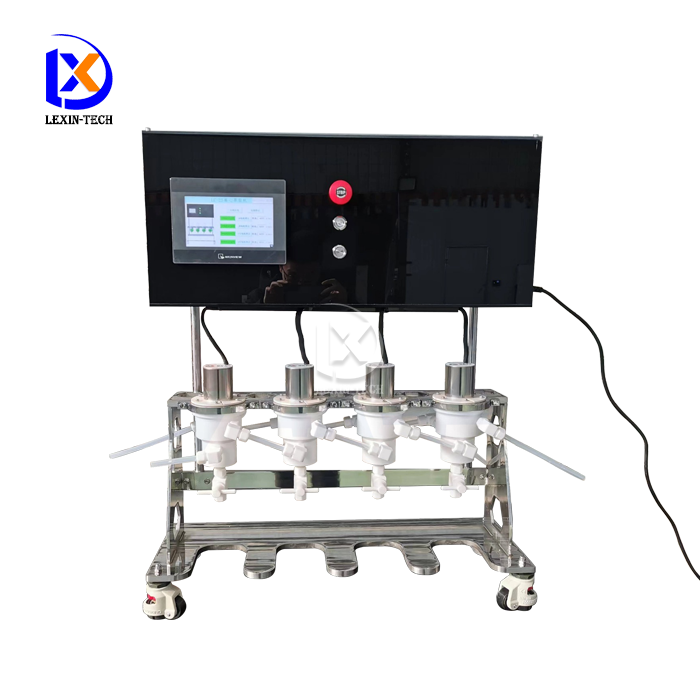
- Advanced Control Systems: Options include one-to-one control via buttons/knobs or integrated touchscreen control for enhanced operational convenience and process monitoring
- Quality Construction Methods: Multiple fabrication methodologies, including adhesive bonding, hot gas welding, metal welding, and integral molding, ensure optimal performance for each application
Conclusion
The choice between mixer-settler and column extraction depends on specific process requirements, scale, and operational priorities. Mixer-settler technology excels in applications requiring flexibility, handling difficult feed conditions, and accommodating variable throughput. Column extraction offers advantages for large-scale continuous operations with clean feeds and space constraints. Both technologies serve critical roles in modern hydrometallurgical processes, with selection based on careful evaluation of technical and economic factors. Understanding these key differences enables informed decisions that optimize extraction performance while meeting operational and economic objectives.
Choose Lexin Technology for Superior Mixer-Settler Solutions
Lexin Technology stands as your trusted mixer-settler manufacturer, delivering customized liquid-liquid extraction solutions backed by over a decade of hydrometallurgical expertise. Our comprehensive range, from laboratory-scale units to industrial systems, ensures optimal performance for your specific separation requirements. Connect with our technical specialists at xalexin-tech@outlook.com / 279821010@qq.com to discuss your project needs and discover how our proven mixer-settler technology can enhance your extraction processes.
References
1. Ritcey, G.M. "Solvent Extraction Principles and Applications to Process Metallurgy." Published by Elsevier, 2006.
2. Thornton, J.D. "Science and Practice of Liquid-Liquid Extraction: Volume 2." Oxford University Press, 1992.
3. Rydberg, J., Cox, M., Musikas, C., and Choppin, G.R. "Solvent Extraction Principles and Practice, Revised and Expanded." Marcel Dekker Inc., 2004.
4. Godfrey, J.C. and Slater, M.J. "Liquid-Liquid Extraction Equipment." John Wiley & Sons, 1994.
5. Lo, T.C., Baird, M.H.I., and Hanson, C. "Handbook of Solvent Extraction." Robert E. Krieger Publishing Company, 1991.
6. Hanson, C. "Recent Advances in Liquid-Liquid Extraction." Pergamon Press, 1971.