
Optimize Your Extraction with Advanced Centrifugal Extractors
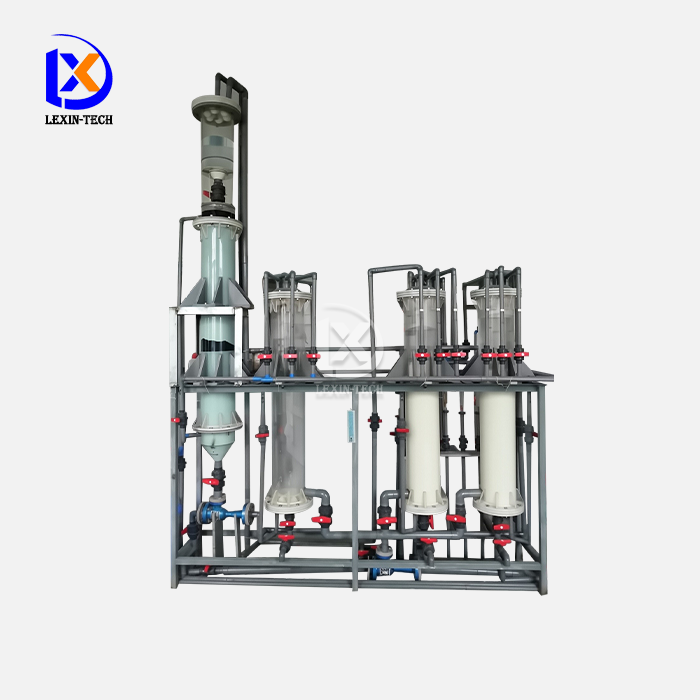
In today's centrifugal extractors world, it is very important for hydrometallurgical activities around the world to maximize extraction performance while minimizing working costs. Advanced centrifuge extractor technology is a completely new way to separate liquids, and it works so well in metal recovery methods that it has never been seen before. These high-tech systems use fast rotating forces to separate phases quickly, which cuts working times by a huge amount and improves product clarity. Modern centrifugal extraction equipment works very well in many situations, from recovering copper and nickel to cleaning up rare earth elements. This makes it an essential tool for mining companies that want to run their businesses more efficiently.
Understanding Centrifugal Extractors: Principles and Advantages
The basic idea behind centrifugal extractors is to use centrifugal force to speed up the natural separation of liquid parts that don't mix. Traditional mixer-settlers only use gravity, but these new systems create forces hundreds of times stronger than gravitational acceleration. This makes phase separation happen quickly and effectively.
Core Operating Mechanisms
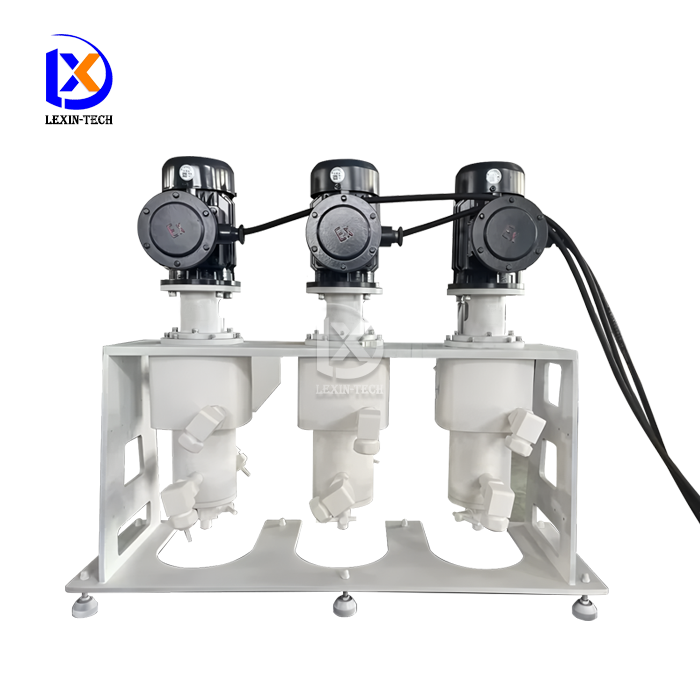
The high-speed rotating bowl is the heart of any centrifugal extraction device. It makes strong centrifugal fields that move heavier and lighter phases to their own collection zones. Depending on the type and the needs of the application, the rotating gear usually works at speeds between 1400 and 8000 RPM. This spinning speed creates the necessary force difference to overcome interfacial stresses and achieve clean phase separation, even with emulsions that are hard to separate.
During operation, the mixed stages come in through carefully designed inlet systems and come into contact with the rotating surroundings. Based on differences in density, the centrifugal field starts to separate the phases right away. The heavy phase moves outward, while the lighter phase stays closer to the center line. Regular gravity-based systems need longer residence times, but this constant process makes sure that the split works the same way every time.
Distinct Operational Benefits
Centrifugal extraction technology has many benefits that go beyond just making things go faster. These systems are very good at saving space because they usually take up 70–80% less room than similar mixer-settler setups. Because it is smaller, the plan directly leads to lower capital costs for building the center and lower ongoing operational costs.
Another important benefit is that the concentrated extraction process uses a lot less energy than standard ways because it needs a lot less heating or cooling. Short residence times, usually measured in minutes instead of hours, reduce the amount of heat energy needed and lower the risk of degradation for chemicals that break down at high temperatures. Also, centrifuge systems only need a small amount of solvents, which cuts down on material costs and the work needed to comply with environmental laws.
Applications in Hydrometallurgy
The most useful place for centrifugal extractors is in hydrometallurgical processes that need high purity and reliable performance. These systems work really well in copper solvent extraction circuits because they can handle a lot of organic to water mixtures and still keep the phase separation very good. For example, the technology has worked really well in nickel and cobalt recovery operations. Being able to keep the process fixed even when the feed conditions change is very helpful for these kinds of operations.
Comparing Centrifugal Extractors with Alternative Extraction Technologies
When looking at extraction technologies for commercial use, it's important to know how the pros and cons of each method compare so that you can make smart purchasing choices. Different types of technology each have their own pros and cons that need to be carefully weighed against the needs of the business.
Performance Comparison with Traditional Systems
Traditional mixer-settler systems are stable and easy to understand, but they need large installation areas and long stay times to work well enough for separation. Centrifugal systems can do each step in just one to two minutes, while a normal mixer-settler train could take fifteen to twenty minutes per stage. Because of this difference in time, very different amounts of capital investment and building needs are needed.
Decanter centrifuges are another popular way to separate things. They work great for separating solids from liquids, but they can't handle true liquid-to-liquid extraction tasks. The fact that they were made to handle solids better makes them less good at precisely controlling the phases needed in solvent extraction circuits, where keeping the right aqueous-to-organic ratios is key to getting the most out of the extraction process.
While pulse columns and other stirred extraction tools are slightly better than static systems in terms of performance, they still can't compete with the high level of separation that centrifugal force can provide. Some businesses may like how simple these options are to use mechanically, but their bigger areas and higher solvent stocks often cancel out any cost savings at first.
Economic Considerations and ROI Analysis
Modern rotary extraction systems usually pay for themselves in 18 to 24 months in most industrial settings. The main things that are driving the economy are lower costs for building facilities, lower needs for clean supplies, and higher metal recovery rates. These things work together to make strong reasons to invest, especially when building a new facility where limited room has a big effect on the overall project costs.
Centrifugal extractors that are well-designed tend to have lower upkeep costs than traditional systems. This is because they have fewer mechanical parts and don't have big settler tanks that need to be cleaned and maintained on a regular basis. Modern systems can be operated automatically, which cuts down on the need for workers and improves operating costs.
Procurement Guide: How to Buy the Right Centrifugal Extractor?
To choose the right centrifugal extraction tools, you need to carefully look at the process needs, working limitations, and long-term strategic goals. To set standard equipment specifications, the buying process should start with a thorough description of the feed materials, the products that are wanted, and the working capabilities.
Technical Specification Development
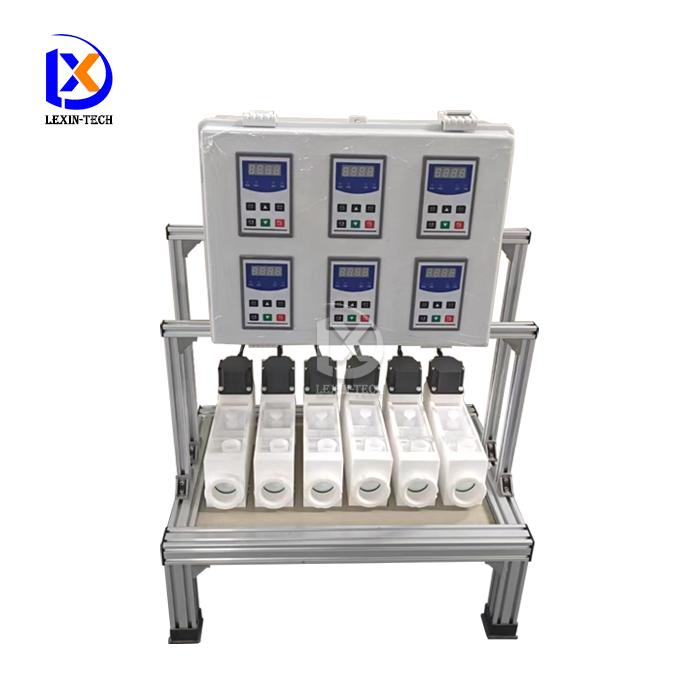
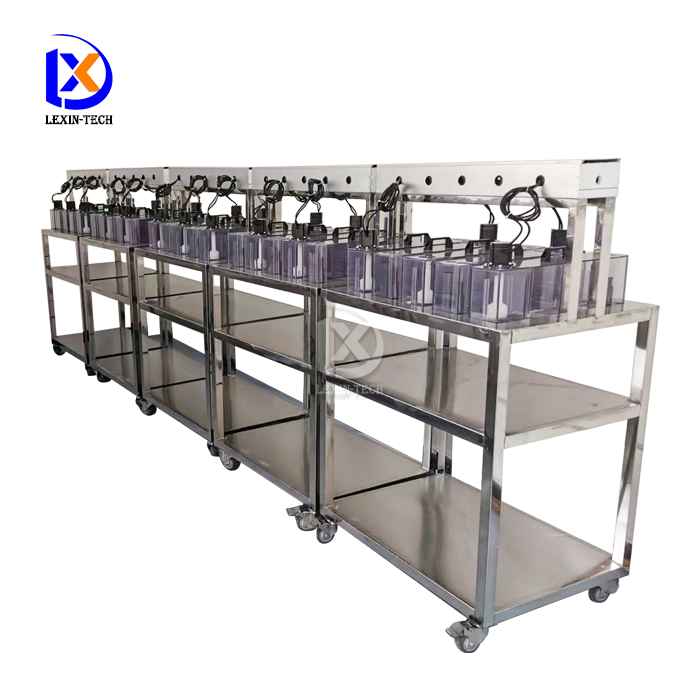
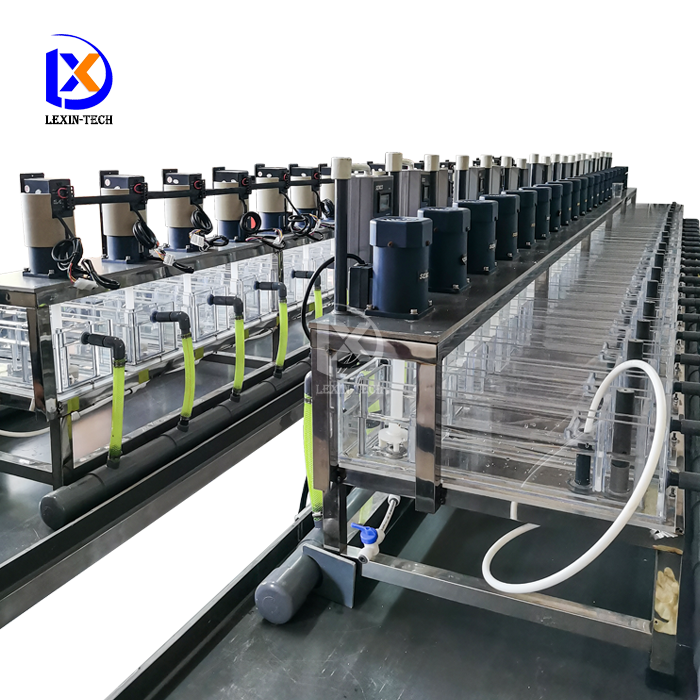
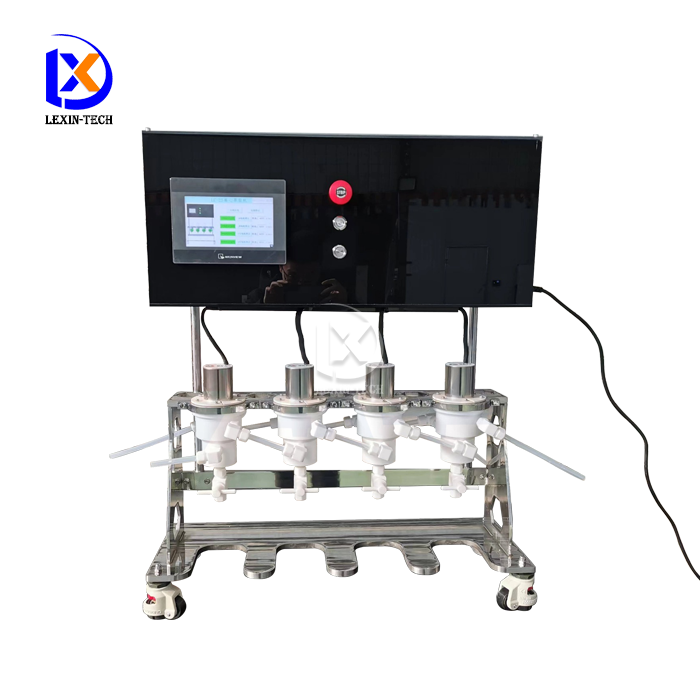
Capacity needs are the most important thing to think about when choosing tools. The Lexin LX-CE line has four different models that are made to meet different throughput needs, from small-scale tests in the lab to full-scale production. It can mix flows from 1 to 10 L/h, which makes the LX-CE-20 model perfect for pilot plant work and process development. The LX-CE-50 and LX-CE-80 models meet mid-range needs with capacities of up to 100 L/h, while the LX-CE-150 model can handle up to 800 L/h on a production basis.
The width of the bowl has a direct effect on both the volume and the speed of separation. While bigger bowls offer longer residence times and better separation performance, they also use a lot more power. To get the most out of each application, the link between bowl size, rotational speed, and separate performance needs to be fine-tuned.
When working with hydrometallurgical materials in harsh chemical conditions, it's especially important to think about how well they work with each other. For bowl construction, polytetrafluoroethylene (PTFE), polyvinylidene fluoride (PVDF), polyetheretherketone (PEEK), and pure titanium are all choices. For shell construction, the same materials are available. The working base can be made of carbon steel with an anti-corrosion coating, SUS 304, or SUS 316 stainless steel, depending on the needs of the surroundings.
Supplier Evaluation and Selection
To make a good purchase, you need to carefully look at the skills, professional help, and long-term service commitments of the seller. Established producers with a history of success in hydrometallurgical uses offer big benefits through their extensive experience and deep understanding of the subject. When choosing a provider, it's important to think about how well they can offer unique solutions, expert advice, and quick after-sales support.
Service facilities and being close to each other geographically are important for the ongoing success of operations. When it comes to regular maintenance and emergencies, suppliers with local service skills or established service partnerships can respond more quickly. Centrifugal extraction equipment, on the other hand, is very specialized, so it's usually best to work with makers who have a lot of scientific knowledge, even if other suppliers are closer to you.
Best Practices for Maintenance, Troubleshooting, and Safety
Following the right repair procedures is important for making sure that equipment lasts as long as possible and works well every time. Centrifugal extractors are usually very strong, but they have precise parts that need to be checked regularly to make sure they keep working well.
Routine Maintenance Procedures
Every day, you should check the operation by checking the speeds of the rotating parts, keeping an eye on the forces coming in and going out, and looking at the quality of the phase separation. Any change from the normal working parameters should be looked into right away to keep tools from getting damaged or the process from getting thrown off. Because rotating systems have very fast spinning speeds, it is very important to find mechanical problems as soon as possible.
As part of routine weekly maintenance, seals and bearings are usually carefully checked, greasing systems are double-checked, and parts that can be reached are cleaned. Heavy-phase weir plates in modern designs are easy to change, which makes these maintenance jobs a lot easier while still ensuring the best hydraulic performance. Keeping good records of all repair tasks helps find trends and guess what services will be needed in the future.
Troubleshooting Common Issues
Phase entrainment issues usually mean that the speed settings are wrong or that the weir plates are worn out and need to be adjusted or replaced. Modern systems can run automatically and have monitoring tools that can find many common practical problems before they affect the process performance. Knowing how to use these troubleshooting tools and reacting correctly to system alerts helps keep things running smoothly and stops small problems from getting worse.
Problems with mechanical shaking could mean that a bearing is wearing out or the rotor isn't balanced, which needs instant attention. Today's centrifugal extractors are small, which makes them easier to check and maintain. However, proper safety measures must be followed whenever repair work is done on rotating equipment.
Safety Protocols and Training
The people who work in operations must get thorough training on both standard operating routines and how to handle emergencies. The high spinning speeds and chemical conditions that are common in extraction work make safety issues that are unique and need special knowledge and steps. Updating safety training regularly helps make sure that operations stay safe even as staff changes and machine configurations change.
Emergency stop methods should be written down clearly and practiced often so that they can be used quickly when things go wrong. Newer machines have important safety features like automated safety systems. But workers need to know how these systems work and what to do when they trigger safety actions.
Company Introduction and Our Solutions
Xi'an Lexin Technology Co., Ltd. has been designing and making hydrometallurgical tools for more than ten years and serves the mining and metallurgy industries around the world. Our company is in the ancient city of Xi'an, and we use both traditional Chinese building skills and cutting-edge technology to provide the best extraction solutions in the world.
Our Comprehensive Service Portfolio
Our engineering team has a lot of experience with all parts of hydrometallurgical processes, from the first steps of leaching to recovering the end product. Because we have such a large body of knowledge, we can offer combined solutions that improve the performance of the whole process instead of just selling individual parts for tools. The end-to-end service method makes sure that all stages of the process work together and improves the general efficiency of the system.
One of the best things about our business is that we can customize standard designs or come up with completely new ones to meet the needs of each customer. Our personalized packing and fast shipping services help get projects up and running quickly, and our expert support team is there to help throughout the lifecycle of the equipment.
Product Excellence and Innovation
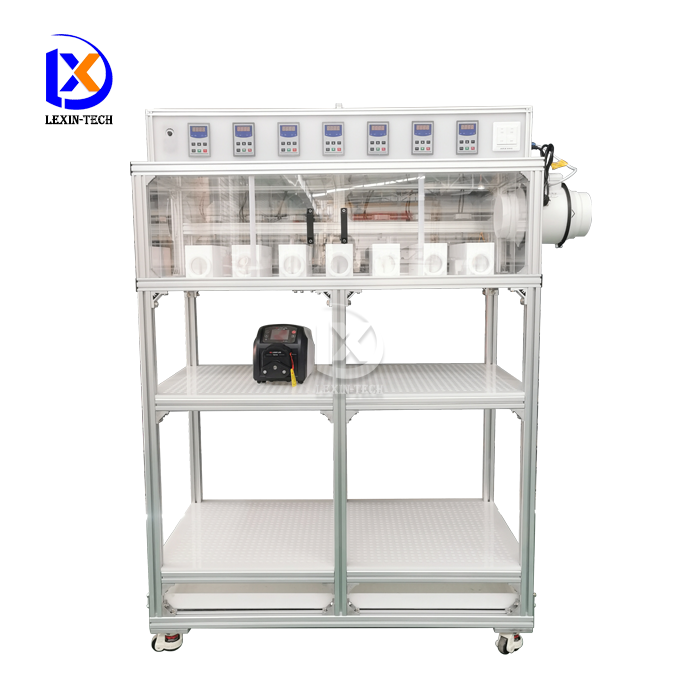
The LX-CE centrifugal extractor line shows how dedicated we are to engineering quality and dependability in operation. The technology in these systems is small, so they don't need to be installed as often and still work very well. The low amount of packing material needed lowers the ongoing costs of running the business, and the short balance time lets high flow rates be achieved in small spaces.
High levels of automation that allow for continuous operation cut down on the need for workers and improve operating consistency. Because heavy-phase weir plates are easy to change, maintenance downtime is kept to a minimum, and performance is maintained over long periods of time. These design features show that we have a deep knowledge of how industries work and are dedicated to providing useful solutions that help our customers make more money.
Conclusion
Advanced centrifugal extractor technology is a completely new way to separate liquids in hydrometallurgical applications. It has huge benefits for efficiency, room usage, and the cost of running the business. Modern industrial facilities are especially interested in these systems because they are small, don't need a lot of liquid, and can be run automatically. To be successful with centrifugal extraction, you need to choose the right equipment, have it installed by a professional, and get ongoing technical help from providers with a lot of experience. Companies that buy this technology can expect big changes in how well their processes work, the quality of their products, and how well their general business runs.
FAQ
What factors determine the optimal centrifugal extractor capacity for my operation?
The main things that determine capacity choice are your processing needs, the features of the feed, and the level of separation efficiency you want. The LX-CE line has models with flow rates from 1 to 10 L/h to 50 to 800 L/h to meet a wide range of operating needs. For best performance, the bowl width and rotating speed must be perfectly matched to your application.
How do maintenance requirements compare between centrifugal extractors and traditional systems?
Because they are smaller and have fewer parts, centrifugal extractors usually need less upkeep than mixer-settler systems. Regular upkeep includes greasing the bearings, checking the seals, and replacing the weir plate every so often. Compared to standard tools, the automated operation features require less human work.
Can centrifugal extractors be integrated into existing process lines?
How well you can integrate things depends on how your current system is set up and how much room you have. Standardized inlet/outlet sizes (from DN10 to DN40) and a small diameter make it easy to integrate into most uses. Our expert team can do a full integration study and make solutions that fit your current system.
What material options are available for corrosive environments?
For bowl building, PTFE, PVDF, PEEK, and pure titanium are just a few of the materials that can handle harsh chemical conditions. Shell materials come in a variety of polymers, as well as PC and PMMA choices. Carbon steel with an anti-corrosion finish or stainless steel types SUS 304/316 can be used to make working platforms.
Partner with Lexin for Superior Centrifugal Extractor Solutions
With Lexin's advanced centrifuge extractor technology, you can get the most out of your extraction process and make more money. Our experienced engineering team offers full consulting services, from choosing the first piece of equipment to integrating the whole system and providing ongoing technical support. Get in touch with our experts at xalexin-tech@outlook.com to talk about your unique needs and find out how our proven centrifugal extractor manufacturer skills can improve your hydrometallurgical operations. We offer low prices, unique solutions, and fast delivery to meet the needs of your project's budget and schedule.
References
1. Richardson, J.F., Harker, J.H., and Backhurst, J.R. "Particle Technology and Separation Processes: Volume 2 of Chemical Engineering." Butterworth-Heinemann, 2002.
2. Rydberg, J., Cox, M., Musikas, C., and Choppin, G.R. "Solvent Extraction Principles and Practice: Revised and Expanded." Marcel Dekker Inc., 2004.
3. Schweitzer, P.A. "Handbook of Separation Techniques for Chemical Engineers: Third Edition." McGraw-Hill Professional, 1997.
4. Townsin, P. and Leonard, R.A. "Centrifugal Contactors for Laboratory-Scale Solvent Extraction Tests." Separation Science and Technology Journal, Vol. 31, Issue 18, 1996.
5. Marcus, Y. and Sen Gupta, A.K. "Ion Exchange and Solvent Extraction: A Series of Advances, Volume 19." CRC Press, 2009.
6. Wilson, P.D. "The Nuclear Fuel Cycle: From Ore to Wastes." Oxford University Press, 1996.