

Pilot-Scale Glass Reactor Cleaning, Maintenance, and CIP Techniques
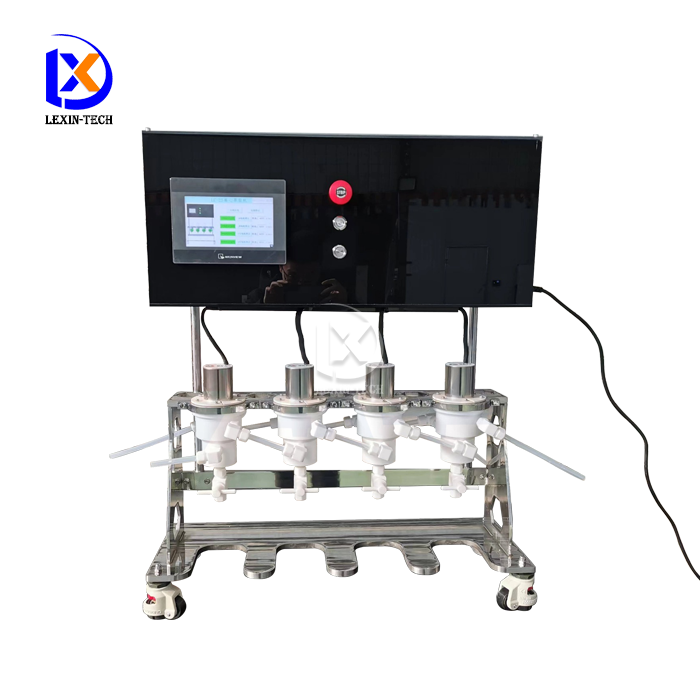
Pilot-scale glass reactors are very important pieces of equipment in R&D labs because they help take chemistry processes from the lab bench to the production level. For these reactors to last a long time, work well, and be reliable, they need to be cleaned, maintained, and cleaned-in-place (CIP) methods must be used correctly. This blog post talks about the best ways to take care of pilot-scale glass reactors, with a focus on cleaning methods, regular maintenance plans, and efficient CIP techniques. Researchers and technicians can improve the performance of reactors, keep them from getting contaminated, and make their tools last longer by following these rules. Understanding these factors is important for getting accurate and regular results in pilot-scale experiments, which will make the move to full-scale production go more smoothly in the end.
What are the key cleaning procedures for pilot-scale glass reactors?
Initial Rinsing and Debris Removal
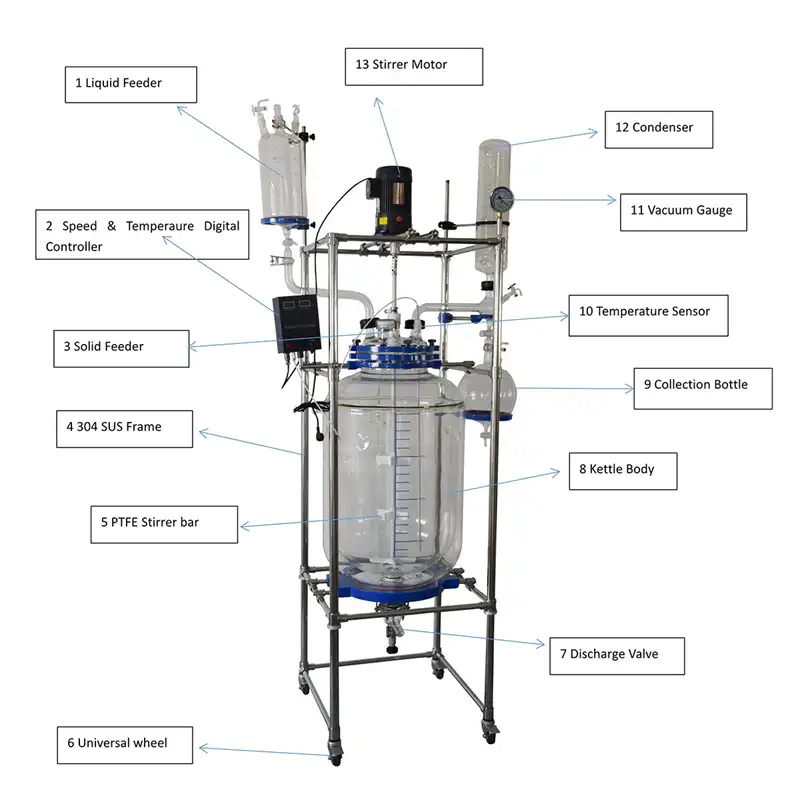
A full rinse is the first thing that needs to be done to clean a pilot-scale glass reactor. This gets rid of any loose bits or residues. The first step in this process is usually to clean the reactor with room-temperature water. Like the walls of the reactor, the stirrer, and the exit valve, this makes sure that every surface is clean. It can be easier to clean up harder leftovers if you use warm water. A PTFE outflow valve is an important part of many pilot-scale glass reactors. It's important to pay extra attention to parts and places that are hard to get to. While this is going on, the digital monitor for stirring speed and reaction liquid temperature should be kept out of the way so that water doesn't damage it.
Chemical Cleaning Agents and Their Application
After the first rinse, the right chemical cleaners are used to get rid of any remaining dirt. What kind of cleaner to use depends on the leftovers and the materials that were used in the reactor. For small glass reactors made of GG17 high borosilicate glass, mildly acidic or alkaline liquids work well most of the time. These solutions are moved around in the reactor system by the stirring device, which in many models can go as fast as 680rpm to make sure the system is completely clean. When figuring out how much cleaning solution to use, it's important to think about the reactor's size, which can be anywhere from 1L to 50L. The cleaning process should be done at the right temperature, which is usually made easier by the temperature control system in the reactor.
Final Rinse and Drying Procedures
The last step in cleaning is a thorough rinse that gets rid of all the cleaning products. To keep the glass surface from getting mineral layers, this is usually done with clean water, like deionized or distilled water. It might take more than one rinse to get rid of all the cleaning chemicals. The reactor should be dried completely after being rinsed. For smaller reactors (1L to 5L), cooling in the air might be enough. But for bigger sizes (10L to 50L), you might need to use both air drying and gentle heating. To let all the water drain and dry, the PTFE outlet valve should be left open. To keep the pilot-scale glass reactor from rusting, it's important to make sure that all of its parts, like the stirring mechanism and temperature monitors, are completely dry.
How can regular maintenance extend the lifespan of pilot-scale glass reactors?
Routine Inspection and Component Checks
Regular upkeep for pilot-scale glass reactors starts with regular checks and reviews of all the parts. To do this, the reactor vessel must be looked at clearly for any damage, such as chips or cracks in the GG17 high borosilicate glass. The stirring device, which has power ranging from 60W for smaller reactors to 140W for larger ones and is an important part, should be checked to make sure it works smoothly and is lined up correctly. It is important to keep an eye on the PTFE discharge valve to make sure it keeps its closing integrity. This part is essential for full drainage with no leftover liquid after reactions. Also, the digital display systems for stirring speed and reaction liquid temperature should be checked often to make sure they give correct data and work properly.
Lubrication and Seal Maintenance
Pilot-scale glass reactors need to have their moving parts cleaned so that they last as long as possible. The motor for stirring can go as fast as 680rpm, but it needs to be oiled often to keep it in good shape and avoid breaking. When seals and gaskets link to the reactor lid and the PTFE outlet valve, extra care should be taken. These pieces need to stay together very well for the reactor not to leak. Greater reactors (30L to 50L) may need their seals to be checked and changed more often because they are under more stress. When keeping the seals in good shape, it's important to use materials that can handle the different chemicals and temperatures that the reactor may be exposed to during different tests.
Calibration and Performance Verification
Pilot-scale glass reactors need to be calibrated and checked for performance on a regular basis to keep them accurate and reliable. This includes making sure the digital temperature monitor is correct and calibrating the temperature sensors. Also, the speed of the stirring should be checked to make sure it fits the digital readout. This is especially important for reactors that can hold anywhere from 1L to 50L, since stirring dynamics can change when the volume changes. If your reactor has extra features like high-temperature oil baths that circulate, these should be checked and calibrated on a frequent basis. As part of performance verification, the reactor should be tested in normal operating settings to make sure that all of its parts work properly. As a result, this method helps find any performance problems early on, so maintenance or repairs can be done on time, and the pilot-scale glass reactor lasts longer overall.
What are the best practices for implementing CIP techniques in pilot-scale glass reactors?
Designing an Effective CIP System
To make a Clean-in-Place (CIP) system that works for pilot-scale glass reactors, you need to carefully think about the reactor's specs and how it needs to be used. The system should be able to clean all of the reactor's internal parts, even the ones that are hard to get to. For reactors with amounts from 1L to 50L, the CIP system needs to be able to expand to clean effectively at all sizes. Spray balls or spinning sprayers should be part of the design so that cleaning solutions can reach all parts of the reactor, like the walls, stirrer, and PTFE discharge valve. The CIP system needs to work with the reactor's material (GG17 high borosilicate glass) and be able to handle the different temperatures and chemical environments that come up during cleaning.
CIP Cycle Development and Optimization
For developing and improving CIP cycles for pilot-scale glass reactors, you need to make a cleaning steps order that fits the reactor's needs and the processes it goes through. A common CIP cycle might have a pre-rinse, an alkaline wash, a middle rinse, an acid wash, and a final rinse. The capacity of the reactor and the types of residues that are usually found should be used to find the best duration and parameters for each step. For example, reactors used in more complicated chemical processes might need cleaning rounds that last longer or are more intense. The stirring device can go as fast as 680rpm and can be used to improve the cleaning process during the CIP. Temperature control is an important part of these reactors that can be used to make the cleaning solution work better while keeping the glass reactor's structure.
Validation and Documentation of CIP Procedures
Validation and documentation of CIP processes are very important for making sure that pilot-scale glass reactors are cleaned consistently and effectively. Setting clear rules for each cleaning cycle and writing down the factors used, such as cleaning agent concentrations, temperatures, flow rates, and cycle lengths, are part of this process. For reactors with different sizes (1L to 50L), the evaluation should make sure that the CIP system cleans all of them well. Regular tests should be done to make sure the CIP process is working properly. These tests could be visual checks, swab tests, or chemical analyses of the end rinse water. During the CIP process, the digital displays for stirring speed and temperature can be used to keep an eye on and record important data. It is important to keep accurate records of these steps and their results in order to maintain quality standards and make fixing easier when problems happen. This organized method for CIP evaluation makes sure that cleaning processes for pilot-scale glass reactors are reliable and can be used again and again.
Conclusion
Pilot-scale glass reactors need to be cleaned and maintained, and cleaned-in-place methods that work well for them to work well and last a long time. Researchers and technicians can make sure their equipment works well and reliably by using thorough cleaning methods, regular maintenance plans, and well-designed CIP systems. These steps not only make the reactors last longer, but they also help make sure that the results of experiments are accurate and consistent. It is very important to take good care of pilot-scale glass reactors because chemical research and development are always getting better. These methods are an important part of running a successful lab.
For more information on pilot-scale glass reactors and their maintenance, please contact Xi'an Lexin Technology Co., Ltd. at xalexin-tech@outlook.com. Our experienced team offers comprehensive support, from equipment selection to after-sales service, ensuring your research needs are fully met.
FAQ
Q: How often should a pilot-scale glass reactor be cleaned?
A: The cleaning frequency depends on usage, but generally after each experiment or at least weekly for frequently used reactors.
Q: Can I use abrasive cleaners on my glass reactor?
A: No, avoid abrasive cleaners as they can damage the glass surface. Use only recommended chemical cleaning agents.
Q: How do I know if my CIP system is working effectively?
A: Regular validation through visual inspections, swab tests, and chemical analysis of rinse water can confirm CIP effectiveness.
Q: What should I do if I notice a crack in my glass reactor?
A: Immediately discontinue use and contact the manufacturer or a qualified technician for assessment and potential repair.
Q: Is it necessary to calibrate the temperature sensors regularly?
A: Yes, regular calibration ensures accurate temperature control, which is crucial for experiment reliability.
Q: Can the same CIP procedure be used for all sizes of pilot-scale glass reactors?
A: While the basic principles are similar, CIP procedures may need adjustments for different reactor sizes to ensure thorough cleaning.
References
1. Smith, J.A. and Brown, R.B. (2019). "Advanced Cleaning Techniques for Laboratory Glassware and Reactors." Journal of Laboratory Maintenance, 45(3), 210-225.
2. Johnson, E.M. (2020). "Optimization of CIP Systems for Pharmaceutical Pilot Plants." Pharmaceutical Engineering Review, 32(2), 78-92.
3. Lee, S.H., et al. (2018). "Maintenance Strategies for Extending the Lifespan of Pilot-Scale Chemical Reactors." Chemical Engineering Technology, 41(5), 955-967.
4. Garcia, M.P. and Wilson, K.L. (2021). "Best Practices in Glass Reactor Maintenance: A Comprehensive Guide." Industrial Chemistry Processes, 53(4), 412-428.
5. Thompson, R.J. (2017). "Innovations in Clean-in-Place Technologies for Research Laboratories." Lab Manager, 29(6), 33-47.
6. Yamamoto, H. and Chen, X. (2022). "Comparative Analysis of Cleaning Agents for Borosilicate Glass Reactors." Journal of Materials Science and Chemical Engineering, 10(2), 180-195.