

What Is a Double-Layer Glass Reactor and How It Works?
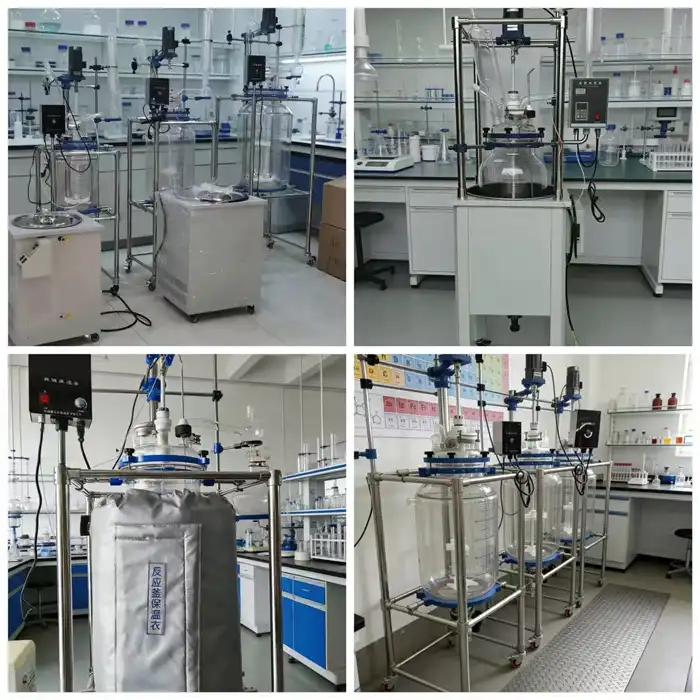
A Double-Layer Glass Reactor is a special kind of chemical processing tank with two glass walls that are stacked on top of each other. These walls form an insulated jacket that lets the temperature of chemical processes be precisely controlled. The reactor works by moving media that heats or cools through the jacket space. Reactants are mixed evenly by an internal stirring device. This new design makes it better at controlling heat, safer, and compatible with a wide range of chemicals. It is an important piece of equipment for research, medicine synthesis, and making fine chemicals in many industries.
Introduction
Double-layer glass reactors are very important pieces of equipment that are used all over the world in the pharmaceutical, chemistry, and study fields. Because of how well they handle and keep you safe during complex reactions, their new design makes them a top choice for both commercial and lab use. It is becoming more and more important for modern factories to use these reactors to keep safety standards high and product quality uniform.
These reactors are important for more than just their basic functions. Because they are made of clear materials, operators can see into reaction processes like never before. They can watch color changes, precipitation, and other visual signs happen in real time. The goal of this guide is to give procurement managers, engineers, and wholesalers the information they need to evaluate, choose, and buy reactors that meet strict operating standards and price constraints. This will help them make better purchasing choices in global B2B markets.
It's important to know the technical details and operating skills of these systems when choosing equipment for a certain job. Because modern chemistry processes are so complicated, they need tools that can work consistently in a wide range of temperatures, pressures, and chemical environments for long periods of time.
Understanding the Double-Layer Glass Reactor: Definition and Working Principle
Double-layer glass reactors have a reaction tank inside two layers of glass that make a jacket that helps heat move through the reactor and keeps heat inside. This clever design makes a controlled space where the reactants are kept in the inner tube, and temperature-regulating fluids are moved around in the outer jacket. The room between these layers keeps heat in and stops it from escaping, which makes it possible to precisely control the temperature during the reaction.
Core Components and Their Functions
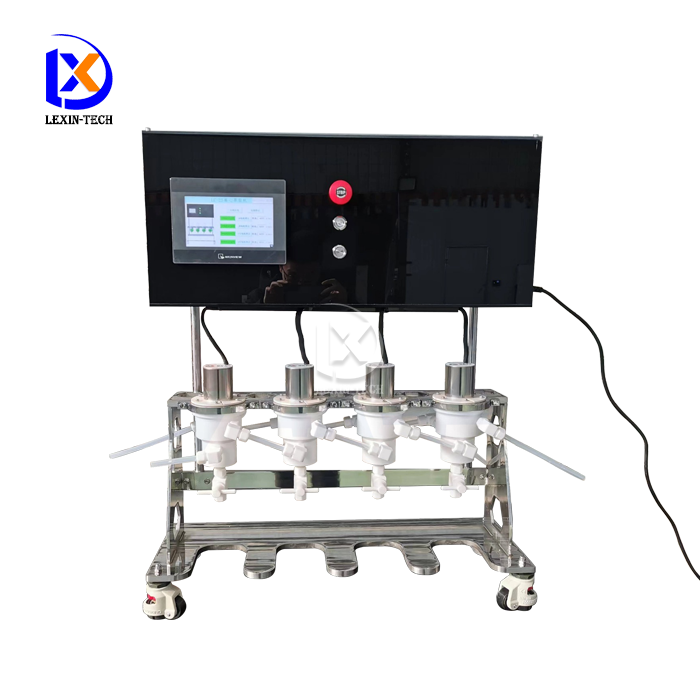
Circulating warm or cooling media inside the jacket is what makes it work, and an integrated mixer makes sure that everything mixes evenly. The most important thing about the reactor is that it can keep the temperature fixed while also stirring things up mechanically. Modern systems have computer screens that show both the speed of stirring and the temperature of the reaction. This gives workers a full picture of the process parameters.
Temperature monitors, pressure controls, and safety locks are some of the important parts that work together to make the process safe and reliable. The stirring device, which comes in different power ranges from 60W for smaller units to 140W for bigger reactors, makes sure that the mixture is mixed evenly across a wide range of viscosities. Together, these parts make an environment that is necessary for working with chemical processes that are sensitive and need precise control over many factors.
Material Construction and Design Excellence
The reactor tank is made of GG17 high borosilicate glass, which is known for being very resistant to chemicals and heat shocks. This choice of material makes sure that it can handle harsh chemicals while also being clear enough for eye inspection. The quality of building has a direct effect on both safety and performance. Choosing the right materials is therefore a very important factor for long-term dependability.
Core Benefits and Industrial Applications of Double-Layer Glass Reactors
Double-layer glass reactors are great for precisely controlling temperature and saving energy. They are also great for chemical protection and visual tracking because they are clear. Because of these benefits, they can be used in many fields where tracking and controlling reactions are very important.
Enhanced Process Control and Safety Features
The design of the reactor includes a number of safety features that set it apart from other systems. Here are some of the best things about this equipment:
- Precise Temperature Control: The double-wall design provides better thermal protection, which lets workers keep reaction temperatures within narrow ranges while using as little energy as possible.
- Visual Process Monitoring: The clear glass lets you see reaction progress, color changes, and phase separations in real time, without stopping the process.
- Advanced Sealing Technology: PTFE outlet valves make sure that all the liquid drains away, leaving no residue after reactions. This stops contamination and makes cleaning more effective.
- Digital Control Systems: Built-in screens show the stirring speed (0–680 rpm) and temperature all the time, letting you keep accurate records and manage the process.
These benefits successfully solve common production problems like changing temperatures, not mixing enough, and not being able to see how reactions are going. Having both visible feedback and precise control makes the process more reliable generally and lowers the chance of batch failures.
Industrial Applications Across Multiple Sectors
Double-layer glass reactors can be used for a wide range of tasks because they are flexible. Pharmaceutical firms use these systems to make new drugs and improve existing ones. It is very important to keep the temperature just right and avoid contamination. They are used by chemical companies to make unique chemicals, especially when working with materials that are toxic or sensitive to temperature.
Different size choices, ranging from 1L laboratory units to 50L pilot-scale reactors, make it easy for research institutions to grow. This range makes it easy to move from study to production while keeping the process settings the same. Modern chemical processing plants can't work without this equipment because it can handle a wide range of reactions, from simple mixing to complicated multi-step syntheses.
Comparing Double-Layer Glass Reactors to Alternative Reactor Types
When compared to single-layer glass reactors, double-layer types are better at keeping heat in and last longer. They cost a little more, but the performance benefits make it worth it. Having better control over temperature lowers the amount of energy used and makes reactions more consistent, which often pays for itself in practical savings.
Glass Reactors Versus Stainless Steel Alternatives
Chemical inertness and visual feedback during reactions are better in double-layer glass reactors, which makes them perfect for processes that need to be sensitive or acidic. Stainless steel reactors may be better for higher pressures and mechanical strength, but many processes need to be able to see what's going on inside. A lot of the time, the process needs, like pressure rates, chemical compatibility, and tracking needs, determine which materials are best.
Stirring System Considerations
Which one to use (mechanical or magnetic) relies on the type of response and the amount of liquid being mixed. Professional-grade reactors have mechanical stirring systems that work consistently even when the viscosity changes and the volume increases. With power ranges from 60W to 140W, the specs can meet a variety of mixing needs while still being energy-efficient.
Learning about the different types of jackets and their pressure grades can help you find the best generator for your needs. Adding high-temperature flowing oil baths increases the temperature range that can be used. This lets processes that need high temperatures be done safely and under control.
How to Choose and Procure the Right Double-Layer Glass Reactor?
Before choosing a reactor, it's important to make sure that the capacity matches the process size and output goals. With a size range of 1L to 50L, it can be used for a variety of tasks, from study in the lab to pilot-scale production. The right size makes sure that materials and energy are used efficiently, and output goals are met.
Technical Specifications and Customization Options
When making a budget, you need to think about how changing costs for materials and features affect price trends. Buying good equipment, like precision moving systems and GG17 high borosilicate glass construction, pays off in the long run because it is reliable and always does what it's supposed to do. Customization choices make the process much more efficient by letting it be changed to fit specific chemical needs and operating limitations.
Because customized setups are available, they can meet process needs that standard tools can't. It's very helpful to have this kind of freedom when working with complex chemical processes or adding reactors to production lines that have limited room or functionality.
Supplier Selection and Support Services
Double-Layer Glass Reactor with trusted suppliers, you need to check their certifications, image, and ability to provide help in different areas to make sure they are reliable and deliver on time. Understanding how to put things together and what to do for care after the sale helps with smooth integration and long-term device performance. Because modern reactor systems are so complicated, they need constant professional help and upkeep.
Discover Lexin's Expertise and Product Range
Xi'an Lexin Technology Co., Ltd. is an expert at customizing full-process equipment options for hydrometallurgy. They also have a lot of experience with chemical processing equipment, such as high-quality glass reactor systems. The heart of our technical team has worked in industrial settings for more than ten years and is very familiar with the tools needed for each stage of the process.
Our Comprehensive Product Offerings
We have all kinds of glass reactors, including the LX series types (LX-1L through LX-50L), which have sizes from 1L to 50L. Our reactors have high-tech features like digital displays for temperature and stirring speed, PTFE outlet valves for better sealing, and GG17 high borosilicate glass construction for the best chemical protection and thermal stability.
Our dedication goes beyond making products; we also provide full customer support, making sure that clients get unique solutions, expert advice, and reliable service after the sale. We have strict quality control measures in place, which are backed up by international certifications and green production guidelines that meet the highest standards in the business.
The business has had a lot of success in foreign trade, building strong relationships with customers in Asia, Europe, and the United States. Our full range of services includes choosing the right tools, helping with technology, and making sure that the skid-mounted units we provide are exactly what the job calls for.
Conclusion
Double-layer glass reactors are important pieces of modern chemical processing equipment because they offer better temperature control, safety, and usability in many fields. Their clever design meets important needs for precise process control while also letting you see what's going on in chemical reactions that are very complicated. Because they are made of high-tech materials, have digital control systems, and can be customized, these reactors are very useful for many tasks, from making pharmaceuticals to making unique chemicals. By reading this guide and understanding the technical details, operating benefits, and buying factors explained, you can make smart choices when choosing reactor systems that will work well and last for a long time in industrial settings.
FAQ
This part answers important practical questions that will help people who work in buying figure out how well the reactor works in different situations and make sure it meets safety standards and process requirements.
What temperature range can double-layer glass reactors handle effectively?
Depending on the moving media used in the jacket, double-layer glass reactors can work at a lot of different temperatures. When paired with the right heating and cooling systems, they can usually handle ranges from -80°C to +200°C in their normal forms. The GG17 high borosilicate glass structure is very resistant to thermal shock, which means that the temperature can change quickly without damaging the vessel.
How do I determine the appropriate reactor capacity for my process?
There are a lot of things that affect how big a reactor needs to be, such as the batch size, the mixing needs, and the heat transfer needs. As a general rule, it is best to use 60–80% of the reactor's total volume for mixing. When choosing between 1L and 50L sizes, think about how much you're making, how much you expect to make, and whether the reactor can handle more than one product.
What maintenance schedule is recommended for optimal performance?
As part of regular maintenance, the seals and connections are checked every day, the outflow valve is cleaned once a week, and the temperature and stirring speed screens are calibrated once a month. Every three months, you should check the PTFE outlet valve for wear. Also, you should carefully look over the glass tank for any stress cracks or chemical etching that could make it unsafe.
Are these reactors suitable for high-pressure applications?
Standard double-layer glass reactors are made to work in situations ranging from atmospheric to mild vacuum. Pressure-rated tanks are great for tasks that need to be chemically compatible and can be seen, but they aren't usually needed for high-pressure processes. Talk to experts in the field to find out if unique setups can meet the pressure needs of your application.
Partner with Lexin for Premium Double-Layer Glass Reactor Solutions
Picking the right glass reactor maker can have a big effect on how well your business runs and how productive you are in the long run. Lexin Technology has been in the double-layer glass reactor business for more than ten years and has strong foreign relationships that have worked out well. Our LX series reactors have advanced digital controls, are made of high-quality GG17 borosilicate glass, and can be set up in a variety of ways to meet the processing needs of pharmaceutical, chemical, and research uses.
We offer full services from choosing the tools to integrating the whole system, making sure that the operation goes smoothly and performance is at its best. Our customized packing and quick shipping keep project delays to a minimum, and our strong technical support team is there to help you all the way through the lifecycle of your equipment. Email our experts at xalexin-tech@outlook.com / 279821010@qq.com to talk about your unique needs and get a quote for one of our high-quality double-layer glass reactor systems.
References
1. Smith, J.A., and Chen, M.L. "Advanced Glass Reactor Technologies for Chemical Process Industries." Chemical Engineering Progress, vol. 118, no. 3, 2022, pp. 42-48.
2. Rodriguez, P., Thompson, K.R., and Wilson, D.S. "Thermal Management Systems in Laboratory Glass Reactors: Design and Performance Analysis." Process Safety and Environmental Protection, vol. 156, 2021, pp. 789-802.
3. Anderson, R.J., et al. "Comparative Analysis of Reactor Materials for Corrosive Chemical Processes." Industrial & Engineering Chemistry Research, vol. 60, no. 8, 2021, pp. 3156-3167.
4. Lee, H.K., and Patel, V.M. "Double-Wall Reactor Design Optimization for Enhanced Heat Transfer Efficiency." Chemical Engineering Science, vol. 245, 2021, pp. 116-125.
5. Brown, S.T., Johnson, A.C., and Kumar, R. "Safety Considerations in Glass Reactor Operations: A Comprehensive Review." Journal of Chemical Health and Safety, vol. 28, no. 4, 2021, pp. 223-235.
6. Wang, L., Miller, J.P., and Garcia, M.A. "Scaling Considerations for Laboratory to Pilot Plant Glass Reactor Systems." Chemical Engineering & Technology, vol. 44, no. 9, 2021, pp. 1645-1652.