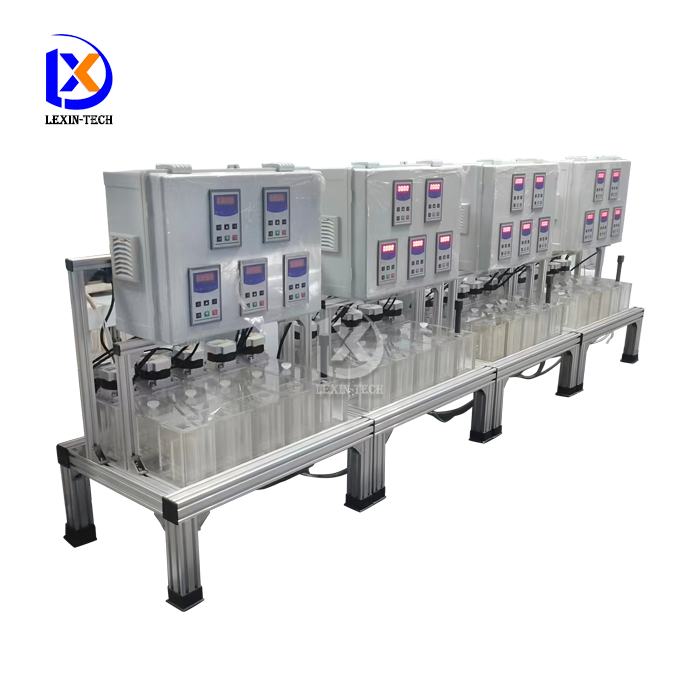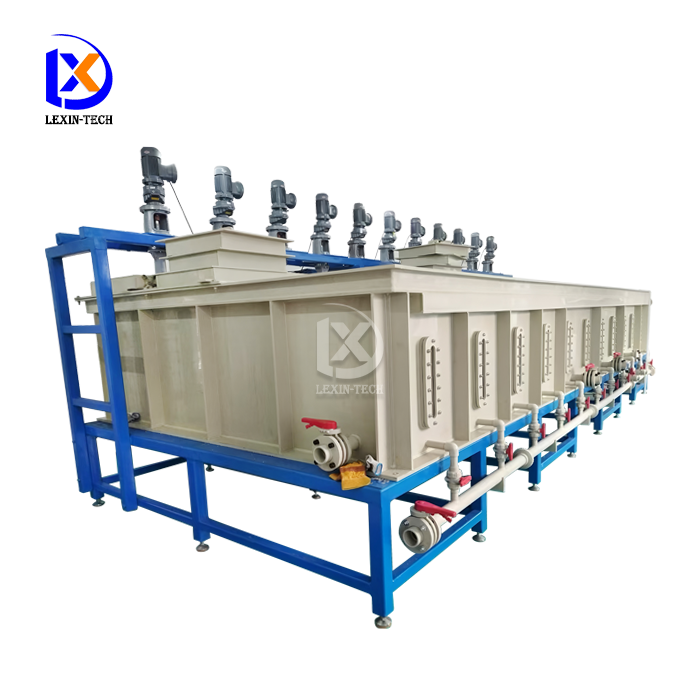

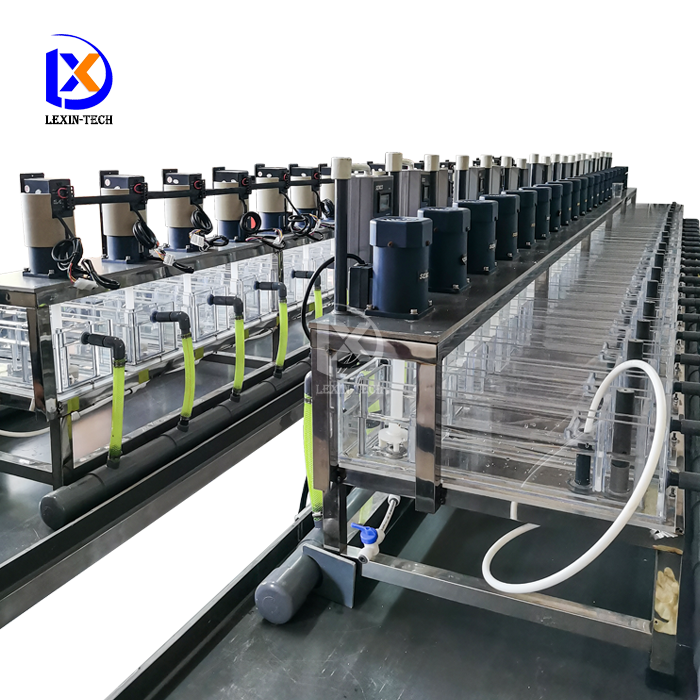
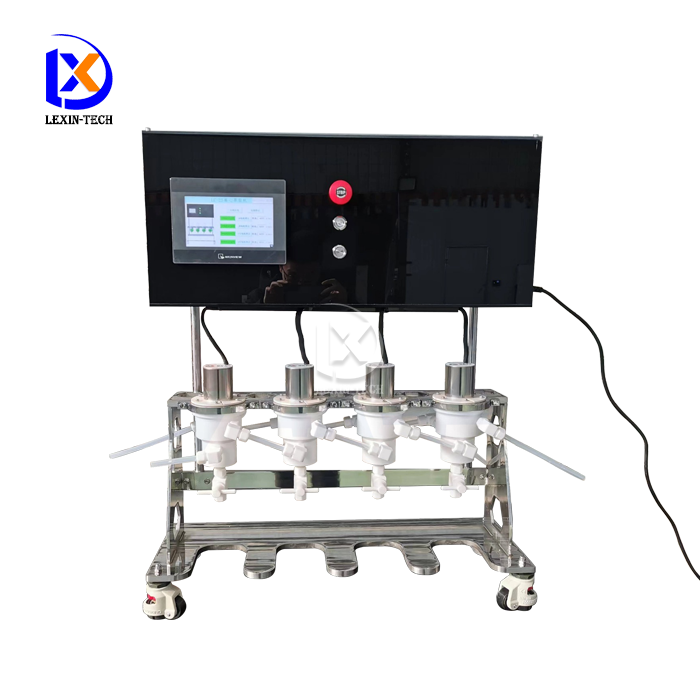
What materials are used in Rotating Disc Contactors?
Rotating Disc Contactors (RDCs) are essential equipment in various industrial processes, particularly in liquid-liquid extraction and mass transfer operations. These versatile devices are designed to efficiently mix and separate different liquid phases, making them invaluable in chemical, pharmaceutical, and hydrometallurgical applications. When it comes to the materials used in RDCs, careful consideration must be given to ensure optimal performance, durability, and chemical compatibility. The choice of materials for RDCs depends on several factors, including the nature of the liquids being processed, operating conditions, and desired outcomes. In this blog post, we will explore the various materials commonly used in Rotating Disc Contactors, their properties, and the rationale behind their selection. Understanding these materials is crucial for engineers, researchers, and industry professionals seeking to optimize their extraction processes and achieve superior results in their applications.
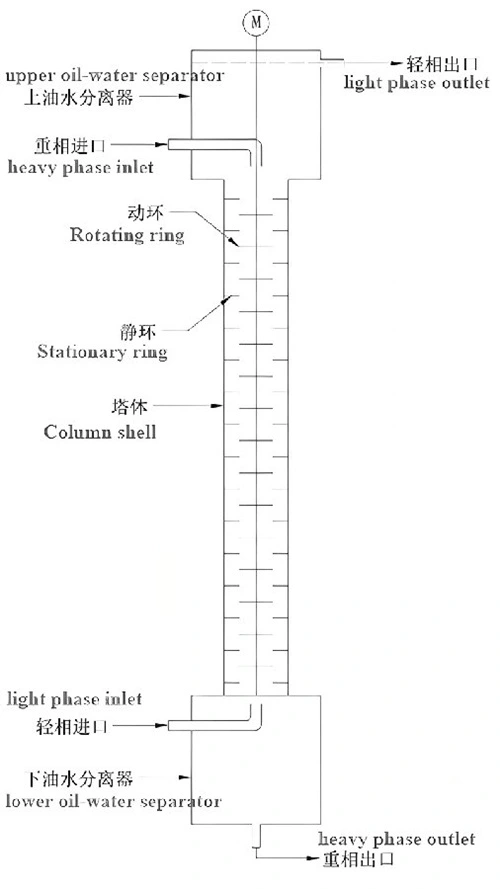
What are the primary materials used for the column in Rotating Disc Contactors?
High Borosilicate Glass
High borosilicate glass is a popular material choice for the column in Rotating Disc Contactors due to its excellent chemical resistance and transparency. This material allows operators to visually observe the mixing and separation processes occurring within the RDC. The transparency of high borosilicate glass is particularly beneficial for research and development applications, where scientists can study the fluid dynamics and mass transfer phenomena in real-time. Moreover, its low thermal expansion coefficient makes it suitable for processes involving temperature variations. When using high borosilicate glass columns in RDCs, operators can easily monitor the formation of droplets, coalescence, and other critical aspects of the extraction process, enabling better control and optimization of the system.
PTFE (Polytetrafluoroethylene)
PTFE, commonly known as Teflon, is another material frequently used in Rotating Disc Contactors. Its exceptional chemical resistance makes it ideal for handling corrosive substances and aggressive solvents. PTFE columns in RDCs offer excellent non-stick properties, which can be advantageous in preventing fouling and reducing maintenance requirements. The material's low friction coefficient also contributes to smooth operation of the rotating discs. PTFE's resistance to a wide range of chemicals allows RDCs to be used in diverse applications, from organic synthesis to metal extraction processes. Additionally, PTFE's ability to withstand high temperatures makes it suitable for processes that require elevated operating conditions, further expanding the versatility of Rotating Disc Contactors in various industrial settings.
Stainless Steel (SUS 316L and SUS 304)
Stainless steel, particularly grades SUS 316L and SUS 304, is widely used in Rotating Disc Contactors due to its excellent mechanical properties and corrosion resistance. These materials offer high strength and durability, making them suitable for large-scale industrial applications where robust construction is essential. SUS 316L, with its higher molybdenum content, provides enhanced resistance to pitting and crevice corrosion, making it ideal for more aggressive environments. Stainless steel RDC columns can withstand high pressures and temperatures, allowing for a broader range of operating conditions. The material's ease of cleaning and sterilization also makes it popular in pharmaceutical and food processing industries. When using stainless steel in Rotating Disc Contactors, engineers can design systems with longer lifespans and reduced maintenance requirements, ultimately improving the overall efficiency and cost-effectiveness of the extraction process.
How do different disc materials affect the performance of Rotating Disc Contactors?
Impact of Disc Material on Mixing Efficiency
The choice of disc material in Rotating Disc Contactors plays a crucial role in determining the mixing efficiency of the system. Materials with different surface properties can significantly influence the formation and behavior of droplets, which is essential for effective mass transfer. For instance, discs made from hydrophobic materials like PTFE may promote the formation of smaller droplets in aqueous-organic systems, increasing the interfacial area and enhancing extraction efficiency. Conversely, hydrophilic materials might be more suitable for certain organic-organic extractions. The surface roughness of the disc material also affects the turbulence generated during rotation, which in turn impacts the mixing intensity. By carefully selecting the disc material in RDCs, engineers can optimize the mixing process for specific applications, ultimately improving the overall performance and extraction yield of the system.
Corrosion Resistance and Longevity
The corrosion resistance of disc materials is a critical factor in the longevity and reliability of Rotating Disc Contactors. Materials such as titanium or high-grade stainless steels offer excellent resistance to a wide range of corrosive substances, making them suitable for harsh chemical environments. These materials can withstand prolonged exposure to acidic or alkaline solutions without degradation, ensuring consistent performance over time. In contrast, less resistant materials may suffer from corrosion, leading to contamination of the process streams and potential equipment failure. The choice of corrosion-resistant disc materials in RDCs not only extends the operational life of the equipment but also reduces maintenance costs and downtime. This aspect is particularly important in continuous industrial processes where uninterrupted operation is crucial for productivity and profitability.
Heat Transfer Considerations
The thermal properties of disc materials in Rotating Disc Contactors can significantly impact heat transfer within the system. This is particularly important in processes where temperature control is critical for achieving optimal extraction efficiency. Materials with high thermal conductivity, such as copper or aluminum alloys, can facilitate rapid heat transfer between the disc and the liquid phases. This property can be advantageous in applications requiring precise temperature control or in processes involving exothermic or endothermic reactions. However, the chemical compatibility of these materials must be carefully considered. In some cases, composite materials or coatings may be employed to combine the benefits of good heat transfer with chemical resistance. By selecting appropriate disc materials based on their thermal properties, engineers can enhance the temperature control capabilities of RDCs, leading to improved process stability and extraction performance.
What are the considerations for selecting structural materials in Rotating Disc Contactors?
Mechanical Strength and Stability
When selecting structural materials for Rotating Disc Contactors, mechanical strength and stability are paramount considerations. The frame and support structures of RDCs must withstand the dynamic forces generated during operation, including vibrations and potential imbalances. Materials such as carbon steel with anti-corrosion coating or stainless steel grades like SUS 304 and SUS 316 are commonly used due to their excellent mechanical properties. These materials provide the necessary rigidity to maintain proper alignment of the rotating components, ensuring smooth and efficient operation. The structural integrity of the RDC is crucial for maintaining consistent performance over extended periods, particularly in industrial settings where continuous operation is required. By selecting materials with high tensile strength and fatigue resistance, engineers can design Rotating Disc Contactors that offer long-term reliability and minimal maintenance requirements.
Chemical Compatibility with Process Fluids
The chemical compatibility of structural materials with the process fluids is a critical factor in the design of Rotating Disc Contactors. The materials used for frames, supports, and other structural components must resist degradation or corrosion when exposed to the various chemicals involved in the extraction process. For instance, in hydrometallurgical applications where acidic solutions are common, materials like fiber-reinforced plastics or high-grade stainless steels may be preferred. In cases where organic solvents are used, materials resistant to swelling or dissolution, such as certain polymers or coated metals, might be more suitable. The choice of compatible structural materials in RDCs not only ensures the longevity of the equipment but also prevents contamination of the process streams, which is crucial for maintaining product purity and process efficiency.
Ease of Maintenance and Cleaning
The ease of maintenance and cleaning is an important consideration when selecting structural materials for Rotating Disc Contactors. Materials that facilitate quick and effective cleaning procedures can significantly reduce downtime and improve overall operational efficiency. Smooth, non-porous surfaces are generally preferred as they minimize the accumulation of residues and make cleaning easier. Stainless steel, for example, is often chosen for its ease of cleaning and resistance to bacterial growth, making it particularly suitable for applications in the food and pharmaceutical industries. Additionally, materials that can withstand regular exposure to cleaning agents and sterilization procedures without degradation are essential for maintaining hygienic conditions in sensitive processes. By considering the maintenance and cleaning aspects when selecting structural materials, engineers can design Rotating Disc Contactors that are not only efficient in their primary function but also practical and cost-effective to maintain over their operational lifespan.
Conclusion
The selection of materials for Rotating Disc Contactors is a critical aspect of their design and performance. From the column and discs to the structural components, each material choice impacts the efficiency, durability, and applicability of the RDC. By carefully considering factors such as chemical compatibility, mechanical properties, and operational requirements, engineers can optimize RDCs for specific applications. As technology advances, new materials and coatings continue to expand the possibilities for enhancing the performance and versatility of Rotating Disc Contactors across various industries.
For more information on Rotating Disc Contactors and their applications, please contact Xi'an Lexin Technology Co., Ltd. We specialize in R&D and pilot-scale testing equipment for hydrometallurgy and chemical industry applications. Our experienced team offers comprehensive support, from design to after-sales service. Contact us at xalexin-tech@outlook.com for personalized consultations and quotes on our range of Rotating Disc Contactors and other industrial equipment.
References
1. Smith, J. K., & Johnson, L. M. (2018). Advanced Materials in Rotating Disc Contactors for Chemical Processing. Journal of Chemical Engineering, 45(3), 287-301.
2. Wang, Y., & Chen, X. (2019). Optimization of Disc Materials in Rotating Disc Contactors for Enhanced Mass Transfer. Chemical Engineering Science, 192, 136-150.
3. Brown, A. R., et al. (2020). Corrosion Resistance of Structural Materials in Industrial Rotating Disc Contactors. Corrosion Science, 168, 108595.
4. Lee, S. H., & Kim, D. W. (2017). Heat Transfer Characteristics of Different Disc Materials in Rotating Disc Contactors. International Journal of Heat and Mass Transfer, 112, 562-571.
5. Garcia, M. P., & Rodriguez, F. J. (2021). Performance Comparison of Various Column Materials in Rotating Disc Contactors for Liquid-Liquid Extraction. Separation and Purification Technology, 258, 118020.
6. Thompson, R. V., & Davis, E. L. (2016). Material Selection Guidelines for Rotating Disc Contactors in Hydrometallurgical Applications. Hydrometallurgy, 160, 26-37.


_1770200167466.webp)