


Solvent Extraction in Lithium Battery Recycling
With the rising demand for electric vehicles, the need for sustainable battery recycling solutions has become increasingly urgent. One of the critical steps in the recycling process of lithium-ion batteries is solvent extraction. This method is essential for efficiently separating and recovering valuable metals from spent batteries, thus contributing to a more sustainable approach to lithium battery recycling .
What is Solvent Extraction?
Solvent extraction is a process used to separate and purify specific metals from a mixture, typically involving an aqueous and an organic phase. It leverages the different solubilities of compounds in these two phases to selectively isolate and recover valuable elements.
Role of Solvent Extraction in Lithium Battery Recycling
In the context of lithium battery recycling, solvent extraction plays a pivotal role in isolating metals such as lithium, cobalt, and nickel from black mass—a mixture of shredded battery components.
Steps Involved in Solvent Extraction for Battery Recycling
- Leaching: The initial step involves treating the crushed battery material (black mass)with a suitable leaching agent. This solution dissolves the metals from the battery electrodes and other components.
- Separation: The resulting leach solution contains a mixture of dissolved metals, including lithium, cobalt, and nickel, along with various impurities. Solid-liquid separation techniques are employed to remove any remaining solid residues from the solution.
- Purification: The leach solution may still contain unwanted impurities. Purification steps, including solvent extraction, are employed to selectively remove specific metals from the solution.
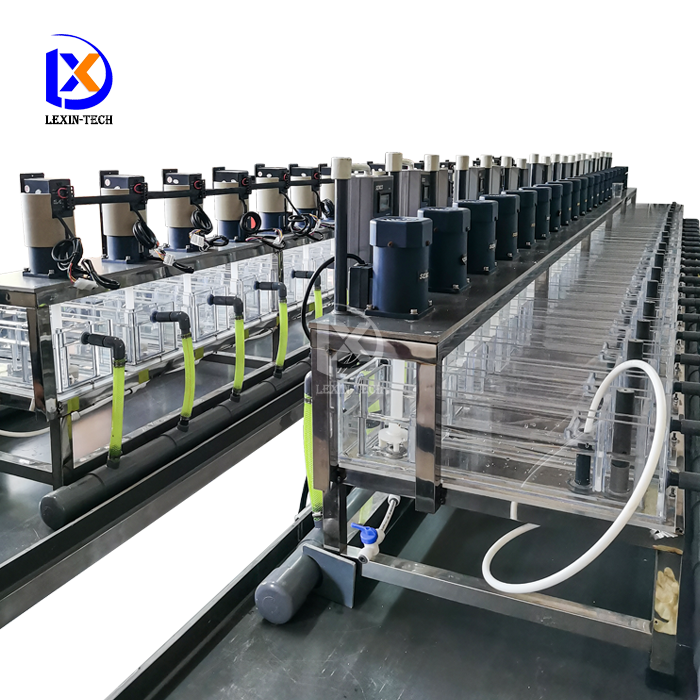
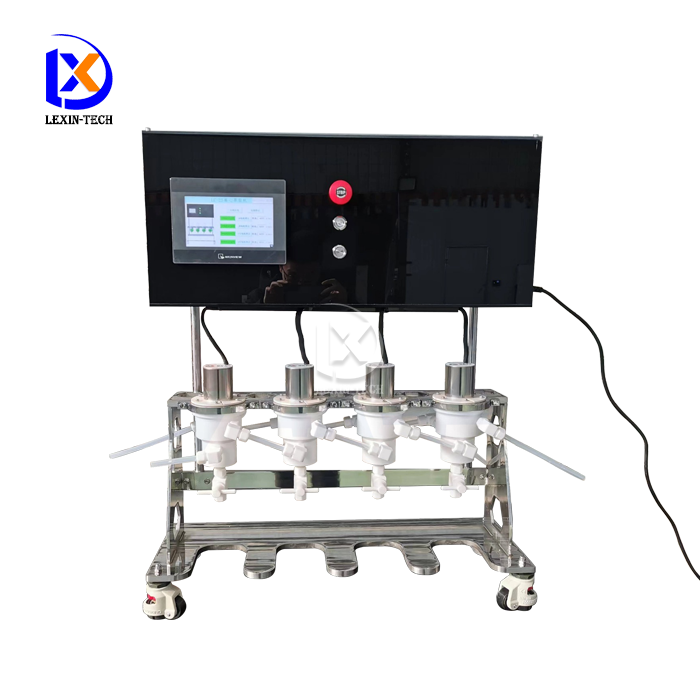
- Solvent Extraction: During this step, the purified leach solution is mixed with an organic solvent that selectively binds to the desired metal ions. This interaction forms an organic phase that contains the metal complex, separating it from the rest of the solution.
- Stripping: The metal-laden organic phase is then treated to strip the metal ions from the solvent, typically by altering the pH or introducing another chemical agent. This process releases the metal ions into a new aqueous solution.
- Recovery: Finally, the metal ions are recovered from the aqueous solution through methods such as precipitation or electrolysis, depending on the specific metal and desired product.
Benefits of Solvent Extraction
Solvent extraction is highly efficient in separating and recovering valuable metals from spent lithium-ion batteries. This process is crucial for recycling because it reduces the environmental impact associated with mining new raw materials. By enabling the recovery of critical metals, solvent extraction supports the creation of a closed-loop system in battery production, contributing to the sustainability of the entire supply chain.
Conclusion
Solvent extraction is a cornerstone technology in the recycling of lithium-ion batteries. It allows for the efficient separation and recovery of valuable metals, reducing the need for new mining operations and minimizing environmental harm. As the demand for electric vehicles and renewable energy storage solutions grows, the role of solvent extraction in sustainable battery recycling becomes increasingly important. This process not only conserves resources but also helps in advancing the circular economy for battery materials. By understanding and implementing solvent extraction in the recycling process, the industry can move closer to achieving a sustainable, low-carbon future for energy storage solutions.
From: https://www.aquametals.com/