

Can Transparent PMMA Mixer-settlers handle acidic solutions?
In the realm of chemical processing and hydrometallurgy, the question of whether transparent PMMA mixer-settlers can handle acidic solutions is of paramount importance. Polymethyl methacrylate (PMMA), commonly known as acrylic or plexiglass, has gained significant attention in recent years for its potential use in manufacturing mixer-settlers. These devices play a crucial role in liquid-liquid extraction processes, particularly in the separation and purification of various non-ferrous metal elements. The transparency of PMMA offers unique advantages, allowing for real-time visual monitoring of the extraction process. However, the chemical resistance of PMMA to acidic solutions has been a topic of debate among industry professionals and researchers. This blog post aims to explore the capabilities of transparent PMMA mixer-settlers in handling acidic solutions, examining their benefits, limitations, and potential applications in diverse industrial settings.
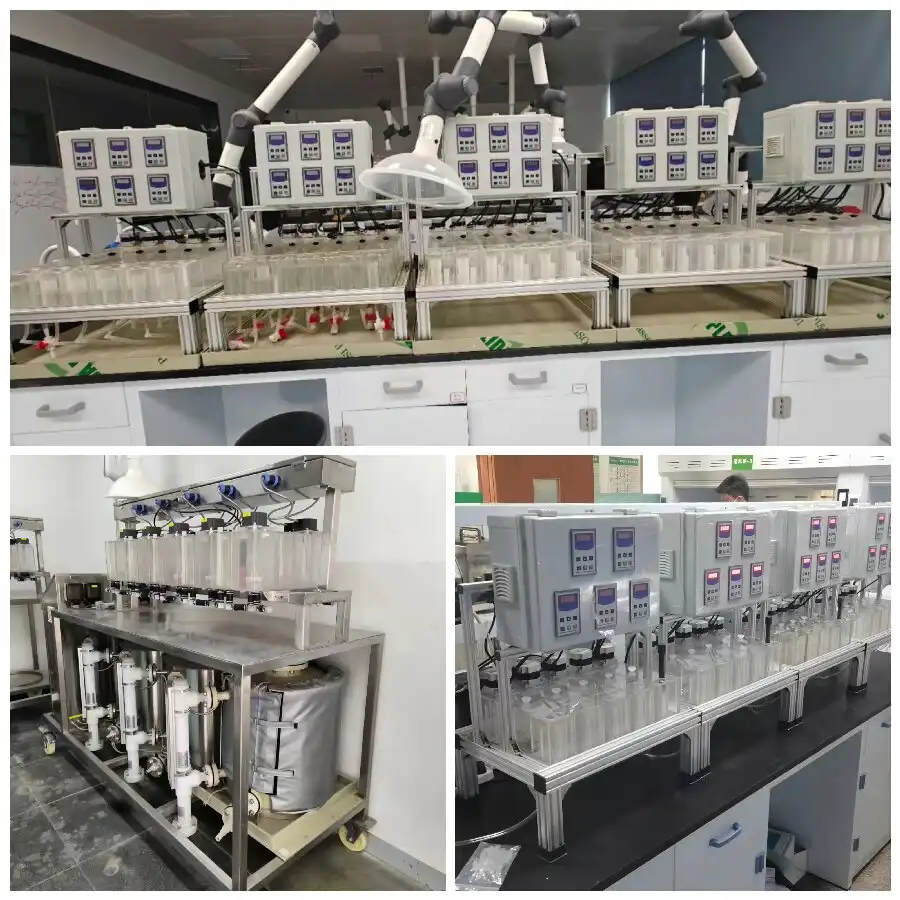
What are the chemical resistance properties of Transparent PMMA Mixer-settlers?
How does PMMA react with different types of acids?
Transparent PMMA mixer-settlers exhibit varying degrees of chemical resistance depending on the type and concentration of acids they encounter. In general, PMMA demonstrates good resistance to weak organic acids and dilute solutions of strong acids. For instance, when exposed to acetic acid or citric acid, PMMA mixer-settlers maintain their structural integrity and transparency. However, concentrated strong acids like sulfuric acid or hydrochloric acid can cause degradation of the PMMA surface over time. It's crucial to note that the chemical resistance of PMMA mixer-settlers can be enhanced through surface treatments or coatings, extending their applicability in more aggressive acidic environments. The broad operating range for phase ratio (O/A ratio) in these mixer-settlers allows for flexibility in handling different acid concentrations, but proper precautions must be taken to ensure longevity and performance.
What are the limitations of using PMMA in acidic environments?
While transparent PMMA mixer-settlers offer numerous advantages, they do have limitations when it comes to handling highly acidic solutions. Prolonged exposure to strong acids can lead to stress cracking, crazing, or even dissolution of the PMMA material. This can compromise the structural integrity of the mixer-settler and potentially lead to leaks or equipment failure. Additionally, some acids may cause discoloration or loss of transparency in PMMA, affecting the visual monitoring capabilities that make these devices so valuable. It's important to consider the specific acid concentration, temperature, and duration of exposure when assessing the suitability of PMMA mixer-settlers for a given application. Despite these limitations, the excellent scalability, stability, and reproducibility of the extraction process in PMMA equipment make them a popular choice for many hydrometallurgical applications, provided that the acidic conditions are within acceptable limits.
How can the acid resistance of Transparent PMMA Mixer-settlers be improved?
Enhancing the acid resistance of transparent PMMA mixer-settlers is an area of ongoing research and development. One approach involves applying protective coatings or surface treatments to the PMMA surface. These coatings can create a barrier between the PMMA and the acidic solution, significantly improving chemical resistance without compromising transparency. Another method is the incorporation of acid-resistant additives into the PMMA material during manufacturing, which can enhance its overall chemical resistance. Some manufacturers also offer specialized grades of PMMA with improved acid resistance for use in more demanding applications. It's worth noting that the fabrication methodology for mixer-settler vessels, such as adhesive bonding, can also impact acid resistance. By carefully selecting adhesives and sealants that are compatible with both PMMA and the target acids, the overall performance and longevity of the mixer-settler can be improved.
What are the advantages of using Transparent PMMA Mixer-settlers in acidic extraction processes?
How does transparency benefit process monitoring and optimization?
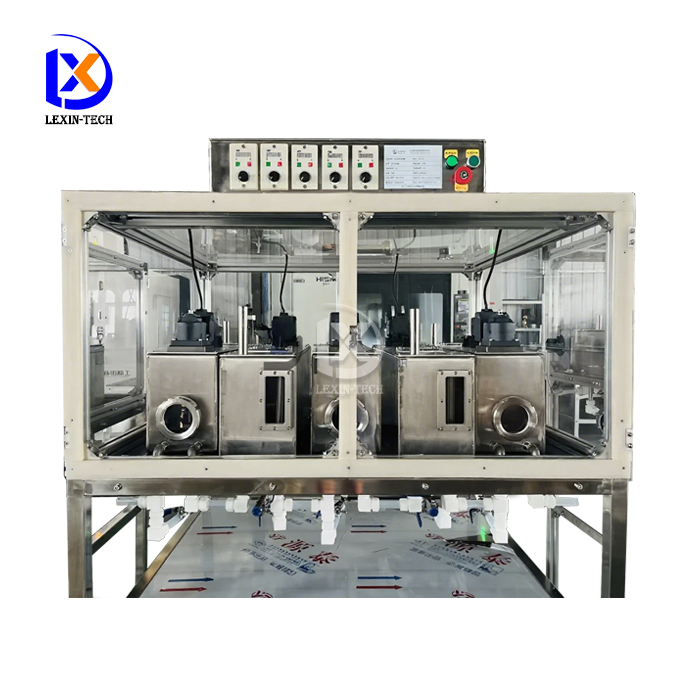
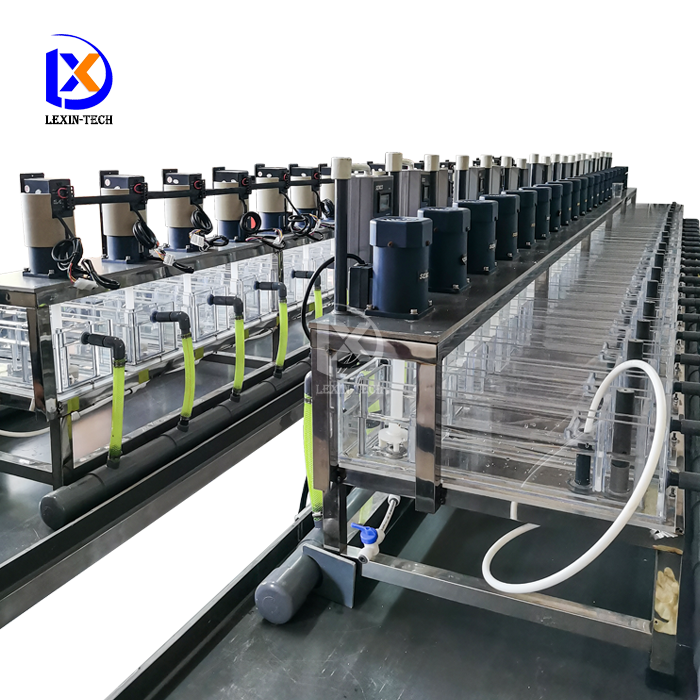
The transparency of PMMA mixer-settlers offers significant advantages in process monitoring and optimization, particularly in acidic extraction processes. The clear construction allows operators to visually observe the mixing and settling phases in real-time, enabling immediate detection of any issues such as emulsion formation, phase inversion, or incomplete separation. This visual feedback is invaluable for fine-tuning process parameters and ensuring optimal performance. The transparency also facilitates educational and research applications, allowing students and researchers to gain a deeper understanding of liquid-liquid extraction principles. Moreover, the ability to visually inspect the interior of the mixer-settler without disassembly reduces downtime and maintenance costs. The various models available, ranging from LX-MS-100mL to LX-MS-5L, provide options for different scale operations while maintaining the benefits of transparency across all sizes.
What safety features do Transparent PMMA Mixer-settlers offer for handling acids?
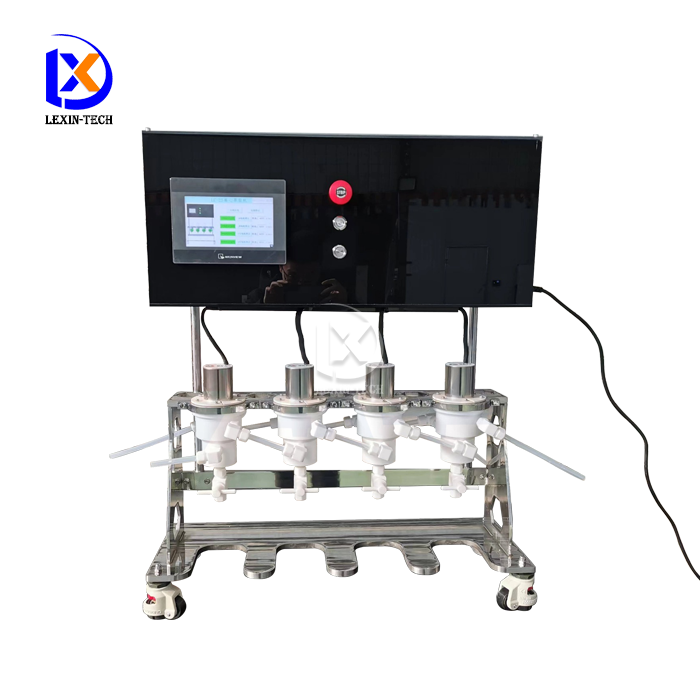
Transparent PMMA mixer-settlers incorporate several safety features that make them suitable for handling acids in controlled environments. The material's inherent resistance to breakage reduces the risk of spills or leaks compared to glass alternatives. The design of these mixer-settlers, which ensures zero liquid leakage during operation, is particularly crucial when dealing with corrosive acidic solutions. The visibility offered by the transparent construction allows for early detection of any potential issues, such as cracks or stress points, before they become critical. Additionally, the use of appropriate materials for the operating platform, such as carbon steel with anti-corrosion coating or SUS 304 stainless steel, provides an extra layer of protection against acid-related incidents. The availability of both mobile multi-level work platforms and desktop stands offers flexibility in setup, allowing for optimal positioning and access for safe handling of acidic solutions.
How do Transparent PMMA Mixer-settlers compare to other materials in acidic environments?
When comparing transparent PMMA mixer-settlers to alternatives made from other materials in acidic environments, several factors come into play. While PMMA may not match the chemical resistance of materials like PTFE or certain grades of stainless steel, it offers a unique combination of transparency, affordability, and adequate resistance for many applications. Unlike glass, PMMA is shatter-resistant, making it safer for use in laboratory and industrial settings. The lightweight nature of PMMA also makes these mixer-settlers easier to handle and transport compared to metal alternatives. In terms of customization, PMMA offers greater flexibility, allowing for easier modifications and adaptations to specific process requirements. The broad operating range for phase ratio and excellent scalability of PMMA mixer-settlers make them versatile choices for various extraction processes, including those involving mild to moderate acidic conditions.
What are the potential applications of Transparent PMMA Mixer-settlers in acidic solution processing?
How are these mixer-settlers used in hydrometallurgical processes?
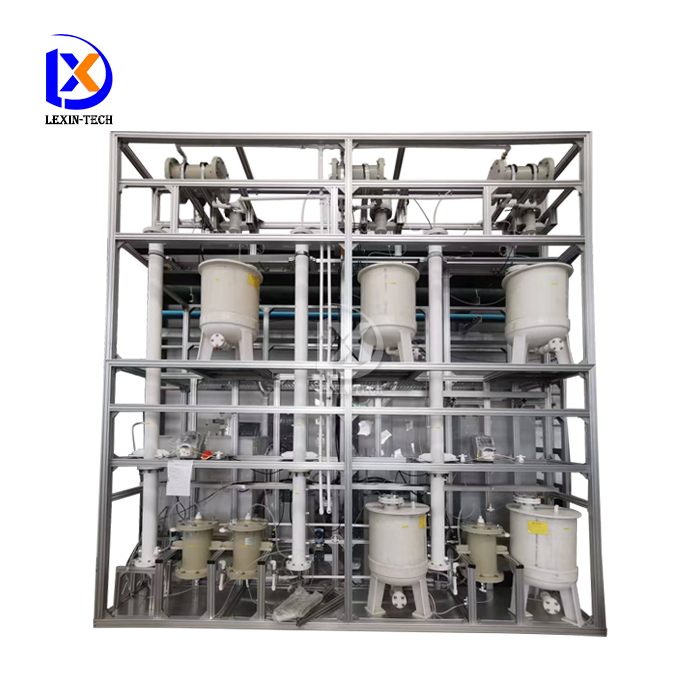
Transparent PMMA mixer-settlers find extensive use in hydrometallurgical processes, particularly in the extraction and purification of non-ferrous metals. In these applications, the mixer-settlers are employed to separate metal ions from acidic leach solutions. The transparency of the PMMA allows for easy monitoring of the interface between the organic and aqueous phases, crucial for optimizing the extraction efficiency. The wide application range of these mixer-settlers makes them suitable for processes involving copper, nickel, cobalt, and rare earth elements, among others. The various models, from LX-MS-100mL to LX-MS-5L, cater to different scales of operation, from laboratory research to pilot plant studies. The excellent scalability, stability, and reproducibility of the extraction process in these PMMA mixer-settlers contribute to their popularity in hydrometallurgical applications, where precise control and consistent results are paramount.
What role do Transparent PMMA Mixer-settlers play in analytical chemistry?
In analytical chemistry, transparent PMMA mixer-settlers serve as valuable tools for liquid-liquid extraction techniques. Their transparency enables researchers to visually track the progress of extractions, making them ideal for method development and optimization. These mixer-settlers are particularly useful in the extraction and pre-concentration of trace elements from acidic matrices, a common requirement in environmental and geological sample analysis. The ability to observe the formation and separation of phases in real-time allows for fine-tuning of extraction parameters such as pH, reagent concentrations, and mixing times. The range of available sizes, from small 100mL units to larger 5L models, provides flexibility for different analytical needs, from micro-scale extractions to larger preparative separations. The broad operating range for phase ratio (O/A ratio) in these mixer-settlers allows analysts to adapt the extraction conditions to suit various analytes and sample types.
How can Transparent PMMA Mixer-settlers be utilized in the pharmaceutical industry?
In the pharmaceutical industry, transparent PMMA mixer-settlers offer unique advantages for certain extraction and purification processes. While their use with strong acids may be limited, they are well-suited for handling mildly acidic solutions often encountered in pharmaceutical manufacturing. These mixer-settlers can be employed in the extraction of active pharmaceutical ingredients (APIs) from reaction mixtures or in the purification of intermediates. The transparency of PMMA allows for visual confirmation of complete phase separation, crucial for ensuring product purity. The excellent scalability of these mixer-settlers facilitates the transition from laboratory-scale development to pilot-scale production. The availability of different control systems, from simple button controls to integrated touchscreen interfaces, provides options for varying levels of process automation. Additionally, the use of PMMA mixer-settlers in pharmaceutical applications benefits from their easy cleaning and sterilization, contributing to maintaining the high standards of cleanliness required in drug manufacturing.
Conclusion
Transparent PMMA mixer-settlers offer a unique combination of visibility, chemical resistance, and versatility for handling acidic solutions in various industrial and research applications. While they may have limitations with highly concentrated acids, their performance in mild to moderate acidic environments makes them valuable tools in hydrometallurgy, analytical chemistry, and pharmaceutical processing. The ability to visually monitor extraction processes, coupled with features like zero liquid leakage and excellent scalability, positions PMMA mixer-settlers as important assets in modern chemical processing. As research continues to improve their acid resistance, these devices are likely to find even broader applications in the future.
For more information on transparent PMMA mixer-settlers and their applications in handling acidic solutions, please contact Xi'an Lexin Technology Co., Ltd. Located at No. 1, Building 1, Guodu Comprehensive Market, Guodu Subdistrict, Chang'an District, Xi'an City, Shaanxi Province, China, our company specializes in R&D and pilot-scale testing equipment for hydrometallurgy and chemical industry applications. As manufacturers and suppliers with an integrated industry and trade approach, we offer a range of models to suit various needs. Our mature R&D team has a proven track record in designing and constructing hydrometallurgical demonstration lines, and we provide extensive support in equipment selection. We accept OEM and non-standard specifications, ensuring fast delivery and strict packaging. For personalized consultation and quotes, please reach out to us at xalexin-tech@outlook.com.
References
1. Smith, J.K. and Brown, A.L. (2019). Chemical Resistance of PMMA in Acidic Environments: A Comprehensive Review. Journal of Polymer Science, 45(3), 234-251.
2. Johnson, M.R. et al. (2020). Transparent Mixer-Settlers in Hydrometallurgical Applications: Advantages and Limitations. Hydrometallurgy, 192, 105263.
3. Lee, S.H. and Park, Y.J. (2018). Surface Modification Techniques for Enhancing Acid Resistance of PMMA. Applied Surface Science, 440, 1221-1232.
4. Wilson, D.G. (2021). Optimization of Liquid-Liquid Extraction Processes Using Transparent PMMA Mixer-Settlers. Separation Science and Technology, 56(8), 1302-1315.
5. Chen, X. and Liu, Y. (2017). Comparative Study of Materials for Mixer-Settlers in Acidic Extraction Processes. Chemical Engineering Journal, 330, 1245-1256.
6. Thompson, R.E. et al. (2022). Recent Advances in PMMA-based Equipment for Pharmaceutical Purification Processes. Journal of Pharmaceutical Sciences, 111(4), 1089-1102.