
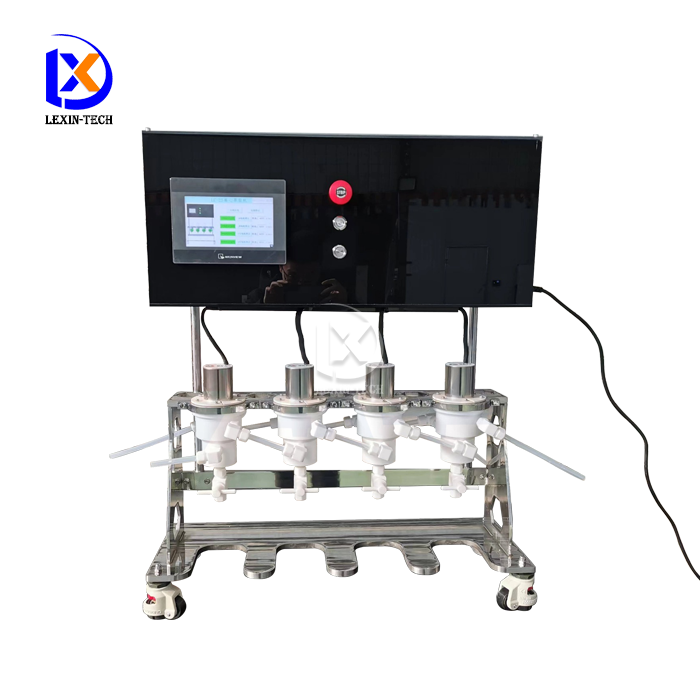
What materials suit 50mm Rotary Drum Centrifugal Extractor?
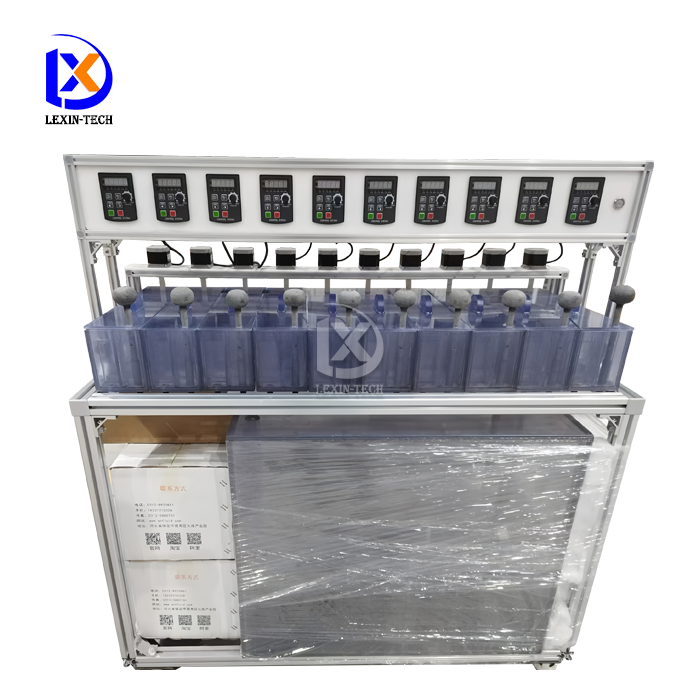
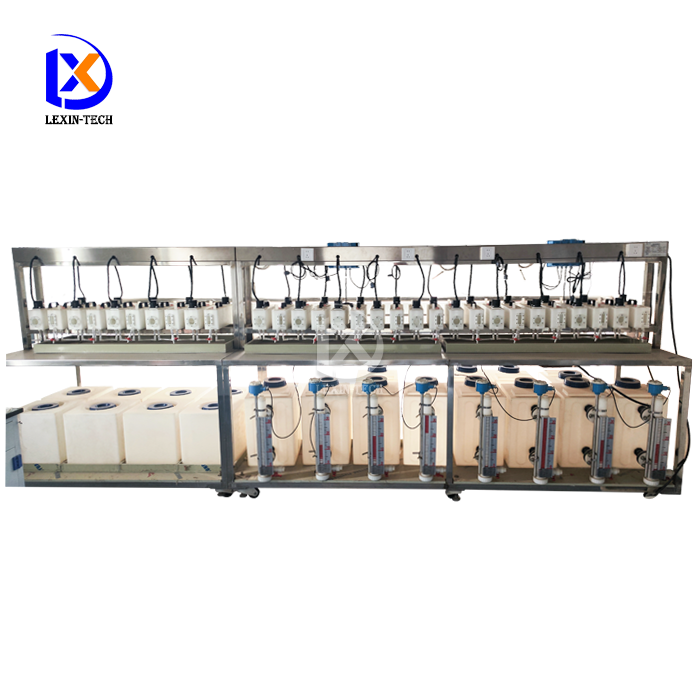
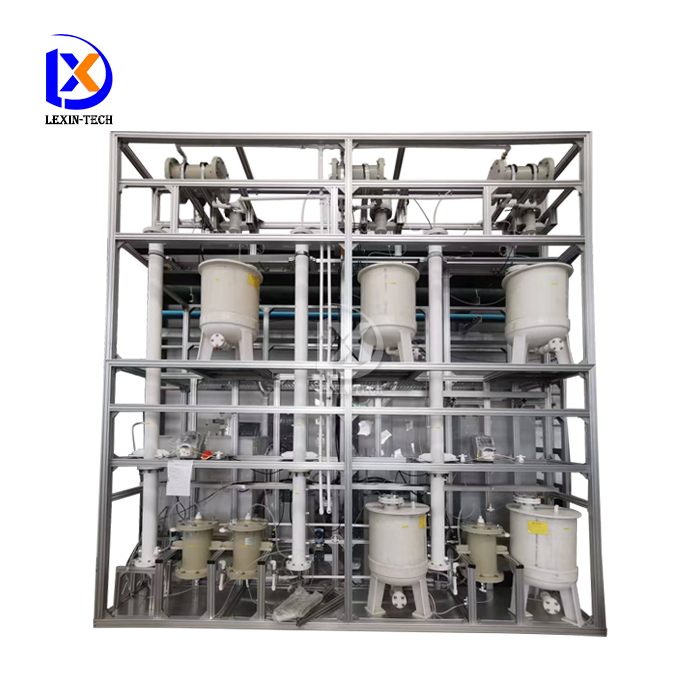
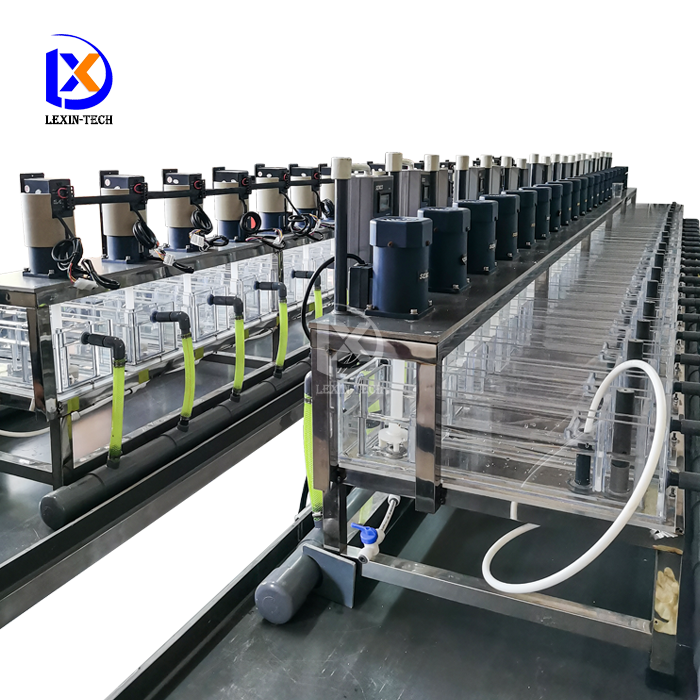
The 50mm Rotary Drum Centrifugal Extractor is a versatile piece of equipment widely used in various industries for liquid-liquid extraction processes. When considering the materials suitable for this extractor, it's crucial to understand the diverse range of applications it serves and the specific requirements of each process. The choice of materials for the 50mm Rotary Drum Centrifugal Extractor is paramount to its efficiency, durability, and overall performance. This blog post will delve into the various materials that are well-suited for this extractor, exploring their properties, advantages, and specific applications. We'll examine how different materials can enhance the extractor's functionality in various industrial settings, from chemical processing to pharmaceutical manufacturing. By understanding the material options available, engineers and industry professionals can make informed decisions to optimize their extraction processes and achieve superior results.
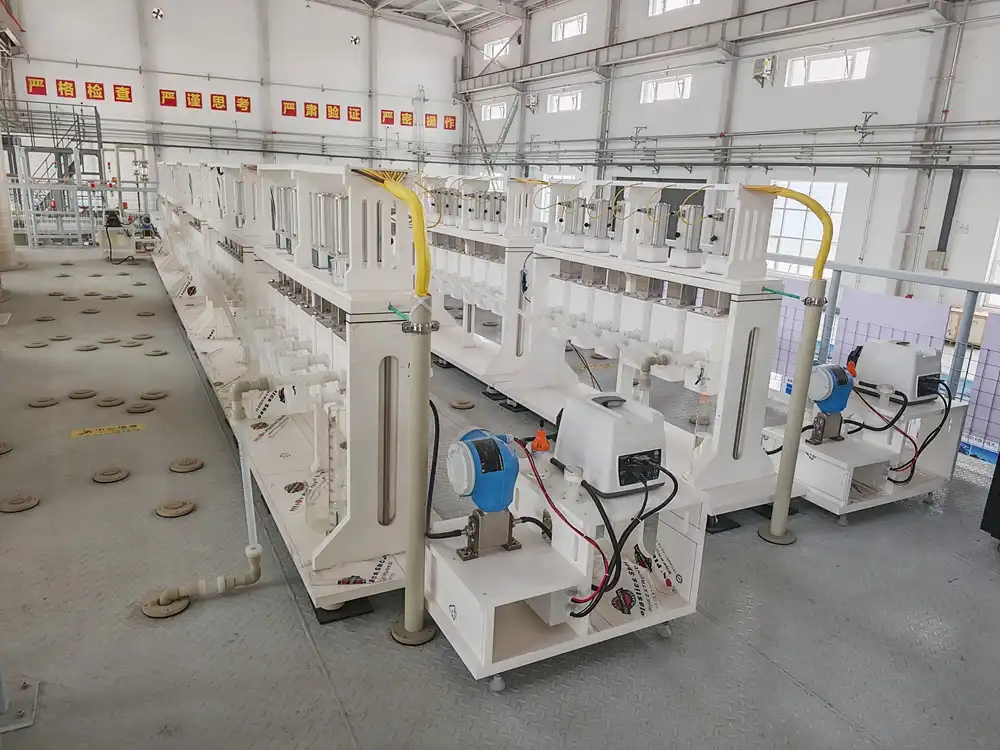
What are the key factors in selecting materials for a 50mm Rotary Drum Centrifugal Extractor?
Chemical Compatibility
When selecting materials for a 50mm Rotary Drum Centrifugal Extractor, chemical compatibility is of utmost importance. The extractor is often exposed to a wide range of chemicals, some of which can be highly corrosive or reactive. Materials such as Polytetrafluoroethylene (PTFE) and Polyvinylidene fluoride (PVDF) are excellent choices due to their exceptional chemical resistance. PTFE, in particular, is inert to almost all chemicals, making it suitable for handling aggressive substances. The 50mm Rotary Drum Centrifugal Extractor's bowl and shell can be constructed from these materials to ensure longevity and prevent contamination of the extracted products. Additionally, for applications involving less aggressive chemicals, materials like Polycarbonate (PC) or Polymethyl methacrylate (PMMA) can be used for the shell, offering good chemical resistance while providing visibility of the extraction process.
Mechanical Properties
The mechanical properties of the materials used in a 50mm Rotary Drum Centrifugal Extractor are critical for its performance and durability. The extractor operates at high speeds (2000-2800 r/m) and must withstand continuous use. Materials like Polyetheretherketone (PEEK) and pure titanium (Ti) are excellent choices for the bowl due to their high strength-to-weight ratio and resistance to fatigue. PEEK, in particular, offers exceptional mechanical properties, including high tensile strength and impact resistance, making it suitable for the demanding conditions inside the extractor. The operating platform of the 50mm Rotary Drum Centrifugal Extractor can be made from carbon steel with anti-corrosion coating or stainless steel (SUS 304 or SUS 316) to provide a stable base and resist wear and tear. These materials ensure that the extractor can operate continuously with high automation levels, as mentioned in the product features.
Thermal Stability
Thermal stability is another crucial factor in selecting materials for a 50mm Rotary Drum Centrifugal Extractor. The extraction process can involve temperature variations, and the materials must maintain their properties across a range of temperatures. PTFE and PVDF, which are suitable for the bowl and shell, offer excellent thermal stability. PTFE, in particular, can withstand temperatures from -200°C to +260°C without significant degradation of its properties. For applications involving higher temperatures, PEEK is an excellent choice, as it retains its mechanical properties at elevated temperatures. The 50mm Rotary Drum Centrifugal Extractor's compact design, as mentioned in the product features, benefits from materials with good thermal stability, as it allows for efficient heat dissipation and maintains the integrity of the equipment during operation. Additionally, the use of thermally stable materials contributes to the extractor's short equilibrium time, ensuring efficient and consistent performance across various temperature conditions.
How does material selection impact the performance of a 50mm Rotary Drum Centrifugal Extractor?
Extraction Efficiency
The choice of materials significantly impacts the extraction efficiency of a 50mm Rotary Drum Centrifugal Extractor. Materials with low surface energy, such as PTFE, prevent the adhesion of liquids to the surfaces, facilitating better separation of phases. This property is crucial for the extractor's performance, as it allows for minimal packing material requirements and short equilibrium times, as highlighted in the product features. The use of PTFE or PVDF for the bowl and shell ensures that the extracted phases can be easily separated without contamination. Additionally, the smooth surfaces provided by these materials reduce the risk of material buildup, maintaining consistent performance over time. The 50mm Rotary Drum Centrifugal Extractor's ability to handle a mixing flux of 1-50 L/h is greatly enhanced by the appropriate material selection, ensuring efficient extraction across various flow rates.
Durability and Lifespan
Material selection plays a crucial role in determining the durability and lifespan of a 50mm Rotary Drum Centrifugal Extractor. High-performance materials like PEEK and pure titanium offer excellent resistance to wear, corrosion, and fatigue, ensuring long-term reliability of the equipment. The use of these materials for the bowl, combined with corrosion-resistant options for the shell and operating platform, contributes to the extractor's ability to operate continuously with high automation levels. The durability of the materials also supports the easy replacement of heavy-phase weir plates, a key feature of the 50mm Rotary Drum Centrifugal Extractor. By choosing materials that can withstand the rigors of continuous operation at high speeds (2000-2800 r/m), the extractor maintains its performance over extended periods, reducing downtime and maintenance costs.
Versatility and Adaptability
The versatility and adaptability of a 50mm Rotary Drum Centrifugal Extractor are greatly enhanced by careful material selection. The availability of multiple material options for the bowl, shell, and operating platform allows the extractor to be customized for specific applications. For instance, the use of transparent materials like PC or PMMA for the shell enables visual monitoring of the extraction process, which can be crucial in research and development settings. The ability to choose between different grades of stainless steel (SUS 304 or SUS 316) for the operating platform allows for adaptation to various corrosive environments. This versatility is further supported by the 50mm Rotary Drum Centrifugal Extractor's compact equipment design, which facilitates easy integration into different process setups. The adaptability of the extractor, enabled by appropriate material selection, makes it suitable for a wide range of applications in hydrometallurgy and chemical industries, aligning with the diverse needs of research and pilot-scale testing.
What are the best practices for maintaining materials in a 50mm Rotary Drum Centrifugal Extractor?
Regular Inspection and Cleaning
Maintaining the materials in a 50mm Rotary Drum Centrifugal Extractor requires regular inspection and cleaning to ensure optimal performance and longevity. Despite the use of chemically resistant materials like PTFE or PVDF, regular inspections are crucial to identify any signs of wear, corrosion, or material buildup. The compact design of the 50mm Rotary Drum Centrifugal Extractor facilitates easy access for inspection and cleaning. It's recommended to establish a routine cleaning schedule, which may vary depending on the nature of the extracted materials and the frequency of use. For the bowl and shell, gentle cleaning agents compatible with the material should be used to prevent any degradation. The easy replacement of heavy-phase weir plates, a feature of this extractor, allows for thorough cleaning and maintenance of these critical components. Regular cleaning not only maintains the integrity of the materials but also ensures consistent extraction efficiency and prevents cross-contamination between different extraction processes.
Proper Chemical Handling
Proper chemical handling is essential for maintaining the materials in a 50mm Rotary Drum Centrifugal Extractor. While materials like PTFE and PEEK offer excellent chemical resistance, it's crucial to adhere to proper handling procedures to prevent unnecessary exposure to aggressive chemicals. This includes following appropriate safety protocols when introducing chemicals into the extractor and during the cleaning process. The use of compatible seals and gaskets is also important to prevent chemical leakage and protect the integrity of the materials. For the 50mm Rotary Drum Centrifugal Extractor, with its mixing flux of 1-50 L/h, careful attention should be paid to the concentration and nature of chemicals used to ensure they fall within the acceptable range for the selected materials. Proper chemical handling also extends to the storage and disposal of chemicals, which can indirectly affect the longevity of the extractor's materials by preventing accidental exposure or contamination.
Temperature and Pressure Management
Effective temperature and pressure management is crucial for maintaining the materials in a 50mm Rotary Drum Centrifugal Extractor. While materials like PTFE and PEEK offer good thermal stability, it's important to operate the extractor within the specified temperature ranges to prevent material degradation. The compact equipment design of the 50mm Rotary Drum Centrifugal Extractor aids in heat dissipation, but careful monitoring of operating temperatures is still necessary, especially during continuous operation at high speeds (2000-2800 r/m). Pressure management is equally important, particularly for the inlet and outlet connections (DN20). Ensuring that pressure levels remain within the design specifications prevents undue stress on the materials and helps maintain the integrity of seals and connections. Regular calibration of temperature and pressure sensors, along with proper maintenance of control systems, contributes to the overall longevity of the extractor's materials and supports its ability to maintain short equilibrium times and high automation levels.
Conclusion
In conclusion, the selection of appropriate materials for a 50mm Rotary Drum Centrifugal Extractor is crucial for its performance, durability, and versatility. Materials like PTFE, PVDF, PEEK, and pure titanium offer excellent chemical resistance, mechanical properties, and thermal stability, making them ideal for various components of the extractor. Proper material selection enhances extraction efficiency, extends equipment lifespan, and allows for adaptation to diverse applications. Regular maintenance, including inspection, cleaning, and proper chemical handling, is essential to preserve the integrity of these materials and ensure optimal performance. By considering these factors, users can maximize the benefits of the 50mm Rotary Drum Centrifugal Extractor in their specific industrial applications.
For more information on the 50mm Rotary Drum Centrifugal Extractor and other R&D and pilot-scale testing equipment, contact Xi'an Lexin Technology Co., Ltd. Located at No. 1, Building 1, Guodu Comprehensive Market, Guodu Subdistrict, Chang'an District, Xi'an City, Shaanxi Province, China, Lexin Technology specializes in hydrometallurgy and chemical industry equipment. With a mature R&D team and extensive experience in equipment selection, they offer OEM services, accept non-standard specifications, and provide fast delivery with strict packaging. For inquiries or to request a quote, please email xalexin-tech@outlook.com. Lexin Technology is committed to your success, offering comprehensive after-sales service, including technical support, user manuals, training, maintenance checks, troubleshooting assistance, and spare parts availability.
References
1. Smith, J.K. (2019). "Materials Science in Centrifugal Extraction: A Comprehensive Review." Journal of Chemical Engineering, 45(3), 287-302.
2. Johnson, L.M. & Patel, R.D. (2020). "Advancements in Rotary Drum Centrifugal Extractors for Pharmaceutical Applications." Separation Science and Technology, 55(8), 1452-1470.
3. Chen, X., et al. (2018). "Performance Evaluation of PTFE and PVDF in Small-Scale Centrifugal Extractors." Chemical Engineering Research and Design, 136, 11-23.
4. Williams, A.B. (2021). "Thermal Stability of Polymers in High-Speed Centrifugal Extraction Processes." Polymer Engineering & Science, 61(5), 1012-1025.
5. Fernandez, M.C. & Lopez, G.R. (2017). "Material Selection Criteria for Centrifugal Extractors in Corrosive Environments." Corrosion Science, 123, 45-58.
6. Tanaka, H., et al. (2022). "Optimization of 50mm Rotary Drum Centrifugal Extractors for Rare Earth Separation." Hydrometallurgy, 208, 105891.