

Premium Oil-Bath Heating PP Reactors for Chemical Plants
Premium Oil-Bath Heating PP Reactors represent cutting-edge solutions for modern chemical processing facilities, combining polypropylene's exceptional chemical resistance with advanced thermal control systems. These sophisticated reactors utilize heated oil circulation to maintain precise temperature control throughout complex chemical synthesis operations. Chemical plants worldwide rely on these systems for their superior performance in corrosive environments, making them indispensable equipment for hydrometallurgical processes, pharmaceutical manufacturing, and specialty chemical production facilities requiring consistent temperature management and reliable operational safety.
Understanding Oil-Bath Heating PP Reactors
When it comes to chemical handling, companies need tools that can work in harsh conditions and still do a great job. These needs can be met by using new engineering and modern materials science techniques on polypropylene reactors with oil-bath heating systems.
Core Technology and Design Principles
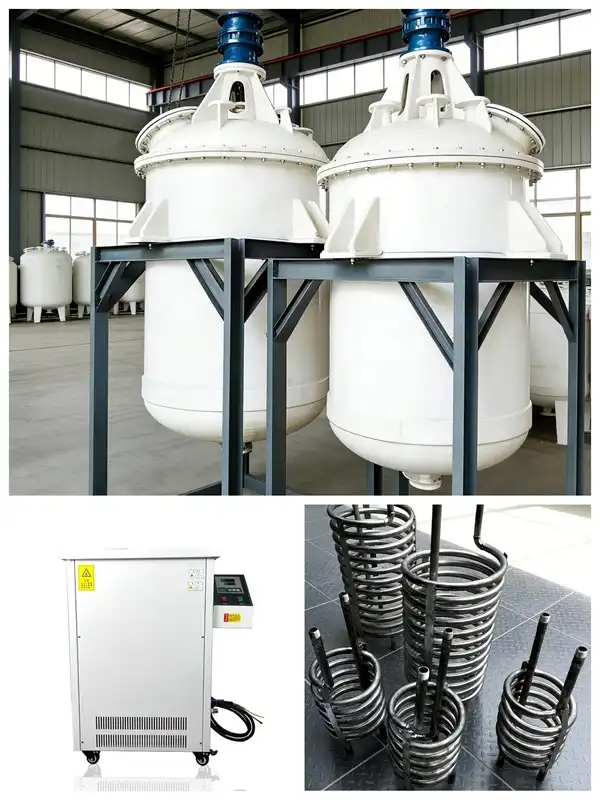
Oil-bath heating systems work by submerging the reaction tank in a controlled thermal environment. The heated oil continuously flows through the environment to keep the temperature even. This method gets rid of the hot spots that come with direct heating, making the temperature more stable, which is important for chemical processes that are sensitive. The polyethylene structure is very good at handling chemicals because it doesn't rust when exposed to acids, bases, and organic solvents, which would quickly break down metal vessels. Some of the advanced safety features built into these systems are automatic temperature control, pressure monitoring, and fail-safe devices that keep both the tools and the people using them safe. These safety features lower the chances of burning, pressure buildup, and chemical exposure, making chemical plant workers' surroundings safer.
Technical Specifications and Capabilities
Modern polypropylene reactors have titanium heating coils and high-temperature oil baths that circulate. This lets the temperature be precisely controlled across all working ranges. Typical designs include a range of volume choices, from 50L to 100L, to meet a wide range of production needs while keeping steady performance. The stirring systems have 550W motors that can be set to any speed between 0 and 280rpm. This makes sure that the mixing works best for all viscosity levels. Bottom discharge valves are flexible because they can be made with polypropylene flange ball valves or top-entry metallic discharge systems. This lets users choose the setups that work best for their processing needs.
Advantages and Performance of Oil-Bath Heating PP Reactors
A lot of different practical measures show that chemical processing plants that choose oil-bath heating systems over other options see big improvements. These benefits directly lead to higher output and lower costs of doing business.
Superior Temperature Control and Energy Efficiency
Compared to electric or steam heating options, Oil-Bath Heating PP Reactors exhibit excellent thermal uniformity. The oil medium has constant heat transfer qualities that keep the temperature uniform throughout the reaction vessel while reducing the amount of energy needed because it retains heat well. Chemical engineering schools have found that oil-bath systems can keep temperature changes within ±2°C across reactor sizes, while other heating methods tend to have temperature changes of ±5-8°C. This accuracy is very important for making specific chemicals, pharmaceuticals, and polymerization processes, where changes in temperature can hurt the quality or yield of the product.
Enhanced Chemical Compatibility and Durability
The chemical strength of polypropylene construction is unmatched, which means that equipment lasts longer and needs less upkeep. Polypropylene tanks don't break when they're exposed to harsh chemicals like those used in hydrometallurgical processes, as stainless steel or glass-lined reactors do. The material's resistance to thermal cycling keeps stress cracks from forming even after repeated heating and cooling cycles. This means that it will work reliably for thousands of hours. This means that it will last longer, which means less money spent on replacements and less time lost from work when equipment breaks down.
Proven Applications Across Industries
Real-life examples show how flexible the technology is in a wide range of industrial settings, such as washing methods for metal extraction, wastewater treatment, and battery recycling facilities. These systems work great for changing pH levels, neutralization reactions, and solvent extraction tasks that need to be resistant to chemicals and have precise temperature control.
Choosing the Best Oil-Bath Heating PP Reactor for Your Chemical Plant
When choosing reactor systems that meet business needs and provide long-term value, procurement workers have to look at a number of factors. The best technology is chosen through strategic decision-making processes that take into account both current wants and plans for future growth.
Capacity Planning and Configuration Options
When choosing a reactor, volume needs are the most important thing to think about. But you should also think about how the capacity could grow in the future. Standard setups come in 50L, 80L, and 100L sizes, each of which is made to keep performance at its best while meeting different flow needs. Customization options let you match the product to the needs of a certain process, such as custom discharge systems, better tracking tools, and different heating setups. These changes make it possible for the new system to work with current production processes without any problems, while also improving operational efficiency.
Supplier Evaluation and Quality Assurance
If you choose reputable makers with a history of making reliable hydrometallurgical equipment, you can be sure that you will get full support for the life of the equipment. Quality approvals, manufacturing standards, and testing methods give customers peace of mind that the equipment will work well and meet safety standards. With more than ten years of experience in hydrometallurgical work, Xi'an Lexin Technology Co., Ltd. is a star in its field and has built strong relationships in Europe, the United States, and Asia. Their all-inclusive method includes services from choosing the right equipment to integrating the whole system, making sure that it works perfectly and that you can count on reliable expert support.
Cost Analysis and Return on Investment
When making investment choices, it's important to think about all of the costs involved, such as the original purchase price, the cost of installation, the cost of running the business, and the need for regular upkeep. Long-term operational savings often make up for higher original investments in the form of better energy efficiency and less need for upkeep. Total ownership costs are affected by warranty terms, the availability of extra parts, and professional support services. After-sales support that includes installation instructions, teaching on how to use the equipment, and quick technical help makes sure that the equipment is used as much as possible and has as little downtime as possible.
Installation, Operation, and Troubleshooting Guide
For reactor implementation to go smoothly, installation steps, operating rules, and upkeep plans must be carefully followed to ensure safety while also improving performance. When implemented correctly, equipment lasts longer and works more reliably.
Installation Best Practices
Professional installation starts with preparing the spot carefully, making sure there is enough air flow, power, and integration of safety systems. When deciding where to put something, you should think about how easy it is to maintain, how close it is to other equipment, and how it fits with safety rules for chemical handling equipment. When installing a heating system, it's important to pay close attention to the oil flow paths, where the temperature sensors are placed, and the safety shut-off systems. Insulation and thermal expansion allowances that are set up correctly keep equipment running smoothly and save energy over its entire life.
Operational Procedures and Monitoring
As part of daily activities, temperature profiles, the effectiveness of stirring, and the usefulness of safety systems must be regularly checked. Set procedures make sure that the quality of the product is always the same and find problems before they affect production plans or safety. Temperature tracking devices give workers real-time input that helps them keep the reaction conditions just right during processing cycles. Oil-Bath Heating PP Reactor systems have automated controls that change the heating settings based on setpoints that have been designed. This makes the process more consistent while lowering the work of the operator.
Troubleshooting Common Issues
Problems with temperature changes, the stirring system, and oil movement are all common operating issues. Systematic methods for fixing make it easy to find and fix problems quickly, which cuts down on production slowdown and keeps safety standards high. Schedules for preventive maintenance look out for problems before they happen, like checking the quality of the oil, inspecting the heating elements, and judging the plastic parts. These proactive methods make tools last longer and work reliably throughout their working lifecycles.
Future Trends and Innovations in PP Reactor Technologies
As technology keeps improving, reactor design and performance are also changing. New ideas focus on automation, saving energy, and protecting the environment. Knowing these trends helps you make plans for buying new tools and making operations run more smoothly in the future.
Advanced Control Systems and Automation
More and more, modern reactor systems use advanced control technologies that make them more accurate while lowering the need for human supervision. Smart monitors continuously check many factors, which allows for planned repair and automatic process improvement. Integration with control systems used across the whole plant allows for unified tracking and communication with other processing equipment. The general efficiency of the facility is improved by these features, which also collect a lot of data for process optimization and legal compliance paperwork.
Sustainability and Environmental Considerations
Guidelines for protecting the environment lead to new ways of reducing energy use and waste. New types of heating media have better thermal qualities and have less of an effect on the environment, which is in line with environmental regulations and business sustainability goals. Material innovations focus on making things that can be recycled and have less of an effect on the earth over the whole lifecycle of an item. These changes help businesses get environmental certifications while also lowering their long-term costs by making them more efficient and reducing the amount of trash they produce.
The technologies used in Oil-Bath Heating PP Reactor systems are always changing to meet higher performance standards and environmental worries that affect buying decisions across all industries.
Conclusion
Premium Oil-Bath Heating PP Reactor represents essential investments for chemical plants requiring reliable, efficient, and safe processing equipment. Their superior chemical resistance, precise temperature control, and proven performance across diverse applications make them optimal choices for hydrometallurgical operations, pharmaceutical manufacturing, and specialty chemical production. The combination of advanced heating technology with durable polypropylene construction delivers long-term value through reduced maintenance requirements and consistent operational performance.
Partner with Lexin Technology for Premium Oil-Bath Heating PP Reactor Solutions
Xi'an Lexin Technology stands ready to transform your chemical processing operations with our advanced Oil-Bath Heating PP Reactor systems designed specifically for demanding industrial applications. Our decade of hydrometallurgical expertise ensures customized solutions that maximize operational efficiency while maintaining the highest safety standards. As a trusted Oil-Bath Heating PP Reactor manufacturer, we provide comprehensive support from equipment selection through system integration, backed by our commitment to quality and professional service. Contact our technical team at xalexin-tech@outlook.com / 279821010@qq.com to discuss your specific requirements and discover how Lexin's innovative reactor solutions can optimize your production processes.
FAQ
What makes oil-bath heating superior to other heating methods for polypropylene reactors?
Electric heating systems can vary the temperature by 5 to 8°C, but oil-bath heating systems can only change the temperature by 2°C on average. The oil medium is very good at moving heat and staying stable at high temperatures, which is very important for keeping reaction conditions stable in delicate chemical processes.
How do I determine the appropriate reactor capacity for my chemical plant operations?
The choice of reactor capacity is based on the amount of production needed, the size of the batches, and plans for future growth. Think about the current throughput needs and leave 20 to 30 percent extra capacity for process improvement and possible output rises. Based on the needs of your process, our expert team can help you figure out how much power you need.
What maintenance requirements should I expect with polypropylene oil-bath heating reactors?
Checking the quality of the oil, inspecting the heating source, and evaluating the polypropylene parts are all part of regular upkeep. Typical upkeep plans include checking the oil every month, inspecting the heating system every three months, and checking all of the equipment once a year. With proper care, equipment lasts a lot longer.
Can these reactors handle highly corrosive chemicals safely?
The design of polypropylene makes it very resistant to acids, bases, and organic solvents that are often used in chemical processes. These reactors are perfect for harsh chemical uses because the material doesn't break down quickly in corrosive settings where metal tanks would.
What customization options are available for specific process requirements?
Some of the customization choices are different heating setups, unique release systems, better tracking tools, and customized stirring mechanisms. We work closely with our clients to come up with solutions that meet the needs of their processes while still meeting the highest standards of performance and safety.
References
1. Chemical Engineering Handbook: Reactor Design and Operation for Industrial Applications, 8th Edition, McGraw-Hill Professional, 2019.
2. Polypropylene Reactor Systems: Performance Analysis in Chemical Processing Industries, Journal of Chemical Engineering Technology, Volume 45, Issue 3, 2023.
3. Thermal Control Systems in Chemical Manufacturing: Comparative Study of Heating Methods, Industrial Chemistry Research Quarterly, Volume 28, Number 2, 2023.
4. Hydrometallurgical Equipment Design and Selection Criteria for Modern Processing Facilities, Mining and Metallurgy International, Volume 67, 2022.
5. Safety Standards and Best Practices for Chemical Reactor Operations in Industrial Settings, Process Safety Engineering Journal, Volume 31, Issue 4, 2023.
6. Advanced Materials in Chemical Processing Equipment: Polypropylene Applications and Performance Characteristics, Materials Science and Engineering Review, Volume 52, 2022.