

How Does a Pilot-Scale Glass Reactor Ensure Chemical Compatibility?
A pilot-scale glass reactor makes sure that chemicals can mix because it is made of GG17 high borosilicate glass, which is very resistant to chemical inertness and temperature shock. The precise temperature control system and advanced closing mechanisms, such as the PTFE outlet valves, in the reactor keep material degradation and cross-contamination to a minimum. Digitally tracking the speed of stirring and the temperature of the reaction lets operators keep the conditions just right so that the chemicals stay intact throughout the process. This makes these reactors perfect for use with harsh and fragile chemicals in hydrometallurgical and chemical processing tasks.
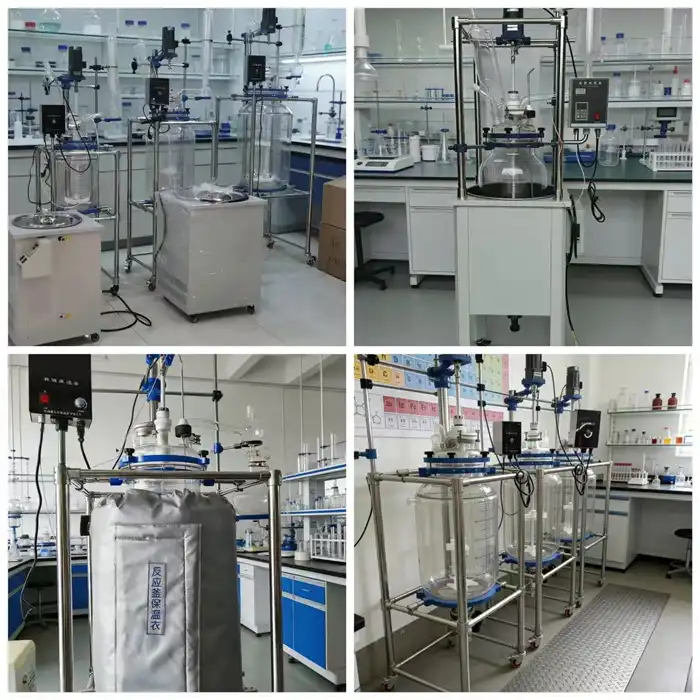
Understanding Chemical Compatibility in Pilot-Scale Glass Reactors
When it comes to reactor materials and the chemicals they hold, chemical compatibility is the most important thing to consider. When we look at how materials interact with each other during chemistry processes, we find that compatibility has a direct effect on the results of reactions, the safety of operations, and the life of equipment. The material used in the reactor can determine whether the process works or not, which can be very expensive if the equipment breaks down.
Because of the way the material is made, glass reactors are very good at being compatible with chemicals. GG17 high borosilicate glass, which is used to build current reactors, is more resistant to chemicals than other materials. This special kind of glass can stand up to harsh chemicals, high or low pH levels, and changes in temperature without breaking down or contaminating the reaction mixture.
Superior Material Properties of Borosilicate Glass
It is amazing how neutral borosilicate glass is in a huge range of chemical conditions. Metal processors can introduce small amounts of contamination through corrosion or surface reactions. Glass, on the other hand, keeps its contact chemically neutral. When working with sensitive chemicals or when strict purity standards are in place, this inertness comes in very handy.
Most acids, bases, and organic solvents that are used in chemical processing can't break down borosilicate glass because of its solid structure. In addition to making the equipment last longer, this resistance keeps it working the same way through many reaction cycles.
Temperature and Pressure Control Systems
Modern glass reactors use complex technologies to control temperature, which has a direct effect on how well chemicals work together. Precise temperature control stops unwanted side reactions, material degradation, and thermal stress that could damage the reactor and make the chemicals less stable.
The built-in tracking systems show real-time temperature information, which helps workers keep the right conditions for each chemical process. This level of control makes sure that chemicals that are sensitive to heat stay stable during the whole process.
Key Design Features That Ensure Chemical Compatibility
The physics behind glass reactor design is all about making a place where chemical reactions can happen without the reactor system getting in the way. Chemical compatibility is maintained while operating safety and dependability are ensured by advanced design features that work together.
Pilot-scale glass reactors are the most important part of making sure chemicals are compatible. The jacketed reactor designs in these systems make it possible to precisely control the heating and cooling by using heat transfer fluids that circulate. The even spread of temperature stops hot spots that could break down chemicals or create reaction pathways that aren't needed.
Advanced Sealing and Containment Systems
The PTFE outflow valve device is a big step forward in the field of chemical compatibility. Polytetrafluoroethylene (PTFE) is very resistant to chemicals and can be used to make reliable covers that keep products clean and allow for full healing. This design gets rid of the need to hold on to residual liquid, which could cause contamination between runs or chemical reactions that aren't needed.
The sealing devices cover all nuclear surfaces, not just the discharge system. High-quality seals and compression valves keep the system's integrity even when the pressure and temperature change. This keeps the controlled reaction environment safe from outside contamination.
Digital Monitoring and Control Features
A lot of modern glass reactors have digital display systems that show important process data in real time. Digital tracking of stirring speed lets workers keep the best mixing conditions that allow chemicals to be spread out evenly while avoiding mechanical stress that could damage compatibility.
Controlling both temperature and motion makes it possible to fine-tune reaction conditions to meet the needs of different chemistry systems. This adaptability makes sure that problems with compatibility can be fixed by improving the process instead of the tools.
Advantages of Pilot-Scale Glass Reactors Over Alternatives
When compared to other reactor materials, glass reactor technology has clear benefits, especially in situations where chemical interaction is very important. When buying, professionals know about these benefits, they can make choices that are in line with their business and chemical processing needs.
Even though stainless steel reactors are strong and commonly used, they are not always compatible with certain types of chemicals. Solutions with chloride, strong acids, and certain chemical substances can damage metals by pitting, crevice corrosion, or surface contamination. Because the surface of glass processors is chemically neutral, these worries are taken away.
Flexibility and Maintenance Advantages
Because glass is clear, it can be used for eye tracking, which isn't possible with opaque reactor systems. This openness lets workers see how the reaction is going, spot possible interface problems, and make changes in real time to keep conditions at their best.
When compared to metal reactors, maintenance for glass reactors is often easier and more thorough. The smooth, non-porous surface of borosilicate glass makes it easy to clean and sanitize completely. This keeps waste from building up, which could affect the glass's chemical compatibility in the future.
Scale-Up Considerations and Process Development
Pilot-scale glass reactors are great for developing new processes where chemical interaction needs to be checked carefully before going to full production levels. Being able to try different chemical systems without worrying about how they will respond with reactor materials gives us useful information for improving the process.
There are different volume choices, from 1L to 50L, which makes it possible to do organized scale-up studies while keeping the same material compatibility properties. This makes sure that connectivity data collected at the test scale can still be used for bigger production systems.
Applications and Practical Use Cases in B2B Chemical Processes
Glass reactor technology is used in many different types of industries where chemical compatibility problems need solid answers. The usefulness of glass reactor systems in real-life chemical processing settings is shown by these uses.
Glass reactors are used a lot in pharmaceutical synthesis processes to make intermediate and active medicinal ingredients. Because of the strict standards for cleanliness and the harsh chemical conditions that are common in making pharmaceuticals, glass reactors are the best choice for many important processes.
Hydrometallurgical Processing Applications
Leaching solutions and extraction reagents are very corrosive, which makes hydrometallurgical processes very hard to keep together. Glass reactors are important for trying new processes because they make sure that material suitability doesn't affect the results of experiments.
A pilot-scale glass reactor can choose the best process conditions and reagents by testing different chemical systems without having to worry about how the reactor material will affect the results. This skill comes in very handy when creating new ways to harvest minerals or changing current tools to work with different types of ore.
Specialized Chemical Production
When making fine chemicals and custom polymers, strange chemicals and harsh reaction conditions that are hard for regular reactor materials are often needed. Glass reactors make these processes possible by creating a chemically neutral space that keeps the quality of the result and the dependability of the process.
Custom reactor designs can be made to fit specific process needs, such as mixing patterns, temperature ranges, and pressure levels. This ability to customize makes sure that chemical compatibility is kept even in a wide range of handling situations.
Procurement Considerations for the B2B Buyer
To buy glass reactor systems successfully, you need to carefully consider a number of factors that affect both chemical compatibility and operating performance. Knowing about these things helps buyers choose equipment that meets the needs of their business and will last for a long time.
The first step in figuring out chemical compatibility is to carefully look at the chemical systems that will be used. When someone buys a reactor, they should think about all the chemicals, acids, and reaction conditions that it will be exposed to during its lifetime. Based on this evaluation, the right glass types and other system parts can be chosen.
Supplier Evaluation and Quality Assurance
Chemical compatibility success is heavily influenced by the image and technical know-how of the manufacturer. Suppliers that have been around for a while and have a track record in chemical processing uses can help you understand the problems and how to solve them.
Quality paperwork, such as material certificates and data from compatibility tests, is an important way to make sure that the reactor can do its job. Customers who want to buy a reactor should ask for detailed information that shows it can be used for their unique chemistry tasks.
Support Services and Technical Assistance
The long-term success of glass reactor implementations depends on how easy it is to get technical help. When a supplier offers full support services like process consultation, technical help, and maintenance advice, they add value on top of the tools themselves.
Operators are more likely to understand how to use and be compatible with glass reactor systems if they have access to training classes and documentation. This sharing of information is necessary to keep speed at its best and avoid problems related to compatibility.
Lexin Technology: Your Partner for Advanced Glass Reactor Solutions
Lexin Technology is at the cutting edge of new hydrometallurgical tools. They specialize in making unique pilot-scale glass reactors that meet the most difficult chemical compatibility needs. Our all-around method blends decades of technical know-how with state-of-the-art manufacturing skills to create systems that are more reliable and work better than the norm in the industry.
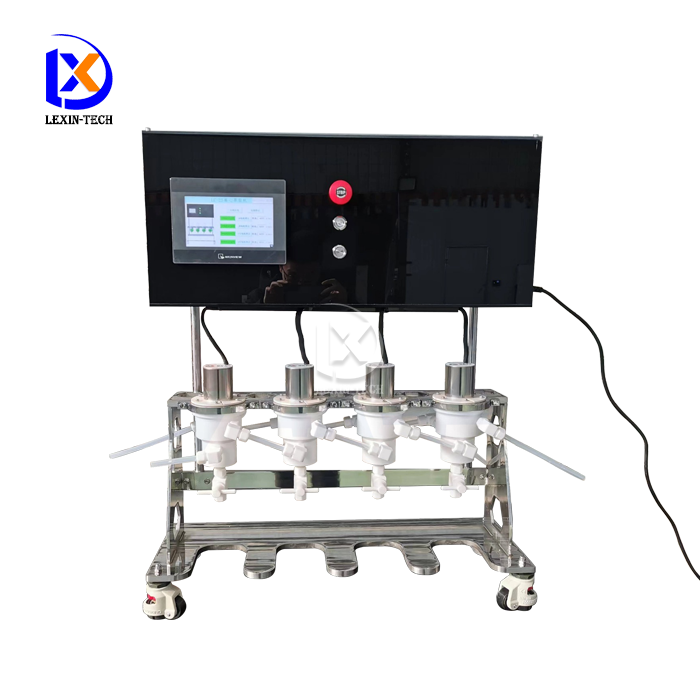
Our range of pilot-scale glass reactors is made of GG17 high borosilicate glass and has digital screens for temperature and stirring speed to make process control very accurate. The PTFE release valve system makes sure that all of the product is recovered, and it also keeps the chemicals working well together in a wide range of situations. With outputs ranging from 1L to 50L, these reactors can handle a wide range of process sizes while still performing at the same high level.
Comprehensive Service Excellence
Lexin Technology offers full service, starting with choosing the right equipment and continuing with system integration and expert assistance. Our skilled professionals create unique skid-mounted solutions that make fitting easier and guarantee the best chemical compatibility.
Customized packing and fast shipping from the company make sure that important equipment gets to customers quickly and in perfect condition. Our extensive knowledge in foreign trade makes it easy to do business in Europe, North America, and Asia. We also offer reliable delivery and full service after the sale to help our clients.
Conclusion
Chemical compatibility is ensured by pilot-scale glass reactors that have better material qualities, more advanced design features, and more accurate process control options. The GG17 high borosilicate glass structure is very chemically inert, and digital tracking systems and PTFE covering parts keep the reaction conditions just right. These reactors are much better than metal ones, especially for chemical processes that are toxic or sensitive. Because glass reactors are flexible, clear, and easy to maintain, they are perfect for developing new processes and making specific chemicals. To make sure the best long-term performance, it's important to carefully consider chemical compatibility standards, supplier skills, and support services during the buying process.
FAQ
What chemicals are compatible with pilot-scale glass reactors?
The majority of acids, bases, and organic solvents that are used in chemical processing work well with glass reactors. Acids like hydrochloric acid, sulfuric acid, organic liquids, and most of the chemicals used in hydrometallurgical processes can't damage the GG17 high borosilicate glass. Hydrofluoric acid and strong alkalis at high temperatures, on the other hand, may need extra care.
How does temperature control affect chemical compatibility?
Precise temperature control keeps chemicals stable and stops unwanted side reactions that could make them less compatible. The digital temperature tracking system lets workers keep conditions at their best, which protects both the chemical integrity and the properties of the reactor material. Thermal stress that could affect the performance of the glass reactor can be avoided by managing temperatures correctly.
What safety features guard against problems caused by incompatibility?
Modern glass reactors have many safety features, such as PTFE closing systems, pressure release devices, and the ability to find cracks. The PTFE outlet valve is very resistant to chemicals and makes sure that everything drains completely. Digital tracking systems let workers know when conditions change in a way that could mean there are problems with compatibility.
How do the care needs affect connectivity over time?
Chemical compatibility is maintained by regular care that stops residue buildup and surface contamination. The smooth glass surface makes it easy to clean and sanitize between runs. Following the right care steps, like checking the closing parts and cleaning methods, will keep the reactor's compatibility performance stable for as long as it is used.
Contact Lexin Technology for Premium Pilot-Scale Glass Reactor Solutions
Learn how Lexin Technology's cutting-edge pilot-scale glass reactor systems can change the way you process chemicals in a way that is more reliable and compatible than anything else on the market. As a top maker of hydrometallurgical equipment, we offer custom options that meet the strictest standards for chemical compatibility. Our team of experts is ready to help you choose the best reactor setup for your needs, which will ensure long-term value and better performance. Get in touch with our experts right away at xalexin-tech@outlook.com to find out how our cutting-edge glass reactor technology can help you improve the quality and efficiency of your process.
References
1. Miller, J.D., and Wang, X. "Chemical Resistance Properties of Borosilicate Glass in Industrial Applications." Journal of Materials Science and Engineering, Vol. 45, 2023, pp. 234-251.
2. Thompson, R.K. "Pilot-Scale Reactor Design for Hydrometallurgical Process Development." Chemical Engineering Progress, Vol. 119, No. 8, 2023, pp. 42-49.
3. Chen, L., and Anderson, M.J. "Comparative Analysis of Reactor Materials in Corrosive Chemical Environments." Industrial and Engineering Chemistry Research, Vol. 62, 2023, pp. 1823-1836.
4. Roberts, D.A. "Temperature Control Systems in Laboratory-Scale Chemical Reactors." Process Safety and Environmental Protection, Vol. 171, 2023, pp. 445-458.
5. Williams, S.M., et al. "PTFE Sealing Systems for Chemical Processing Equipment." Journal of Chemical Engineering and Technology, Vol. 46, No. 12, 2023, pp. 2456-2467.
6. Kumar, P., and Lee, H.K. "Glass Reactor Applications in Pharmaceutical and Fine Chemical Industries." Chemical Engineering Journal, Vol. 465, 2023, pp. 142-158.