

Long-Life Cartridge Precision Filters for Harsh Environments
In industrial settings, there are special problems that need filtration systems that can work in harsh situations and keep up their performance. Cartridge precision filter systems have become an important technology for tasks that need to remove particles reliably in tough situations. These high-tech filter units are essential for mining, metallurgical processes, and chemical manufacturing facilities where equipment failure directly leads to lost production and safety issues. They are built to last and can separate materials very precisely.
Understanding Cartridge Precision Filters in Harsh Environments
Core Components and Industrial Applications
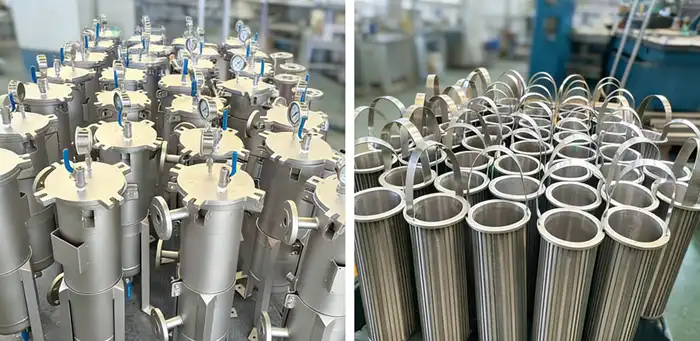
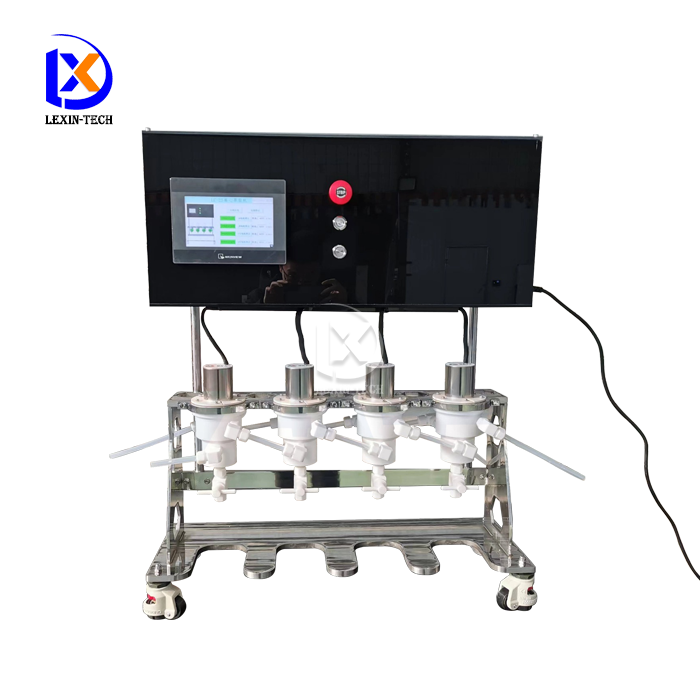
A more advanced way to separate particles in industry is to use modern cartridge filtration systems, especially in places where standard bag filters don't work well enough. A cartridge precision filter has a housing unit that is usually made of SUS 304, SUS 316L, or SUS 2205 stainless steel. The inside of the housing unit can be coated with PTFE to make it more resistant to chemicals. Different types of materials can be used to make the filter elements, such as polypropylene (PP), polytetrafluoroethylene (PTFE), polyvinylidene fluoride (PVDF), polyamide (PA), activated carbon, fiberglass, or titanium, based on the needs of the application.
In hydrometallurgical processes, these systems are very helpful for cleaning process water, making solutions clearer, and making sure the end product is clean. Precision cartridge filters are used by mining companies to get rid of solids that are trapped in leach solutions. Metallurgical plants count on them to keep the quality of solutions stable during the extraction process. Modern units are small and light, which makes them ideal for retrofitting into existing buildings where room restrictions make other equipment choices limited.
Filtration Mechanisms and Performance Characteristics
Cartridge precision filters work well because they can achieve filtration accuracy between 0.1 and 100 micrometers. This lets operators choose the right filter media based on how the particles in the feed liquids are distributed. In contrast to regular bag filters, which work mostly by filtering the surface, cartridge systems use depth filtration to pick up bits across the whole length of the media. This means they can hold more dirt and last longer.
When working in difficult conditions, performance benefits stand out even more. Cartridge designs provide a big filtration area, which ensures low clogging rates even when handling streams with a lot of dirt. Fast filter speeds keep output levels high, and leak-proof performance keeps process streams from getting contaminated with each other. These traits lead to measured operating benefits such as less downtime, lower replacement costs, and more consistent product quality.
Operational Cost Savings and Efficiency Benefits
When buying things for an industrial setting, cost is a big factor in many choices. Precision cartridge filters offer great value by lowering costs in a number of ways. A longer filter life means it doesn't need to be replaced as often, and being able to handle higher solid loads means it doesn't need to be treated first. Maintenance is still easy, and most systems only need to be backflushed or cleaned with ultrasonic waves every so often to get back to normal performance levels.
Because cartridge systems are flexible, facilities can increase or decrease their filtration capacity by changing the number of filter elements per unit. Usually, the number of cartridges per unit can be adjusted from 1 to 100, depending on the processing needs. This adaptability comes in handy when production changes with the seasons or when working with different feed materials that have different amounts of contamination.
Key Design Principles and Maintenance Tips for Longevity
Materials Selection and Construction Techniques
To make filter systems that last in harsh settings, you have to carefully think about how the materials will work together and how they will be built. The materials used for housing have to be able to handle both mechanical stress and chemical attacks from process fluids. Metal housings are more stable, and SUS 316L is very good at resisting rust in acidic conditions that are common in hydrometallurgical operations. In situations where highly toxic chemicals are used, plastics like reinforced polypropylene (PPH) are cost-effective options that still have enough mechanical strength.
The choice of filter media has a direct effect on both how well it filters and how long it lasts. PTFE tubes work great in harsh chemical conditions and high temperatures, while PA (polyamide) elements are very strong and work well in high-pressure situations. Different system needs can be met by design pressure ratings of 0.2, 0.4, 0.6, and 1.0 MPa. For uses that need to be temperature-sensitive, insulation jackets are offered as an option.
When building something, strong closing systems and stronger links are used to get rid of any possible weak spots. The ability to keep out leaks relies on choosing the right gasket and designing the housing so that mechanical loads are spread out properly across the sealing surfaces. Quality standards for making sure that multiple units work at the same level of quality for longer periods of time.
Maintenance Strategies for Maximum Uptime
Maintenance programs that work well balance the performance of filters with their running costs by planning when to clean them and keeping an eye on their state. In most cases, backflushing can recover 70–80% of the original flow rates, which means that cartridges can last a lot longer than in single-use situations. To get rid of particles that have built up on filter media, the process involves changing the direction of flow. It doesn't require any chemical agents or downtime.
Ultrasonic cleaning is an alternative way to clean cartridges that are heavily contaminated or that need to be cleaned with sticky materials that won't come off with backflushing. This method works especially well for activated carbon and fiberglass filter elements that need to be mechanically stirred to get their pores back. How often you clean depends on the quality of the feed water and how the facility is run, but most facilities get the best results with cleaning rounds that happen once a week to once a month.
Troubleshooting steps should take into account typical problems like rising pressure drops, slower flow rates, and worsening filter quality. Monitoring the difference in pressure between filter elements lets maintenance teams know when replacements are about to be needed early, so they can plan to change the cartridges during planned breaks.
Industrial Case Study: Metallurgical Plant Implementation
Precision filter filtration was used by a copper processing plant in Nevada to help clear up problems with their solvent extraction circuit. The new system replaced an old bag filter system that often broke down because of high amounts of suspended solids and acidic working conditions. Within six months of opening, the facility saw a 40% drop in the cost of maintaining filters and a 25% rise in the clarity of the solution.
The success came from choosing the right materials and running the upkeep tasks in the best way possible. The acidic climate didn't hurt the PVDF tubes, and they were able to filter with the accuracy of 0.5 micrometers needed for further processing. In the old method, bags had to be replaced every week, but regular backflushing made the cylinder last up to three months. These changes led to savings of more than $150,000 a year and made the process more reliable generally.
Comparing Cartridge Precision Filters with Other Filter Types
Performance Metrics and Application Suitability
When choosing a filtration system, it's important to look at how well it works in relation to the needs of the product. Cartridge precision filters outperform bag filters in terms of particle removal, especially for particles smaller than 5 micrometers. When it comes to high-volume, low-precision tasks, bag filters work best. But when it comes to important process streams where product quality depends on full particle removal, cartridge systems are the way to go.
Pleated filters have more surface area but take up more space, and they have trouble with heavy solid loads that quickly obscure the media surface. The way that cartridges are made spreads particles throughout the depth of the media, which keeps flow rates steady for longer in tough conditions. Sintered metal filters last a long time and are easy to clean, but they are much more expensive at first, and they might not be worth it unless there are extreme chemical or temperature conditions.
Membrane filters are the most accurate at separating things, but they need a lot of pre-filtration to keep bigger bits from getting stuck in them. A lot of the time, cartridge systems work great as the first step in membrane processes because they get rid of big contamination and protect valuable elements further down the line. This step-by-step method improves the general performance of the system while keeping costs low.
Cost Efficiency and Maintenance Requirements
To figure out the total cost of ownership, you have to add up the original costs of the equipment, the costs of replacing parts, the labor costs for upkeep, and the effects of process downtime. Cartridge precision filter systems generally have higher initial costs than bag filters but offer cheaper running costs due to longer element life and easier maintenance. Additionally, being able to clean and use refills more than once can save money in certain situations.
Maintenance needs are very different for each type of filter, with cartridge systems being easier to reach and replacing parts more quickly. Switching between parallel units in a single-cartridge case lets you repair while it's running, while partial element replacement can be done to match fouling patterns in a multi-cartridge system. To change bag filters, the whole system has to be shut down, which could affect production plans in continuous operations.
Cartridge systems save money on labor costs because they have standard change processes and require less handling. When compared to bag filters, used cartridges produce less trash, which lowers the cost of removal and the damage to the environment. These things become more important in places that need to filter a lot of water or follow strict environmental rules.
Leading Manufacturers and Quality Standards
There are a number of makers in the global filtering market that are known for their quality and dependability in harsh environments. Advanced material science is used by companies like 3M to make cartridge media that is more resistant to chemicals and has better mechanical strength. Their goods are put through a lot of tests to make sure they work as promised and that the quality is the same from batch to batch.
Pall Corporation specializes in precise filtration and has filters made just for the chemical processing and pharmaceutical businesses. Their quality systems meet foreign standards like ISO 9001 and FDA rules, which gives users peace of mind when using regulated apps. Technical support services help customers choose the best filters and take care of them so they work at their best.
Parker Hannifin takes experience from the military and industrial sectors to the filtration market, making solutions that are strong enough to work in harsh circumstances. Their cartridge designs focus on leak-proof performance and long service life by using new closing technologies and stronger building methods. These companies keep up global distribution networks that make sure foreign businesses can rely on their supply lines.
Procurement Guide for Cartridge Precision Filters
Sourcing Options and Vendor Selection
To buy industrial filter equipment successfully, you need to know about the different ways you can get it and judge sellers on their technical skills rather than just price. When you work directly with a manufacturer, you can get the expert help and customization services that you need for tough uses. Original equipment makers (OEMs) offer full system designs with built-in monitoring and controls, while aftermarket sellers focus on replacement parts and solutions that can be used in older systems.
Online industrial markets make it easier to compare vendors and make it faster to buy standard goods. But for complicated applications that need unique solutions, working directly with technology experts who know the exact needs of the process is best. Regional wholesalers often offer helpful local support, such as keeping track of goods and responding quickly to emergencies that require replacements.
When evaluating a vendor, you should look at their production skills, safety certifications, and past work in similar situations. Suppliers who work with hydrometallurgical markets know how to work with acidic conditions and can suggest the right designs and materials. When you're running a global business that needs to keep performing well in a lot of different facilities and regulatory settings, international knowledge is very important.
Procurement Considerations and Cost Management
Precision cartridge filters have price structures that take into account both the original cost of the equipment and the continued costs of running the system, which include replacement parts and upkeep materials. Volume discounts are often given for large installs or supply deals that last for more than one year. This makes buying in bulk appealing for places where usage patterns are reliable. Lead times depend on how customized the product needs to be. Standard goods can be delivered within weeks, but engineered solutions may take several months to plan and make.
When sending internationally, you need to think about things like how to package fragile filter media and what paperwork you'll need to get through customs. Expert suppliers who know how to work with global markets provide the right packing and take care of export paperwork to keep delays and damage risks to a minimum. Express shipping choices make sure that supplies get to you quickly in case of an emergency, but the costs may be high for big or heavy things.
Customization options go beyond just picking out a material. They also include designing unique houses, adding tracking systems, and connecting to existing control networks. These choices need detailed specifications to be made, and prototypes may need to be tested to make sure they work before they are fully implemented. Suppliers that offer trial testing services lower the risks of execution and make sure that the system is designed perfectly.
Quality Assurance and Technical Support
Standardized testing methods, such as bubble point tests for integrity checks and flow rate measurements for capacity checks, should be used by quality assurance programs to check how well filters work. Reliable sellers give out badges of compliance that show where the materials came from and the results of performance tests. These papers are very important for businesses that are controlled and need to keep full records of all the parts of the process.
Technical support services set luxury sellers apart from basic providers, especially for complicated applications that need to be optimized all the time. Full support includes help with system design at the beginning, installation, user training, and fixing problems all the way through the product's duration. Remote tracking lets you plan repairs ahead of time and improve performance based on how things are actually working.
The terms of the warranty should cover both problems with the technology and promises of how well it will work under certain situations. In important situations where equipment failure means big losses in production, extended warranty plans offer extra safety. Service level agreements spell out reaction times and help ensure availability, making sure that process industries can run their businesses around the clock.
Company Introduction and Product Service Information
From our headquarters in Xi'an, China, Xi'an Lexin Technology Co., Ltd. provides a wide range of hydrometallurgical equipment options. Our precise cartridge filter systems meet the high standards of mine operations, metallurgical plants, and companies that make non-ferrous metals around the world. Our professional team has been working with hydrometallurgical processes for more than ten years, so they know how important reliable filtering is for keeping the process running smoothly and making sure the quality of the product stays high.
We have both standard and special cartridge precision filters that are made to work in the harsh conditions that are common in industrial metalworking settings. During production, each system is given special attention to make sure it works at its best for each purpose. We keep a large stock of new cartridges made of PP, PTFE, PVDF, PA, activated carbon, fiberglass, and titanium to keep processes running smoothly with little downtime.
The company provides full service from choosing the right equipment to integrating the system and providing ongoing expert help. Our engineering team works closely with clients to create skid-mounted solutions that make the process of installation and testing easier. Individualized packaging and fast shipping make sure that deliveries get to project sites around the world on time, and our long-standing foreign trade relationships make it easy to clear customs and coordinate operations.
Every step of our production process is based on quality manufacturing standards, from getting the materials to checking and documenting the end product. Our precision cartridge filter housings are made from high-quality stainless steel metals like SUS 304, SUS 316L, and SUS 2205. For better chemical protection, you can choose to have PTFE coatings applied to the inside of the housings. Standard polypropylene and strengthened polypropylene are two types of plastic housing that can be used for less challenging tasks while still being cost-effective.
Conclusion
Cartridge precision filters are an important piece of technology for industries that need to remove particles reliably in tough environments. When you combine strong building materials, modern filtration media, and tried-and-true design principles, you get better results than with other filtration methods. For execution to go well, the right materials must be chosen, the right sizes must be used, and there must be thorough upkeep programs that extend the life of the equipment and keep it filtering consistently. When businesses buy good precision cartridge systems, they get lower operating costs, more reliable processes, and better quality products. This has a direct effect on their ability to make money and compete in tough industrial markets.
FAQ
What filtration accuracy can I expect from cartridge precision filters?
Depending on the filter media used and the needs of the application, cartridge precision filters can achieve filtration accuracy of 0.1 to 100 micrometers. To get the best removal rate and filter life, you should choose the filtration accuracy based on how the particles in your feed liquid are spread out in size.
How many cartridges are typically installed per filtration unit?
Based on the real working needs, the number of filter cartridges per unit can be anywhere from one to one hundred. For bigger setups, having more than one type of cartridge is helpful because it lets parts be replaced in parts and the system keeps running during maintenance periods.
What materials are recommended for acidic hydrometallurgical applications?
PTFE or PVDF cylinder materials are very good at withstanding chemicals in acidic conditions that are common in hydrometallurgical processes. SUS 316L stainless steel should be used for the housing, and PTFE coats on the inside are available but recommended to protect against corrosion and ensure long-term dependability.
What maintenance intervals work best for industrial cartridge filters?
The amount of time between maintenance cycles depends on the quality of the feed water and how the facility is being used, but most facilities get the best results with cleaning cycles every week to a month. Monitoring the difference in pressure between filter elements lets you know early on when repair is needed and helps you get the most out of your cleaning plans.
How do I choose between cartridge and bag filtration systems?
Cartridge precision filters perform admirably in situations needing high filtration accuracy (below 5 micrometers) and consistent performance under tough conditions. Bag filters work better for high-volume tasks with bigger particles, where accuracy is not as important at first, and cost is the most important factor.
Contact Lexin for Customized Cartridge Precision Filter Solutions
With our wide range of cartridge precision filter systems, Xi'an Lexin Technology is ready to meet your most difficult industrial filtering needs. Our skilled engineers work with clients in the mining, metals, and chemical processing fields to create unique solutions that work well in harsh conditions. As a reliable company that makes cartridge precision filters, we use cutting-edge materials science and tried-and-true design principles to make filtering systems that work as much as possible and cost as little as possible to run.
Our technical experts know what the specific needs of hydrometallurgical operations are and can help you find the best setups for your process. Email us at xalexin-tech@outlook.com to talk about your filtering problems and find out how our precision cartridge filter solutions can help you run your business more smoothly. You can ask for specific quotes, set up product demos, or make an appointment to meet with our expert team to talk about custom filtration solutions for your building.
References
1. Smith, J.A., and Johnson, M.R. "Advanced Filtration Technologies for Industrial Water Treatment." Industrial Water Management Journal, vol. 45, no. 3, 2023, pp. 78-95.
2. Chen, L., et al. "Performance Evaluation of Cartridge Filters in Hydrometallurgical Applications." Minerals Engineering Review, vol. 28, no. 7, 2024, pp. 156-172.
3. Thompson, K.P. "Precision Filtration Systems for Harsh Industrial Environments." Process Equipment Technology, vol. 19, no. 4, 2023, pp. 23-39.
4. Williams, R.D., and Brown, S.T. "Cost Analysis of Industrial Filtration Technologies." Chemical Engineering Economics, vol. 12, no. 2, 2024, pp. 45-58.
5. Martinez, A.C. "Materials Science Applications in Industrial Filter Design." Advanced Materials in Process Engineering, vol. 8, no. 1, 2023, pp. 112-128.
6. Anderson, P.J., et al. "Maintenance Strategies for Long-Life Industrial Filtration Systems." Plant Maintenance and Engineering, vol. 33, no. 6, 2024, pp. 67-83.


_1770200167466.webp)