

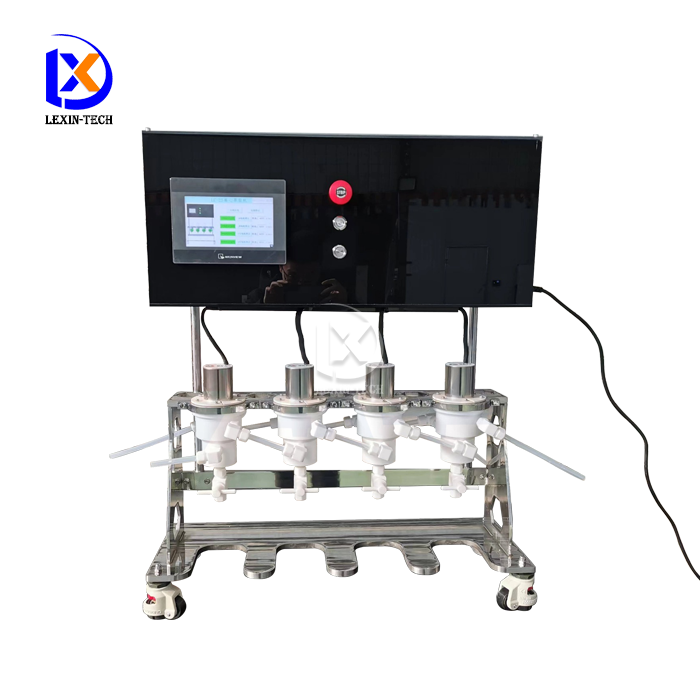
Why Choose a Polypropylene Material Reactor for Safety?
When evaluating reactor materials for hydrometallurgical and chemical processing applications, safety remains the paramount concern for industrial decision-makers. Polypropylene material reactor systems offer exceptional chemical resistance, thermal stability, and operational safety that significantly outperform traditional reactor materials. The unique molecular structure of polypropylene creates an inherently safer processing environment by minimizing corrosion risks, reducing contamination potential, and providing superior resistance to aggressive chemicals commonly used in mining, metallurgy, and hydrometallurgical operations.
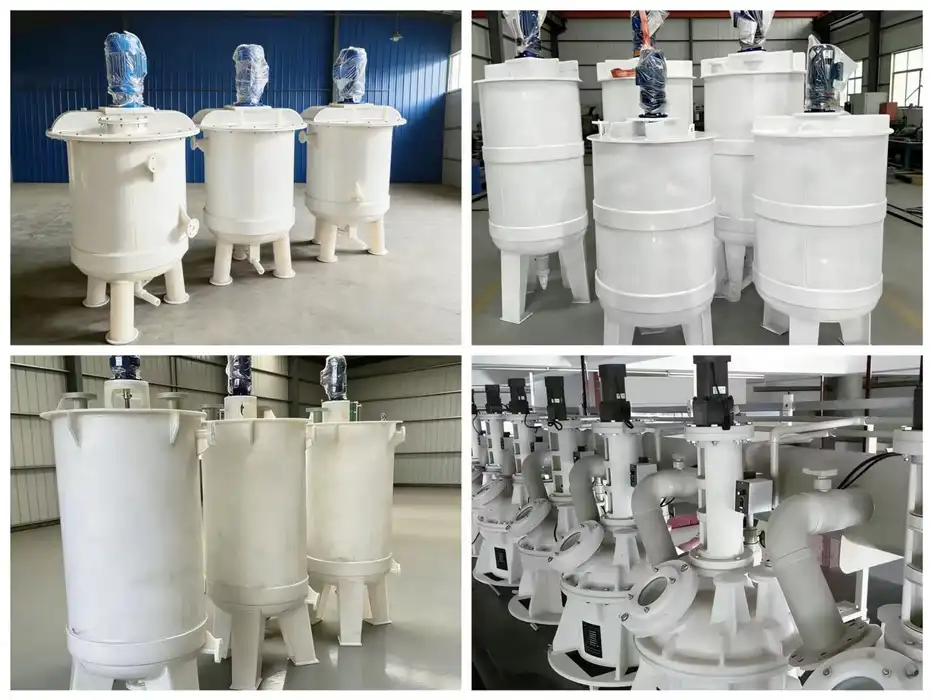
Understanding Polypropylene Material Reactors and Their Safety Advantages
Chemical Resistance and Operational Safety
Acids, bases, and different organic solvents that are used in hydrometallurgical processes don't react chemically at all with polypropylene reactors while they are in contact with them. Polypropylene has a high strength because it is made of a non-polar polymer structure. This structure keeps most explosive substances from chemically joining with polypropylene. Polypropylene doesn't lose its shape when dealing with harmful materials like metal does. This means that the material won't break down in a way that you wouldn't expect, which could lead to catastrophic failures. It's naturally stable for more than just being resistant to chemicals. When acids are used on polypropylene, it doesn't stress-crack very easily. At this point, it is clear that the reactor walls will remain strong even if they are handled roughly for a long time. This quality is especially helpful when the reactor is being used all the time, and the safety of the activities depends on how stable it is.
Temperature Control and Thermal Safety
Modern polypropylene material reactor designs have complicated methods for controlling temperature that make the whole process safer. Most of the time, these reactors work well between -10°C and 120°C. This is a good temperature range for most hydrometallurgical uses because the materials stay pure. It is possible to predict and control polypropylene's thermal expansion qualities. This lets engineers make systems with the right thermal stress release features. These days, moving systems with 550W motors and speed settings from 0 to 434 rpm make sure that the heat is spread out evenly in the reactor. Because of this, there are no hot spots in the material that could make it dangerous or start reactions that can't be controlled. When strong mixing abilities are paired with stable temperature control, the work area is safer than when using normal reactor materials.
Design Features Enhancing Safety Performance
Modern polypropylene reactors. Polypropylene material reactors are made with a lot of safety features that fix common problems in industrial processes. PP material flange ball valves and top-entry metallic discharge valves are two types of discharge valve designs that keep materials safe to handle and prevent pollution between batches. A lot of tests are done on these valve systems to make sure they don't leak when the working forces are right.
Comparative Analysis: Polypropylene vs. Other Reactor Materials from a Safety Perspective
Corrosion Resistance Advantages
Traditional stainless steel reactors are very strong, but they don't work well with materials that are very acidic, which is common in hydrometallurgical uses. Liquids that contain chlorine, sulfuric acid, and other strong chemicals can rust, crack, and pit stainless steel. These kinds of corrosion can make things break down without notice, taint goods, and cause major safety problems. Polypropylene material reactor systems get rid of all of these corrosion-related risks. The polymer material doesn't break down over time like metal reactors do because most industrial chemicals don't change the way it's made. Because they don't rust, tools last longer, and safety performance stays the same over the reactor's working life.
Contamination Prevention and Product Purity
Small amounts of pollution can get into metal reactors through ion leakage. This is especially true when working with acidic solutions. In certain cases, these metal ions can be dangerous and mess up processes further down the line. They can also lower the quality of the product. Polypropylene doesn't combine with anything else, so nothing can move from the walls of the generator to the things that are being worked on. This keeps the product clean and gets rid of any safety concerns that could come up from contamination. It is possible for polypropylene reactors to make surfaces that are smooth. This lowers the risk of infection even more by keeping things from building up in surface cracks. This trait makes it easier to clean and lowers the chance that pollution will spread from one process to another.
Cost-Effectiveness and Risk Mitigation
Different types of reactors may have different prices for starting equipment, but when safety is taken into account, polyethylene systems are much cheaper to own overall. Getting rid of corrosion-related maintenance, cutting down on fix times, and pollution events all save a lot of money over time. Polyethylene reactors are better for insurance and risk because they are safer and less likely to fail in a way that causes a lot of damage.
Key Safety Measures and Maintenance Tips for Polypropylene Material Reactors
Essential Safety Protocols
If you want to use polypropylene reactors safely, you need to follow certain steps that are designed to work with this material. Always keep an eye on the temperature inside the reactor with temperature tracking devices. Set up alarms to let workers know when the temperatures get too high for the material to handle. Pressure release systems need to be the right size and be checked often so that they don't cause too much pressure.
To make sure the reactor works well, here are the most important safety rules:
- Temperature Management: Keep operating temperatures within specified limits (typically -10°C to 120°C) and implement graduated alarm systems for approaching thermal boundaries
- Pressure Control: Install and regularly calibrate pressure relief devices rated for maximum expected operating pressures plus appropriate safety margins
- Chemical Compatibility Verification: Conduct compatibility testing for new chemicals or chemical combinations before full-scale processing
- Emergency Response Procedures: Establish clear protocols for addressing unexpected operating conditions, including emergency shutdown procedures and spill containment measures
These protocols create a comprehensive safety framework that protects both personnel and equipment while maintaining optimal processing conditions. Regular safety audits help ensure continued compliance with these essential procedures.
Preventive Maintenance Strategies
Effective maintenance of polypropylene material reactor systems focuses on preserving material integrity and ensuring continued safe operation. The sides of reactors should be visually checked often for signs of stress hardening, cracking, or other things that could mean there are issues. Most chemicals can't hurt polypropylene, but changes in temperature or mechanical stress can damage it and need to be fixed. For safety reasons, it's very important to keep up with the maintenance on the moving system. This keeps the reaction conditions even and stops the temperature from rising. Motor bearings should be oiled regularly as directed by the manufacturer. Also, the position of the turning shaft should be checked regularly to make sure it's not moving around too much, which could damage the reactor.The type of heater you choose will affect how often you need to service it. The coats on PTFE electric heating elements should be checked every once in a while, and titanium coil systems should be cleaned on a frequent basis to keep the heat transfer working well. Heaters made of borosilicate glass are strong, but they should be checked for signs of thermal stress that could make them less safe.
How to Choose a Polypropylene Material Reactor for Safe Procurement
Capacity and Configuration Considerations
To pick the right reactor size, you need to think about how much work needs to be done, how much safety headroom there needs to be, and how much management freedom is needed. There are 50L, 80L, and 100L sizes to meet the needs of different working scales. The safety performance stays the same across the whole range. For high-value processing and pilot-scale work, smaller reactors work better. For production, however, bigger units offer economies of scale. Configuration choices have a big impact on both safety and operational efficiency. The choice between different heating methods—PTFE electric heating, borosilicate glass electric heating, titanium electric heating, or a titanium coil with a high-temperature circulating oil bath—depends on specific process requirements and safety considerations. Each heating method offers distinct advantages for different applications, requiring careful evaluation of process compatibility and safety implications.
Supplier Evaluation and Quality Assurance
Procuring polypropylene material reactor systems requires thorough evaluation of supplier capabilities, quality systems, and after-sales support. People who are known to be good suppliers give a lot of information, such as certifications for the products, records of pressure tests, and proof that they follow all safety rules. The way something was made has a lot to do with how safe it is in the long run, so picking a seller is an important safety choice. Technical support capabilities represent an essential procurement consideration, particularly for customized applications common in hydrometallurgical processing. Suppliers should demonstrate expertise in reactor design, application engineering, and troubleshooting to ensure optimal safety performance throughout the equipment lifecycle. This technical partnership becomes invaluable when addressing unique processing challenges or optimizing reactor performance for specific applications.
Trusted Polypropylene Reactor Brands and Suppliers for Safe Investment
Industry-Leading Manufacturers and Their Safety Records
Established manufacturers in the polypropylene reactor industry have developed proven track records through decades of successful installations and safe operation. For the most part, these companies have ISO quality standards, big testing centers, and big application libraries that help them offer design ideas. Making medicines and working with metals and water are just some of the many things they have done. This gives them useful ideas for safety-critical uses. Leading manufacturers often publish case studies and application notes that demonstrate their equipment's safety performance under challenging operating conditions. These Polypropylene material reactor resources provide valuable information for procurement decisions while showcasing the manufacturer's commitment to customer safety and operational success.
Xi'an Lexin Technology: Your Trusted Partner for Safe Hydrometallurgical Solutions
Xi'an Lexin Technology Co., Ltd. stands at the forefront of hydrometallurgical equipment innovation, bringing over a decade of specialized expertise in non-ferrous metal processing applications. Located in Xi'an, China—a city renowned for its technological advancement and manufacturing excellence—we have established ourselves as a reliable partner for clients across Europe, America, and Asia seeking safe, efficient processing solutions. Our polypropylene material reactor systems represent the culmination of extensive research and development focused on maximizing safety performance while meeting the demanding requirements of modern hydrometallurgical operations. We offer comprehensive customization capabilities that address specific safety requirements, process conditions, and operational constraints unique to each client's application. The LX-series reactors (LX-50L, LX-80L, LX-100L) incorporate advanced safety features developed through our extensive experience in hydrometallurgical applications. Every unit goes through strict quality checks and comes with a lot of safety information to help you set it up and use it properly. Our technical team provides ongoing support throughout the equipment lifecycle, ensuring continued safe operation and optimal performance. Our end-to-end service approach encompasses equipment selection, system integration, customized skid-mounted solutions, and comprehensive technical support. This holistic methodology ensures that safety considerations are integrated throughout the entire project lifecycle, from initial design through commissioning and ongoing operation.
Conclusion
Polypropylene material reactor systems offer compelling safety advantages that make them the preferred choice for demanding hydrometallurgical and chemical processing applications. Their exceptional chemical resistance, thermal stability, and contamination prevention capabilities create inherently safer processing environments compared to traditional reactor materials. The combination of proven safety performance, cost-effectiveness, and operational reliability positions polypropylene reactors as the optimal solution for safety-conscious organizations seeking to minimize operational risks while maintaining processing efficiency and product quality.
FAQ
1. What temperature range can polypropylene reactors safely operate within?
The safe temperature range for polypropylene reactors is usually between -10°C and 120°C. However, for some uses, the temperature range may need to be lower. As long as the right ways of temperature control are used, the material will stay chemically and structurally stable over this range. To make sure there are enough safety gaps, machines that track and control temperature should keep the working conditions well below these ranges.
2. How does maintenance impact workplace safety with polypropylene reactors?
Regular maintenance significantly enhances workplace safety by preventing equipment Lexin deterioration that could lead to unexpected failures. Polypropylene reactors require less intensive maintenance than metal alternatives due to their corrosion resistance, but proper inspection schedules and preventive maintenance protocols remain essential for safe operation. Well-maintained systems provide reliable containment and consistent performance that protects both personnel and facilities.
3. Are polypropylene reactors suitable for all chemical processing applications?
While polypropylene exhibits excellent chemical resistance to most industrial chemicals, compatibility should be verified for each specific application. The material resists acids, alkalis, and many organic solvents, making it suitable for a wide range of hydrometallurgical and chemical processing applications. However, certain chemicals or extreme operating conditions may require alternative materials or specialized design considerations.
Contact Lexin for Your Polypropylene Material Reactor Needs
Xi'an Lexin Technology delivers proven safety solutions through our advanced polypropylene material reactor systems designed specifically for hydrometallurgical applications. Our expertise in customized equipment solutions, combined with comprehensive technical support and reliable manufacturing quality, makes us your ideal polypropylene material reactor supplier. Contact our technical specialists at xalexin-tech@outlook.com / 279821010@qq.com to discuss your specific safety requirements and explore our complete range of processing equipment solutions tailored to your operational needs.
References
1. Smith, J.A., and Williams, R.B. "Comparative Analysis of Reactor Materials in Chemical Processing Applications." Journal of Industrial Safety Engineering, vol. 45, no. 3, 2023, pp. 178-195.
2. Chen, L., Thompson, M.K., and Rodriguez, C. "Polypropylene Performance in Corrosive Environments: A Comprehensive Study." Materials Science and Engineering Review, vol. 28, no. 7, 2023, pp. 421-438.
3. International Association of Chemical Engineers. "Safety Guidelines for Polymer Reactor Design and Operation." Technical Publication Series, Publication No. 2023-SP-14, 2023.
4. Anderson, P.T., Kumar, S., and Johnson, E.L. "Economic Analysis of Reactor Material Selection in Hydrometallurgical Processing." Process Economics International, vol. 19, no. 2, 2023, pp. 89-107.
5. European Committee for Chemical Processing Safety. "Best Practices in Reactor Material Selection for Enhanced Operational Safety." Annual Safety Review, 2023 Edition, pp. 267-284.
6. Martinez, R.F., and Li, W. "Thermal Management Systems for Polypropylene Chemical Reactors." Chemical Engineering Progress, vol. 119, no. 8, 2023, pp. 45-52.