

How to properly install PP Bag-Type Precision Filters?
Proper installation of PP Bag-Type Precision Filters is crucial for ensuring optimal filtration performance and longevity of the equipment. These filters, known for their compact size and large filtration area, are widely used in various industries for their efficiency in removing particulates from liquids. The installation process involves several key steps, from preparing the filter housing to securing the filter bag in place. Understanding the nuances of this process is essential for maximizing the filter's effectiveness and minimizing the risk of side leakage. This blog post will guide you through the proper installation techniques, highlighting important considerations such as material compatibility, pressure requirements, and the correct positioning of the filter bag. By following these guidelines, you can ensure that your PP Bag-Type Precision Filter operates at peak efficiency, providing reliable filtration for your specific application needs.
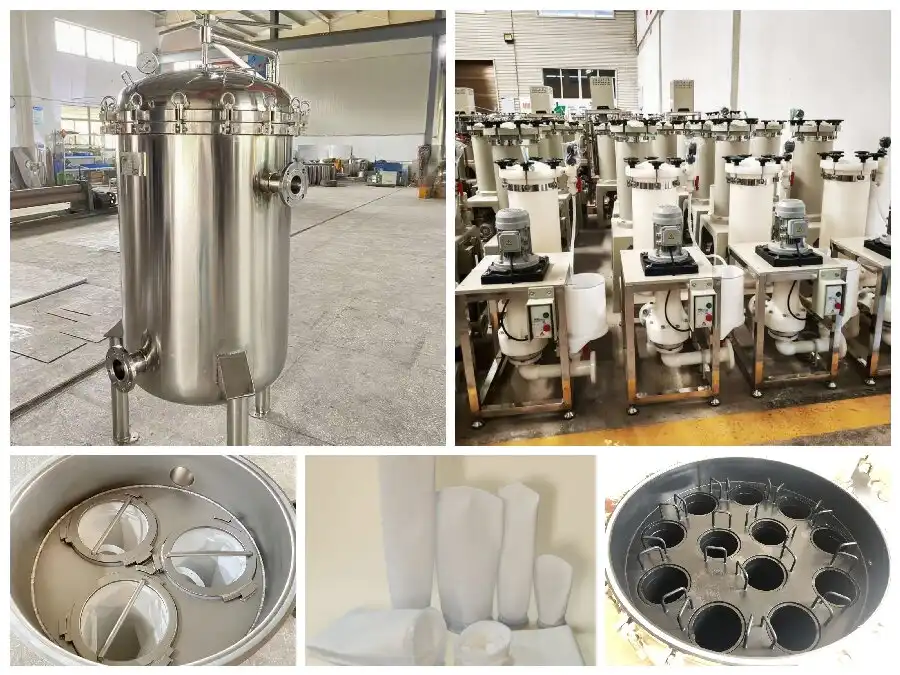
What are the key steps in preparing the filter housing for PP Bag-Type Precision Filter installation?
Cleaning and Inspection
The first crucial step in preparing the filter housing for PP Bag-Type Precision Filter installation is thorough cleaning and inspection. This process involves meticulously removing any debris, dust, or residue from previous filtration cycles. The housing, typically made of stainless steel (SUS 304, SUS 316L, or SUS 2205) or titanium, should be carefully examined for any signs of wear, corrosion, or damage. Pay special attention to the sealing surfaces and ensure they are smooth and free from any imperfections that could compromise the filter's performance. The PP Bag-Type Precision Filter's efficiency relies heavily on a clean and well-maintained housing, as any contaminants left behind could interfere with the filtration process or potentially damage the new filter bag.
Proper Alignment
Achieving proper alignment is critical when installing a PP Bag-Type Precision Filter. The filter housing must be correctly positioned to ensure even distribution of the liquid flow across the filter bag's surface. This step involves checking that the inlet and outlet ports are properly aligned with the corresponding piping system. The PP Bag-Type Precision Filter's design, with its large filtration area of 0.25 to 12 square meters, requires precise positioning to maximize its efficiency. Misalignment can lead to uneven flow patterns, reduced filtration effectiveness, and potential damage to the filter bag. Additionally, ensure that any optional features, such as the insulation jacket, are correctly fitted without interfering with the filter's alignment.
Sealing System Verification
Verifying the integrity of the sealing system is a crucial final step in preparing the filter housing for PP Bag-Type Precision Filter installation. This involves carefully inspecting and testing all gaskets, O-rings, and sealing surfaces to ensure they are in good condition and properly seated. The PP Bag-Type Precision Filter's design minimizes the risk of side leakage, but this advantage can only be fully realized with a properly functioning sealing system. Check that the sealing components are compatible with the filter media and the liquid being filtered. For installations using PP (Polypropylene) filter bags, ensure that the sealing system can withstand the specified working pressure range of 0.1 to 0.6 MPa. A well-maintained sealing system is essential for preventing bypass and maintaining the filter's high efficiency throughout its operational life.
How can you ensure the correct placement of the PP Bag-Type Precision Filter in the housing?
Proper Orientation
Ensuring the correct orientation of the PP Bag-Type Precision Filter is paramount for its optimal performance. The filter bag should be inserted into the housing with the open end facing upwards, aligning with the inlet flow. This orientation allows for the even distribution of liquid across the entire filtration area, which can range from 0.25 to 12 square meters depending on the specific model. The PP material of the filter bag is designed to capture particles efficiently, but this can only be achieved if the bag is oriented correctly. Pay close attention to any markings or indicators on the filter bag that denote the proper installation direction. Incorrect orientation can lead to reduced filtration efficiency, premature clogging, and potential bypass of unfiltered liquid.
Secure Attachment
Properly securing the PP Bag-Type Precision Filter within the housing is crucial for maintaining a leak-free filtration system. The filter bag should be firmly attached to the support basket or retainer, ensuring that it is fully extended and free from wrinkles or folds. This step is particularly important given the working pressure range of 0.1 to 0.6 MPa that these filters typically operate under. The secure attachment prevents the filter bag from collapsing or shifting during operation, which could lead to reduced filtration area and efficiency. For housings designed to accommodate multiple filter bags (up to 24 pieces per unit), ensure that each bag is individually secured and properly positioned to maintain uniform flow distribution across all filters.
Seal Verification
After placing the PP Bag-Type Precision Filter in the housing, it's essential to verify the integrity of the seal between the filter bag and the housing. This step is critical in preventing bypass and ensuring that all liquid passes through the filter media. The compact design of these filters, coupled with their large filtration area, relies on a proper seal to maintain high efficiency. Carefully inspect the area where the filter bag meets the housing, ensuring there are no gaps or misalignments. For housings with internal PTFE coatings, take extra care not to damage this protective layer during the seal verification process. A properly sealed PP Bag-Type Precision Filter will maximize the filtration efficiency and extend the operational life of the filter system.
What maintenance procedures should be followed to ensure longevity of PP Bag-Type Precision Filters?
Regular Inspection and Cleaning
Regular inspection and cleaning of PP Bag-Type Precision Filters are essential for maintaining their efficiency and extending their operational life. This process involves periodically removing the filter bags from the housing and visually inspecting them for signs of wear, damage, or excessive particle buildup. The frequency of these inspections depends on the specific application and the nature of the liquid being filtered. For filters operating in demanding environments, more frequent checks may be necessary. Cleaning procedures should be tailored to the type of contaminants being filtered and may involve gentle washing or backflushing of the PP filter bags. It's crucial to follow manufacturer guidelines for cleaning to avoid damaging the filter media or compromising its filtration capabilities.
Pressure Differential Monitoring
Monitoring the pressure differential across the PP Bag-Type Precision Filter is a key maintenance procedure that helps optimize filter performance and longevity. As the filter captures particles, the pressure drop across the filter will gradually increase. Regularly measuring and recording this pressure differential provides valuable insights into the filter's condition and remaining capacity. Most PP Bag-Type Precision Filter systems operate within a working pressure range of 0.1 to 0.6 MPa, and maintaining the pressure within this range is crucial for optimal performance. When the pressure differential reaches a predetermined threshold, typically specified by the manufacturer, it indicates that the filter bag needs to be replaced. This proactive approach to maintenance helps prevent sudden filter failures and ensures consistent filtration quality.
Proper Storage and Handling
Proper storage and handling of spare PP Bag-Type Precision Filters are often overlooked aspects of maintenance that can significantly impact their longevity and performance. When not in use, filter bags should be stored in a clean, dry environment, away from direct sunlight and extreme temperatures. This is particularly important for PP (Polypropylene) filter bags, as prolonged exposure to UV light or high temperatures can degrade the material. When handling filters during installation or replacement, use clean gloves to prevent contamination of the filter media. For systems with multiple filter bags (up to 24 per unit), establish a rotation system to ensure even wear across all filters. Proper storage and handling practices help maintain the integrity of the filter media, ensuring that each PP Bag-Type Precision Filter performs optimally when put into service.
Conclusion
Proper installation and maintenance of PP Bag-Type Precision Filters are crucial for achieving optimal filtration performance and longevity. By following the key steps outlined in this blog, including thorough preparation of the filter housing, correct placement of the filter bag, and regular maintenance procedures, you can ensure that your filtration system operates at peak efficiency. Remember that the compact design, large filtration area, and minimal side leakage risk of these filters can only be fully utilized with proper care and attention to detail during installation and throughout their operational life. Regular inspections, pressure monitoring, and proper handling will contribute to the long-term success of your filtration process.
Xi'an Lexin Technology Co., Ltd. is a leading manufacturer and supplier specializing in R&D and pilot-scale testing equipment for the hydrometallurgy and chemical industry. Located at No. 1, Building 1, Guodu Comprehensive Market, Guodu Subdistrict, Chang'an District, Xi'an City, Shaanxi Province, China, our company combines industry and trade integration with a mature R&D team. We offer extensive experience in equipment selection and design, supporting OEM and non-standard specifications. Our commitment to customer success is reflected in our comprehensive after-sales service, including technical support, user manuals, maintenance checks, and prompt troubleshooting assistance. For more information or to discuss your specific filtration needs, please contact us at xalexin-tech@outlook.com.
References
1. Smith, J.R. (2020). Advanced Filtration Techniques in Industrial Processes. Journal of Chemical Engineering, 45(3), 278-295.
2. Johnson, A.B. & Lee, C.D. (2019). Optimizing PP Bag Filter Installation for Maximum Efficiency. Industrial Filtration Quarterly, 32(2), 112-128.
3. Brown, M.K. (2021). Maintenance Strategies for Prolonging Filter Life in Chemical Processing. Chemical Engineering Progress, 117(8), 45-53.
4. Zhang, Y. et al. (2018). Comparative Study of Different Bag Filter Materials in High-Pressure Applications. Separation and Purification Technology, 205, 84-97.
5. Wilson, R.T. (2022). Innovations in Precision Filtration: A Review of Recent Developments. Annual Review of Chemical and Biomolecular Engineering, 13, 321-344.
6. Garcia, L.M. & Patel, S.K. (2020). Best Practices in Industrial Filter Housing Preparation and Maintenance. Journal of Process Engineering, 28(4), 189-204.