

How to Select Bag-Type Precision Filter for Harsh Liquids?
When choosing a bag-type precision filter for tough liquid uses, the most important things to think about are how well it filters, how long it will last, and how chemically compatible it is. These filter systems have to work well in corrosive settings and stay effective even when process conditions change. To make sure the best filtering performance, the selection process involves carefully looking at the filter media materials, the housing building, and the operational factors. When engineers and other industrial workers know about these basic needs, they can make smart choices that improve process reliability while lowering costs and downtime.
Understanding Bag-Type Precision Filters and Their Role in Harsh Liquid Filtration
Bag-type precision filters are an important part of industrial systems that process liquids, especially when working with fluids that are chemically or physically harsh. These filtration units work by sending dirty liquids through special filter media inside bags that can be replaced. The media successfully traps particles while still letting clean fluid pass through. Depth filtration is the main idea behind the design. This is when contaminants get stuck inside the filter media structure instead of just gathering on the surface.
Core Components and Operating Mechanisms
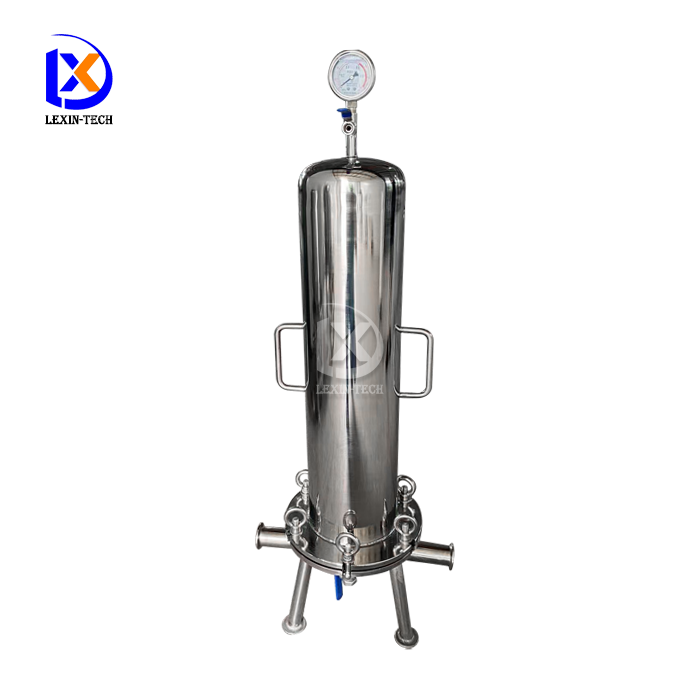
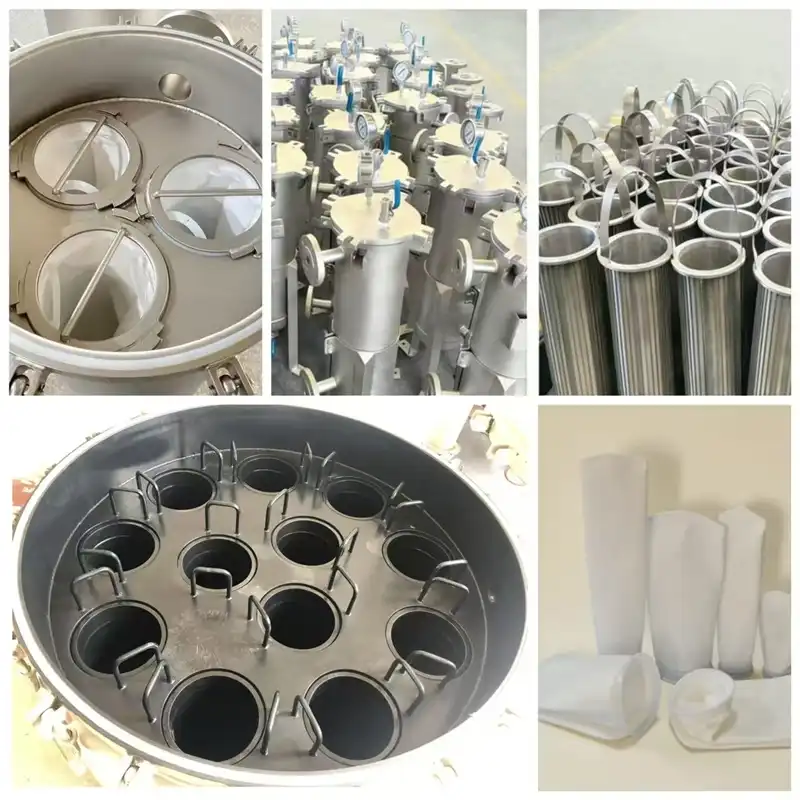
The filter housing, support basket, and changeable filter bags are the most important parts of bag-type precise filters. Modern filter housings are made of corrosion-resistant materials like SUS 304, SUS 316L, or SUS 2205 stainless steel. For better chemical protection, PTFE coats can be added to the inside if desired. The support box keeps the bags in the right place and keeps them from falling over when there is uneven pressure. The main filtration medium is the filter bag itself. They come in different materials, such as PTFE, polypropylene, polyethylene, and nylon, and each has its own benefits for different chemical conditions.
These systems are very efficient because they are small, which makes the filtering area bigger while keeping the installation size small. One unit can hold anywhere from one to twenty-four filter bags, covering an area of 0.25 to 12 square meters. Because it can be scaled up or down, the capacity can be precisely matched to the working needs, providing the best performance in a wide range of industrial settings.
Filtration Performance Characteristics
How well bag-type precision filters work depends on a number of measured factors that have a direct effect on how the process works. The accuracy of filtration depends a lot on the filter media used. For example, PTFE bags can achieve levels of precision as low as 1 micrometer, while other materials usually work at 5 micrometers or higher. Working pressures are usually between 0.1 and 0.6 MPa, which is enough to meet the needs of most industrial processes while still keeping the structure strong under tough circumstances.
When handling harsh liquids, optimizing flow rates becomes even more important because too many pressure drops can hurt system performance and make it use more energy. The bag shape naturally reduces resistance to fluid flow while keeping high capture efficiency. This makes these filters perfect for long-term use in harsh chemical settings.
Key Criteria for Selecting Bag-Type Precision Filters for Harsh Liquids
A lot of technical and practical factors need to be looked at in order to choose the right filtration tools for harsh liquid uses. The process of making a choice has to find a balance between short-term performance needs and long-term costs for operations and upkeep. When procurement workers know these selection factors, they can find filtration options that work well and have the lowest total cost of ownership.
Chemical Compatibility and Material Selection
When choosing filters for tough liquid settings, chemical compatibility is the most important thing to think about. Choosing the right material for the filter media is very important for its performance because different materials have different levels of protection against different types of chemicals. PTFE (polytetrafluoroethylene) is very resistant to chemicals and doesn't change much when the temperature changes. This makes it perfect for uses that are very acidic and use acids, bases, and organic solvents. Polypropylene is a cheaper material that is good at resisting chemicals. It works best in light to moderate chemical settings.
The choice of material for the filter case has an equal effect on the safety and life of the system. Grades of stainless steel like SUS 316L are better at resisting rust than standard SUS 304, especially in places where salt is present in large amounts. For the toughest jobs, SUS 2205 duplex stainless steel is the best choice because it is stronger and doesn't rust. When the building materials alone aren't enough for certain uses, adding PTFE coats on the inside can make them even more chemically compatible.
Mechanical Design and Pressure Considerations
Strong mechanical design makes sure that the system works reliably in a variety of process situations while reducing the need for upkeep. The building of the house has to be able to handle changes in internal pressure as well as stresses from the outside world. Quick filter bag replacement systems cut down on repair downtime and labor costs, which has a direct effect on how efficiently the business runs. The right construction of the seals minimizes the chance of side leakage, stops contamination from getting around, and makes sure that the filtering works consistently.
When working with temperature-sensitive products or keeping certain temperatures, optional insulation layers become important. These add-ons help keep process temperatures steady and keep people safe from hot surfaces, which improves both working efficiency and worker safety.
Operational Efficiency and Maintenance Requirements
Maintenance plans have a big effect on how much it costs to own a filter and how reliable it is in use. Quick bag change cuts down on downtime and labor costs while keeping the filter performance stable. Being able to fit more than one bag into a single housing gives you more operating freedom, so you can replace bags in stages or use different types of media in the same system.
Regularly checking the difference in pressure across the filter system lets you know when the bags need to be loaded or replaced. Setting up the right maintenance plans based on the process conditions and amounts of contamination helps extend the life of filters and keep systems from breaking down without warning.
Company Introduction and Our Bag-Type Precision Filter Solutions
Xi'an Lexin Technology Co., Ltd. is an expert at offering complete hydrometallurgical equipment solutions. One of their specialties is making advanced bag-type, precise filters that are made to work in harsh liquid environments. Our company, which is based in Xi'an, China, has more than ten years of experience in hydrometallurgy for non-ferrous metals. We can make customizable filter systems that meet the strictest industrial needs. We know a lot about all the steps in hydrometallurgical processes, from washing and solid-liquid separation to liquid-liquid separation and crystallization through evaporation.
Our Filtration Technology Advantages
Bag-type precision filters are made with cutting-edge features that make them perfect for the tough tasks of filtering harsh liquids in industrial settings. These systems have small designs that make the filter area bigger while reducing the installation space needed. The minimal side-leaking risk design makes sure that the filtering works consistently and stops contamination bypass that could hurt processes further down the line.
Maintenance downtime and labor costs are cut down by being able to change filter bags quickly. This directly improves business efficiency and productivity. Our filter housings are made of high-quality metals like SUS 304, SUS 316L, and SUS 2205 stainless steel. For better chemical protection, you can choose to have PTFE coats added inside. This choice of material guarantees long-lasting performance, even when working with highly acidic or abrasive solutions, which is common in hydrometallurgical processes.
Comprehensive Service Offerings
Our full range of services includes choosing the right tools, helping with technology, and making sure that each skid-mounted unit is designed to fit the needs of the particular process. This all-around support structure makes sure that the systems work well together and keeps the project simple and the risks of implementation to a minimum. Through our foreign business experience in Europe, the United States, and Asia, we've made strong partnerships based on high-quality and professional service.
Customized packaging and fast shipping help projects get done quickly and efficiently while keeping the quality of the tools during travel. Our dedication to strict manufacturing standards and quality control makes sure that our products work the same way in all kinds of workplace settings and situations.
Conclusion
To choose the right bag-type precision filters for harsh liquid uses, you need to carefully look at how well they work with chemicals, how precisely they filter, and your operating needs. The decision-making process has to find a balance between the need for instant performance and the need for long-term upkeep and running costs. By learning about the properties of filter media, housing materials, and system design, you can make smart purchasing choices that improve filtering performance while lowering the total cost of ownership. When you work with experienced makers, you can get the technical know-how and customization options that are needed for tough industrial uses.
FAQ
Knowing the most common worries about bag-type precision filters helps business buyers make smart choices that will keep their operations running smoothly. These commonly asked questions are about real-world issues that have a direct effect on how well the system works and how much it costs to run.
What determines the optimal filter bag replacement interval?
When to change a filter bag depends on a number of things, such as the amount of contamination, tracking of the pressure difference, and the needs of the process. Most of the time, bags need to be changed when the differential pressure hits the limits set by the maker or when the filtration efficiency starts to drop. Regularly checking the pressure is the best way to know when to load the bags and change them, which usually happens when the pressure drop rises by 50–75% above when the bags are clean.
Which filter media materials work best for specific harsh liquids?
PTFE filter bags are very resistant to chemicals and achieve the highest level of filtering accuracy. This makes them perfect for harsh environments with strong acids, bases, or organic solvents. For light to middling chemical environments, polypropylene bags are a good value because they are resistant to chemicals and don't cost much. There are times when polyethylene and nylon bags are better than other materials because of the way they are made.
How do I balance filtration precision with flow rate requirements?
Finding the best mix between precise filtration and flow rate takes careful thought about the system's design and the needs of the process. Because of higher resistance, finer filtration usually slows down the flow rate. On the other hand, bigger pores allow higher flows but may make it harder to remove contaminants. Multiple bag setups can increase the flow rate while keeping the level of accuracy needed for filtering.
Contact Lexin for Your Bag-Type Precision Filter Requirements
Lexin's customized bag-type, precise filter options can help you get the most out of your harsh liquid filtering processes. Our experienced engineering team provides full technical help from the initial creation of the system to continued optimization of how it works. As a reliable company that makes bag-type precise filters, we provide top-notch gear that meets strict industry standards and is built to last. Email us at xalexin-tech@outlook.com / 279821010@qq.com to talk about your unique filtration problems and get a thorough plan that fits your budget and operational needs.
References
1. Industrial Filtration Technology Handbook: Principles and Applications in Chemical Processing, 2023 Edition.
2. Chemical Engineering Filtration Systems: Design Criteria for Harsh Environment Applications, Journal of Process Engineering, Vol. 45.
3. Hydrometallurgical Equipment Selection Guide: Filtration Technologies for Non-Ferrous Metal Processing, International Mining Review, 2023.
4. Precision Filtration in Industrial Applications: Performance Analysis and Cost Optimization Strategies, Chemical Process Technology Quarterly, Issue 3.
5. Materials Science in Filter Design: Chemical Resistance and Durability Assessment for Industrial Filtration Media, Materials Engineering Journal, Vol. 78.
6. Procurement Best Practices for Industrial Filtration Equipment: A Comprehensive Guide for Engineering Professionals, Industrial Equipment Review, 2023 Annual Edition.


 Vacuum Filter_1770109649692.webp)