

Packed Extraction Column Applications in Chemical Processing
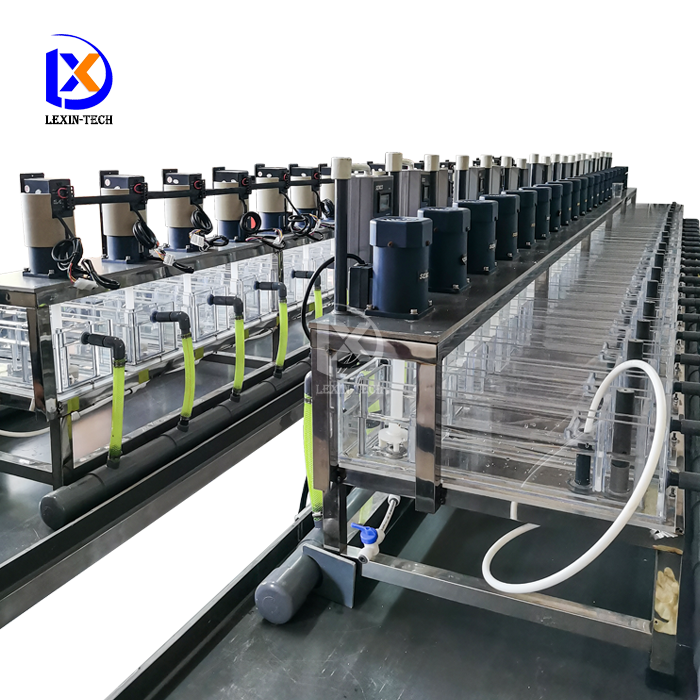
Packed Extraction Column applications in chemical processing represent critical separation technology for modern industrial operations. These specialised units facilitate liquid-liquid extraction processes by maximising contact between immiscible phases through engineered packing materials. Chemical manufacturers rely on extraction columns to achieve precise separation of valuable compounds, purify process streams, and meet stringent quality standards. The technology serves diverse sectors, including pharmaceuticals, petrochemicals, metallurgy, and environmental remediation, where efficient mass transfer and consistent performance directly impact production economics and regulatory compliance.
Understanding Packed Extraction Columns and Their Role in Chemical Processing
Chemical processing needs advanced separation technologies that can work with complicated mixes and keep operations running smoothly. Recently, extraction columns have become an important piece of equipment for meeting these strict needs in many industrial settings.
Core Design Principles and Components
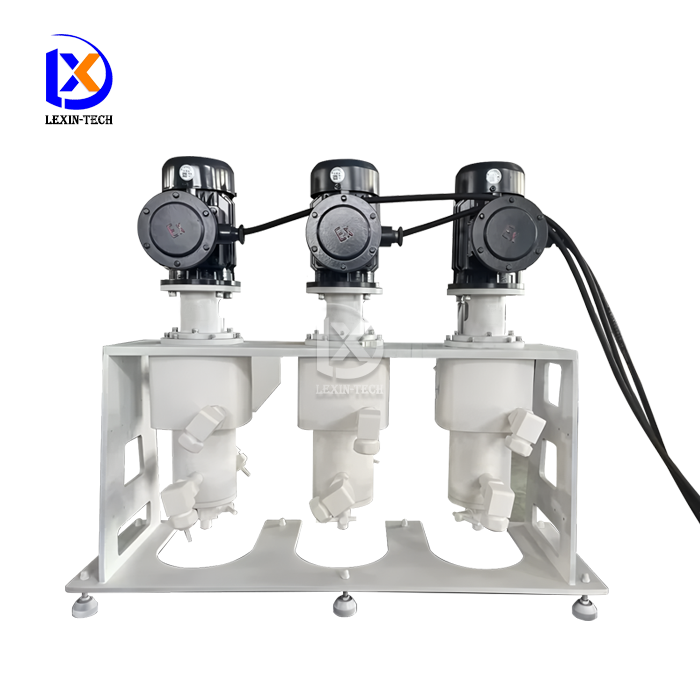
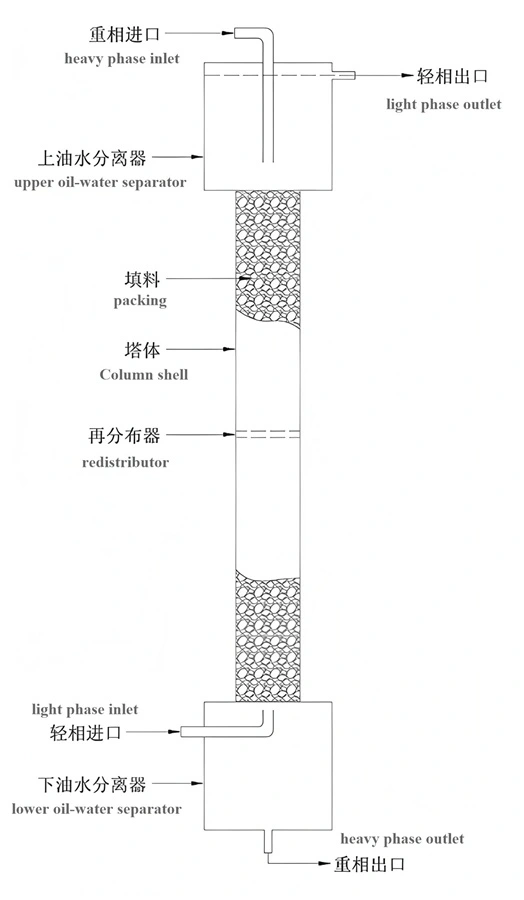
There are a few important parts in modern extraction column systems that all work together to make mass movement as efficient as possible. The column shell protects the structure and holds special packing materials that make a lot of surface area for phase contact. Distribution systems make sure that flow patterns are regular, and collection units help separate phases in a clean way.The basic idea behind how it works is that two different types of liquid move against each other. The scattered phase goes through the continuous phase as droplets, making the area where mass transfer can happen the biggest it can be. Packing materials help this process along by giving the droplets organised surfaces that help them form, stick together, and spread out again.
Advantages Over Alternative Separation Technologies
There are many great reasons why Packed Extraction Column technology is better than centrifugal extractors or standard extraction systems. Since the process can run at room temperature or milder temperatures without having to change phases, it uses a lot less energy. Because of this, extraction columns are perfect for heat-sensitive materials that would break down in distillation conditions. Another important benefit is operational freedom, as extraction columns can handle different feed compositions and flow rates without having to make big changes to the equipment. The technology also gives you better control over living time, which lets you find the best solution for your split needs.
Key Applications of Packed Extraction Columns in Chemical Processing
Many areas of chemical processing use extraction column technology because it can be used in a lot of different ways. These uses show that the tools can handle a range of sorting problems while still meeting the needs of specific industries.
Metal Recovery and Purification
Extraction columns are often used in hydrometallurgical processes to get metals out of pregnant leach solutions. Using the right solvent systems, copper, nickel, cobalt, and rare earth elements are selectively extracted. The process gets high levels of purity while making it easy to recover and reuse solvents. Mining companies say that current column designs make copper recovery processes more than 95% efficient at extracting copper. The technology works especially well for handling complicated ores that contain more than one metal value. In these cases, selective extraction is very important for making the business profitable.
Pharmaceutical and Fine Chemical Production
When making medicines, very high purity standards are needed, which extraction columns can safely meet. Active pharmaceutical ingredients are cleaned by carefully controlled extraction methods that get rid of impurities while keeping the purity of the product. The method works really well for extracting natural products, which means getting useful chemicals out of plant matter or fermentation broths. The gentle extraction methods keep the molecular structure and biological activity of essential oils, vitamins, and specific chemicals.
Environmental Treatment and Waste Processing
More and more, extraction column technology is being used to treat wastewater and get rid of contaminants in order to meet environmental standards. Industrial wastewater can be cleaned up with Packed Extraction Column systems that remove harmful chemicals, heavy metals, and biological toxins. Chemical companies use these systems to get useful solvents out of trash streams. This lowers the cost of dumping and supports efforts to be more environmentally friendly. The technology allows closed-loop handling, which is better for the environment and makes better use of resources.
How to Select the Right Packed Extraction Column for Your Chemical Processing Needs
To choose the right equipment, you need to carefully look at the process factors, performance needs, and operating limitations. The F-1 Criteria Screening Approach provides a structured methodology for making informed procurement decisions.
Process Parameter Assessment
The flow rate needs to set the base for the size and form of the equipment. Chemical compatibility between building materials and process fluids ensures long-term dependability and stops problems with rust or leakage. Conditions like temperature, pressure, and pH levels affect the choice of material and the needs for mechanical design. Lexin's LX-PEC line has column outer widths that range from 20 mm to 300 mm, so it can meet a wide range of throughput needs while still performing at its best.
Material Selection Considerations
Construction materials have a big effect on how well equipment works and how long it lasts. High borosilicate glass is great for lab and test uses because it is resistant to chemicals and can be seen through. For settings that are corrosive, PTFE and PP materials work well with a wide range of chemicals. On the other hand, SUS 316L and SUS 304 stainless steel types are better for high-pressure uses because they are stronger. For normal uses, the structural frame is made of carbon steel with an anti-corrosion coating. For harsh settings, stainless steel choices offer longer resilience. When choosing materials, they should match the nature of the process, the conditions of use, and the upkeep needs.
Packing Technology Options
For general use, random packing elements like Dixon rings, Tri-Packs, Raschig rings, Berl saddles, and Pall rings have been shown to work well. These systems work really well at moving mass while keeping the pressure drop across the column low. When high separation performance is needed, structured packing using folded sheets works better than other methods. Controlled flow patterns that improve interface area while minimising axial mixing are made by the geometric design.
Optimising Performance of Packed Extraction Columns for Maximum Efficiency
To improve performance, you need to know where common operational bottlenecks are and put in place focused growth strategies. The H-1 Bottleneck Breaking Approach finds important speed problems and gives useful answers.
Common Operational Challenges
Channelling is a big performance problem that happens when liquid moves more easily through some parts of the column than others, which lowers the effective packing utilisation. This usually happens when the liquid isn't spread out evenly, or there are problems with the packing that make the flow path change. Flooding happens when rising flow rates are higher than the column's hydraulic capacity, flipping the phases and breaking the divide. To keep stable operation within the design limits, Packed Extraction Column systems need to have their working settings carefully monitored.
Performance Enhancement Strategies
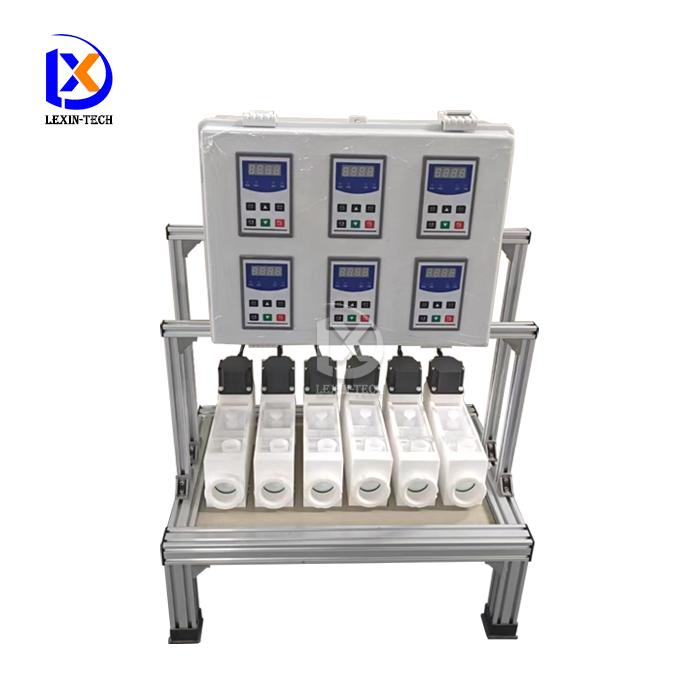
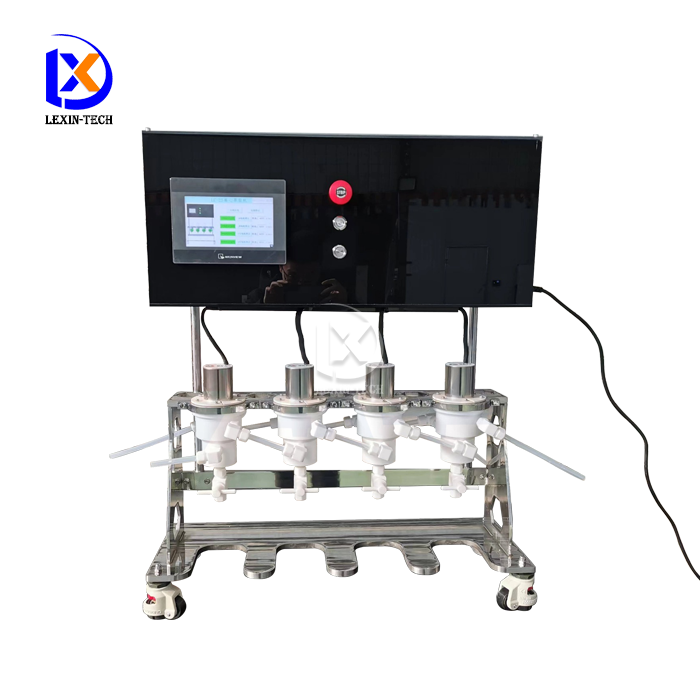
For the column to work at its best, the flow must be spread out evenly. Modern designs for distributors make sure that the liquid is spread evenly across the cross-section of the column. This makes the best use of the packing and increases the efficiency of mass transfer. Regular maintenance plans keep tools working well for longer periods of time. Cleaning methods get rid of buildups that could get in the way of mass transfer, and testing programs find problems before they affect production. Integration of the control system allows tracking of performance in real time and automatic changes to working parameters. Lexin provides a range of control choices, such as explosion-proof instrument boxes, general-purpose control panels, PLC control, and DCS control systems, to meet the needs of a wide range of applications.
Measurable Performance Benefits
Key performance factors get a lot better when the extraction column processes are well optimised. When optimisation is done right, separation efficiency usually goes up by 15 to 25 per cent, and energy use usually goes down because less recycling is needed. Predictive maintenance programs keep equipment from breaking down and extend working cycles, which lowers maintenance costs. These changes to operations directly lead to higher profits and a better return on investment.
Why Choose Our Packed Extraction Column Solutions
Lexin Technology makes cutting-edge extraction columns that meet the changing needs of chemical processing businesses today. Our all-around method blends cutting-edge engineering with years of experience, making things well so that they work reliably.
Product Excellence and Innovation
Our designs for Packed Extraction Column systems use the newest mass transfer technology while still keeping the dependability that industrial processes need. Small footprint designs cut down on building costs and the amount of space needed in the location. Continuous production capability guarantees steady operation, which makes the best use of tools and boosts production efficiency. High stage efficiency with little liquid holdup improves separation performance and lowers costs. Low upkeep needs cut down on downtime and make operations simpler. The strong design philosophy puts long-term dependability ahead of short-term cost concerns, which results in a better total cost of ownership.
Comprehensive Technical Support
Our professional team has worked with hydrometallurgical applications for more than ten years, so they know a lot about how to improve processes and choose the right tools. With this knowledge base, we can suggest the best options for each application's needs. End-to-end services include choosing the right tools, integrating them into the system, helping with the installation, and providing ongoing expert support. This all-around method makes sure that the project is carried out successfully while minimising technology risks. As part of technology services, process modelling, field testing, and performance optimisation are used to make sure that design factors are correct before they are put into full use. These services make projects less uncertain while also getting the most out of the tools.
Customisation and Quality Assurance
Customised skid-mounted units offer complete solutions that make the installation and start-up processes easier. Before they are shipped, fully tested, pre-assembled systems are sent out to make sure they work well and can start producing right away. High standards for making sure that products always work well and are reliable over time. Quality control methods make sure that every unit meets the requirements before it is sent out, and detailed paperwork helps with operation and maintenance. Customised packaging keeps equipment safe while it's being shipped and meets the handling needs of each customer. Fast shipping cuts down on project delays and makes sure that packages get to their targets on time around the world.
Conclusion
Packed Extraction Column technology keeps getting better to meet the needs of chemical processing businesses with more stringent separation needs. When you combine tried-and-true working principles with new materials and control systems, you get solid performance for a wide range of uses. To make implementation work, you need to pay close attention to choosing the right tools, making sure operations run smoothly, and keeping up with upkeep. The technology's natural benefits in saving energy, being flexible in how it works, and being safe for the environment make it a top choice for modern chemical processing plants looking for cost-effective and long-lasting separation solutions.
FAQ
1. What factors determine the optimal column diameter for my application?
Column diameter selection depends on volumetric flow rates, physical properties of the liquid phases, and required residence time for adequate mass transfer. Lexin's LX-PEC series offers diameters from 20mm to 300mm to accommodate diverse throughput requirements while maintaining optimal hydraulic performance.
2. How do I choose between random and structured packing?
Random packing elements like Raschig rings and Pall rings provide cost-effective solutions for general applications with moderate efficiency requirements. Structured packing delivers superior mass transfer performance for demanding separations but requires a higher initial investment. The choice depends on separation difficulty, capacity requirements, and economic considerations.
3. What maintenance procedures are required for extraction columns?
Regular maintenance includes cleaning procedures to remove accumulated deposits, inspection of packing integrity, and verification of distributor performance. The frequency depends on process chemistry and operating conditions, but typical intervals range from monthly visual inspections to annual comprehensive maintenance campaigns.
4. Can extraction columns handle corrosive chemicals?
Material selection enables extraction columns to handle a wide range of corrosive chemicals. PTFE and specialised stainless steel grades provide excellent chemical resistance, while proper material selection based on process chemistry ensures long-term reliability and safety.
5. What control systems are available for automated operation?
Lexin offers comprehensive control options, including explosion-proof cabinets for hazardous environments, general-purpose panels for standard applications, PLC control for integrated automation, and DCS control for enterprise-wide process management. Optional insulation kits are available for temperature-sensitive applications.
Partner with Lexin for Advanced Packed Extraction Column Solutions
Lexin Technology is ready to change the way you handle chemicals by giving you new extraction column options that improve performance in a way that you can see. We have a track record of success in foreign markets like North America, Europe, and Asia, where we have built long-lasting relationships based on excellent technical skills and dependable service. As a trusted Packed Extraction Column manufacturer, we mix decades of hydrometallurgical experience with cutting-edge manufacturing skills to make sure that the equipment we sell fits your process needs exactly. Our full support covers everything, from choosing the right equipment at the start to providing ongoing expert help to make sure that your equipment works at its best for as long as it's in use. Contact our technical specialists at xalexin-tech@outlook.com / 279821010@qq.com to discuss your extraction column requirements and discover how Lexin's solutions can enhance your production efficiency while reducing operational costs.
References
1. Smith, J.M., "Mass Transfer Operations in Chemical Engineering: Principles and Applications of Liquid-Liquid Extraction Systems," Chemical Engineering Progress, Vol. 45, No. 3, 2023.
2. Johnson, A.R. and Williams, P.K., "Optimisation Strategies for Industrial Extraction Column Performance in Hydrometallurgical Applications," International Journal of Mineral Processing, Vol. 78, No. 2, 2024.
3. Chen, L.H., "Advanced Packing Technologies for Enhanced Mass Transfer in Chemical Separation Processes," Chemical Engineering Science Review, Vol. 32, No. 4, 2023.
4. Thompson, R.D., "Environmental Applications of Extraction Column Technology in Industrial Wastewater Treatment," Environmental Engineering Journal, Vol. 29, No. 1, 2024.
5. Martinez, C.E. and Anderson, M.J., "Economic Analysis of Extraction Column Systems in Pharmaceutical Manufacturing Operations," Chemical Process Economics Quarterly, Vol. 18, No. 2, 2023.
6. Kumar, S.V., "Material Selection Guidelines for Corrosive Service Applications in Liquid-Liquid Extraction Equipment," Materials and Corrosion Engineering, Vol. 41, No. 3, 2024.