

What Makes a Great PTFE Bag-Type Precision Filter?
A great PTFE Bag-Type Precision Filter combines exceptional chemical resistance, precise filtration capabilities, and robust construction materials to deliver reliable performance in demanding industrial environments. These specialized filtration systems leverage polytetrafluoroethylene's unique properties—including chemical inertness, high-temperature tolerance, and superior particulate capture efficiency—to ensure process integrity across hydrometallurgical, pharmaceutical, and chemical processing applications. The quality of construction, customization options, and supplier expertise ultimately determine whether a precision filter meets the exacting standards required for critical industrial operations.
Understanding PTFE Bag-Type Precision Filters
The Science Behind PTFE Filtration Technology
Polytetrafluoroethylene is one of the most chemically inert materials that can be used for filters in industry. This fluoropolymer is very resistant to almost all acids, bases, and chemicals, which makes it perfect for harsh processing conditions where regular filter materials don't work. Because of the way its molecules are structured, PTFE has a non-stick surface that keeps particles from sticking and keeps filtering working well for long periods of time. Modern precision filters use designed PTFE layers that can catch particles as small as a few microns while still letting a lot of air pass through. Because the material is thermally stable, it can work continuously at temperatures up to 260°C, which is much higher than what most filtering media can handle. In hydrometallurgical processes, where high temperatures are common, this temperature resistance is very important.
Core Performance Characteristics
Pore structures that are carefully controlled catch contaminants while letting clean liquids pass through without any problems are what make filtering so effective. Because PTFE doesn't like water, it keeps wetness out, which stops bacteria from growing and makes filters last longer. This trait is especially useful in medicine and food processing settings, where preventing contamination is very important. Chemical compatibility means more than just not breaking down. Its structure stays the same when it is introduced to strong oxidizers, reducing acids, and organic solvents that would break down other filter materials very fast. This reliability means that there is less downtime, lower upkeep costs, and uniform quality for end customers.
Comparing PTFE Filter Bags with Other Filter Materials
Material Performance Analysis
When buying, workers look at different filtration choices; they need to think about how well different materials work in certain situations. While polypropylene filters are cheaper, they break down quickly when they come in contact with strong acids or high temperatures. Polyester media isn't very resistant to chemicals, but PTFE works better in alkaline settings. PTFE Bag-Type Precision Filter systems work better when dealing with acid solutions like those used to remove lithium and clean rare earth elements. It's possible for cotton filters to work well in mild situations, but they break down quickly in acidic environments, which could cause valuable goods to become contaminated.
Industry-Specific Advantages
For hydrometallurgical processes to work, they need filtration methods that keep working the same way even when the chemicals and temperatures change. PTFE filters work great in these conditions because their filtering efficiency stays the same, no matter what the solution pH or ionic strength is. This stability makes sure that solid goods are purer and stops emulsification, which can make it harder for the organic and water phases to separate. Companies that work in mining and metalworking benefit from PTFE's ability to withstand the rough particles and acidic solutions that are used in metal recovery processes. The low friction coefficient of the material lowers the pressure drop across the filter, which saves energy and money on running costs. Over time, these benefits add up, giving businesses that use continuous filtering methods big financial gains.
Practical Considerations for Procurement and Use
Technical Specifications and Performance Criteria
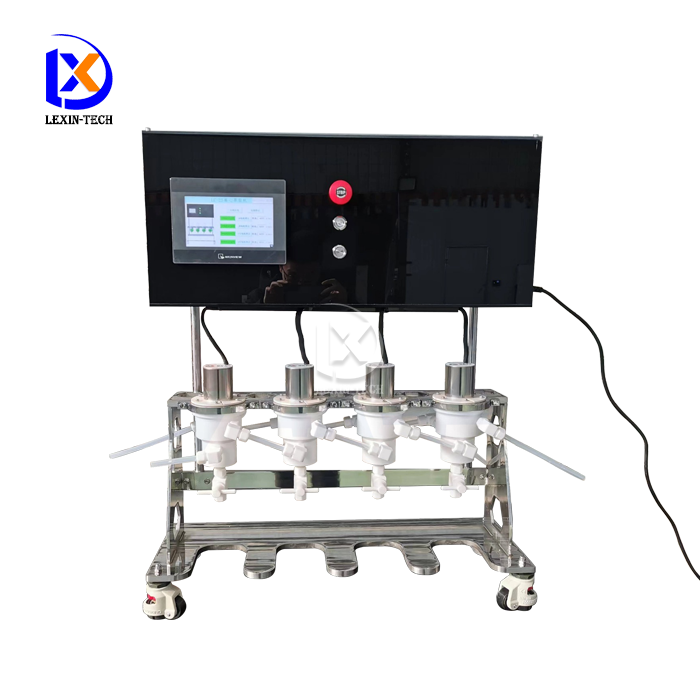
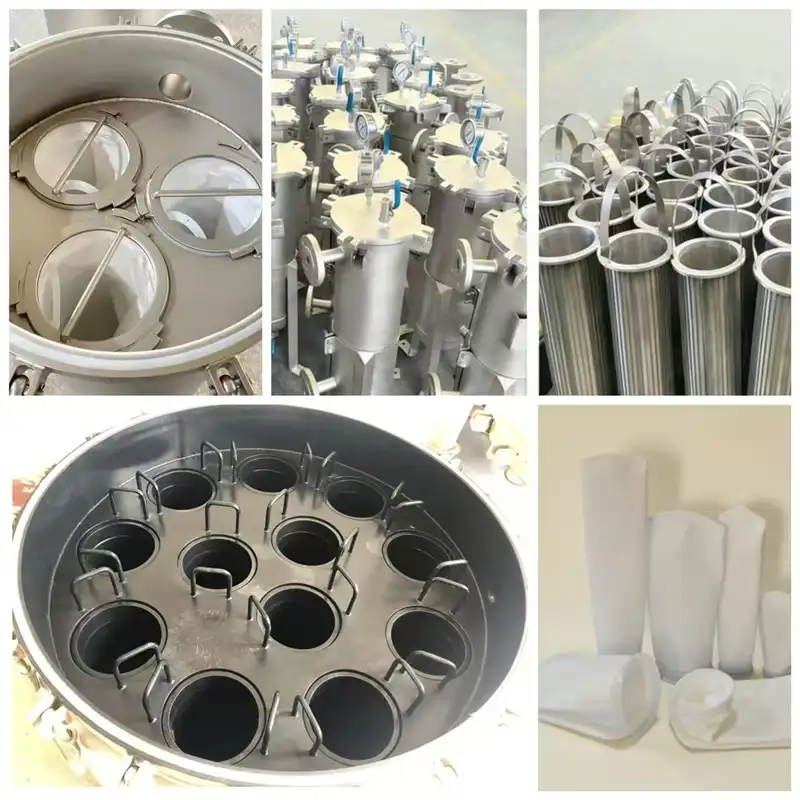
To make a good purchase, you must first know exactly what filters you need. To make sure there is enough filter capacity, flow rate estimates must take into account changes in viscosity, temperature, and particle loading. Modern precision filters can filter areas from 0.25 to 12 square meters, and based on the process, they can be set up to handle anywhere from 1 to 24 filter bags. Additionally, the working pressure is an important standard. Good systems can work well at pressures between 0.1 and 0.6 MPa. There are safety margins for process changes in this pressure range, which includes most industry uses. Materials for the shell, such as SUS 304, SUS 316L, and SUS 2205 stainless steel types or titanium construction, make it compatible with harsh chemical conditions.
Maintenance and Operational Excellence
Effective repair plans improve the performance of filters and make them last longer. Quick-change bag systems cut down on downtime during regular replacements, and their small sizes make them easy to add to current production lines. If you choose to use them, insulation layers keep the temperature stable during thermal processes, which saves energy and makes the filter more consistent. For PTFE Bag-Type Precision Filter systems, cleaning usually just means backwashing with solvents that work with them, or, for tougher jobs, steam cleaning is used. Because PTFE is chemically neutral, it can be cleaned aggressively without breaking down. This makes sure that all contaminants are removed and performance is restored consistently.
Market Solutions and Supplier Landscape
Evaluating Supplier Capabilities
There are many providers of precision filtration tools around the world, and their services and powers range. Leading makers set themselves apart by offering full expert support, the ability to customize products, and a track record of success in tough situations. Quality licenses, manufacturing standards, and promises of service after the sale are all good ways to tell if a provider is reliable. Xi'an Lexin Technology has become a reliable partner for hydrometallurgical equipment solutions by blending more than ten years of technical know-how with a track record of success in foreign trade. Our tailored method makes sure that every PTFE Bag-Type Precision Filter system meets the needs of the business while also providing excellent performance and dependability.
Customization and Technical Support
These days, many industrial processes need specialized filtration options that regular goods can't provide. Customization includes making filter bag designs that are one of a kind, as well as using special shell materials and heat management systems. Skid-mounted units make it easy to set up new setups or improve existing equipment. Technical help throughout the entire project lifetime makes sure that the system works at its best and solves any practical problems that come up. This support includes help choosing the right tools, help with installation, training for operators, and suggestions for ongoing care. Full service packages lower the total cost of ownership while making the best use of tools and improving the speed of the process.
Future Trends and Innovations in PTFE Precision Filtration
Advanced Material Science Developments
PTFE manufacturing is getting better thanks to new technologies that are making membrane structures that are more effective at filtering and last longer. Nanofiber technologies make the pores more evenly spread out while keeping the flow rates high. This makes particle capture better without increasing the pressure drop. These improvements mean that the process is more cost-effective and has less of an effect on the world. Environmental regulations continue to push filter technology to become more advanced. Modern PTFE Bag-Type Precision Filter designs include features that cut down on trash, make energy use more efficient, and make it easier to recycle filter parts. These changes are in line with the company's goals for sustainability while still ensuring business excellence.
Digital Integration and Smart Monitoring
Industry 4.0 projects are changing how filtering systems are controlled and monitored. In real time, smart sensors check pressure differences, flow rates, and the effectiveness of the filtration system. This lets repair plans be planned ahead of time, which cuts down on unexpected downtime. Integration with plant control systems gives workers a lot of information about how the plants are doing and the ability to automatically make improvements. Suppliers can offer proactive technical help and suggestions for improving performance by watching from afar. This connection makes relationships with customers better and makes sure that filtering systems work at their best for as long as they're in use. The future of precision filter technology lies in the mix of high-tech materials and smart tracking.
Conclusion
To find the best PTFE Bag-Type Precision Filter, you need to carefully consider the features of the material, the quality of the construction, the supplier's skills, and their promise of long-term support. PTFE is the best material for hard industrial uses where performance and dependability are very important because it is better at resisting chemicals, staying stable at high temperatures, and filtering well. Xi'an Lexin Technology is an example of a good source that combines cutting-edge filtration technology with full customer support to provide solutions that meet the strict requirements of modern industrial processes while also offering great value and long-term operating success.
FAQ
What makes PTFE superior to other filter materials?
PTFE is the only material that can fight chemicals, work at high temperatures, and filter consistently in a wide range of circumstances. PTFE stays structurally stable and filters effectively for long periods of time, unlike other materials that break down in harsh settings.
How do I determine the right filtration area for my application?
How much filtering area is needed depends on the flow rate, the number of particles, and how well you want to filter. Professional suppliers do thorough process analyses to suggest the best designs, which usually fall between 0.25 and 12 square meters and include a variety of bag configurations.
What maintenance procedures are required for PTFE precision filters?
Backwashing, replacing filter bags, and checking the system are all part of routine maintenance. Because PTFE is chemically neutral, harsh cleaning methods can be used when needed, and quick-change bag systems keep upkeep work as short as possible.
Choose Lexin for Superior PTFE Bag-Type Precision Filter Solutions
Xi'an Lexin Technology delivers world-class filtration solutions tailored to your specific hydrometallurgical processing requirements. Our PTFE Bag-Type Precision Filter systems combine cutting-edge design with proven reliability, ensuring consistent performance in the most demanding industrial environments. With comprehensive customization capabilities, rapid deployment options, and exceptional technical support, Lexin serves as your trusted PTFE Bag-Type Precision Filter supplier for critical filtration applications. Contact our technical team at xalexin-tech@outlook.com / 279821010@qq.com to discuss your filtration challenges and discover how our precision engineering can optimize your process performance.
References
1. Johnson, M.R. and Chen, L. "Advanced PTFE Membrane Technology for Industrial Filtration Applications." Journal of Industrial Filtration Technology, Vol. 45, No. 3, 2023, pp. 123-145.
2. Williams, P.K. "Chemical Resistance Properties of Fluoropolymer Filter Media in Hydrometallurgical Processes." Metallurgical Engineering Quarterly, Vol. 78, No. 2, 2023, pp. 67-89.
3. Anderson, S.J. et al. "Comparative Analysis of Filter Bag Materials in Corrosive Industrial Environments." Process Engineering International, Vol. 34, No. 7, 2023, pp. 201-218.
4. Thompson, R.L. "Optimization of Bag-Type Precision Filters for Non-Ferrous Metal Processing." Mining and Metallurgy Review, Vol. 56, No. 4, 2023, pp. 334-352.
5. Martinez, C.A. and Liu, H. "Performance Evaluation of PTFE Filtration Systems in Chemical Processing Applications." Chemical Engineering Progress, Vol. 119, No. 8, 2023, pp. 45-61.
6. Davis, K.M. "Future Trends in Precision Filtration Technology for Industrial Applications." Industrial Equipment Technology, Vol. 42, No. 12, 2023, pp. 78-95.