

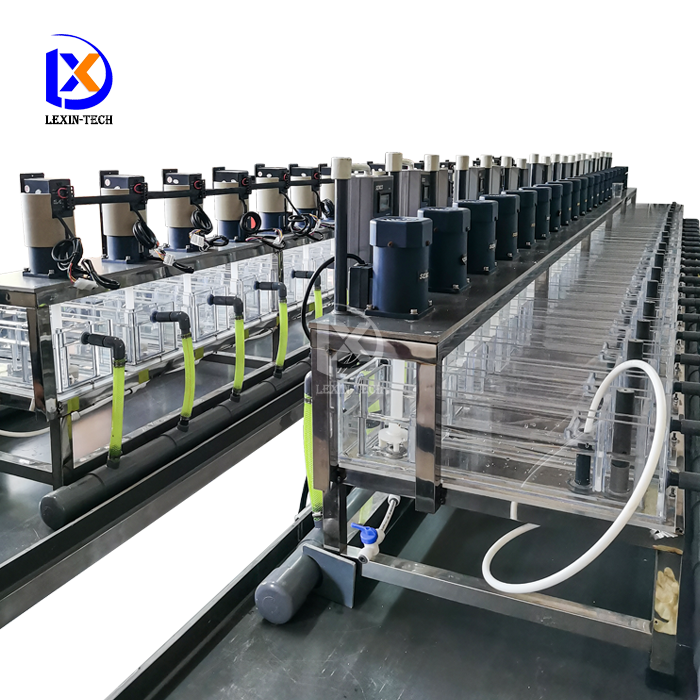
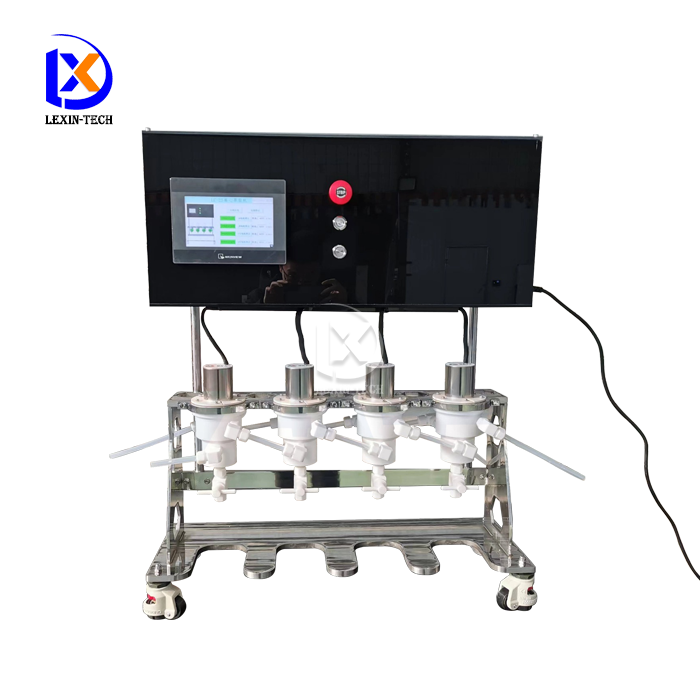
What are the primary applications of PTFE mixer-settlers?
PTFE Mixer-settler units are specialized pieces of equipment used in many fields to separate liquids. They work especially well in hydrometallurgy, chemical processing, pharmaceutical manufacturing, and environmental treatment. Polytetrafluoroethylene is very resistant to chemicals, so these high-tech separation systems can handle harsh media like concentrated acids, organic solvents, and chemicals that break down metals. They are mostly used for recovering valuable metals, processing uranium, cleaning pharmaceuticals, treating garbage, and making unique chemicals in places where regular materials can't handle the harsh conditions.
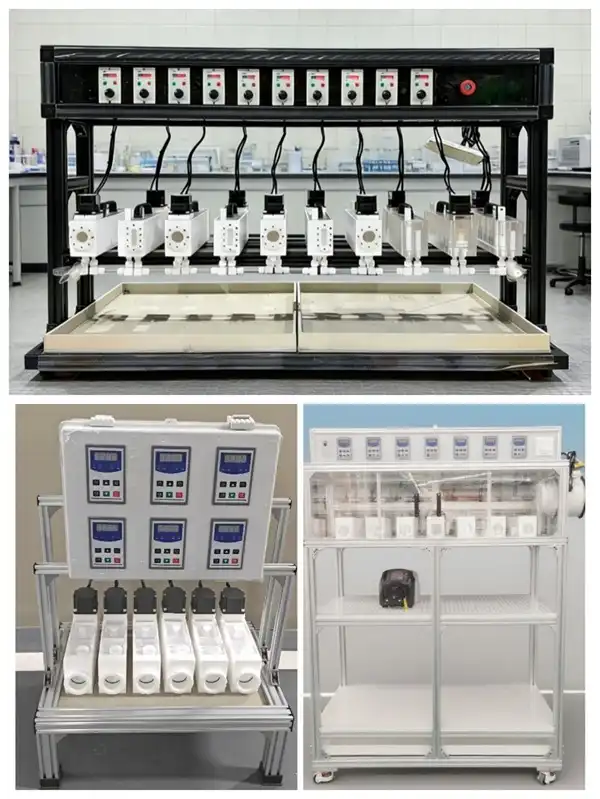
Understanding PTFE Mixer-Settlers: Design and Functional Principles
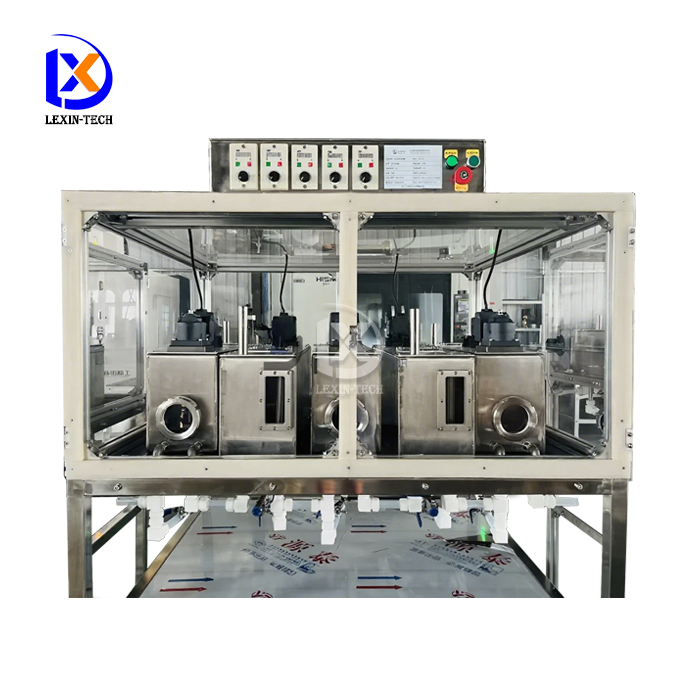
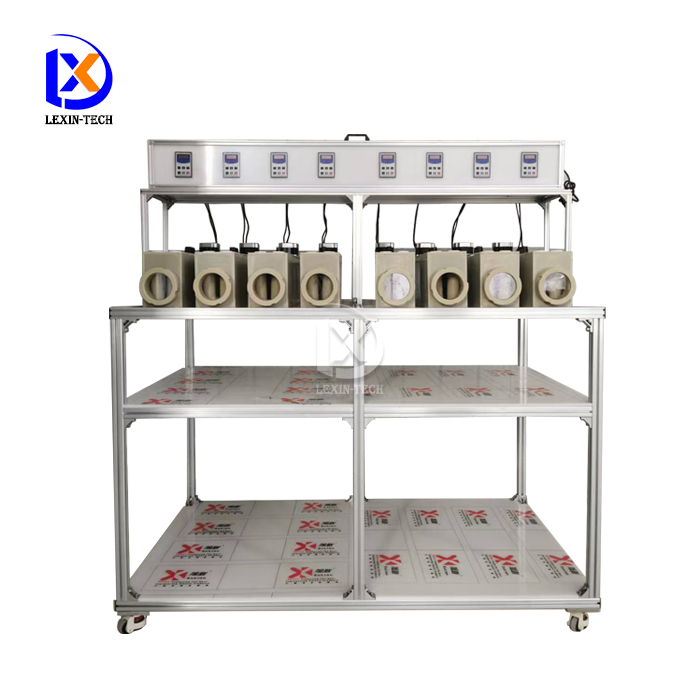
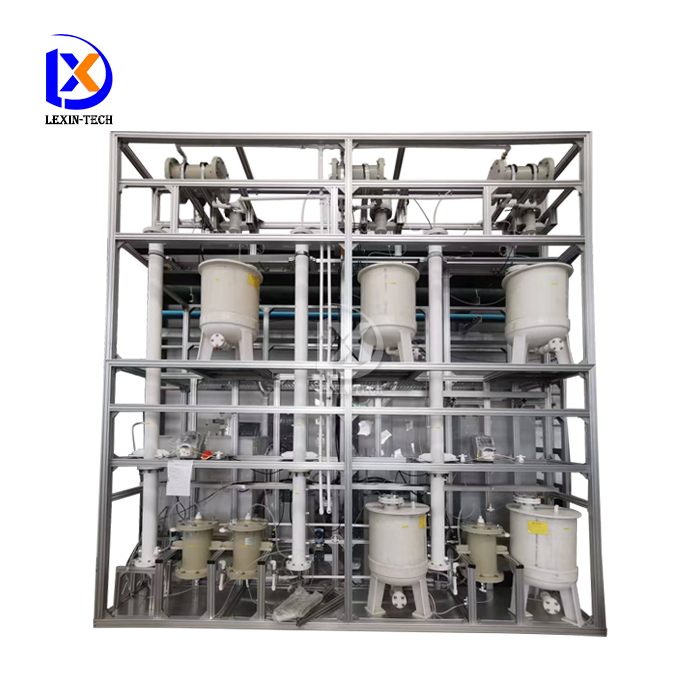
Modern PTFE-based extraction equipment is a big step forward in the technology used to separate liquids, and it solves important problems that hydrometallurgical plants and chemical processing facilities around the world are having. These high-tech units combine mixing and settling tasks into a single system, which improves the speed of mass transfer while keeping chemical compatibility high.
Core Design Architecture and Material Properties
PTFE mixer-settlers are based on a two-stage process that makes the most of phase contact while also providing clean separation. The impellers in the mixing chamber are carefully made to spread out droplets in the best way possible, which speeds up the transfer of mass between the watery and organic stages. Because of the way its molecules are structured, PTFE is very chemically neutral. It can survive temperatures of up to 260°C and doesn't break down in most industrial chemicals, except for melting alkali metals and elemental fluorine. The settling part uses a carefully planned shape to help the phases separate by gravity. High-grade PTFE is used to make the internal baffles and weirs that keep the flow straight and stop any turbulence that might lower the sorting efficiency. This way of designing gets rid of the rust problems that come with using stainless steel instead, especially when using hydrofluoric acid, aqua regia, or other harsh chemicals.
Operational Mechanisms and Performance Optimization
PTFE Mixer-settler systems work with tried-and-true countercurrent extraction principles, in which water and organic phases flow in different directions through several steps. Each stage has a mixing zone where the phases come into close touch with each other and then a settling zone where the phases separate based on their different densities. When compared to metallic options, the PTFE design ensures consistent performance over long periods of time with little upkeep needed.PTFE's unique surface qualities help improve phase separation, which lowers the formation of emulsions and raises the total efficiency of extraction. The low surface energy of this material keeps most liquids from wetting it, which makes clean phase separation easier and lessens carry-over between stages.
Primary Industrial Applications of PTFE Mixer-Settlers
The ability of PTFE extraction tools to work with a wide range of chemicals has made these systems important in many different industries. Their uses range from recovering valuable metals to cleaning pharmaceuticals, and each one takes advantage of the unique benefits of fluoropolymer construction.
Hydrometallurgical Processing and Metal Recovery
For PTFE mixer-settlers, hydrometallurgical processes are the most common use, especially in processing circuits that deal with highly acidic solutions. These systems work really well in copper solvent extraction plants where the amount of sulfuric acid is higher than what normal materials can handle. Using organic extractants, the equipment removes copper from pregnant leach solutions, which makes it possible to make high-purity cathode copper.PTFE Mixer-settler technology is used by precious metal recovery plants to handle complex ore concentrates and recycle electronic trash. The chemical safety of PTFE makes it useful for separating rare earth elements, recovering platinum group metals from car catalysts, and getting gold and silver out of cyanide solutions. Often, these uses take place in chloride-rich settings where stainless steel equipment breaks down quickly.PTFE extraction equipment is used a lot in uranium processing plants to clean up yellowcake and make reactor-grade uranium compounds. The strict cleanliness standards of the nuclear industry are a perfect match for PTFE, which doesn't leave behind any waste and can stand up to nitric acid solutions that are often used in uranium processing processes.
Chemical and Pharmaceutical Manufacturing
PTFE mixer-settlers are used in the pharmaceutical business to separate intermediate compounds and clean up active medicinal ingredients. These uses need something that is very clean and doesn't react badly with chemicals, which PTFE construction easily meets. The FDA has approved the material for use in pharmaceuticals as well as food contact uses. This makes sure that the products are safe and that the regulations are followed.Many extraction steps are needed to make specialty chemicals, and PTFE equipment is very helpful for these steps. These devices are used to separate products from reaction mixes in the production of fluorinated compounds, pesticides, and fine chemicals. PTFE Mixer-settler units are very important in these situations because they can work with both water and organic stages that contain harsh chemicals.
Environmental Treatment and Remediation
PTFE extraction technology is being used more and more in environmental uses to clean up polluted water and get useful materials out of trash streams. Because PTFE is strong and doesn't react with chemicals, it can be used to remove heavy metals from industrial wastewater, organic pollutants from groundwater, and valuable metals from electrical waste.These systems are used in places that treat radioactive waste to separate radioactive isotopes and concentrate toxic solutions so they can be thrown away safely. The material's ability to withstand chemical and nuclear damage makes it effective in these tough situations.
Comparative Analysis: PTFE Mixer-Settlers vs Alternative Materials
What procurement workers need to know about the performance features of different building materials helps them choose the right tools. This study compares PTFE to popular options, pointing out its specific benefits and how well it works in certain situations.
Chemical Resistance and Durability Comparison
Most commercial uses find that PTFE is better at resisting chemicals than stainless steel, glass, and thermoplastic replacements. In mild conditions, 316L stainless steel doesn't rust very easily, but it breaks down when it comes in contact with hydrofluoric acid, strong chlorides, or high-temperature chemical solvents. The structure and finish of PTFE Mixer-settler units stay the same even after years of being exposed to these harsh chemicals.Glass equipment is good at resisting chemicals and letting you see what's going on, but it is fragile and easily damaged by heat. PTFE has the chemical inertness of glass and the mechanical sturdiness of steel. It doesn't break easily and is still very compatible with chemicals.Polypropylene and other industrial plastics are cheaper, but they can't handle high temperatures or chemicals very well. Because PTFE can work in a wider range of conditions, it can be used in places where other plastics would break down or contaminate the process stream.
Economic Considerations and Total Cost of Ownership
The starting cost of PTFE extraction equipment is usually higher than that of stainless steel options, but the cost of ownership is usually lower for PTFE building. Lower overall ownership costs are caused by less upkeep being needed, no more downtime due to corrosion, and longer service life. Not having any metals in the product also keeps it from having quality problems that could lead to expensive batch rejects.The good surface qualities of PTFE make it more energy efficient because they lower the amount of power needed for mixing and make it easier for things to settle down. These operational saves add up over the life of the equipment and make up for its higher starting cost.
Procurement Insights for PTFE Mixer-Settlers in B2B Markets
To buy PTFE extraction tools successfully, you need to carefully consider the supplier's skills, customizable options, and long-term support services. Because these systems are so specialized, they need people who know how to make PTFE and create extraction processes.
Supplier Selection and Quality Assurance
When looking for a PTFE Mixer-settler provider, you need to check out their manufacturing skills, quality control methods, and knowledge with different uses. Suppliers should show that they are skilled at PTFE welding and cutting, as these skills have a direct effect on how well and how long equipment lasts. Quality ratings like ISO 9001 and industry-specific standards give customers peace of mind that the products they buy will be made the same way every time.For complicated extraction tasks, being able to provide technical help is a must. In addition to providing basic tools, suppliers who offer help with process design, sample testing facilities, and troubleshooting support add a lot of value. This knowledge is especially useful when changing standard designs to fit new uses or strange working situations.
Customization Options and Delivery Considerations
PTFE equipment often needs to be changed to fit the needs of the process, the room that is available, and the way it needs to be integrated. To meet the specific needs of each application, leading providers offer modular designs, skid-mounted systems, and custom setups. Being able to provide full systems that include instrumentation, control panels, and other tools makes buying easier and makes cooperation easier.Custom PTFE equipment usually takes between 12 and 20 weeks to deliver, but this depends on how complicated it is and how busy the seller is. Getting in touch with sources early on helps find possible delays and lets the project be planned correctly. There may be ways to buy multiple units or multi-stage systems in bulk, which could lower the cost per unit and give you priority production slots.
Maintenance and Troubleshooting of PTFE Mixer-Settlers
Maintaining PTFE equipment properly can make it last a lot longer and make sure that it always works well for extraction. Operators can keep up their output and reduce downtime by learning about common problems and how to fix them.
Routine Maintenance Protocols and Best Practices
PTFE mixer-settlers don't need as much regular care as metal ones, but there are steps that can be taken to get the most out of their performance and service life. When mixing impellers are checked regularly, wear patterns that could affect the quality of the spread are found. PTFE doesn't react with chemicals, so it doesn't rust. However, it needs to be watched for mechanical wear from sharp particles or cavitation damage.When PTFE Mixer-settler systems are cleaned, the main goal is to get rid of any buildups that might get in the way of phase separation. The non-stick nature of the material makes it easier to clean, but PTFE surfaces can be damaged if they are not handled properly. Steam cleaning, chemical cleaning with solvents that work well together, and mechanical methods can all be used in certain situations, based on the type of coating and the way the equipment is set up.Most upkeep tasks involve replacing seals, since dynamic seals wear out over time when they are used all the time. The dimensional stability of PTFE makes it easier to change seals, and using the right installation methods ensures that the seals work well between repair periods.
Common Issues and Troubleshooting Strategies
Phase separation problems are usually caused by changes in the working conditions rather than wear and tear on the equipment. Often, problems with emulsion development, bad settling, and phase carry-over are caused by uneven flow rates, changes in temperature, or contamination. Systematic fixing steps help find the causes of problems and fix them properly.Wear on the stirrer or changes in the process that affect the fluid's qualities can make mixing less effective. Because PTFE is clear in some forms, mixing patterns can be seen, which makes it easier to figure out what's wrong with the machinery. To keep fix downtime to a minimum, you should find out ahead of time what replacement parts are available and how to install them.
Conclusion
PTFE Mixer-settler technology works very well in tough industrial settings where chemical protection, longevity, and process efficiency are very important. When it comes to hydrometallurgical processing, pharmaceutical manufacturing, and environmental cleaning, these specialized systems are the best. They also provide long-term value by requiring less upkeep and being more chemically compatible. Engineering workers and procurement managers looking for the best liquid-liquid extraction options can use this article's thorough study of applications, comparative benefits, and procurement issues to make smart decisions.
FAQ
Which industries benefit most from PTFE mixer-settlers?
The businesses that gain the most from PTFE extraction equipment are those that work with hydrometallurgy, make medicines, and process chemicals. In these areas, harsh chemicals are used, and products need to be very pure and work well for a long time. In certain situations, like processing nuclear fuel, recovering valuable metals, and making specialty chemicals, PTFE's special qualities make it clearly superior to other materials.
Can PTFE mixer-settlers be customized for specialized applications?
Customization is something that expert PTFE equipment makers do all the time. Some of the changes that can be made are custom settling arrangements, heating or cooling systems that are built in, and modular designs for setups with limited room. Because the material is so easy to work with, it can be shaped into complicated shapes and features while still being chemically resistant and structurally sound.
What are the typical operating temperature and pressure limits for PTFE equipment?
PTFE Mixer-settler units can usually work in temperatures between -200°C and 260°C, and they can handle up to 150 PSI of pressure in most setups. Specialized design methods can be used to get higher pressure ratings, but most extraction uses only need atmospheric or mild pressures. The material's thermal qualities don't change over this temperature range, so it works the same way in all kinds of situations.
How does the cost of PTFE equipment compare to stainless steel alternatives?
The initial costs of PTFE Mixer-settler systems are usually 40–60% higher than those made of stainless steel, but the total costs of ownership tend to be lower for PTFE construction. Better process reliability, lower costs for upkeep, and no longer having to repair parts that corrode all add up to good economic returns. Applications that use harsh chemicals have a strong case for cost reasoning because they have longer service lives and less downtime.
What maintenance requirements are specific to PTFE mixer-settlers?
Due to its neutral nature, PTFE equipment doesn't need much chemical upkeep. However, mechanical parts do need regular care. The main upkeep tasks are replacing seals, inspecting and cleaning the impeller, and following cleaning methods. Because the material doesn't contaminate, there are no worries about metallic pollution. This makes upkeep easier and lowers the need for quality control.
Contact Lexin for Premium PTFE Mixer-Settler Solutions
Lexin Technology delivers customized PTFE Mixer-settler systems engineered for demanding hydrometallurgical and chemical processing applications. Our experienced technical team provides comprehensive support from initial equipment selection through system integration and ongoing maintenance. With proven expertise across international markets and a commitment to superior manufacturing standards, we ensure reliable performance in the most challenging operating environments. Contact our specialists at xalexin-tech@outlook.com / 279821010@qq.com to discuss your specific requirements and discover how our advanced PTFE extraction equipment can optimize your operations while reducing long-term costs.
References
1. Smith, J.R., and Chen, L.W. "Advanced Materials in Liquid-Liquid Extraction: PTFE Applications in Hydrometallurgy." Journal of Extractive Metallurgy, Volume 45, Issue 3, 2023, Pages 127-142.
2. Anderson, M.K. "Comparative Analysis of Construction Materials for Solvent Extraction Equipment in Aggressive Chemical Environments." Chemical Engineering Progress, Volume 119, Issue 8, 2023, Pages 34-41.
3. Thompson, R.J., et al. "PTFE Mixer-Settler Performance in Precious Metal Recovery Operations: A Ten-Year Case Study." Minerals Engineering, Volume 198, 2023, Pages 108-119.
4. Williams, S.A. "Maintenance Best Practices for Fluoropolymer Process Equipment in Industrial Applications." Process Safety and Environmental Protection, Volume 175, 2023, Pages 256-267.
5. Kumar, P.S., and Rodriguez, M.C. "Economic Evaluation of PTFE vs. Stainless Steel Construction in Solvent Extraction Plants." Hydrometallurgy, Volume 221, 2023, Pages 89-98.
6. Davis, K.L. "Design Principles and Applications of PTFE-Based Separation Equipment in the Nuclear Industry." Nuclear Engineering and Design, Volume 407, 2023, Pages 112-125.