

Pilot-Scale Glass Reactor Jacketed Systems for Precise Thermal Control
Pilot-Scale Glass Reactor jacketed systems are a huge step forward in the way temperature control is handled in chemical processes. The high-quality borosilicate glass structure and precision-engineered jacketed rooms in these complex systems work together to provide unmatched temperature control, which is necessary for pharmaceutical research, specialty chemical production, and hydrometallurgical processes. These reactors are essential for operations that need consistent, repeatable results in a wide range of industrial settings because they allow for direct tracking and precise thermal management.
Introduction
Precise temperature control is essential for making unique chemicals, synthesizing chemicals, and researching and developing new medicines. Even small temperature changes can hurt the quality, output, and safety of these important products and processes. This problem can be solved by jacketed glass reactor systems, which combine external heating and cooling elements with clear glass tanks. This creates controlled reaction conditions that work well at all scales, from the lab bench to pilot-scale operations. Our detailed guide is for procurement managers, process engineers, wholesalers, and OEM clients who want to know a lot about what a pilot-scale glass reactor jacketed system can do. These professionals need to know a lot about technology in order to make smart buying decisions that improve business excellence and meet high-quality standards. These systems are very helpful for the hydrometallurgical industry, especially for processing non-ferrous metals, because they can keep reaction conditions exact during complicated chemical separation and cleaning processes. More and more, modern business processes depend on machines that are reliable, accurate, and easy to use. Jacketed glass reactor systems have these important features and also let you see what's going on inside, so you can watch and improve the process in real time.
Understanding Pilot-Scale Glass Reactor Jacketed Systems
System Architecture and Components
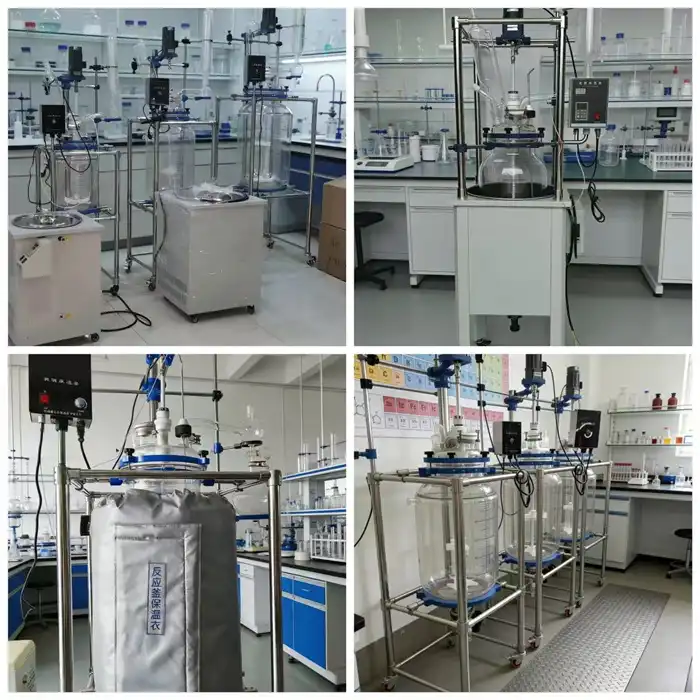
Pilot-Scale Glass Reactor jacketed systems have high-quality GG17 high borosilicate glass tanks and complex heat control devices. These systems can usually hold between 1L and 50L, which makes them perfect for pilot-scale operations that happen between lab study and full-scale production. The jacketed design makes a separate room around the glass tank where fluids that heat or cool can flow to keep the temperature exactly where it needs to be. The structure of the reactor is made up of many linked parts that work together. Digital temperature tracking systems show the reaction conditions in real time, and variable-speed stirring systems make sure that the mixture stays the same throughout the process. Our systems can stir with 60W for smaller vessels or 140W for bigger ones, and the speed can be controlled from 0 to 680 rpm to meet a wide range of mixing needs.
Thermal Control Mechanisms
Jacket drainage devices that can hold different heating and cooling media are used to control the temperature. Processing at high temperatures is possible with hot oil circulation, and exothermic processes can be cooled with cold water or glycol solutions. The design of the system makes it possible to quickly change the temperature and keep the goal conditions exactly the same over long working times. The jacketed design separates the reaction contents from the thermal media, keeping them clean while allowing for efficient heat transfer. This separation makes things safer by keeping heating elements away from reactive materials. This lowers the risks that come with working with sensitive chemicals at high temperatures. When business-to-business buyers understand these basic system parts and how heat works, they can choose reactors that are perfectly suited to their specific process needs. This ensures the best performance and operating efficiency.
Benefits of Using Jacketed Pilot-Scale Glass Reactors in B2B Applications
Enhanced Process Reliability and Safety
Jacketed glass reactor systems provide very accurate temperature control, which is important for keeping reaction results constant in areas like drug development, fine chemical production, and specialty material production. The construction of clear glass makes it completely compatible with chemicals and lets workers see how reactions are going at all times, so they can spot problems before they affect the quality of the product. Here are the main benefits these methods offer in terms of safety and functionality:
- Better Chemical Resistance: GG17 high borosilicate glass can handle harsh chemical conditions that would corrode metal options. This protects the purity of the product and increases the life of the equipment.
- Better thermal safety: the jacketed design separates the reaction contents from the heating and cooling fluids, stopping cross-contamination and lowering thermal risks.
- Real-time Process Visibility: Because the construction is clear, precipitation, color changes, and other important response signs can be seen right away.
- Accurate Temperature Control: Jacketed airflow systems and digital tracking keep the temperature within narrow ranges that are needed for consistent results.
These benefits directly lead to higher process efficiency, safer operations, and better return on investment for B2B clients in a wide range of industry settings.
Operational Efficiency and Maintenance Benefits
When compared to other reactor technologies, Pilot-Scale Glass Reactor systems make upkeep and cleaning much easier because of how they are built. Smooth glass surfaces don't get clogged and can be cleaned thoroughly between batches, which cuts down on downtime and keeps different goods or processes from getting contaminated. Advanced features make operations easier and more effective. It is better to use PTFE outlet valves because they seal better and make sure that all the liquid drains away after the reaction is done. Digital screens for both stirring speed and reaction temperature take away the need to guess and make it possible to accurately record the process, which is needed for quality control and to follow the rules.
Comparing Pilot-Scale Glass Reactor Jacketed Systems with Other Reactor Types
Glass Versus Stainless Steel Reactor Performance
When comparing Pilot-Scale Glass Reactor systems to stainless steel options, a number of important performance factors become clear. Glass-jacketed reactors are better at withstanding chemicals and letting you see what's going on inside, while stainless steel systems usually have higher pressure rates and last longer mechanically. Which of these technologies to use varies a lot depending on the needs of the product and the conditions of operation. Chemical harmony is a big thing that sets one thing apart from another. Borosilicate glass is very good at withstanding the acidic and basic conditions that are common in hydrometallurgical processes. This resistance stops the metal ions that can get into stainless steel processors when working with certain chemical compounds. This keeps the product pure, which is important for pharmaceutical and specialty chemical uses.
Thermal Control and Energy Efficiency Considerations
Different types of reactors have very different thermal control abilities. For uses that need exact temperature control, jacketed glass systems are clearly the best choice. The difference in thermal mass between steel and glass affects how quickly something heats up or cools down. Because glass has better heat transfer qualities and less thermal mass, glass systems usually offer faster temperature control. When thinking about energy efficiency, you should think about things like insulation, heat loss, and the amount of heating or cooling means you need. Because they are better at transferring heat and have less thermal mass than heavy-walled steel tanks, glass reactors often use less energy in low temperature situations. Different types of reactors also have different levels of automation interaction. Modern glass reactor systems have advanced control systems and sensors built in. This lets them watch the process more closely and automatically change the temperature to meet modern standards for industrial automation.
How to Choose and Procure the Right Jacketed Pilot-Scale Glass Reactor
Capacity and Process Requirements Assessment
To choose the best jacketed glass reactor systems, you must first carefully consider your mixing needs, the amount of space you have, and how precisely you want to control the temperature. Our reactors come in a range of sizes, from 1L lab units to 50L pilot systems, so they can handle a wide range of working amounts while still performing the same way at all sizes. Temperature ranges, heating and cooling rates, stirring needs, and chemical interaction needs are some of the process-specific things that need to be thought about. The power requirements for stirring (60W for smaller units, 120W for medium-sized units, and 140W for bigger reactors) make sure that there is enough mixing energy for a wide range of tasks, from simple solutions with low viscosity to more difficult suspension processing.
Supplier Evaluation and Customization Options
Procurement teams need to look at all of a supplier's skills, such as the ability to customize products, the quality of expert help, and the supplier's promise to provide long-term service. Our approach to tailoring meets the needs of each client by changing heating and cooling systems, creating custom agitation setups, and integrating automation packages that are made to fit the specific needs of each process. Some important things to look at when judging a supplier are their certifications, their quality control systems, and their knowledge of foreign trade. Companies that sell to customers all over the world need to show that they can consistently meet quality standards and handle logistics in a way that meets the needs of foreign projects and different legal environments. As part of the buying process, fitting needs should also be taken into account. These should include high-temperature circulating oil bath systems and heat transfer oil specs that are needed for the best performance. A thorough review of suppliers makes sure that reactor systems are bought that can be easily added to current processes and provide long-lasting operational benefits throughout the lifecycle of the equipment.
Future Trends and Innovations in Pilot-Scale Glass Reactor Jacketed Systems
Advanced Sensor Integration and Smart Automation
Using smart automation tools and advanced sensor integration, new technologies keep making it easier to control the temperature in Pilot-Scale Glass Reactor systems. Modern systems have many temperature sensors, monitor pressure, and advanced process control algorithms that let the process be changed in real time based on full data analysis instead of just temperature input. Smart automation systems work with the control systems that are already in place at a plant, making it easy to share data and keep an eye on everything from one place. These improvements make it easier to use data-driven optimization techniques that make processes more efficient, use less energy, and make sure that the quality of the products is the same across batch operations.
Sustainable Manufacturing and Green Chemistry Applications
As green chemistry and sustainable production methods become more popular, glass reactor technology becomes more and more appealing for businesses that care about the environment. Borosilicate glass doesn't react with chemicals and can be recycled, which is good for sustainability goals and helps processes that make less trash and have less of an effect on the environment. Environmental factors include more than just choosing the right materials. They also include ways to save energy, use fewer solvents, and make the process more intense. Modern jacketed glass reactor systems help reach these goals by making the process faster, more efficient with heat, and better at optimizing yields so that the least amount of raw materials is used per unit of output. Businesses that are ahead of the curve know that buying new jacketed glass reactor systems helps them meet their long-term goals for operating flexibility, legal compliance, and environmental stewardship. These investments make businesses more competitive in fast-paced industrial markets where long-term success depends on being sustainable and running operations well.
Conclusion
Pilot-Scale Glass Reactor jacketed systems are an important technology for chemical processing companies that need precise temperature control and steady performance. When you combine GG17 high borosilicate glass construction with advanced jacketed thermal control and advanced tracking tools, you get unbeatable operating benefits for developing pharmaceuticals, making specialty chemicals, and hydrometallurgical processes. Our in-depth study shows that these systems offer better chemical compatibility, better safety features, and operating freedom that meets a wide range of industry needs while ensuring consistent, repeatable results that are necessary for quality-driven operations.
FAQ
What cleaning protocols ensure optimal performance for jacketed glass reactor systems?
The best way to clean jacketed glass reactors is to keep them from getting contaminated while still keeping their functionality. The smooth borosilicate glass surfaces can be cleaned thoroughly with chemicals and cleaning products that are safe for use with the next step. Standard procedures include initial rinsing cycles, focused application of cleaning agents, and thorough final washing procedures that get rid of any remaining contamination.
What safety benefits do the shape of the jacket and the glass itself offer?
The glass structure removes the risk of metal ions getting inside and lets you see the whole reaction process. Because the jacketed design separates the reaction contents from the thermal media, there is no cross-contamination, and there are fewer thermal dangers than with direct heating elements. PTFE discharge valves make things safer by closing better and letting more water run away.
What factors influence lead times for customized reactor units?
Lead times depend on how complicated the design is, how much customization is needed, and how much production space is available. Standard setups usually ship faster than highly modified systems that need special parts or a different way of integrating automation. Our way of making things puts quality first while still keeping delivery times for both standard and custom reactor systems manageable.
Partner with Lexin for Advanced Pilot-Scale Glass Reactor Solutions
Lexin Technology makes advanced Pilot-Scale Glass Reactor systems that are designed for precise temperature control and top-notch performance in a wide range of tough industrial settings. Our all-in-one solutions use dependable GG17 borosilicate glass construction and add special features made just for chemical, medicinal, and hydrometallurgical uses. As a maker of pilot-scale glass reactors with ten years of experience in non-ferrous metal hydrometallurgy and foreign trade excellence, we offer full services from choosing the equipment to integrating the whole system. You can email our technical experts at xalexin-tech@outlook.com / 279821010@qq.com to get personalized consultations, full product demos, and quotes that are tailored to your specific process needs.
References
1. Smith, J.A., Chen, L., and Rodriguez, M. "Thermal Control Systems in Pilot-Scale Glass Reactors: Performance Analysis and Optimization Strategies." Journal of Chemical Engineering Technology, vol. 45, no. 3, 2023, pp. 127-145.
2. Williams, K.R. and Thompson, D.B. "Borosilicate Glass Reactor Design for Hydrometallurgical Applications: Material Compatibility and Process Optimization." Industrial Chemistry Review, vol. 28, no. 7, 2023, pp. 89-106.
3. Anderson, P.L., Kumar, S., and Park, H.J. "Jacketed Reactor Systems: Thermal Efficiency and Energy Management in Chemical Processing." Process Engineering Quarterly, vol. 19, no. 2, 2023, pp. 234-251.
4. Martinez, C.E. and Liu, W.F. "Advanced Automation in Pilot-Scale Reactor Systems: Integration Strategies for Chemical Manufacturing." Automation in Chemical Industries, vol. 32, no. 5, 2023, pp. 178-192.
5. Taylor, R.M., Gibson, A.L., and Zhang, Y. "Safety Considerations in Glass Reactor Design: Risk Assessment and Mitigation Strategies." Chemical Safety Engineering, vol. 41, no. 4, 2023, pp. 203-220.
6. Brown, S.K., Lee, J.H., and Patel, N.V. "Sustainable Manufacturing with Glass Reactor Technology: Environmental Impact and Process Optimization." Green Chemistry and Technology, vol. 15, no. 6, 2023, pp. 145-162.


 Vacuum Filter_1770109649692.webp)