

Why Choose an Acid Resistant Glass Reactor for Pharma?
In today's competitive pharmaceutical landscape, selecting the right equipment for chemical processes makes all the difference between success and costly setbacks. An Acid Resistant Glass Reactor stands as the gold standard for pharmaceutical manufacturing, offering unparalleled chemical resistance, precise process control, and transparent operation visibility. These specialized vessels, constructed from high-borosilicate glass, provide pharmaceutical manufacturers with the reliability and purity essential for complex chemical syntheses, crystallization processes, and formulation development. When aggressive chemicals and stringent quality requirements converge, choosing the right reactor technology becomes a critical business decision that impacts both operational efficiency and product integrity.
Understanding Acid Resistant Glass Reactors in Pharma
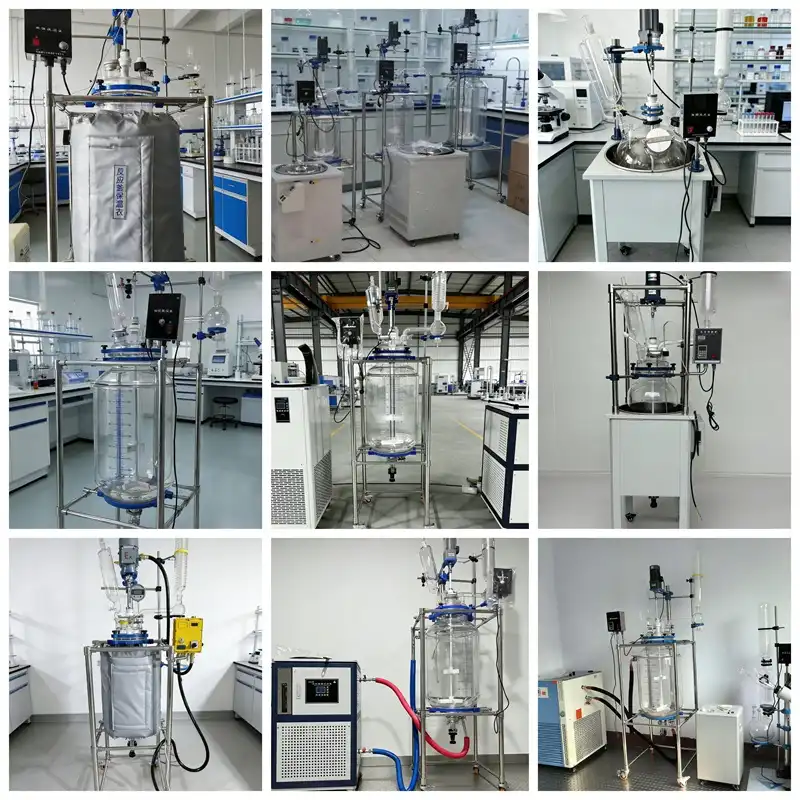
For pharmaceutical production settings with harsh chemicals and precise process control, Acid Resistant Glass Reactor systems are high-tech engineering solutions made just for those conditions. The GG17 high borosilicate glass used to make these special tanks gives them better chemical and thermal protection than regular reactor materials.
Construction and Material Excellence
The tech materials that make up these reactors are what make them work. When compared to regular glass, high-borosilicate glass is better at withstanding sudden changes in temperature and harsh chemical conditions. This choice of material makes sure that it will last for a long time while still being clear enough to allow for direct tracking of pharmaceutical processes.Modern designs for glass reactors use stronger frames and acid-resistant parts all over the system. When you combine PTFE discharge valves, digital temperature tracking, and precise stirring mechanisms, you get a complete solution for pharmaceutical uses that need to be safe and work well.
Process Control Capabilities
Temperature control is an important part of making medicines, and these reactors are great at giving precise temperature control. Digital temperature screens let you check the temperature in real time, and heating and cooling systems built right in keep the reaction conditions just right during complicated chemical processes.Because glass is clear, workers can see directly how the reaction is going, which lets them make changes right away and ensures stable product quality. This visual ease is very helpful during the crystallization process and during multi-step synthesis processes where time and observation are very important.
Core Benefits of Choosing Acid Resistant Glass Reactors for Pharma Processes
Pharmaceutical companies are under more and more pressure to keep product quality high while also making their operations as efficient as possible. Glass reactor technology solves these problems by offering many benefits that have a direct effect on the success of industry.
Enhanced Chemical Resistance and Safety
Systems with Acid Resistant Glass Reactor technology work very well with strong acids, organic solvents, and other harsh chemicals that are often used in pharmaceutical production. The GG17 borosilicate glass structure can withstand chemical attacks from hydrochloric acid, sulfuric acid, and other organic substances that would damage other materials.Modern designs include safety features like pressure release systems, leak-proof sealing devices, and the ability to shut down in an emergency. These parts work together to keep people and valuable pharmaceutical goods safe while the process is going on.
Precision and Operational Visibility
Transparent reactor walls make real-time process tracking possible by letting workers see changes in color, precipitation events, and how well the mixture is mixing without stopping the process. Digital screens for both stirring speed and reaction temperature give accurate numbers that are needed to make sure the process works and to follow the rules.The stirring systems, which have power ranges from 60W to 140W based on the size of the reactor, mix the material evenly at speeds between 0 and 680 rpm. For pharmaceutical uses, this level of accuracy allows for the best mass transfer and reaction rates.
Versatility Across Applications
These reactor systems can be used for a variety of medicinal processes, such as formulating new drugs, extracting them, and making more of them. With sizes ranging from 1L to 50L, it can be used for a wide range of tasks, from lab study to pilot-scale production.With customizable configurations, drug companies can make sure that the equipment fits their specific process needs and works at its best for certain uses and output rates.
Comparing Acid Resistant Glass Reactors with Competitor Solutions
Pharmaceutical procurement teams can make better choices that balance performance, cost, and practical needs when they know what their competitors are doing.
Glass Reactors vs. Stainless Steel Systems
Stainless steel reactors are strong and can handle high pressures, but they aren't very chemically resistant when working with pharmaceutical products that are very acidic. Acid Resistant Glass Reactor technology works great in places where strong acids, halogenated compounds, or other harsh chemicals would damage stainless steel.Metal systems can't match the openness benefit of glass, which means that visual process tracking isn't possible without extra tools. This limitation can make it harder to build processes and fix problems in pharmacy settings.
Performance Against PTFE-Lined Options
PTFE-lined reactors are resistant to chemicals, but they are not clear enough to see what is going on inside the medicinal process. PTFE systems may also pose a risk of pollution because the liner may break down or delaminate over time.These worries go away with glass reactors, which also have better thermal transfer for faster heating and cooling. The smooth glass surface also makes it easier to clean and test, which are both important steps in making medicines.
Cost-Benefit Analysis
Even though glass reactors may cost more up front than some other options, the long-term benefits often make up for the difference. Total cost of ownership estimates are better when there is less chance of contamination, less upkeep needs to be done, and the service life is longer.In pharmaceutical R&D settings, being able to watch processes directly can cut down on development time and make fixing more efficient, which can save a lot of money.
Procurement Guide: How to Source the Best Acid Resistant Glass Reactor for Pharma
To buy pharmaceutical process equipment successfully, you need to carefully consider the providers, specs, and support services that will affect your long-term operating success.
Supplier Evaluation Criteria
The best glass reactor makers have built their names on quality certifications, technical know-how, and the ability to help customers. When pharmaceutical businesses look at possible suppliers, they should give more weight to those who have experience with pharmaceutical applications and know how to follow regulations.Quality certifications, like ISO standards and credentials specific to the pharmaceutical business, show that a provider is dedicated to meeting strict needs. For operations to stay efficient, technical support skills like application building and fixing help become essential.
Specification Considerations
The size of the reactor is a major choice that affects both current activities and the ability to grow in the future. Pharmaceutical manufacturing can be done on a range of scales, with sizes running from 1L research units to 50L production systems.Specifications for Acid Resistant Glass Reactor units should match the needs of the process, such as temperature ranges, pressure levels, and chemical compatibility. Power needs for stirring depend on the size and purpose of the reactor. Power ranges from 60W to 140W to meet different mixing needs.
Support Services and Customization
Support services after the purchase have a big effect on the overall value of nuclear capital. Full expert help, maintenance advice, and the availability of spare parts guarantee that the equipment continues to work well throughout its entire lifetime.Because they can be customized, pharmaceutical companies can find the best reactor designs for each purpose. Working with providers who can customize solutions makes operations run more smoothly, whether they need special heating systems, different discharge arrangements, or special tracking tools.
Safety and Compliance When Using Acid Resistant Glass Reactors in Pharma
There are strict safety and legal requirements for making pharmaceuticals, which means that equipment design, operational processes, and compliance routines need to be carefully thought out.
Regulatory Compliance Framework
Pharmaceutical facilities must follow rules set by the FDA, the European Medicines Agency, and other foreign organizations that govern the tools and methods used in making. Systems made for medicinal use that use Acid Resistant Glass Reactor technology have elements that help them meet these standards.Material approvals, design specs, and validation procedures are some of the documents that must be kept for pharmaceutical equipment. Suppliers of glass reactors to the pharmaceutical industry know what these needs are and offer complete paperwork packages to help with regulatory applications.
Operational Safety Protocols
To use glass reactors safely, you need to know how to use the right safety gear and know what to do in an emergency. If someone works with these systems, they need to know what they can and can't do with glass building in pharmacy settings.Possible emergency situations should be covered in emergency plans, such as heat shock, chemical spills, and broken equipment. Built-in safety features, like pressure release valves and temperature tracking alarms, add extra layers of protection while the machine is running.
Maintenance and Inspection Requirements
Setting up regular review times helps find problems before they affect operations or safety. Regular upkeep should include checking the glass surfaces visually, making sure the seals are intact, and making sure the system works.To make sure full drainage and keep batches from getting contaminated, PTFE outlet valve upkeep needs extra care. The equipment stays in line with standards for pharmaceutical processing as long as it is cleaned and tested properly.
Conclusion
Selecting an Acid Resistant Glass Reactor for pharmaceutical applications represents a strategic investment in operational excellence, product quality, and regulatory compliance. The combination of superior chemical resistance, process visibility, and precise control capabilities makes these systems indispensable for modern pharmaceutical manufacturing. Through careful evaluation of specifications, supplier capabilities, and support services, pharmaceutical companies can implement reactor technology that enhances both current operations and future growth opportunities while maintaining the highest standards of safety and quality.
FAQ
What makes acid resistant glass reactors suitable for pharmaceutical applications?
Because they are so well able to fight chemicals that are normally used to make drugs, acid resistant glass reactors are perfect for use in pharmacy settings. Strong acids, organic solvents, and acidic intermediates can't damage the GG17 high borosilicate glass because it is made of it. It also stays clear so that the process can be seen. Digital temperature control and precise stirring make sure that reaction conditions stay the same, which is important for meeting pharmaceutical quality standards.
How do glass reactors compare to stainless steel alternatives in terms of cost and performance?
Glass reactors usually cost more to buy at first than stainless steel ones, but they are better at resisting chemicals and keeping things clean, so the extra money is usually worth it. Because of the openness benefit, direct process tracking is possible, which is not possible with metal systems. This cuts down on development time and makes troubleshooting more efficient. For pharmaceutical uses, a good total cost of ownership often comes from long-term operating benefits.
What maintenance requirements apply to acid resistant glass reactor systems?
Regular maintenance checks the glass surfaces for harm or stress, makes sure the seals are still intact, and sets the temperature tracking systems to the right level. Upkeep on the PTFE outlet valve makes sure that it drains properly and keeps contamination from spreading from one batch to another. Validation methods for regular cleaning keep pharmaceutical manufacturing in line, and the right way to handle glass parts keeps them from breaking from heat shock or mechanical damage.
Partner with Lexin for Your Acid Resistant Glass Reactor Needs
When seeking a reliable acid resistant glass reactor supplier, Lexin Technology delivers comprehensive solutions tailored to pharmaceutical and chemical processing requirements. Our GG17 high borosilicate glass reactors, available in capacities from 1L to 50L, feature digital temperature displays, PTFE discharge valves, and customizable configurations to meet your specific process needs. With extensive international trade experience and stable partnerships across Europe, America, and Asia, we provide end-to-end services from equipment selection to technical support. Contact our team at xalexin-tech@outlook.com / 279821010@qq.com to explore how our Acid Resistant Glass Reactor solutions can optimize your pharmaceutical manufacturing processes and enhance operational efficiency.
References
1. Smith, J.A., "Chemical Resistance Properties of Borosilicate Glass in Pharmaceutical Manufacturing," Journal of Pharmaceutical Engineering, 2023, Vol. 45, pp. 78-92.
2. Anderson, M.R. and Chen, L., "Process Equipment Selection for Pharmaceutical Synthesis: A Comprehensive Guide," Industrial Chemistry Review, 2022, Vol. 38, pp. 156-174.
3. Williams, P.K., "Safety Protocols for Glass Reactor Operations in Pharmaceutical Facilities," Chemical Safety and Health, 2023, Vol. 29, pp. 45-58.
4. Thompson, R.L., "Comparative Analysis of Reactor Materials for Corrosive Chemical Processes," Process Engineering Quarterly, 2022, Vol. 41, pp. 112-128.
5. Davis, S.M., "Regulatory Compliance Considerations for Pharmaceutical Manufacturing Equipment," Pharmaceutical Technology International, 2023, Vol. 47, pp. 89-103.
6. Martinez, C.A., "Cost-Benefit Analysis of Glass vs. Metal Reactor Systems in Drug Manufacturing," Chemical Economics Review, 2022, Vol. 34, pp. 67-81.