

Reliable Cartridge Precision Filters for Food & Pharma Filtration
At the highest levels of cleanliness and safety, the cartridge precision filter must be maintained at all times when making food and medicines. Cartridge precision filter systems are the most important way for these important businesses to keep their goods clean and in line with strict government rules, all while protecting consumer health. With great reliability, these specialized filter systems get rid of harmful particles, bacteria, and other contaminants from process streams. When procurement pros know what precision filters can do and how they can be used, they can make choices that protect product quality, improve business efficiency, and stay in line with FDA and other regulatory standards.
Understanding Cartridge Precision Filters: Functionality and Benefits
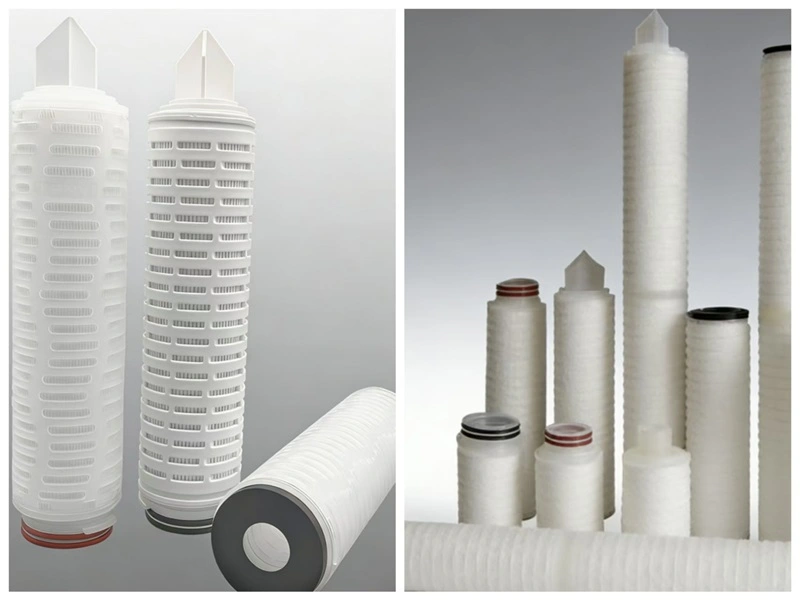
Cartridge precision filters work with a complex system that traps impurities in filter elements that can be replaced and are made for specific particle sizes. The filtration process uses several ways to get rid of the particles, such as depth filtration, surface retention, and adsorption, which depend on the material and design of the filter that is chosen.
Core Operating Principles and Design Features
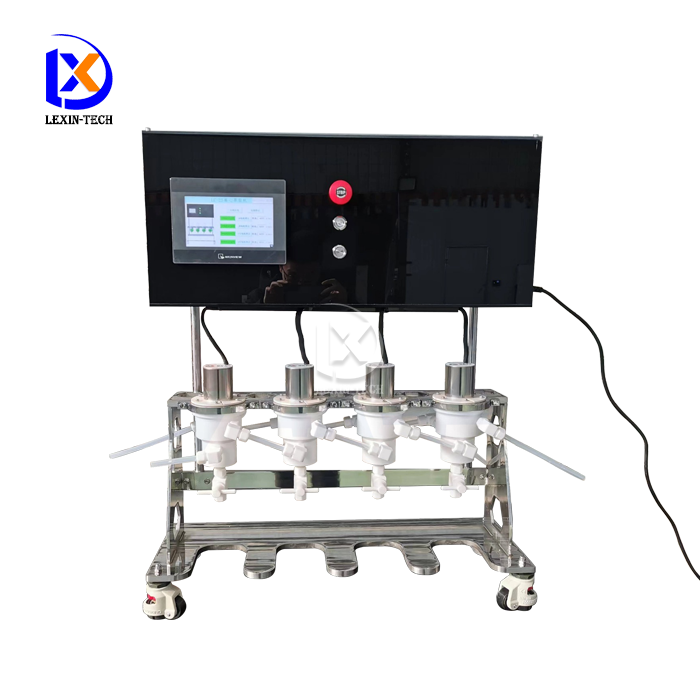
Modern cartridge precision filter systems are small and light, which makes placement more flexible while still providing excellent performance. Multiple types of cartridges can fit in the filter housings, and each unit can hold anywhere from one to one hundred filter cartridges, depending on the real processing needs. This ability to be expanded or contracted makes sure that the flow rates and filters work well for a wide range of production amounts. The big filter area that comes with cartridge designs makes them very good at holding dirt and keeping low clog rates over long service cycles. Polyamide (PA), Polytetrafluoroethylene (PTFE), and polypropylene (PP) are some of the most advanced membrane materials. Each of these has its own benefits for different uses. Activated carbon filters are great at getting rid of chlorine and organic compounds. Fiberglass and titanium choices are better for tough process conditions.
Material Construction and Performance Advantages
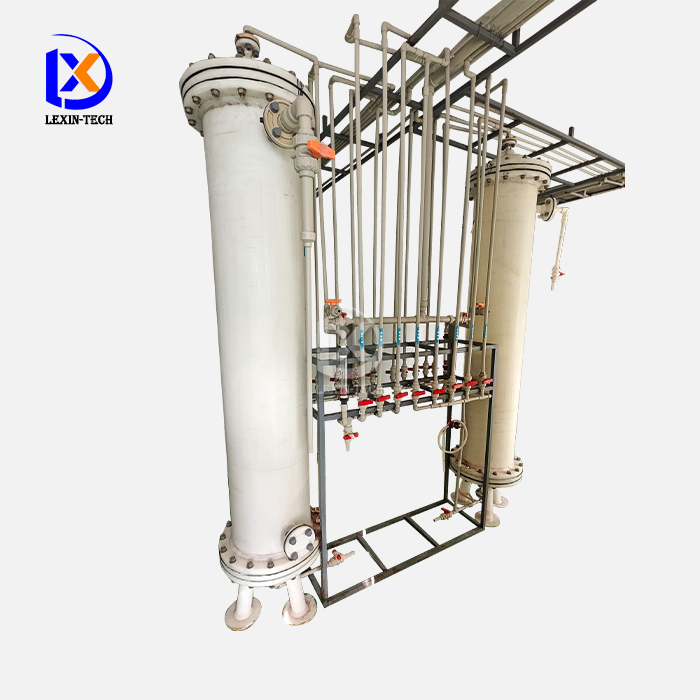
Premium metals like SUS 304, SUS 316L, and SUS 2205 stainless steel are used to build equipment. PTFE coats can be added to the inside for better chemical protection. Alternatives to plastic include polypropylene (PP) and reinforced polypropylene (PPH) materials that work well with chemicals and are inexpensive for some uses. Using cartridge filtration devices in food and drug production has many perks besides just getting rid of contamination. A better filter makes sure that the quality of the product stays the same and lowers the risk of contamination that could ruin whole production runs. The quick-change cartridge design lets the filter be replaced quickly without having to shut down the system. This cuts down on downtime. It is a cost-effective cartridge precision filter that makes use of filters and makes upkeep tasks easier, which lowers the amount of work that needs to be done and makes operations simpler.
How to Select the Right Cartridge Precision Filter for Your Needs
To choose the right filtration option, you need to carefully look at important practical factors that have a direct effect on how well and reliably the system works. To get the desired cleaning efficiency, procurement teams must look at micron ratings that range from 0.1 to 100µm and make sure that the particle size distribution in feed liquids matches the micron ratings.
Critical Selection Parameters and Design Specifications
The flow rate estimates tell us how many filter units we need for each unit. When designing, we have to think about things like the pressure drop and the highest pressures that the system can handle. Design pressure values of 0.2, 0.4, 0.6, and 1.0 MPa are available to meet a range of process needs while still ensuring safe operation within set limits. For uses that need to control the temperature, optional insulation layers are available. When choosing cartridge materials for different cartridge precision filter process lines, chemical protection testing is very important. PTFE membranes are very good at working with a wide range of chemicals, and PVDF materials are very good at standing up to harsh solvents and cleaning agents that are often used in pharmaceutical manufacturing. Polyamide cartridges are stronger than other materials and are best for high-pressure uses that need strong filtering.
Comparing Alternative Filtration Technologies
When comparing cartridge precision filter systems to other options like bag filters and membrane filters, a few main benefits become clear. Cartridge filters are better at keeping particles in, and their performance stays the same over longer periods of time between servicing. The modular design lets you precisely match the capacity by changing the number of cartridges used, and the standard housing options make planning for purchases and servicing easier. Criteria for choosing materials must match the need for efficiency with the need to save money. Stainless steel housings are very long-lasting and don't react with chemicals, but they cost more at first. Polypropylene substitutes offer low-cost options for process lines that are compatible while still exhibiting excellent performance qualities. The decision framework should include estimates of the total cost of ownership, which should include how often filters need to be replaced, how much upkeep is needed, and how this affects operating efficiency.
Installation, Maintenance, and Troubleshooting of Cartridge Precision Filters
Installing a filtering system correctly is the first step to making sure it works well and lasts a long time. The first step in the installation process is a careful review and preparation of the housing to make sure that the closing surfaces are correct and that there are no possible sources of contamination.
Step-by-Step Installation Guidelines
The first step in the fitting process is to prepare the housing by cleaning and checking all of its sealed surfaces. When inserting a cartridge, it's important to make sure it's seated and oriented correctly to avoid skipping and get the best filter performance. To make sure there are no leaks, the methods for closing the housing must follow the manufacturer's pressure recommendations. If they are too tight, they could damage the sealing parts. As part of the system setup, leak tests and slow pressure applications are used to make sure the installation is solid. Flow rate testing makes sure the system works right and finds any problems that might happen before it goes into full production. Keeping track of the installation factors and initial performance readings gives you a starting point for planning future maintenance.
Maintenance Best Practices and Performance Optimization
The goal of routine upkeep is to keep the filtering system working well and extend the life of the cartridges. Regularly checking the difference in pressure lets you know when to load and change the cartridges, which stops the pressure from dropping too much and reduces the flow capacity. Fast filter speeds up the working time while still removing all contaminants completely. The steps for replacing a cartridge stress the importance of keeping things clean by using the right handling methods and installing them in a safe way. The leak-proof performance design makes upkeep easier while still making sure that the system works reliably between service times. Cleaning rules for house parts that can be used more than once keep the system clean and stop contamination between production batches.
Common Troubleshooting Solutions
Pressure drop problems are often a sign of premature cartridge fouling or bad-fitting methods. Systematic repair starts with checking the differential pressure. Next, the state of the cartridge and the soundness of the case are looked at visually. If the cartridge isn't seated correctly or the housing seal wears down, it can cause irregular flow rates that need to be fixed right away. Filter fouling patterns tell us a lot about the properties of the process stream and how well the equipment upstream is working. It means that there are a lot of contaminants in the system, which means that the cartridges need to be changed more often, or the cartridge precision filter in the treatment upstream needs to be changed. The gradual rise in pressure is a sign of a properly loaded cartridge, and the time to change it is set by the difference in pressure limits.
Comparing Cartridge Precision Filters: Efficiency, Price, and Performance
Comparing performance based on a number of objective factors that have a direct effect on operating success and the ability to make money is necessary for evaluation. When measuring filtration performance, both how well particles are removed and how much dirt the filter can hold are taken into account.
Performance Metrics and Efficiency Analysis
The accuracy of the micron rating decides how precise the particle size cutoff is, and absolute ratings ensure retention for important uses. Standard and high-flow cartridge designs have very different flow capacities. High-flow options have higher output while keeping filtration performance. The effectiveness of a cartridge precision filter varies a lot depending on the choice of material and the working conditions. Beta ratios measure how well particles are retained across a range of sizes, which lets you compare the performance of different cartridges with great accuracy. Measuring the dirt-holding capacity lets you know how long the service should last under certain working conditions, which helps you plan your replacement schedule and supplies accurately. During the filter's working life, the features of the pressure drop affect how much energy the system uses and how much it costs to run.
Economic Analysis and Procurement Advantages
Cost analysis looks at how the Cr's original price of cartridges, how often they need to be replaced, and how efficiently they are used all affect the overall system's costs. Some of the benefits of buying in bulk are lower unit costs, better inventory control, and better relationships with suppliers. Lead time optimization through smart buying makes sure that production can go on all the time while keeping stocking costs as low as possible. Changes in the cost of materials are caused by changes in how well they work and the needs of the application. Although premium membrane materials are more expensive, they work better and last longer, which may be enough to explain the extra cost. There are standard polypropylene choices that are cost-effective for less demanding uses and still do a good job of filtering.
Industry Feedback and Performance Validation
Customer reviews always stress how important it is for suppliers to offer expert help and the ability to customize products. Feedback from the industry stresses how important it is to build filtration systems that take all operational factors into account, rather than just focusing on the performance of each part. Building long-term partnerships with dependable suppliers is important for making sure that products are always available and that expert help is easy to get. Performance proof through independent testing gives manufacturers a way to back up their claims objectively and lets buyers make confident buying decisions. Industry licenses and government approvals show that a company meets the standards for making food and medicines, and they also make it easier for end users to get qualified.
Future Trends and Innovations in Cartridge Precision Filters for Food & Pharma
Material science advances and smart system integration are two ways that technological progress is changing the way filters work. New membrane technologies offer higher efficiency, longer service life, and less damage to the environment by using eco-friendly materials.
Advanced Material Technologies and Design Innovations
Nanofiber membrane research lets smaller particles stay in place while keeping high flow rates and low pressure drop. These new materials are better at keeping dirt away and last longer between services, which lowers the cost of operations and upkeep. Concerns about the environment are taken into account in sustainable compound integration, which keeps performance standards needed for important uses. When smart tracking is added to standard filtration systems, they become smart process tools that can improve performance in real time. IoT-enabled sensors keep an eye on pressure differences, flow rates, and the state of the cartridges so that maintenance can be planned ahead of time and system problems don't happen out of the blue. The ability to analyze cartridge precision filter data helps find ways to improve things and find optimization possibilities.
Regulatory Evolution and Compliance Requirements
More strict rules from regulators are pushing people to come up with new ways to build filters and test them. Advanced testing procedures make sure that all aspects of performance are checked, and they also speed up the regulatory clearance process. Better quality control and traceability tools are needed all along the supply chain because of stricter paperwork rules. Environmental compliance affects the choice of materials and how they are disposed of, which leads to the creation of reusable and organic filter media. Through cartridge recycling programs and less packing trash, sustainability projects support the ideas of a circular economy. Improving energy efficiency lowers running costs and helps companies meet their environmental duty goals.
Conclusion
Cartridge precision filter systems represent essential technology for maintaining product safety and regulatory compliance in food and pharmaceutical manufacturing. The combination of advanced membrane materials, robust construction, and intelligent design features delivers reliable contamination removal while optimizing operational efficiency. Careful selection, considering micron ratings, chemical compatibility, and flow requirements, ensures optimal performance for specific applications. Investment in quality filtration systems provides long-term benefits through reduced contamination risks, improved product quality, and enhanced operational reliability that supports sustainable business growth.
FAQ
1. What factors determine cartridge replacement intervals for food and pharmaceutical applications?
When to replace the cartridge depends on the difference in pressure limits, which are usually between 15 and 25 PSI across the case. The features of the process stream, such as the amount of particles, chemicals, and temperature, have a big effect on the service life. Monitoring on a regular basis lets you find the best replacement plans while keeping filtering performance and product quality standards stable.
2. Which cartridge materials provide optimal performance for sterile filtration requirements?
PTFE and PVDF films work better for sterile uses because they are resistant to chemicals and can be sterilized by steam. These materials can be sterilized over and over again without losing their structure or their ability to filter. Cartridge precision filter selection must take into account the needs of the sterilization method as well as the interaction with chemicals.
3. Can cartridge filters be customized for specific process requirements and flow rates?
Modern filter systems can be easily customized by changing the number of cartridges, the material of the case, and the membrane specifications. Design pressure choices ranging from 0.2 to 1.0 MPa allow for improvement based on the application, and optional insulation layers allow for temperature control. Custom setups make sure the best performance while also taking into account room and process needs.
Partner with Lexin for Superior Cartridge Precision Filter Solutions
Through our vast knowledge of hydrometallurgical equipment, Lexin Technology provides complete filtering solutions that are especially designed to meet the needs of the food and pharmaceutical production industries. Our engineering team has more than ten years of experience in the field and uses cutting-edge cartridge precision filter technology to make unique systems that work better than expected. We are experts at providing full services, from choosing the right tools to putting it all together, making sure that the process goes smoothly and the system works well.
Our dedication to high production standards and custom packing makes sure that every system meets all of your exact needs, and our ability to ship quickly keeps project delays to a minimum. As a reliable cartridge precision filter maker, we offer ongoing technical support throughout the entire project lifecycle. This helps improve performance and stay in line with changing regulatory requirements. Email our knowledgeable staff at xalexin-tech@outlook.com / 279821010@qq.com to talk about your filter needs and find out how Lexin can improve your production with tried-and-true solutions.
References
1. Smith, J.R., et al. "Advanced Membrane Technologies in Food and Pharmaceutical Filtration Systems." Journal of Industrial Filtration Technology, Vol. 45, 2023.
2. Chen, L. and Martinez, P. "Comparative Analysis of Cartridge Filter Performance in Sterile Manufacturing Environments." Pharmaceutical Engineering International, Issue 3, 2023.
3. Williams, K.A. "Regulatory Compliance and Validation Strategies for Precision Filtration Systems." Food Safety and Quality Management Review, Vol. 28, 2023.
4. Thompson, R.D., et al. "Economic Optimization of Industrial Cartridge Filtration Systems Through Predictive Maintenance." Process Engineering Economics Quarterly, Vol. 12, 2023.
5. Anderson, M.B. and Liu, S. "Emerging Trends in Nanofiber Membrane Technology for Critical Applications." Advanced Materials and Process Engineering, Vol. 67, 2023.
6. Rodriguez, A.J. "Best Practices for Installation and Maintenance of Precision Filtration Equipment in FDA-Regulated Facilities." Compliance and Validation Today, Issue 8, 2023.