

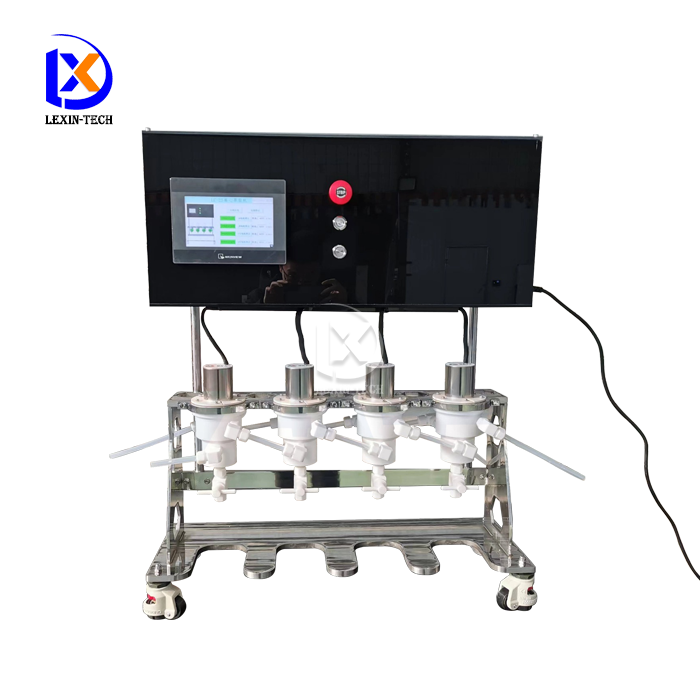
What's the Role of Vacuum in Evaporation Crystallization Equipment?
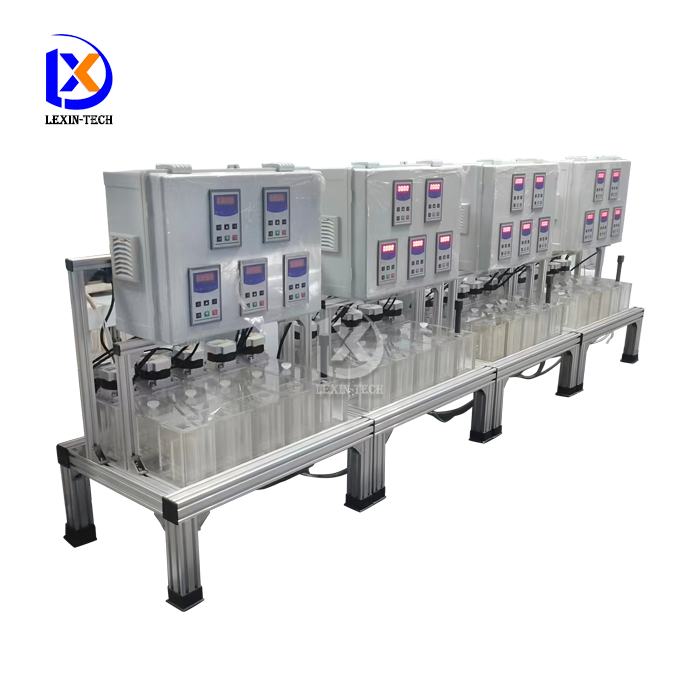
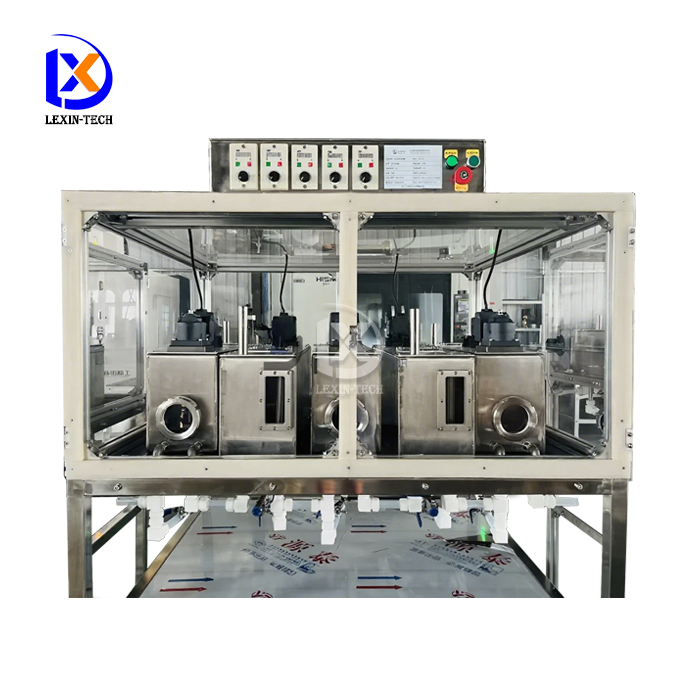
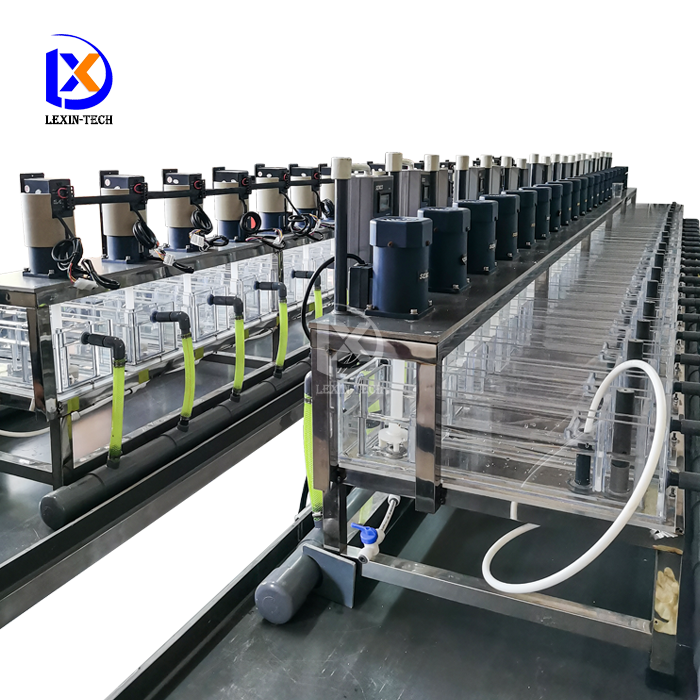
Evaporation crystallization equipment plays a crucial role in various industries, including chemical processing, pharmaceuticals, and food production. At the heart of this technology lies an often-overlooked component: the vacuum system. The role of vacuum in evaporation crystallization equipment is multifaceted and essential for efficient operation. By lowering the boiling point of liquids, vacuum conditions allow for crystallization to occur at lower temperatures, which is particularly beneficial for heat-sensitive materials. This process not only enhances energy efficiency but also improves product quality and yield. Furthermore, the vacuum environment facilitates the removal of dissolved gases, reducing the risk of oxidation and other unwanted chemical reactions. As we delve deeper into the intricacies of evaporation crystallization, we'll explore how vacuum technology contributes to the overall effectiveness and versatility of these systems, making them indispensable in modern industrial applications.


How Does Vacuum Enhance the Efficiency of Evaporation Crystallization Equipment?
Lower Operating Temperatures
Vacuum plays a pivotal role in enhancing the efficiency of evaporation crystallization equipment by enabling operation at lower temperatures. This is particularly advantageous when dealing with heat-sensitive materials or when energy conservation is a priority. In evaporation crystallization equipment, the vacuum system reduces the boiling point of the solution, allowing for evaporation and subsequent crystallization to occur at temperatures significantly below atmospheric conditions. This not only protects the integrity of thermally unstable compounds but also contributes to substantial energy savings. The reduced thermal stress on the equipment components also leads to extended operational life and decreased maintenance requirements, further improving the overall efficiency of the process.
Increased Evaporation Rates
The application of vacuum in evaporation crystallization equipment significantly boosts evaporation rates, a key factor in process efficiency. By lowering the pressure within the system, the vacuum creates a greater driving force for evaporation, allowing solvent molecules to transition more readily from liquid to vapor phase. This accelerated evaporation process in evaporation crystallization equipment translates to higher throughput and reduced processing times. The increased evaporation rate also contributes to more uniform crystal formation, as the rapid removal of solvent promotes consistent supersaturation levels throughout the solution. This uniformity is crucial for producing high-quality crystals with desired characteristics, making vacuum an indispensable component in precision crystallization processes.
Energy Conservation
Energy conservation is a significant benefit of incorporating vacuum technology in evaporation crystallization equipment. The reduced operating temperatures facilitated by vacuum conditions lead to substantial energy savings compared to atmospheric pressure operations. In evaporation crystallization equipment, the lower heat input required not only decreases direct energy consumption but also minimizes heat losses to the surrounding environment. This energy efficiency extends to auxiliary systems as well, such as cooling water circuits and condensers, which can operate at lower capacities. Moreover, the vacuum-assisted process often allows for the integration of heat recovery systems, further optimizing energy utilization. By improving energy efficiency, vacuum technology in evaporation crystallization equipment contributes to both cost reduction and environmental sustainability, making it an essential feature in modern industrial crystallization processes.
What Are the Key Components of a Vacuum System in Evaporation Crystallization Equipment?
Vacuum Pumps
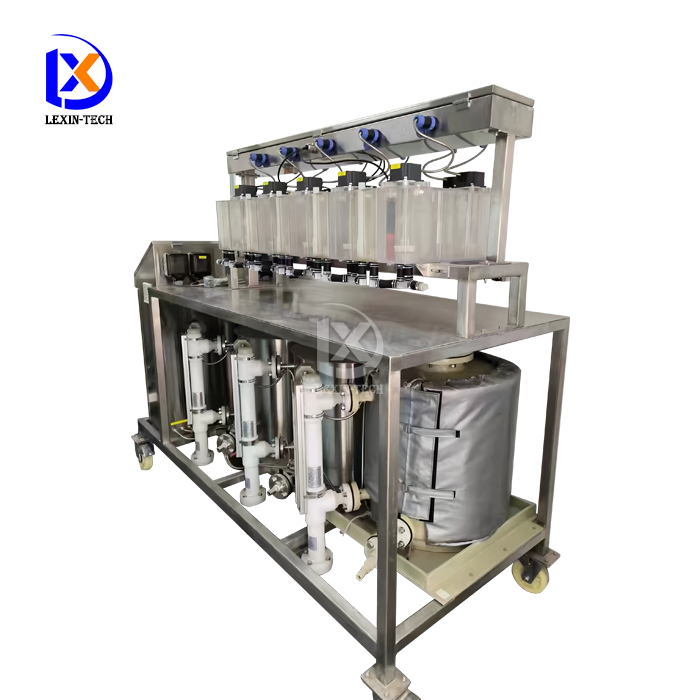
Vacuum pumps are the heart of the vacuum system in evaporation crystallization equipment, responsible for creating and maintaining the low-pressure environment essential for efficient operation. In these systems, water-ring vacuum pumps are commonly employed due to their reliability and ability to handle vapors and small amounts of liquid carryover. These pumps operate by creating a rotating ring of water that acts as a liquid seal, compressing and expelling gases from the evaporation chamber. The selection of the appropriate vacuum pump for evaporation crystallization equipment depends on factors such as the required vacuum level, the nature of the process fluids, and the overall system capacity. Proper sizing and integration of the vacuum pump are crucial to ensure optimal performance and energy efficiency in the crystallization process.
Condensers and Chillers
Condensers and chillers are integral components of the vacuum system in evaporation crystallization equipment, playing a vital role in vapor management and temperature control. The condenser, typically located after the evaporation chamber, serves to cool and condense the vapor produced during the crystallization process. This not only helps maintain the vacuum by preventing vapor from overwhelming the vacuum pump but also allows for the recovery of valuable solvents. Chillers, on the other hand, provide the cooling capacity necessary for efficient condenser operation. In advanced evaporation crystallization equipment, these components are often integrated into a closed-loop system, enhancing energy efficiency and reducing water consumption. The proper design and sizing of condensers and chillers are essential for maintaining stable vacuum conditions and ensuring the overall effectiveness of the crystallization process.
Circulation Water Tank
The circulation water tank is a crucial element in the vacuum system of evaporation crystallization equipment, particularly in standalone operations. This tank serves multiple functions, including providing a stable water supply for the water-ring vacuum pump, acting as a buffer for temperature fluctuations, and facilitating the removal of entrained gases and vapors from the process. In evaporation crystallization equipment, the circulation water tank is typically designed to allow for the separation of gases from the water, ensuring that only degassed water is recirculated to the vacuum pump. This not only improves the efficiency of the vacuum system but also extends the life of the pump by reducing the risk of cavitation. The size and design of the circulation water tank are carefully calculated based on the specific requirements of the evaporation crystallization process, ensuring optimal performance and reliability of the entire vacuum system.
How Does Vacuum Technology Impact Product Quality in Evaporation Crystallization Equipment?
Crystal Size and Morphology Control
Vacuum technology significantly influences crystal size and morphology in evaporation crystallization equipment, directly impacting product quality. By allowing precise control over the supersaturation levels and evaporation rates, vacuum conditions enable finer tuning of crystal nucleation and growth processes. In evaporation crystallization equipment utilizing vacuum technology, operators can manipulate the degree of supersaturation by adjusting the vacuum level, thereby influencing the number and size of crystals formed. This level of control is particularly valuable in industries where specific crystal characteristics are crucial, such as in pharmaceutical manufacturing or specialty chemical production. Furthermore, the lower operating temperatures associated with vacuum crystallization often result in more uniform crystal growth, leading to improved product consistency and purity.
Reduced Thermal Degradation
One of the key advantages of vacuum technology in evaporation crystallization equipment is the significant reduction in thermal degradation of heat-sensitive materials. By lowering the boiling point of solvents, vacuum conditions allow for crystallization to occur at temperatures much lower than those required at atmospheric pressure. This is particularly crucial for thermolabile compounds in pharmaceuticals, fine chemicals, and food industries. In evaporation crystallization equipment, the vacuum environment minimizes exposure to high temperatures, preserving the molecular integrity and efficacy of sensitive active ingredients. This results in higher product quality, reduced impurities, and improved yield of desired compounds. The ability to process heat-sensitive materials without degradation not only enhances product quality but also expands the range of substances that can be effectively crystallized using this technology.
Enhanced Purity Through Selective Evaporation
Vacuum technology in evaporation crystallization equipment offers enhanced purity through selective evaporation, a critical factor in many high-value product applications. The controlled low-pressure environment allows for the precise manipulation of vapor pressures, enabling the separation of components with similar boiling points that might be difficult to separate under atmospheric conditions. In evaporation crystallization equipment, this selective evaporation can be used to remove volatile impurities or solvents without affecting the desired crystalline product. The vacuum also facilitates the removal of dissolved gases, which can be sources of impurities or cause unwanted reactions. By providing this level of control over the evaporation and crystallization process, vacuum technology contributes significantly to achieving higher purity standards in the final product, meeting the stringent requirements of industries such as electronics, pharmaceuticals, and specialty chemicals.
Conclusion
The role of vacuum in evaporation crystallization equipment is undeniably crucial, offering a myriad of benefits that enhance process efficiency, product quality, and energy conservation. From enabling lower operating temperatures and increased evaporation rates to facilitating precise control over crystal characteristics and purity, vacuum technology has revolutionized crystallization processes across various industries. As we continue to push the boundaries of material science and chemical engineering, the integration of advanced vacuum systems in evaporation crystallization equipment will remain at the forefront of innovation, driving progress in fields ranging from pharmaceuticals to specialty chemicals and beyond.
For state-of-the-art evaporation crystallization equipment and expert consultation, look no further than Xi'an Lexin Technology Co., Ltd. Our experienced team specializes in hydrometallurgy and chemical industry applications, offering customized solutions tailored to your specific needs. With our commitment to innovation, quality, and customer satisfaction, we provide comprehensive support from initial design to after-sales service. To explore how our evaporation crystallization equipment can enhance your processes, contact us today at xalexin-tech@outlook.com for a personalized consultation and quote.
References
1. Smith, J.M., & Van Ness, H.C. (2018). Introduction to Chemical Engineering Thermodynamics. McGraw-Hill Education.
2. Mullin, J.W. (2001). Crystallization (4th ed.). Butterworth-Heinemann.
3. Myerson, A.S. (Ed.). (2002). Handbook of Industrial Crystallization (2nd ed.). Butterworth-Heinemann.
4. Mersmann, A. (2001). Crystallization Technology Handbook (2nd ed.). Marcel Dekker.
5. Jones, A.G. (2002). Crystallization Process Systems. Butterworth-Heinemann.
6. Tavare, N.S. (2013). Industrial Crystallization: Process Simulation Analysis and Design. Springer Science & Business Media.