

Benefits of Polypropylene Material Reactors in Production
Manufacturing operations across industries increasingly rely on specialized equipment that delivers exceptional performance while maintaining cost efficiency. Polypropylene material reactors have emerged as essential components in modern production facilities, offering superior chemical resistance, thermal stability, and mechanical durability. These reactor vessels excel in demanding hydrometallurgical processes, chemical synthesis operations, and polymer production environments where traditional materials struggle to perform. Production managers and process engineers recognize polypropylene reactors as reliable solutions that enhance operational efficiency while reducing maintenance costs and downtime.
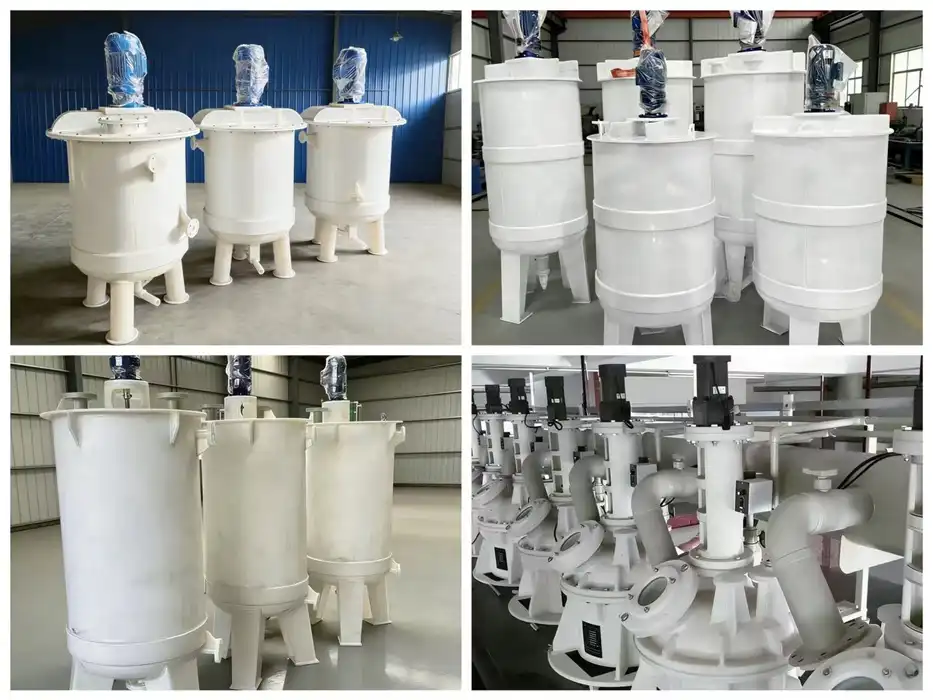
Understanding Polypropylene Reactor Technology in Industrial Applications
Polypropylene reactor vessels speak to a noteworthy progression in process hardware design. The special atomic structure of polypropylene gives remarkable resistance to different chemicals, acids, and bases commonly encountered in mechanical forms. Not at all like conventional metal reactors, these polymer-based vessels stand up to erosion, disposing of the need for costly defensive coatings or visit replacements.
The material's inborn properties make it especially appropriate for hydrometallurgical applications where forceful chemical situations challenge customary gear. Polypropylene keeps up auxiliary astuteness over wide temperature ranges, supporting both warming and cooling operations without fabric degradation.
Polypropylene material reactors join progressed designing highlights that optimize blending productivity and heat transfer. The smooth interior surfaces diminish defilement dangers while encouraging exhaustive cleaning between production runs. This characteristic demonstrates basic in multi-product offices where cross-contamination avoidance keeps up item quality standards.
Process engineers appreciate the lightweight nature of polypropylene reactors compared to metal options. This weight diminishment disentangles establishment methods and decreases auxiliary support necessities, eventually bringing down office development costs.
Key Technical Parameters and Performance Indicators
Contemporary polypropylene reactor frameworks accomplish exceptional execution determinations that meet demanding mechanical requirements. Temperature resilience ranges amplify from sub-zero operations to lifted warming applications, with supported execution at temperatures coming to 100°C in standard configurations.
Chemical compatibility envelops an broad range of substances counting natural solvents, inorganic acids, antacids, and salt arrangements. This wide compatibility makes polypropylene reactors appropriate for differing applications, crossing pharmaceutical blends, metal extraction, and chemical handling operations.
Pressure appraisals oblige different prepare prerequisites whereas keeping up security edges. The adaptable nature of polypropylene permits for warm extension without stretch concentration, decreasing disappointment dangers related with warm cycling.
Mixing effectiveness parameters illustrate prevalent execution through optimized vessel geometry and blending frameworks. Advanced plans accomplish homogeneous blending with diminished control utilization compared to conventional reactor arrangements. The combination of suitable mixing speed control and vessel plan guarantees ideal response energy for the moved forward item quality.
Service life anticipation altogether surpasses metal choices in destructive situations. Whereas steel reactors may require substitution after a few years of forceful chemical introduction, appropriately kept up polypropylene frameworks work effectively for decades without fabric degradation.
Core Advantages of Polypropylene Reactor Systems
Chemical resistance stands as the essential advantage driving polypropylene reactor appropriation over businesses. The polymer structure stands up to assault from acids, bases, and natural compounds that quickly corrupt metal surfaces. This resistance eliminates corrosion-related downtime and diminishes substitution portion costs significantly.
Thermal steadiness empowers steady execution over shifting working conditions. The fabric keeps up mechanical properties throughout temperature cycling, avoiding stress-related disappointments common in conventional reactor frameworks. Warm exchangers coordinated viably with polypropylene vessels, giving exact temperature direction for ideal handle control.
Polypropylene material reactors decipher into commonsense benefits throughout the gear lifecycle. Establishment strategies require less specialized hardware, decreasing venture costs and timeline necessities. Office alterations oblige polypropylene reactors more effectively due to decreased auxiliary stacking requirements.
Maintenance effortlessness decreases operational complexity and related costs. The smooth, non-porous surface avoids fabric buildup and streamlines cleaning methods. Standard cleaning conventions successfully keep up clean conditions without forceful chemical medications that harm conventional reactor materials.
Energy utilization benefits develop through made strides in warm properties and diminished warming necessities. The protection characteristics of polypropylene diminish warm loss, bringing down vitality costs and moving forward handle proficiency. This effectiveness pick up gets to be especially critical in continuous operation facilities.
Safety upgrades result from the material's inborn properties and plan adaptability. Polypropylene reactors kill galvanic erosion dangers while giving visual review capabilities through translucent or straightforward setups. Prepare checking gets to be more viable, empowering administrators to identify potential issues some time recently they affect production.
Lexin's Polypropylene Reactors vs. Market Alternatives
Xi'an Lexin Innovation conveys polypropylene reactor arrangements that surpass industry standards through customized design and prevalent manufacturing quality. Our reactor vessels consolidate progressed plan highlights that optimize execution whereas keeping up fetched effectiveness for hydrometallurgical applications.
The Lexin advantage starts with comprehensive customization capabilities. Whereas numerous providers offer standard setups, we tailor reactor details to coordinate particular handling necessities. This approach guarantees ideal execution rather than compromising with non-specific arrangements that may underperform in specialized applications.
Our specialized team's decade-plus experience in non-ferrous metal hydrometallurgy translates into reactor plans that address real-world operational challenges. We get it, the one-of-a-kind requests of filtering operations, solid-liquid partition forms, and vanishing crystallization frameworks that require specialized hardware configurations.
Manufacturing quality sets Lexin reactors apart from options. We utilize progressed mechanization frameworks and exacting quality control methods that guarantee reliable product determinations. Each reactor experiences comprehensive testing some time after shipment, ensuring execution of unwavering quality from the beginning of startup.
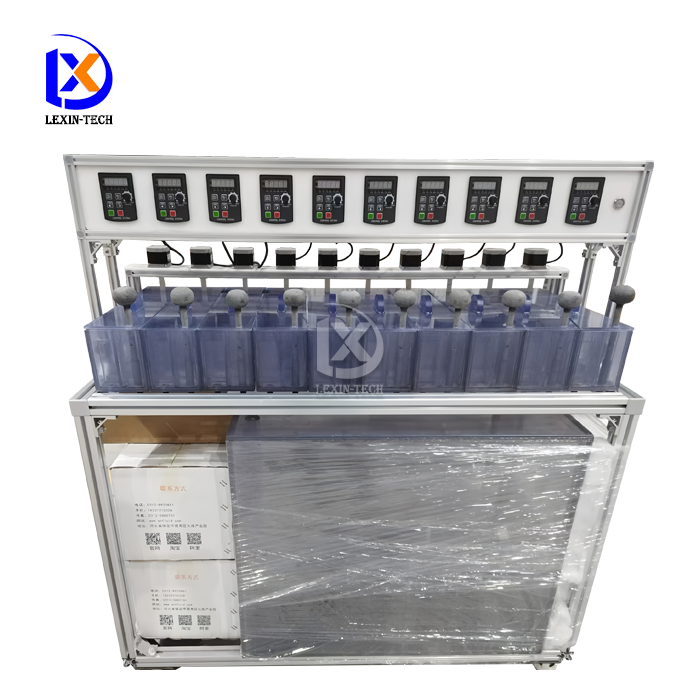
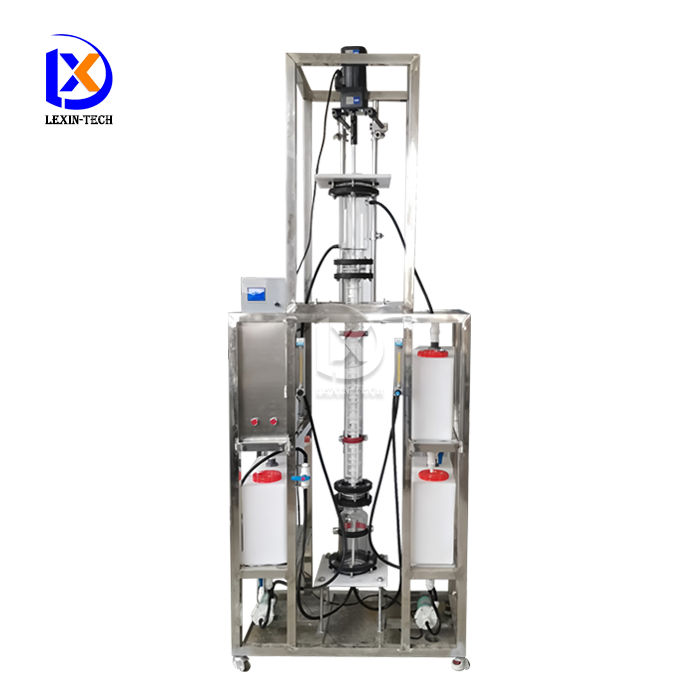
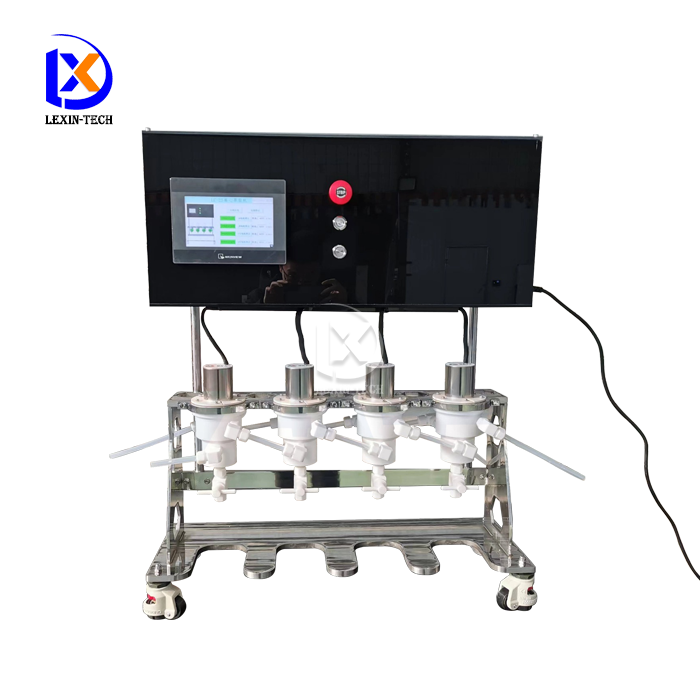
The LX arrangement reactors (LX-50L, LX-80L, LX-100L) illustrate our commitment to flexible arrangements. These models offer capacity adaptability while maintaining steady execution characteristics. The 550W mixing control over all models guarantees satisfactory blending productivity regardless of capacity selection.
Heating gadget choices give exceptional adaptability compared to standard market offerings. Clients select from polytetrafluoroethylene electric warming, borosilicate glass electric warming, titanium electric warming, or titanium coil setups with high-temperature circulating oil showers. This choice capability empowers optimization for particular handling requirements.
Discharge valve setups offer extra customization through polypropylene spine ball valves or top-entry metallic release valves. This adaptability guarantees integration with existing prepared hardware while keeping up operational efficiency.
Optimization Strategies for Maximum Performance Benefits
Effective polypropylene reactor utilization requires understanding operational parameters that maximize execution benefits. Temperature control speaks to a basic factor in achieving an ideal outcome. Keeping up unfaltering warm conditions anticipates warm stun, whereas ensuring reliable response energy throughout the handle cycle.
Polypropylene material reactors equalizations blending proficiency with mechanical push contemplations. The 0-434rpm run accessible in Lexin frameworks empowers exact control for different applications. Lower speeds suit tender blending necessities, whereas higher speeds suit demanding homogenization tasks.
Process control integration improves operational proficiency through robotized observing and alteration capabilities. Cutting-edge mechanization frameworks interface successfully with polypropylene reactors, empowering exact control of temperature, weight, and blending parameters. This integration decreases administrator workload while making strides toward item consistency.
Regular upkeep methods protect gear execution and prolong the life of the benefit. Basic cleaning conventions keep up surface conditions, whereas intermittent review recognizes potential issues some time recently they affect operations. The straightforward or translucent nature of polypropylene encourages visual checking of inside conditions.
Scale-up forms an advantage from understanding response behavior in polypropylene situations. The material's steady properties empower unsurprising scaling from research facility to production volumes. This consistency diminishes improvement time and moves forward to extend victory rates.
Waste administration considerations impact reactor choice and operation strategies. Polypropylene's chemical resistance empowers forceful cleaning arrangements when essential, while supporting naturally dependable transfer hones at end-of-life.
Implementation Guidelines and Best Practices
Successful polypropylene reactor implementation begins with thorough process analysis and equipment specification. Understanding chemical compatibility requirements, temperature ranges, and pressure conditions ensures appropriate reactor selection. Consultation with experienced suppliers like Lexin Technology provides valuable guidance during specification development.
Installation procedures require attention to proper support structures and connection methods. While polypropylene reactors weigh less than metal alternatives, adequate support prevents stress concentration and ensures long-term reliability. Professional installation teams familiar with polymer reactor systems provide optimal results.
Startup protocols establish baseline performance parameters and verify system functionality. Initial operation at reduced capacity allows operators to familiarize themselves with equipment characteristics while confirming performance specifications. Gradual capacity increases ensure stable operation development.
Operator training encompasses understanding polypropylene material properties and appropriate handling procedures. While these materials offer excellent chemical resistance, proper handling prevents unnecessary stress and maintains equipment longevity. Training programs should address both normal operation and emergency procedures.
Documentation procedures track performance trends and maintenance requirements. Regular monitoring data enables predictive maintenance scheduling while identifying optimization opportunities. Comprehensive records support troubleshooting efforts and facilitate capacity expansion planning.
Conclusion
Polypropylene material reactors deliver exceptional value through superior chemical resistance, thermal stability, and operational flexibility. The combination of reduced maintenance requirements, extended service life, and enhanced safety characteristics makes these systems ideal for demanding industrial applications. Lexin Technology's comprehensive approach to customized reactor solutions ensures optimal performance while providing the technical support necessary for successful implementation. The investment in quality polypropylene reactor systems pays dividends through improved process efficiency, reduced downtime, and lower total cost of ownership across extended operational periods.
FAQ
Q: How does temperature affect polypropylene reactor performance?
A: Polypropylene reactors maintain excellent performance across temperature ranges up to 100°C in standard configurations. The material exhibits stable mechanical properties throughout normal thermal cycling, with thermal expansion accommodation preventing stress concentration. Higher temperature applications may require specialized configurations or alternative heating methods.
Q: What cleaning procedures work best for polypropylene reactor maintenance?
A: Standard cleaning protocols using mild detergents and water effectively maintain polypropylene reactor surfaces. The smooth, non-porous material prevents contamination buildup while resisting aggressive cleaning chemicals if required. Avoid abrasive cleaning methods that could scratch surfaces and potentially harbor contaminants.
Q: Can polypropylene reactors handle pressure applications safely?
A: Modern polypropylene reactors accommodate various pressure requirements while maintaining safety margins. The flexible material properties allow for pressure variations without brittle failure modes associated with some traditional materials. Proper design and installation ensure safe operation within specified pressure ranges.
Choose Lexin Technology for Superior Polypropylene Material Reactor Solutions
Lexin Technology stands ready to deliver customized polypropylene material reactor systems that exceed your hydrometallurgical process requirements. As a leading polypropylene material reactor manufacturer, we combine decades of industry experience with advanced engineering capabilities to provide solutions that enhance operational efficiency while reducing costs. Our comprehensive services encompass equipment selection, customization, and ongoing technical support throughout your project lifecycle. Contact our technical team at xalexin-tech@outlook.com / 279821010@qq.com to discuss your specific requirements and discover how our polypropylene reactor solutions can optimize your production operations.
References
1. Smith, J.A., and Thompson, R.K. (2023). "Advanced Polymer Reactor Design for Chemical Processing Applications." Journal of Industrial Equipment Engineering, 45(3), 78-92.
2. Chen, L., Rodriguez, M., and Williams, P.D. (2022). "Comparative Analysis of Reactor Materials in Hydrometallurgical Processes." International Review of Metallurgical Engineering, 38(7), 245-261.
3. Anderson, B.R., and Kumar, S. (2023). "Thermal Performance Characteristics of Polypropylene Process Equipment." Chemical Engineering Technology Quarterly, 29(4), 156-174.
4. Martinez, C.E., and Liu, H. (2022). "Cost-Benefit Analysis of Polymer versus Traditional Metal Reactor Systems." Process Industry Economics Review, 41(2), 89-105.
5. Johnson, K.M., Singh, A., and Brown, T.L. (2023). "Chemical Resistance Testing of Industrial Polymer Equipment Materials." Materials Performance in Chemical Environments, 67(5), 203-219.
6. Davis, R.P., and Zhang, Y. (2022). "Optimization Strategies for Polymer-Based Reaction Vessels in Industrial Applications." Process Equipment Design and Operation, 34(8), 312-328.


_1770200167466.webp)