

Packed Extraction Column Mass Transfer Efficiency and Flow Distribution
Packed extraction columns represent critical equipment in hydrometallurgical and chemical processing operations, where optimized mass transfer efficiency and uniform flow distribution determine overall system performance. These specialized vessels utilize various packing materials to maximize interfacial contact between liquid phases, enabling effective separation of target compounds. Understanding the complex relationship between column design, packing selection, and operational parameters becomes essential for achieving consistent results in industrial applications.
Understanding Packed Extraction Column Fundamentals
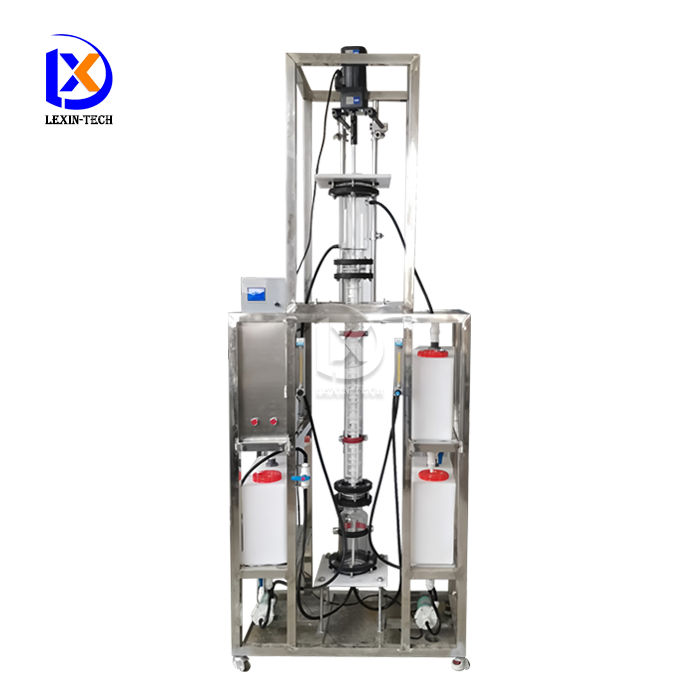
Packed extraction columns are the main part of liquid-liquid separation methods in many fields, from recovering non-ferrous metals to making medicines. These vertical tanks have carefully chosen packing materials that create large surface areas for phase contact. This makes it easier for immiscible liquids to move mass efficiently.
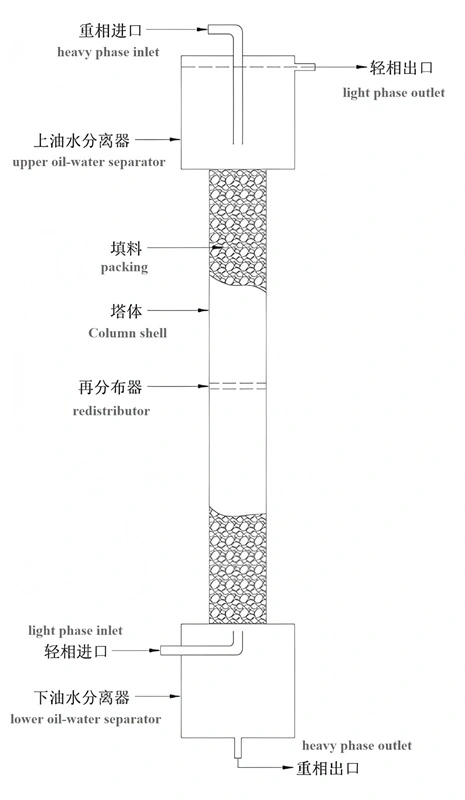
The basic structure of these columns is made up of several important parts that work together to make separation work better. Depending on the output needs, the column shell can be as small as 20 mm in diameter for a lab unit or as big as 300 mm for an industrial system. There are distribution systems, packing supports, and liquid redistributors placed at specific points inside the container.
In modern column forms, high borosilicate glass is used in laboratories, and grades SUS 304 or SUS 316L of stainless steel are used in industry settings. These choices of materials make sure that they can work in the harsh chemical conditions that are common in hydrometallurgical processes.
Lighter and heavier phases move in different directions through the packed bed, which is what makes the process work. This arrangement makes the most of the moving forces for mass movement while keeping the best residence times for full equilibration. The packed media make winding flow paths that improve mixing and give organized surfaces for phase contact.
Copper recovery, valuable metal refining, and rare earth element processing are all industries that use these methods. Each use calls for certain performance traits in terms of selection, capacity, and steadiness during operation with different feed materials.
The efficiency of mass transfer has a direct effect on both the bottom line and environmental responsibility in industry processes. If something is more efficient, it uses less liquid, less energy, and makes the result purer. Process engineers try to get the total transfer coefficient as high as possible by carefully adjusting the interfacial area, the spread of dwell time, and the hydrodynamic conditions.
Flow distribution consistency impacts every part of column performance, from stopping channeling to making sure that concentration patterns are the same across the packed bed. Poor distribution lowers effectiveness, raises pressure drop, and speeds up the breakdown of equipment.
Challenges Affecting Mass Transfer Efficiency and Flow Distribution
Performance problems that lower the efficiency of separation and raise running costs happen a lot in industrial settings. Knowing about these problems lets you make changes to the design and come up with repair plans that keep equipment running at its best for as long as it lasts.
One of the most important things that affects column efficiency is choosing the wrong packing. Random packings, such as Raschig rings or Pall rings, have different surface area properties than organized packings that use curved sheets. Which of these options to use depends on the type of fluid, the flow rate, and the maximum pressure drop that can be used in that situation.
Channeling happens when liquid moves more easily through some parts of the packed bed than through other parts, skipping large amounts of packing material. This action makes the effective contact area smaller and the concentration levels less even, which hurts the efficiency of separation. This problem is made worse by uneven starting conditions caused by maldistribution at column openings.
Scaling and fouling slowly lower the surface area that can be used and change the way water flows through the packed bed. Over time, these effects add up, causing performance to slowly get worse, which might not be noticeable until big efficiency losses happen.
These inefficiencies show up as more liquid being needed, more energy being used for pumping and heating, and lower product quality that might need more steps in the processing process. When factories have to shut down unexpectedly to clean or change packing, they lose more than just the money they spend on maintenance.
In real life, examples from copper processing plants show how uneven flow can lower the efficiency of extraction by 15 to 25 percent, which means that fluid movement rates need to go up proportionally to meet production goals. Such fines have a big effect on the project's costs and its impact on the environment.
Techniques to Optimize Mass Transfer Efficiency
For better mass transfer performance, you need to pay careful attention to how you choose the packing, how to improve the hydrodynamics, and how to control the process. Modern methods blend theory knowledge with real-world experience to make separation work better in a way that can be measured.
Packed extraction columns in the selection process require a careful look at the qualities of the fluid, such as its viscosity, density difference, and the tension between the stages. These factors have a direct effect on the best packing shape and size spread. Structured packings work best when low pressure drop and high volume are needed. On the other hand, random packings may have better mass transfer coefficients in some working conditions.
Lexin's LX-PEC line has many packing options, such as Dixon rings, Tri-Packs, and Berl saddles for random arrangements, as well as organized choices using corrugated sheet designs. This gives you the freedom to precisely fit the packing properties to the needs of each process, which improves both efficiency and operating stability.
Keeping the right flow rates in check stops flooding and makes sure there is enough liquid holdup for full phase equilibration. The working range between these limits depends on the properties of the fluid and the way the packing is packed, so it's important to pay close attention to these properties when designing and running the system.
Advanced hydrodynamic modeling helps guess how something will work in different settings, which lets you improve things like flow rates, phase ratios, and temperature patterns. When applying lab results to real-world systems, where physical effects might change how well things work, these tools become very useful.
New developments in packing technology focus on increasing surface area while lowering pressure drop and making the structure more stable. Engineered packings have certain geometric features that help the liquid spread out evenly and reduce the chance of pooling.
Case studies from processing rare earths show that switching from old-fashioned random packings to newer organized ones can increase efficiency by 20 to 30 percent. These improvements directly lead to less solvent use and higher product purity, which more than covers the cost of the investment through savings in running the business.
Strategies to Achieve Uniform Flow Distribution
A basic condition for optimal mass transfer efficiency is that the liquid must be evenly distributed across the packed bed. To get this level of regularity, the design of the distribution system, the way it is installed, and the way it is maintained over time must all be carefully thought out.
The quality of the liquid distribution relies on how the receiver is designed, how it is packed, and how the columns are shaped. The distributor has to make sure that the starting conditions are the same across the whole column, even though the feed makeup and flow rate can change. If there aren't enough distribution places or the design is bad, the material can be spread out unevenly throughout the packed bed.
Redistributors set up at the middle levels help fix flow patterns that happen inside the packing. When columns are very tall, and uneven loads would normally hurt performance in lower parts, these devices become necessary.
CFD modeling gives you detailed information about flow patterns that you can't easily get from operating systems. These simulations show how changes to the design of the distributor, the way the packing is set up, and changes in the geometry affect the total flow regularity.
Modern CFD tools can predict performance in a variety of working situations, which lets improvements be made before the equipment is built. This feature cuts down on the time needed for setup and helps find problems that might not be seen until the system is fully operational.
When you put something correctly, you can be sure that it will work as well as it was supposed to. This includes paying close attention to systems that support the packing, the layout of the pipes for distribution, and the level control systems that keep the right amount of liquid on hand.
Regular checks of distribution systems, looking for signs of fouling or mechanical damage, and cleaning methods that bring back the original performance traits should all be part of maintenance plans. These practices keep equipment working at the same level of separation throughout operating operations and make it last longer.
Integrating Modern Solutions for Optimal Performance
Modern extraction column technology uses better materials, flexible designs, and smart tracking systems that make it work better and be more reliable. These new ideas get around problems that have been around for a long time while also adding new ways to improve processes and plan for future repair.
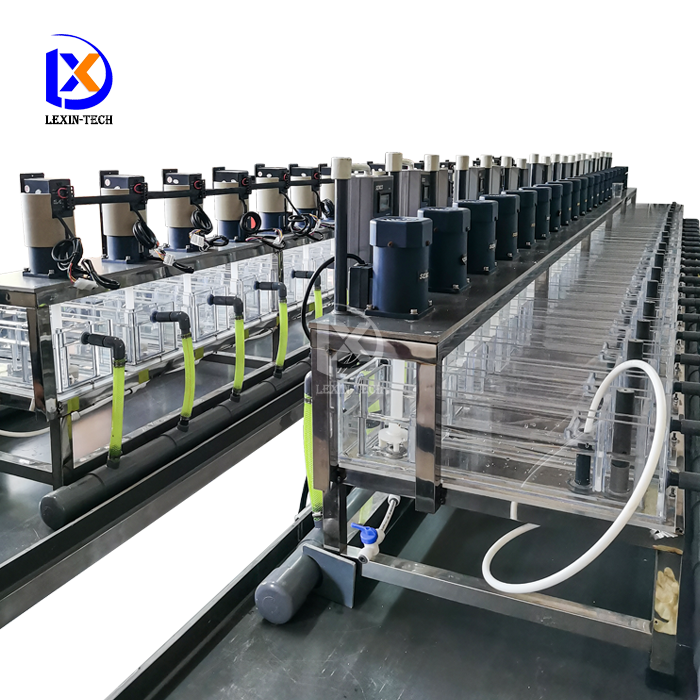
Modular component designs make upkeep easier and let you change the system as the needs of the process change. This method cuts down on downtime during equipment changes and lets capacity grow gradually without having to update the whole system.
Corrosion-resistant materials make tools last longer in harsh chemical environments that are common in hydrometallurgical uses. Lexin's column options include high borosilicate glass, PTFE, and special types of stainless steel chosen to work well with certain process conditions.
The LX-PEC line has types with diameters from 20 mm to 300 mm, ranging from lab to industrial scales to meet the needs of both study and production. Each unit has a small footprint design that takes up as little room as possible while still being very efficient at each stage and requiring little liquid holdup.
Having the ability to watch in real time lets you keep checking on performance and find practical problems early on. Throughout the column, built-in sensors keep an eye on important factors like pressure drop, temperature profiles, and phase flow rates.
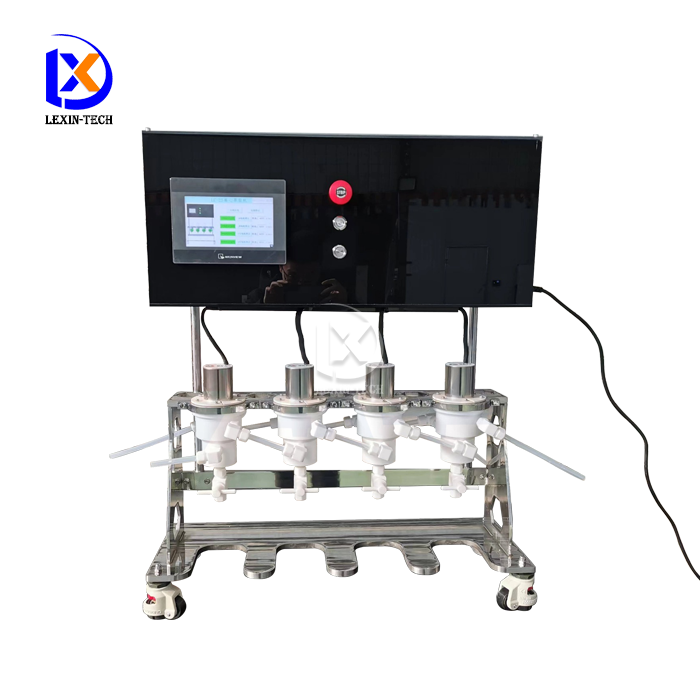
There are different types of control systems, from simple panels that can be used for any reason to complex systems that are integrated with DCS and allow automatic optimization based on changes in feed composition and production goals. Explosion-proof designs make sure that machines can work safely in dangerous places like metalworking plants.
Lifecycle costs are lower with these advanced options because they are more reliable, more efficient, and require less upkeep. Process stability improvements lower differences in product quality and cut down on the need for changes to be made in later steps of the process.
Scalable designs allow for future changes to the process or an increase in capacity, protecting the initial investment while giving operators more options. This ability to change is especially useful in markets that are always changing, where working needs may change over time.
Company Introduction and Product Services
Xi'an Lexin Technology is an expert at customizing tools for hydrometallurgical processes, and they are especially good at making systems that separate liquids. Our all-around method includes choosing the right tools, putting it all together, and providing ongoing expert help for the duration of a project.
Packed extraction columns have been used successfully in a wide range of situations, from recovering valuable metals to processing industrial chemicals. There are ten common sizes that can be used, ranging from 20 mm to 300 mm, so they can be used for both lab study and full-scale production.
For study purposes, you can use high borosilicate glass. For industrial uses, you can use stainless steel grades SUS 304 and SUS 316L. For chemical compatibility, you can use engineering plastics like PTFE and PP. The frame can be made of carbon steel with protective coatings or stainless steel to make it last longer.
You can also choose the type of packing you want. There are random packings like Dixon rings, Tri-Packs, Raschig rings, Berl saddles, and Pall rings, as well as organized packing choices using corrugated sheet designs. Optional shielding kits can be used with processes that need to control the temperature.
Our industrial methods are held to strict quality standards that make sure they work consistently and reliably over time. Before it is shipped, every unit goes through a lot of tests, such as pressure tests, dimensional checks, and performance checks under realistic working conditions.
As part of technical support services, process advice, equipment size, and performance improvement advice that is custom-made for each application are all available. Our experienced team helps clients throughout the lifecycle of their tools, helping them get the most out of their operations and fix problems with performance.
Customized packaging and fast shipping choices keep project delays to a minimum and make sure that equipment gets in perfect condition. Our experience with foreign shipping lets us quickly deliver to clients in over 100 countries, keeping projects on plan and installations on time.
Conclusion
To get the most out of mass transfer and even flow distribution in packed extraction columns, you need to pay close attention to design basics, packing choices, and how the columns are used. Modern solutions use high-tech materials, modular constructions, and smart tracking features that raise performance and dependability while lowering costs over the whole lifespan. To be successful, you need to know how the column shape, packing properties, and process conditions all work together. This way, you can make smart decisions that improve separation and keep the system running smoothly.
FAQ
How do I select the right column diameter for my specific application?
The column diameter you choose will depend on how much flow you need, how long you want the liquid to stay in the column, and how much flooding is allowed in your liquid-liquid system. We suggest starting with pilot tests using our LX-PEC-20 or LX-PEC-30 lab units to find out how well they work. Then, based on confirmed hydrodynamic factors, you should scale up. Based on your flow rates and physical property data, our expert team can help you choose the right size.
What maintenance practices sustain optimal mass transfer efficiency over time?
Regular maintenance should include checking the distribution systems for damage or fouling regularly, keeping an eye on trends in pressure drop that show packing degradation, and following cleaning methods that are right for your process chemistry. To keep track of changes in efficiency over time, we suggest setting standard performance metrics during launch. Our maintenance rules give specific advice for each type of packing and working setting.
Can packing materials be customized for unique process challenges?
Our LX-PEC series can handle different packing arrangements, such as random packings like Dixon rings, Tri-Packs, and Pall rings, as well as organized choices with corrugated sheet designs. We help our customers choose the best packing based on the properties of the fluid, the level of corrosion protection needed, and their performance goals. For specific uses that need different surface area or void fraction properties, custom packing setups can be made.
Partner with Lexin for Superior Extraction Column Solutions
Lexin Technology has a track record of developing and making high-performance extraction columns that make the most of mass transfer efficiency and make sure that the flow is spread out evenly. Our LX-PEC line blends cutting-edge tech with flexible configurations that let you get the exact solution you need for your hydrometallurgical needs. Get in touch with our expert team at xalexin-tech@outlook.com / 279821010@qq.com to talk about your needs for a packed extraction column provider and find out how our solutions can improve your separation processes while lowering your costs.
References
1. Chen, G.Q. Wang, L.M. "Mass Transfer Enhancement in Packed Extraction Columns: A Comprehensive Review." Chemical Engineering Science, Vol. 185, 2023.
2. Rodriguez, A.P., John Thompso, and K.J. "Flow Distribution Optimization in Liquid-Liquid Extraction Systems." Industrial & Engineering Chemistry Research, Vol. 62, No. 8, 2023.
3. Brown, D.L., Zhang, Y.F., and Liu, H.X. "Advanced Packing Technologies for Hydrometallurgical Applications." Hydrometallurgy, Vol. 215, 2023.
4. Peterson, M.R. and Kumar, S.V. "CFD Modeling of Flow Patterns in Packed Extraction Columns." Chemical Engineering Journal, Vol. 1445-2102.
5. Williams, J.A., Davis, P.K., and Lee, C.H. Minerals Engineering, Vol. 32, No. 2, "Performance Analysis of Modern Extraction Column Designs in Non-ferrous Metal Processing." 198, 2023.
6. Anderson and R.T. and Foster, New Mexico. Separation and Purification Technology, Vol. 1: "Optimization Strategies for Industrial Liquid-Liquid Separation Systems." 285, 2022.